remove_red_eye 102
page background
Logo

Roots & Ridge Report

Ag & Natural Resources News for Your Bottom Line

Roots & Ridge Report Ag & Natural Resources News for Your Bottom Line
Roots &Ridge ReportAg & Natural Resources News for Your Bottom Line

January and February 2026 January and February 2026

A Quick Note From Your Extension Educator A Quick Note From Your Extension Educator

Matti Boomgaarden- Extension Educator boomg022@umn.edu MC:507-836-1143 PC::507-825-1193
zoom_out_map

January and February Newsletter

Hello Murray and Pipestone County!


As we move through the winter season, we have several upcoming Extension programs you won’t want to miss, including Cow/Calf Days, Winter Crops Day & Small Grains, and PQA/TQA Training yet this month. These programs are great opportunities to stay current, earn certifications, and connect with local producers and educators.


This issue also features timely articles focused on winter livestock management and preparation for calving. Dr. George Lemke highlights the importance of managing cold stress in livestock to protect animal health and productivity, while Dr. Larry Goelz shares practical reminders for calving season preparation, emphasizing nutrition, bedding, and prevention strategies during a year of historically high calf prices.


As always, please reach out if you have questions, would like to be featured, or have a topic you’d like to see covered in a future newsletter. We look forward to seeing many of you at upcoming events!

Matti Boomgaarden- Extension Educator

boomg022@umn.edu

MC:507-836-1143

PC::507-825-1193

Upcoming Local Events Upcoming Local Events

  • Wednesday, February 11th- Cow/Calf Days @ MN West z.umn.edu/2026PipestoneCCD
  • Thursday, February 19th- Winter Crops Days @ Slayton 4H Building-z.umn.edu/2026WinterCropsSmallGrains
  • Wednesday, February 25th- PQA &TQA Certification Class @ Pipestone County Government Building -z.umn.edu/2026PipestoneTQAPQA
  • Tuesday, March 3rd- Calf to Heifer Dairy Workshop @ Slayton-z.umn.edu/2026ProfitReadyDairyHeifer
  • Thursday, April 16- Tier 2 Cottage Food Course @ Pipestone, Official Location TBA
Sign up for the Roots & Ridge Report mailing list!
Click here to sign up

If you would like to be featured or have a topic to share please reach out! If you would like to be featured or have a topic to share please reach out!

Crop Talk Crop Talk

2026 Winter Crops and Small Grains

Join us for the University of Minnesota Extension Winter Crops Day and Small Grains Program, Thursday, February 19, at the 4-H Building, 3048

Broadway Ave., in Slayton. Check-in will begin at 8:30 a.m., with the program running from 9:00 a.m. to 3:00 p.m. Whether you farm or work with farmers, this program is a great opportunity to hear the latest University-based research and information around corn, soybean, and small grain production issues and management strategies. The morning session will highlight corn and soybean production systems while the afternoon session will focus on small grains.


Please pre-register to reserve yourself a meal by noon Tuesday, February 17 at

z.umn.edu/SlaytonWCD2026, or by calling the Murray County Extension Office at 507-836-6927. Thanks to generous support from local sponsors, there is no cost to attend the program.

Schedule for the Winter Crops Day & Southern Small Grains program:

  • Check-in: 8:30 – 9:00 a.m.
  • Winter Crops Day Presentations: 9:00 a.m. – 12:15 p.m.
  • Lunch: 12:15 – 12:45 p.m.
  • Agency Program Updates: 12:45 – 1:00 p.m.
  • Southern Small Grains Program: 1:00 – 3:00 p.m.

The morning session will start off with Liz Stahl, Extension Educator in Crops, discussing “What’s new on the pest management front”. Brian Boomgaarden, Farm Business Management Instructor from MN West Community and Technical College will follow with “Corn and Soybean Budget outlooks for 2026.” Brad Carlson, Extension Educator in Water Resources,

Crops, and Soils will then discuss “Advancing Nitrogen Management in 2026”, followed by Bailey Tangen, Extension Educator in Water Resources and Soil Health, with a discussion on “Applying Soil Health Management to Reduce Weather Risks.” CEUs have been applied for the morning sessions.

The afternoon session will be presented by Dr. Jochum Wiersma, Small Grains Specialist. Topics covered will include production agronomics, variety selection, and more, including ample time for questions from attendees.


A special thank you to our sponsors for their support of this program: Chandler Coop, Farmers Agency of Avoca, Minnesota Wheat Research and Promotion Council, Murray County Farm Bureau Association, Murray County Corn and Soybean Growers Association, Chandler Feed & Byron Seed, Schmitz Grain, Inc., Spronk Seed Farm of Edgerton, and KDL Insurance.

Private pesticide applicators

Recertification workshops, testing and training for those who apply restricted use pesticides (RUPs) to their own land or sites for the production of agricultural commodities

launch extension.umn.edu

Livestock Lowdown Livestock Lowdown

Cold Stress Management in Livestock- Dr. George Lemke

Cold stress in livestock is a significant management challenge that affects animal health, productivity, and welfare, particularly in regions that experience harsh winters or sudden weather changes. Cold stress occurs when animals lose body heat faster than they can produce it, forcing them to use extra energy to stay warm. Factors such as low temperatures, wind, rain, snow, and inadequate shelter can intensify the effects of cold stress. Understanding how cold stress impacts livestock is essential for producers aiming to maintain healthy animals and efficient operations.


One of the primary effects of cold stress is increased energy demand. When exposed to cold conditions, livestock must burn more calories to maintain their normal body temperature. This can lead to weight loss or reduced growth rates if feed intake does not increase accordingly. In dairy animals, cold stress may reduce milk production, while in beef cattle and sheep it can negatively affect body condition and reproductive performance. Young, sick, or thin animals are especially vulnerable because they have

less ability to regulate body heat.


Cold stress also weakens the immune system, making livestock more

susceptible to disease. Prolonged exposure to cold, wet, and windy environments can lead to respiratory illnesses such as pneumonia, particularly in calves and lambs. Stress from cold conditions can reduce the animal’s ability to fight off pathogens, increasing the likelihood of illness outbreaks within a herd or flock.


Environmental and management factors play a crucial role in preventing cold

stress. Providing adequate shelter from wind and precipitation is one of the most effective ways to reduce heat loss. Dry bedding, proper drainage, and access to windbreaks help animals conserve energy and remain comfortable. Additionally, adjusting nutrition by increasing feed quality or quantity during cold periods ensures that livestock have sufficient energy to meet their increased metabolic needs.


If you have any questions about the best way to help your livestock thrive this

winter, Give Windy Ridge Vet clinic a call, 507-825-3336.

Preparation for Calving- Dr Larry Goelz

For some of you calving has already started and for many it is just around the corner. Now is the time to take a few moments and begin to plan for calving if you have not done so yet:


1) Calf prices are at an all time high. We have never seen this high of returns to labor and management than right now. There is a high incentive to save and

wean one more calf. Investments such as time, medications, abundant

bedding and prevention measures will generate good returns. If you haven’t

considered colostrum supplementation on questionable calves, twins and

weak born calves please give it some consideration. Prevention products

such as Tri-Shield tubes or First Defense boluses are easily justified in times

of high calf prices


2) Cow nutrition – cows need to be gaining weight as they approach calving.

This will maximize colostrum production, increase immune system function

and improve breed back post-calving. Remember to look not only at energy

but also protein, salt and mineral.


3) Bedding – Many of us are getting good at stretching bedding during low price years. Folks this is not the year to skimp. Remember that every calf that is born alive is worth $1,300 at birth. Current prices of corn stalks and straw are low. Abundant bedding will result in a clean calf environment with less

disease pressure. Loose straw that is 8-12 inches deep allows the calf to

burrow and control its environment resulting in less heat loss, a more robust

immune system and better average daily gain.


Perhaps more importantly don’t forget to enjoy this calving season. As a cow/calf producer you are the envy of all agriculture.


If you have any questions about the best way to help your livestock thrive this

winter, please give Windy Ridge Veterinary Clinic a call at 507-825-3336.

Dr. Larry Goelz

Resource Report Resource Report

AGRI Demo Grant Due- Dec 15th

View all Funding | Minnesota Department of Agriculture

launch mda.state.mn.us

Grain Storage Facility Safety Grant | Minnesota Department of Agriculture

The Grain Storage Facility Safety Grant helps Minnesota farmers buy and install eligible safety equipment for&nbs

launch mda.state.mn.us

On the Horizon- Extension Workshop On the Horizon- Extension Workshop

2026 Cow-Calf Days - Pipestone

In its 53rd year, University of Minnesota Extension’s Cow-Calf Days event is one of Minnesota’s leading sources of information, technology and research for cow-calf producers.

launch extension.umn.edu

Pork Quality Assurance (PQA+) certification training - Pipestone

Pork Quality Assurance Plus (PQA+) provides improved animal wellbeing standards and relevant food safety standards to ensure producers can measure, track and continuously improve pig well-being.Attendees will receive their PQA+ certification at the completion of the course after successfully passing the test. Producers need to be re-certified every three years to keep their certification current.Find out more about PQA+ training.

launch extension.umn.edu

Beginning livestock production

Beginning Livestock Production will cover animal nutrition, housing and facilities, health, and livestock handling with information specific to beef cattle, dairy cattle, goats, sheep, poultry, and swine. We will also take a look at what you must consider when raising multiple species.The online course will help new livestock producers decide which livestock species fit their system and goals.

launch extension.umn.edu

Inputs and outputs: Building healthy garden soil

University of Minnesota Extension educators are excited to offer the sixth annual Gardening from the Ground Up webinar series, a free weeklong program designed to help gardeners build skills from soil to harvest. Join us online for five focused, practical sessions led by Extension experts, covering everything from building healthy soil and understanding microbes and product labels to adapting to shifting growing conditions and harvesting and storing produce for long-lasting quality.

launch extension.umn.edu

ANR Newsline ANR Newsline

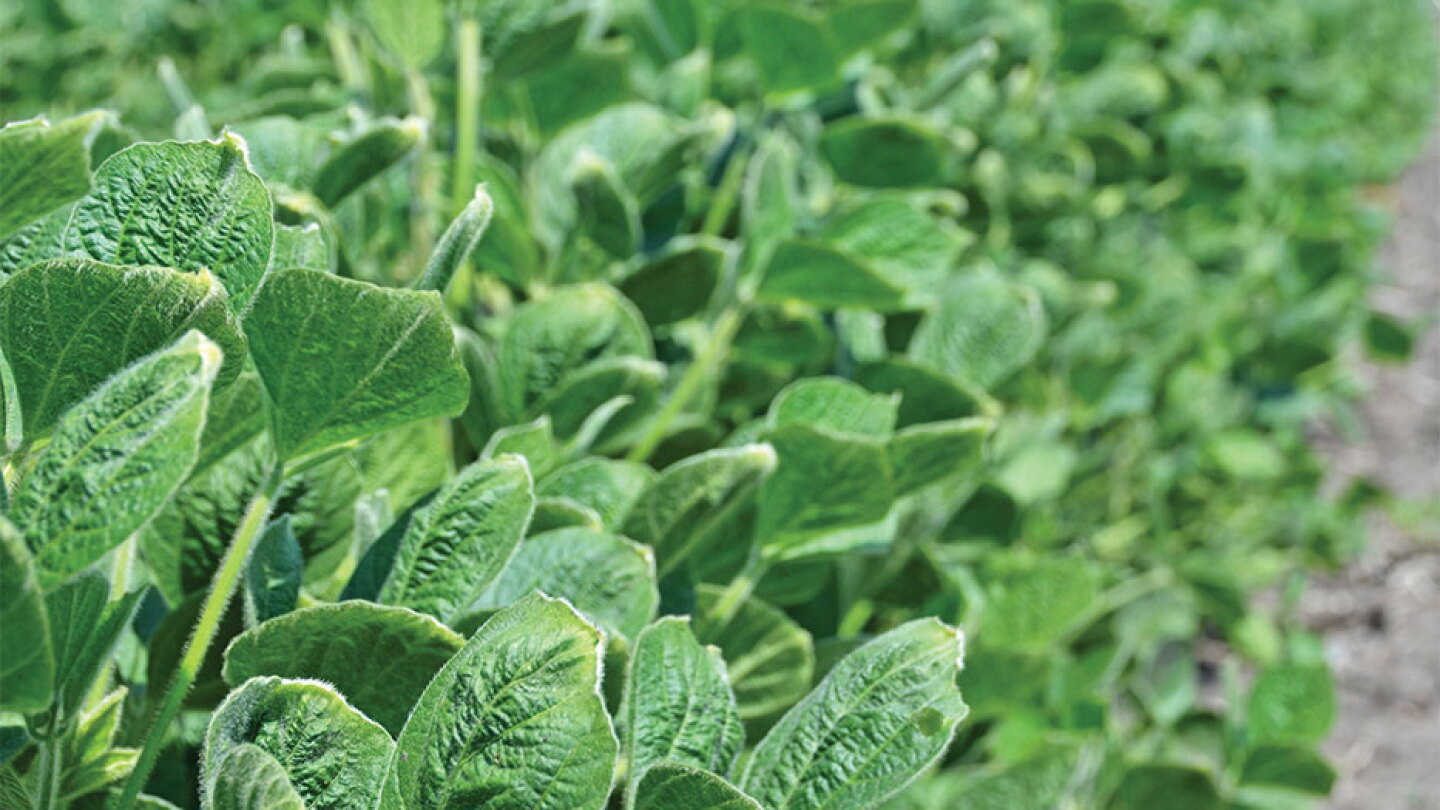
Breaking: EPA Reinstates Dicamba for 2026 Registration in Cotton and Soybeans

The decision comes with new rules and what the agency calls the strongest safeguards ever imposed on over-the-top applications.

launch agweb.com

Lenders watch farm finances, interest rates

The farm financial outlook is mixed for 2026, with livestock producers seeing strong prices while row crop producers are facing challenges.

launch agupdate.com

Nitrogen Research for Crop Success

Minnesota nitrogen conference brings researchers advisors and professionals together to discuss crop productivity nutrient management water quality challenges and practical solutions supporting sustainable agriculture and environmental stewardship across the state.

launch minnesotaagconnection.com

4 Biocontrol Strategies To Shrink Your Weed Seed Bank

Working with Mother Nature may require adopting a new mindset, but for some farmers these four practices could be the 'missing piece' in having a sustainable, long-term weed management plan.

launch agweb.com

New Changes to Minnesota Weed List

Minnesota updates its noxious weed list for 2026 adding new species removing others and approving low seed cultivars to better manage invasive plants and protect landscapes statewide.

launch minnesotaagconnection.com

© 2023 Regents of the University of Minnesota. All rights reserved. The University of Minnesota is an equal opportunity educator and employer.

Extension University of Minnesota
https://extension.umn.edu
Loading indicator

close
Powered by