remove_red_eye 2.3K
page background

November DEI Newsletter

ACNL | 2024

NovemberDEI NewsletterACNL | 2024

Rural Healthcare: The November DEI Committee Newsletter

For this edition, we shine a spotlight on an urgent and often overlooked challenge in our healthcare system: the widening gap in rural healthcare. While cities may boast state-of-the-art medical facilities and an abundance of healthcare providers, millions of Americans living in rural areas face a starkly different reality—limited access to essential services, chronic understaffing, and the heavy burden of traveling long distances for even the most basic care. These inequities have far-reaching consequences, affecting not only health outcomes but the overall well-being of rural populations, who are often left behind in conversations about healthcare reform.


Rural communities represent a rich diversity of people, including farmers, Indigenous populations, and migrant workers, all of whom face unique barriers to care. The intersection of geographic isolation with socioeconomic struggles and limited healthcare infrastructure exacerbates health disparities, making rural healthcare a critical focus for any meaningful discussion on equity and inclusion. By addressing these challenges head-on, we can begin to dismantle the systemic obstacles that disproportionately impact the most vulnerable.


In this issue, we explore innovative approaches to closing these gaps, from expanding telehealth to improving rural healthcare funding and fostering collaborative partnerships. This is not just a matter of access—it is about ensuring that every individual, regardless of where they live, receives the quality care they deserve. Together, let’s drive the conversation forward and ensure that the push for diversity, equity, and inclusion reaches even the most remote corners of our healthcare landscape.


The DEI Committee Members:

Anitra Williams

Christina M. Oldini

Kimberly Long

Karen Mitchell-Keels

Make'da Traynum

Marshall Blue

Nicole Barnett

Sharon Goldfarb

Sheree Criner

Yury Nevarez


Newsletter produced by Vanessa Kerr and Sharon Goldfarb.

Rural Nurse Organization - Home

Rural Nurse Organization - Home

Interested in contributing to the RNO Blog? The RNO blog focuses on various topics related to rural health. We value your expertise! Please share with us potential innovative solutions you are using to care for prevalent diseases/conditions in your rural area. If you are interested in contributing to the blog, please contact Joan Grant Keltner at grantj@uab.edu.

launch rno.org
Guide to Rural Nursing

Guide to Rural Nursing

With many remote regions in the country lacking healthcare facilities, practitioners, and access to proper care, rural nurses are often the medical lifeline for isolated communities.

launch registerednursing.org
Innovations from Rural Communities Are Improving Health Care for All

Innovations from Rural Communities Are Improving Health Care for All

Some of the most inventive changes to health care have started in rural communities around the world

launch scientificamerican.com
Rural health system prioritizes workforce diversity to meet community needs | AHA News

Rural health system prioritizes workforce diversity to meet community needs | AHA News

With 57 million Americans living in rural areas and dependent on the nearest hospital for most of their care needs, it is more important than ever to preserve the viability of access to care in rural America.

launch aha.org
rural telehealth

rural telehealth

Find out how telehealth can be used to improve health care in rural communities

launch telehealth.hhs.gov

HealthAffairs: Reimagining Rural Health Equity: Understanding Disparities And Orienting Policy, Practice, And Research In Rural America

Abstract

A narrative has taken hold that public health has failed the US. We argue instead that the US has chronically failed public health, and nowhere have these failures been more apparent than in rural regions. Decades of underinvestment in rural communities, health care, and public health institutions left rural America uniquely vulnerable to the COVID-19 pandemic. Rural communities outpaced urban ones in deaths, and many rural institutions and communities sustained significant impacts. At the same time, the pandemic prompted creative actions to meet urgent health and social needs, and it illuminated opportunities to address long-standing rural challenges. This article draws on our cross-disciplinary expertise in public health and medical anthropology, as well as our research on COVID-19 and rural health equity in northern New England. In this Commentary, we articulate five principles to inform research, practice, and policy efforts in rural America. We contend that advancing rural health equity beyond the pandemic requires understanding the forces that generate rural disparities and designing policies and practices that account for rural disadvantage.


Read more here.

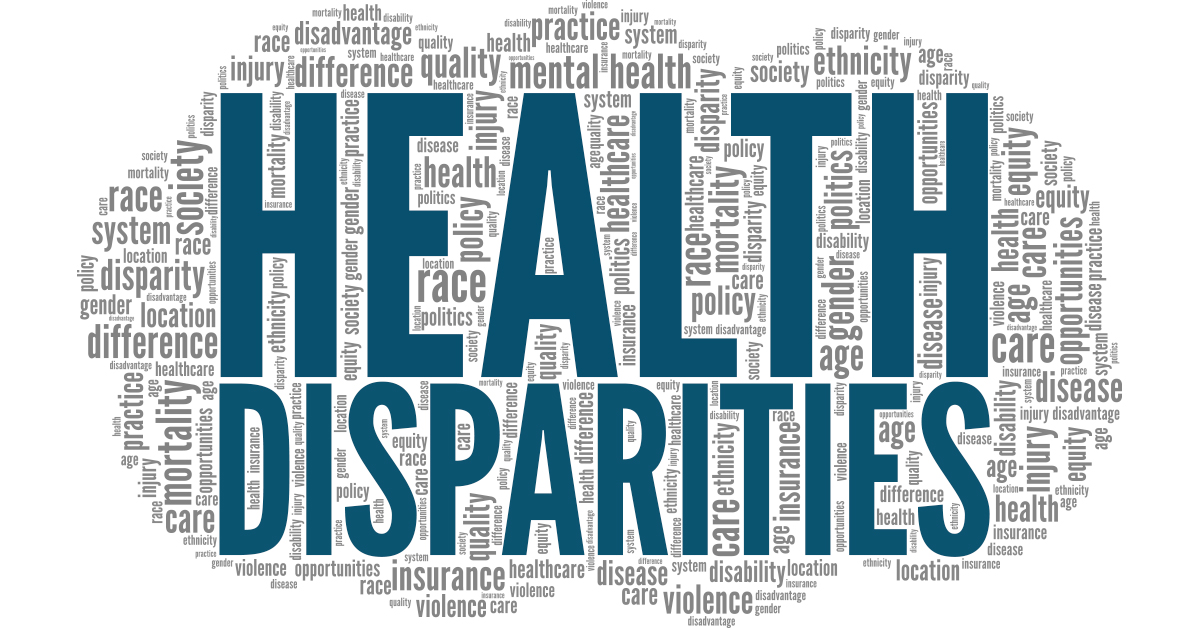
Rural Health Disparities Overview - Rural Health Information Hub

Rural Health Disparities Overview - Rural Health Information Hub

Provides information on health disparities and the causes of these disparities in rural areas. Discusses rural versus urban mortality and life expectancy, and resources and programs to address rural health disparities. Provides information on regions throughout the U.S. that experience higher level of rural health disparities.

launch ruralhealthinfo.org
Celebrating rural women as agents of health equity and community empowerment

Celebrating rural women as agents of health equity and community empowerment

In this feature, four remarkable women are highlighted, each of whom has made a positive impact in her own unique role. They share their experiences, challenges and hopes as rural women working in diverse contexts, shedding light on their essential contributions to health.

launch who.int
A 53-year-old drives 3.5 hours for arthritis care due to a worsening doctor shortage that medical schools and legislation are trying to slow

A 53-year-old drives 3.5 hours for arthritis care due to a worsening doctor shortage that medical schools and legislation are trying to slow

Physician shortages are affecting rural communities. Medical schools and lawmakers could curb the effects, which are expected to worsen and spread.

launch businessinsider.com
Rural Healthcare Workforce Overview - Rural Health Information Hub

Rural Healthcare Workforce Overview - Rural Health Information Hub

Examines policy, economics, planning challenges, health professional shortage areas, and other issues related to the rural healthcare workforce. These include supply and demand, distribution and characteristics of the workforce, licensure, certification, and scope of practice issues, and policies that can be used to improve the rural healthcare workforce.

launch ruralhealthinfo.org

Bridging the Gap for Equitable Access in Rural Healthcare

In rural areas across the United States, healthcare disparities are not only pervasive but also complex, stemming from a range of issues that reach far beyond clinical walls. Rural healthcare is marked by unique challenges: limited access to care, healthcare provider shortages, and a lack of resources that disproportionately affect vulnerable populations. For nurses dedicated to equity and inclusion, addressing these disparities is essential. By understanding the barriers rural communities face and advocating for policies and practices that prioritize their needs, nurses play a critical role in advancing diversity, equity, and inclusion in healthcare.


Rural communities represent a wide array of people, including Indigenous populations, migrant workers, and aging residents who often have deep ties to their land and culture. However, geographic isolation combined with socioeconomic challenges—including lower household incomes and limited job opportunities—contributes to reduced access to healthcare services. Many rural residents face health outcomes that are worse than their urban counterparts, with higher rates of chronic diseases, mental health issues, and maternal and infant mortality.


For nurses, this means caring for a patient population that not only lacks access to healthcare services but may also lack access to basic resources such as transportation, affordable housing, and nutritious food. Social determinants of health like these make the work of nurses in rural areas both vital and challenging, as they must often address the broader life circumstances of their patients to improve health outcomes.


One of the most significant barriers to equitable healthcare in rural areas is the shortage of healthcare providers. According to the Health Resources and Services Administration (HRSA), over 60% of primary care shortage areas are in rural or partially rural regions, leaving many communities without sufficient healthcare support. The scarcity of specialists, in particular, can lead to delays in diagnosis and treatment, exacerbating health issues that could have been managed if detected earlier.


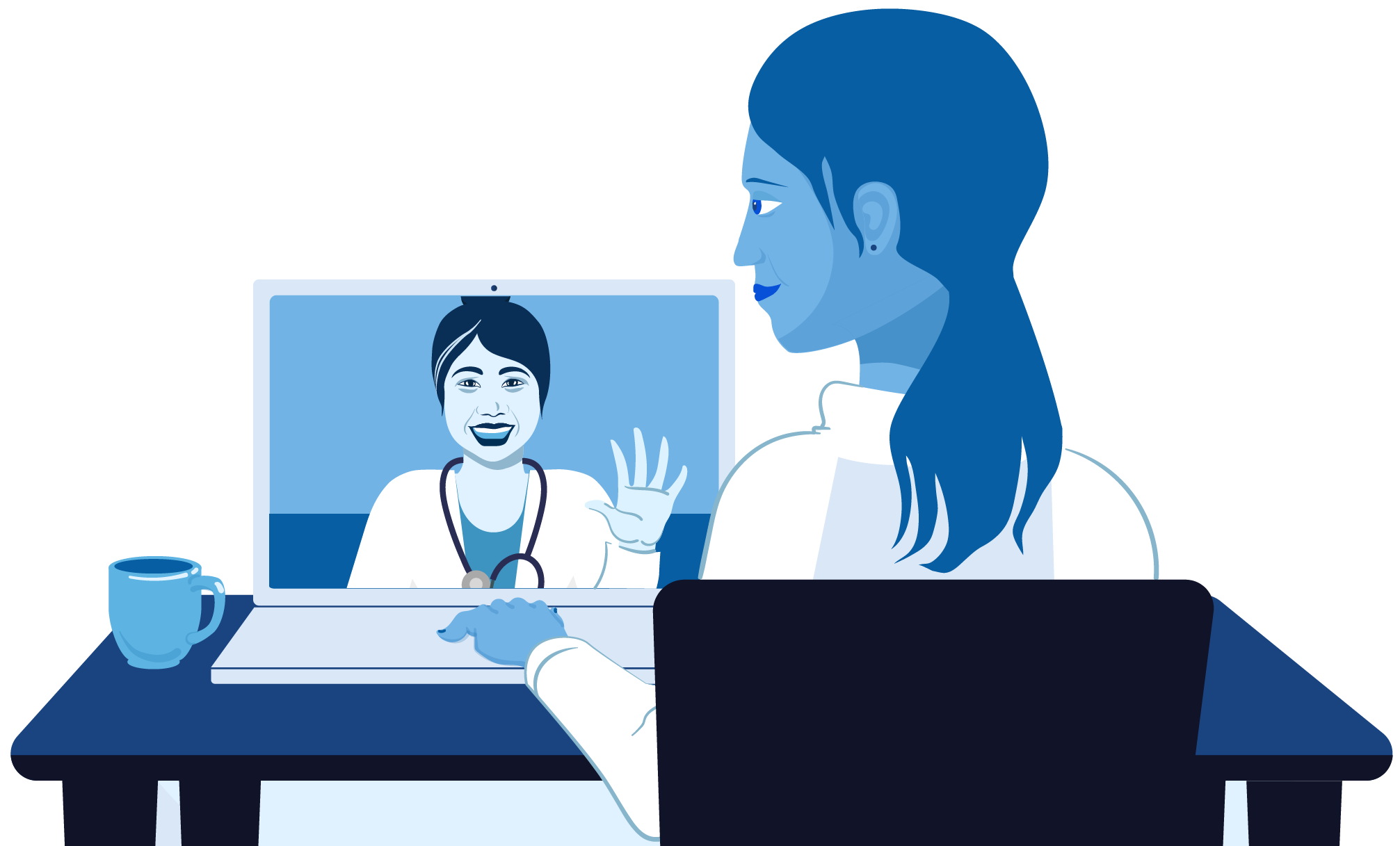
Telehealth has emerged as a powerful tool for bridging these gaps, allowing patients in rural areas to access medical expertise that would otherwise be unavailable. For instance, nurses can facilitate telehealth appointments, helping patients understand and navigate virtual platforms, and coordinating care plans that fit each patient’s unique circumstances. However, telehealth is not a cure-all; many rural areas lack reliable internet infrastructure, and there may be cultural barriers that make patients hesitant to seek remote care. Nurses can work as liaisons, educating patients on telehealth options and advocating for broadband expansion to make this service more accessible.


The racial and ethnic diversity within rural communities further complicates healthcare access. Rural communities often include migrant farmworkers who may lack legal documentation and face barriers such as language differences, limited transportation, and cultural stigmas around healthcare. Indigenous populations are similarly underserved, with fewer healthcare facilities and persistent health disparities rooted in systemic inequities. Nurses are in a unique position to address these challenges by practicing culturally competent care and advocating for community-based health initiatives that honor cultural traditions and build trust with patients.


Nurses on the frontlines of rural healthcare witness firsthand the ways in which policy—or lack thereof—impacts health outcomes. Advocating for rural healthcare policy improvements is an extension of the DEI work that nurses champion every day. Policy initiatives to improve rural healthcare include expanding Medicare and Medicaid reimbursements to rural clinics, investing in rural healthcare infrastructure, and increasing federal support for healthcare workforce development. Nurses can also support programs like the National Health Service Corps, which incentivizes healthcare providers to work in underserved areas, and advocate for funding that targets mental health services, especially given the high rates of depression and suicide in rural areas.


Creating an inclusive and equitable healthcare environment in rural areas also involves addressing educational barriers. Many rural healthcare facilities have fewer training resources, which can limit the ability of nurses to stay updated on the latest medical advancements and culturally competent practices. Investing in ongoing education for rural nurses and offering training programs tailored to the unique needs of rural communities will not only improve the quality of care but also ensure nurses are equipped to address the full spectrum of DEI issues they encounter.


Mentorship programs can also play a role in supporting DEI in rural nursing. When rural nurses, especially those from underrepresented backgrounds, have access to mentors, they are more likely to remain in their positions and serve their communities long-term. Nurses who mentor others can help retain diverse talent, making rural healthcare more inclusive over time.


For rural healthcare to be equitable and inclusive, healthcare systems and policymakers must address the social determinants of health that impact these communities while investing in a healthcare workforce that is committed to DEI. Nurses are central to this mission, as they work directly with patients, build community trust, and have a deep understanding of the challenges rural populations face. By continuing to advocate for patient-centered, inclusive practices, nurses can lead the way toward a healthcare system that truly serves everyone, regardless of their zip code.


In rural healthcare, DEI work is about more than meeting benchmarks—it is about ensuring that the health and dignity of all patients are valued equally. By addressing the root causes of health disparities and creating pathways for access, nurses can help turn the vision of equitable rural healthcare into a reality. This work is crucial, as it serves not only to improve health outcomes but also to reinforce a healthcare system that is compassionate, responsive, and inclusive of every community.

Previous Newsletters

October: Disaster Preparedness

September: Political Action Edition

August: Community Health Nursing

July: Advocating for Patient Summer Safety

June: Pride Month

May: Mental Health Awareness Month

April: Disability Rights

March: Women's Health Equity

February: Environmental Health and Justice

January: Combatting Misinformation and Disinformation

December: Resilience and Community Care

November: Navigating the Digital Frontier

October: Legislative Update

September: Maternity Care

August: Civic Health Month

ACNL logo
open_in_new zoom_out_map

Association of California Nurse Leaders

Email: info@acnl.org
Website: https://www.acnl.org/
Location: 180 Promenade Circle suite 300, Sacramento, CA 95834, USA
Phone: 916-779-6949

Kimberly Long
Kimberly is using Smore to create beautiful newsletters
Loading indicator

close