
WB March Inclusive
Acknowledgements and Recognitions
Women’s History Month – established in 1987, this observance is celebrated in various countries around the world. It is dedicated to honoring and highlighting the contributions, achievements, and struggles of women throughout history. The month-long celebration provides an opportunity to recognize the accomplishments of women in various fields such as politics, science, literature, arts, business, and social activism. 2025 Theme: “Moving Forward Together! Women Educating & Inspiring Generations.”
National Developmental Disabilities Awareness Month – aims to raise awareness about developmental disabilities, promote inclusion and acceptance, and highlight the abilities and accomplishments of individuals with developmental disabilities.
National Multiple Sclerosis Education and Awareness Month – is dedicated to raising awareness about multiple sclerosis (MS) a chronic autoimmune disease that affects the central nervous system. Throughout the month, various organizations, healthcare providers, and advocacy groups work together to educate the public about MS, its symptoms, treatments, and the impact it has on individuals and their families.
Cerebral Palsy Awareness Month – raises awareness and promotes inclusion and support cerebral palsy, a group of disorders that affect movement and muscle tone in individuals living with cerebral palsy.
Social Work Month – recognizes and celebrates the contributions of social workers in improving the well-being of individuals and communities through advocacy, support, and empowerment.
Irish-American Heritage Month – honors the contributions and cultural heritage of Irish Americans to the United States.
National Reading Month – promotes the importance of reading and literacy, encouraging people of all ages to develop a love for reading, and advocating for increased access to books and educational resources.
Greek American Heritage Month – celebrating and honoring the contributions and cultural heritage of Greek Americans to the United States.
National Optimism Month – focuses on fostering a positive outlook on life, promoting resilience, and encouraging optimism in the face of challenges.
National Gender Equality Month – raising awareness about gender inequality and promoting efforts to achieve gender equity and justice in various aspects of society.
Colorectal Cancer Awareness Month – raising awareness about colorectal cancer, promoting early detection, and supporting individuals and families affected by the disease.
Kidney Cancer Awareness Month – promotes awareness about kidney cancer, promote prevention strategies, and support research efforts aimed at improving treatments and outcomes for individuals with kidney cancer.
Bisexual/Bi+ Health Awareness Month – raising awareness about the health disparities and unique challenges faced by individuals who identify as bisexual or bi+, and to promote inclusivity and support within healthcare systems.
Red Cross Month – elevating the humanitarian efforts of the Red Cross, including disaster relief, blood donations, and community outreach programs aimed at saving lives and alleviating suffering.
Ramadan – a time of spiritual growth, self-reflection, and renewal - is the ninth month of the Islamic lunar calendar and is considered one of the holiest months in Islam. It is observed by Muslims worldwide as a month of fasting, prayer, reflection, and community.
WEEKLY
March 2-8: Read an E-Book Week – promoting the joys and benefits of reading electronic books, encouraging literacy, and highlighting the accessibility of digital reading materials.
March 2-8: Celebrate Your Name Week – elevating the significance and uniqueness of individual names, encouraging people to learn about the origins and meanings of their names and to appreciate the personal identities, and cultural significance attached to them.
March 2-8: Women In Construction Week – dedicated to recognizing and celebrating the contributions of women in the construction industry, promoting diversity and equality within the field, and encouraging more women to pursue careers in construction-related professions.
March 9-15: Girl Scouts Week – a celebration of the Girl Scouts organization and the positive impact it has on the lives of girls and young women through leadership development, community service, and environmental justice.
March 9-15: National Sleep Awareness Week – raising awareness about the importance of sleep for overall health and well-being.
March 10-16: International Brain Awareness Week – a global campaign aimed at increasing public awareness about the brain, neuroscience research, and the importance of brain health.
March 16-22: National Anonymous Giving Week – encourage, participate, and celebrate acts of anonymous generosity and kindness, emphasizing the impact of giving. Pay it forward, without seeking recognition.
March 17-23: National Introvert Week – highlighting the strengths and contributions of introverted individuals, promoting understanding and acceptance of introversion, and encouraging self-care and reflection for introverts.
DAILY
March 1 – International Wheelchair Day
March 1 – World Music Therapy Day
March 1 – International Women of Color Day
March 1 – Zero Discrimination Day
March 3 – World Hearing Day
March 4 – Mardi Gras
March 4 – National Sons Day
March 5 – Equal Pay Day
March 5 – Ash Wednesday
March 7 – Employee Appreciation Day
March 7 – World Day of Prayer
March 8 – International Women’s Day
March 9 – Daylight Savings Begins
March 11 – World Day of Muslim Culture, Peace, Dialogue and Film
March 12 – Equal Pay Day
March 13 – Purim (Jewish)
March 14 – Pi π Day
March 14 – Holi (Hindu)
March – International Day of Mathematics
March 16 – St. Urho day
March 17 – St. Patrick’s Day
March 19 – Naw Ruz - Baha'i
March 19 – Spring Equinox
March 20 – International Day of Happiness
March 20 – World Poetry Day
March 21 – World Down Syndrome Day
March 21 – International Day for the Elimination of Racial Discrimination
March 25 – International Day of Remembrance of the Victims of Slavery and the Transatlantic Slave Trade
March 25 – Greek Independence Day
March 30 – World Bipolar Day
March 29-30 – Eid al-Fitr
March 30 – Navratri begins (Hindu)
March 31 – International Transgender Day of Visibility
Resources for Women's History Month
“Moving Forward Together! Women Educating & Inspiring Generations.”
A Statement of Impact in Education
Women’s History Month isn’t just a celebration—it’s a statement. It’s a powerful reminder that women and girls have shaped history, challenged barriers, and redefined what’s possible across every field, every generation, and every walk of life.
From the classroom to the boardroom, from science labs to social movements, women have been at the forefront—often without recognition, but never without impact. Dr. Mary McLeod Bethune built schools when education wasn’t an option for Black children. Malala Yousafzai risked everything to demand education for girls worldwide. Judith Resnik, one of the first women in space, paved the way for young girls in STEM. And every day in our schools, young girls bring curiosity, leadership, and innovation that shape the future.
This month, we recognize the pioneers—Susan B. Anthony and Sojourner Truth, who fought for women's rights; Katherine Johnson and Marie Curie, whose minds changed science forever; Dolores Huerta, who organized for workers' rights; and Vice President Kamala Harris, who shattered political ceilings. But just as important, we celebrate the educators, the students, the changemakers in our own communities who prove that history is not just something we learn—it’s something we create.
As we honor Women’s History Month, let’s ensure every student—regardless of gender—understands that representation matters, that inclusion fuels progress, and that every voice has the power to make a difference. Let’s celebrate the past, empower the present, and inspire the future.




“I am a woman / Phenomenally / Phenomenal woman / That’s me.” – Maya Angelou
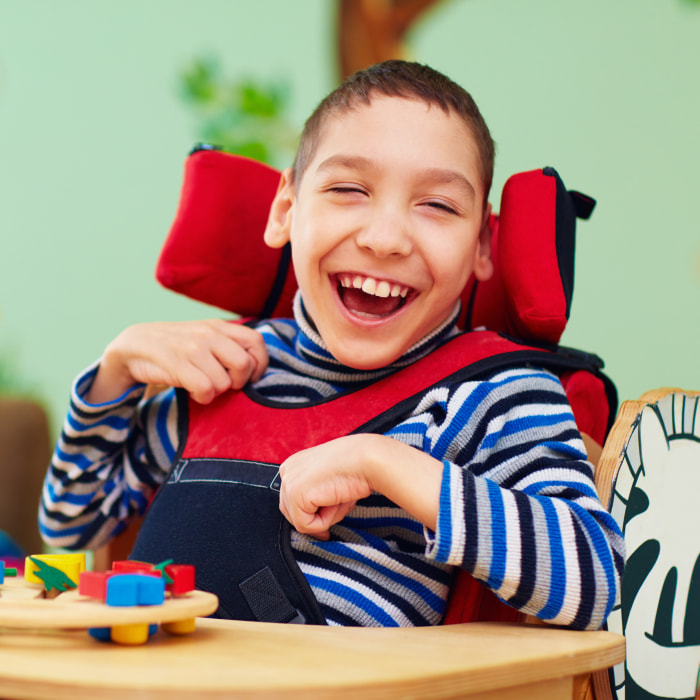
Developmental Disabilities Awareness Month
Developmental Disabilities Awareness Month aims to raise awareness about developmental disabilities, promote inclusion, and advocate for the rights of individuals living with developmental disabilities.
- NACDD’s 2025 theme, We’re Here All Year, emphasizing that community, accessibility, and opportunities for people with developmental disabilities should be recognized and championed every day—not just in March.
Organizations, schools, and communities often engage in educational initiatives, advocacy campaigns, and events that promote inclusivity and celebrate the unique qualities and talents of individuals with developmental disabilities. The overarching goal is to foster a more inclusive and compassionate society where everyone, regardless of their abilities, is recognized for their potential and given the opportunity to lead fulfilling lives.
Throughout the month, people are encouraged to learn more about different developmental disabilities, engage in supportive actions, and actively participate in creating communities that embrace diversity and provide equal opportunities for all.



Considerations During the Month of Ramadan
Ramadan, a time of spiritual growth, self-reflection, and renewal - is the ninth month of the Islamic lunar calendar and is considered one of the holiest months in Islam. It is observed by Muslims worldwide as a month of fasting, prayer, reflection, and community. During Ramadan, Muslim communities fast from dawn until sunset, abstaining from food, drink, and other physical needs. Fasting during Ramadan is one of the Five Pillars of Islam, which are the foundation of Muslim life and practice. Ramadan culminates in the celebration of Eid al-Fitr, a festive holiday that marks the end of the fasting period. Muslim communities gather for prayers, feasting, and community celebrations to mark the occasion. As educators, it's essential that we understand and respect the significance of Ramadan and its impact on our students and colleagues. This year, Ramadan occurs February 28 – March 30.
Do's:
- Be mindful that some students and colleagues may be fasting from dawn until sunset. Respect their commitment to fasting and refrain from offering food or drink during fasting hours. Allow Muslim students to use the library or gym during their lunch period so that they do not feel out of place amongst their non-fasting peers.
- Create a supportive environment by acknowledging and respecting Ramadan as a significant religious observance.
- Be flexible and understanding with students who may experience fatigue or decreased energy levels during fasting hours.
- Allow for accommodations during assessments and exams for students observing Ramadan, such as rescheduling tests or providing alternative arrangements.
- One of the obligatory five prayers takes place in the afternoon. Create/allow spaces to accommodate students and colleagues during this time.
Don'ts:
- Don't assume that all Muslim students or colleagues will be fasting during Ramadan. Respect individual choices and beliefs regarding fasting.
- Don't pressure students or colleagues to break their fast or participate in activities that conflict with their religious observance.
- Avoid scheduling strenuous physical activities or events that may be challenging for students observing fasting.
Supporting Students During Ramadan

March is National Reading Month!
March is Reading Month: Pop Open a Good Book!
This March, we’re celebrating National Reading Month with the theme "Pop Open a Good Book!"—because every book has the power to spark imagination, open doors to new worlds, and deepen our understanding of ourselves and others.
Books are more than just stories; they are windows, mirrors, and sliding glass doors, as described by Rudine Sims Bishop. Some books serve as windows, offering a glimpse into experiences and perspectives different from our own. Others act as mirrors, reflecting and validating our personal journeys. And some become sliding glass doors, inviting us to step into new realities and walk in the shoes of characters from all backgrounds.
This month, let’s embrace the joy of reading by exploring stories that inspire, challenge, and connect us. Whether you’re revisiting a beloved classic, discovering a new favorite, or sharing a book with someone else, every page turned is an opportunity to grow. Let’s pop open a good book and celebrate the power of stories together!
Culturally Responsive Read Aloud Corner!
Tips From Dr. Sonja Cherry-Paul
Continuing on our Belonging journey, Dr. Sonja Cherry-Paul aids in the elevation and celebration of our Black and Brown students, ensuring feelings of love, respect, and inclusion. Use these classroom tips during your read aloud:
1. Choose a text that’s about and authored by a BIPOC. Authors who write about their lived experiences can offer a much more nuanced portrayal of characters that share their identities. You’ll also want to be sure that the text is culturally affirming and provides opportunities to develop critical consciousness. Be aware of not just showing oppression but also strength and joy.
2. Plan for students to interact with the text that explicitly addresses cultural competence and critical consciousness. Just as you would mark spots in a text with prompts for students to think about character and theme, mark spots that highlight cultural identity and systems of injustice. You might try prompts that sound like this:
- How is the character’s identity similar to yours or different?
- What part of this book is a mirror for you? Window?
- What bigger problems in our community or our world is this making you think about?
3. Lead students in grand conversations around these same ideas. Dig deeper into the work. Help kids explore issues of race and inequality and ways that they can be agents of change.

