DEIAA Newsletter
ACNL |Q2 2026 Newsletter
Men’s Health Month, Nurses Weeks, Voice of Nurses & Shaping Health Policy
Welcome to the Q2 2026 newsletter edition of the Association of California Nurse Leaders Diversity, Equity, Inclusion, Accessibility and Anti-Racism (DEIAA) Committee Newsletter.
The DEIAA Committee Members:
Anitra Williams
Austin Nation – Board Liaison
Beth Eichenberger
Christine M. Oldini
Gena Woods
Hannah Fox
Hirut Truneh
Jessica Laughlin
Joy Kiat-Floro
Karen Mitchell-Keels
Kimako Desvignes
Kimberly Long
Lulette Infante
Make’da Traynum
Mariah Gillam - ACNL Support Staff
Nicole Barnett – Chair
Sarah Adbolcader
Sunitha Dharman
Tia Newell – Co-Chair
Trarina Jerome Harris
Vanessa Martinez
Equity begins with awareness, grows through action, and thrives through accountability. Together, we can continue building a culture where both our patients and our teams feel seen, heard, and valued.
American Association of Men in Nursing
Submitted by Joy Kiat-Floro, MBA, MSN, RN, NPD-BC, AMB-BC
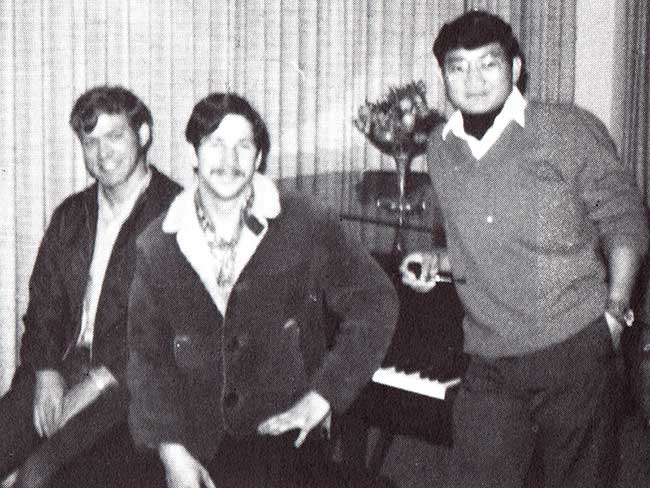
In 1971, Dennis Martin, a nurse, saw the need for an organization for men in nursing and formed a group of like-minded men in Michigan. The group grew in numbers and is reported to have had as many as 2,300 members from all over the country. Luther Christman was invited to join the group and assist them in the development of the organization. Shortly thereafter, Martin decided to go to law school, and the group floundered without his leadership. In 1974, Luther Christman convened a group of men nurses in Chicago, and the Michigan Male Nurses Association group was reorganized as the National Male Nurses Association.
Within three years, the NMNA grew to more than 2,300 members. Members represented almost every state in the United States. The major event of the NMNA was the Annual Meeting at which time nurses could gather to discuss issues, provide support and mold the direction of the organization. Nevertheless, after several successful years, membership faltered and the organization died.
However, in 1980 the NMNA was revitalized under the guidance of Luther Christman, then Dean and Vice President for Nursing, Rush-Presbyterian-St. Luke's Medical Center, and the annual conference was held in Chicago. The more than 100 who attended this conference made a commitment to recruit others into the organization. Under the leadership of Luther Christman, Chairman of the Board, and Edward Halloran newly elected president, chapters were formed in Wisconsin, Michigan, Illinois, Indiana, Ohio, New York, and California. Once again, NMNA was on the move. At the next Annual Meeting in 1981, membership proposed a name change to the American Assembly for Men in Nursing (AAMN), which would better reflect the goals and the membership.
Objectives were adopted at this meeting:
- Men and young men in the United States are encouraged to become nurses and join together with all nurses in strengthening and humanizing health care to Americans.
- Men who are now nurses are encouraged to grow professionally and demonstrate to each other and to society the increasing contributions being made by men in the nursing profession.
- The Association intends that its members be full participants in the nursing profession and its organizations and use this assembly for the limited objectives state above.
AAMN has continued since that reorganization through the perseverance of its volunteer officers and members. It has continued to host an annual conference, sponsor scholarships through the AAMN Foundation, has an active presence on social media and has formed meaningful partnerships with a number of companies and associations with the goal of promoting gender diversity in nursing. AAMN is a voice in support and encouragement of men in nursing on a national level. AAMN's name often comes up in nursing journals when men in nursing is the topic under discussion. The organization started out as a grass roots movement and is continuing the process of becoming a force on the national level. The organization underwent another name change in 2018, transitioning from the American Assembly of Men in Nursing to the American Association for Men in Nursing.
AAMN over the years has continued with the original objectives with minimal modifications. The additional objective on supporting men's health issues was added because of the need to encourage education and research on health and keeping men healthy rather than on illness. AAMN will continue to promote our limited objectives.
Reprinted from the American Association of Men in Nursing.
Beyond Reading and Writing
Beyond Reading and Writing: Why the Literacies of Health Democracy Are Emerging Social Determinants of Health
Submitted By Sharon Goldfarb, DNP, APRN, FNP-BC
Figure 1. The Ten Literacies for Health Democracy Framework.
When we think about social determinants of health, we often think about housing, transportation, education, employment, food security, and access to healthcare. Yet in today's rapidly evolving information environment, another determinant is increasingly shaping who thrives, who struggles, and who is left behind: literacy.
I believe literacy itself has become a social determinant of health.
Not simply the ability to read and write, but a constellation of literacies that help individuals navigate healthcare systems, evaluate information, participate in democracy, communicate across differences, and make informed decisions in an increasingly complex world.
The COVID-19 pandemic illuminated this reality with remarkable clarity. Individuals were confronted with conflicting information, changing guidance, misinformation campaigns, and rapidly evolving scientific evidence. The challenge was not merely access to information. It was the ability to understand, evaluate, and apply information in ways that protected personal and community health.
To meet these challenges, we need what I call the Ten Literacies for Health Democracy: Health, Medical, Digital, Information, Media, AI, Scientific & Data, Civic, Cultural, and Narrative & Misinformation Literacy.
Nurse leaders occupy a unique position at the intersection of healthcare, education, advocacy, and public trust. Every day we witness the consequences of literacy gaps. Patients struggle to understand discharge instructions. Families encounter misinformation online. Communities experience confusion about vaccines, environmental exposures, and preventive care.
Addressing these challenges requires more than patient education. It requires a broader commitment to cultivating the literacies that support informed decision-making, health equity, and civic participation.
Viewing literacy through a health equity lens allows us to recognize that improving literacy is not merely an educational goal. It is a public health intervention and a democracy-strengthening intervention.
Health democracy depends upon informed individuals, engaged communities, and trusted institutions. Building those foundations requires investment in the literacies that allow people to participate fully in their healthcare, their communities, and their democracy.
DEIAA Spotlight: Men in Nursing - Dr. Austin Nation, PhD, RN, PHN, NE-BC
DEIAA Spotlight: Men in Nursing
Dr. Austin Nation, PhD, RN, PHN, NE-BC
Submitted by Joy Kiat-Floro, MBA, MSN, RN, NPD-BC, AMB-BC
The Diversity, Equity, Inclusion, Accessibility, and Anti-Racism (DEIAA) Committee is proud to spotlight Dr. Austin Nation, PhD, RN, PHN, NE-BC, whose career exemplifies resilience, evidence-based practice, and inclusive leadership in nursing.
Dr. Nation serves as an Associate Professor of Nursing at California State University, Fullerton, a member of the Association of California Nurse Leaders (ACNL) Board of Directors representing academia, and Board Liaison to ACNL’s DEIAA Committee. In these roles, he advances initiatives that promote equity, representation, and culturally responsive healthcare.
After earning his BSN in his early twenties, Dr. Nation’s life took an unexpected turn when he was diagnosed with HIV at age 26 and later struggled with substance use disorder for nearly a decade. Determined to reclaim his future, he returned to graduate school at age 40, earning his MSN and later a PhD in Nursing. His journey demonstrates the transformative power of education, recovery, and lifelong learning.
As a queer nurse scholar living openly with HIV, Dr. Nation brings both professional expertise and lived experience to his work. His scholarship focuses on health equity, LGBTQ+ health, reducing healthcare disparities, and improving access to evidence-based, culturally affirming care for underserved populations. His leadership highlights the importance of representation and belonging within nursing and healthcare systems.
Beyond academia, Dr. Nation shares his story through his autobiographical performance, Becoming Austin Nation: From Crack to PhD – A Drag Queen’s Story, illustrating how resilience, authenticity, and education can transform lives.
Learn more about Dr. Nation’s journey:
- YouTube Interview: https://youtu.be/XSCQssvz-S4
- Upcoming Performance: https://p3theatre.biz/p3s-cozy-cabaret-july-13-2026/
His story reminds us that diversity of experience strengthens nursing and advances equitable, compassionate, and evidence-based care for all.
Selected Resources
Nation, A. Growing Up Gay | Austin Nation. LGBTQ Archives Interview. Available at: https://youtu.be/XSCQssvz-S4
P3 Theatre Company. Becoming Austin Nation: From Crack to PhD – A Drag Queen’s Story. Available at: https://p3theatre.biz/p3s-cozy-cabaret-july-13-2026/
Association of California Nurse Leaders (ACNL). Board of Directors and Committee Leadership. Available at: https://www.acnl.org/executive-board and https://www.acnl.org/acnl-committees
The High Shoulders Theory
Submitted By Aron A. King, PhD, RN, FADLN
I recently coached a former colleague through a fairly difficult time in his career. Prior to leaving the institution, I had a friendship with him that mostly involved 30-to-45-minute discussions after exchanging report on the unit. The conversations mostly centered on work challenges but would sometimes drift to larger discussions about professional, academic, and even personal goals. Though he was only slightly my junior, I had much more personal experience as both a husband and father. I never viewed our friendship as anything more than casual, so I was completely surprised when I received an Instagram message from him thanking me for being one of his “High Shoulders” relationships.
Sahil Bloom, creator and author, introduced the High Shoulders Theory in an article detailing his relationship with his father. He describes the devastation he experienced not making it on to his school’s baseball team as a child and the pivotal conversation his dad had with him. Bloom believes that the strongest relationships center first on high expectations, the belief that a person’s potential for excellence is limited by their own views and the willingness to be transparent about the work required to achieve. These relationships center secondly on high support, the willingness to provide the structure, guidance, and support needed for the person to meet these high expectations. Bloom believes that most relationships are capable of achieving one or the other but the most meaningful achieve both.
As I scrolled through the Instagram post my former colleague shared with me, I couldn’t help but reflect on other relationships in my life aligning with the theory. Entering the profession as an associate prepared MedSurg nurse, I believed that earning my bachelor’s degree and reaching the ICU would be my greatest professional achievement. It wasn’t long ago that a newly established relationship led me to step outside of my comfort zone and reach higher. This leader recognized my potential, challenged my own expectations, and provided the tough love that I needed to achieve it.
Bloom likens relationships with someone who offers high expectations and high support to standing on the shoulders of a giant. The experience of someone not only recognizing your capacity and potential but also offering the energy to lift you onto their shoulders so that you can see it too. I have gone on to earn a PhD in Nursing and currently work as a Magnet Program Director. Throughout my career, I have served on numerous boards and advisory councils, presented at conferences across the United States and internationally, led innovative programs and initiatives, and founded my own company. Each of these accomplishments can be traced back to what most would say is mentorship but what I now recognize as a High Shoulders relationship.
Bloom, S. (n.d.). The High Shoulders Theory. The Curiosity Chronicle. Retrieved June 23, 2026, from https://www.sahilbloom.com/newsletter/the-high-shoulders-theory
AI at the Bedside: Real Talk on Promise, Pitfalls, and Patient Care
Journey of DuPriest O. Hill, MSN, RN: A Nurse and Community Advocate
Interview with a Nursing Leadership Legend Leadership Journey of DuPriest O. Hill, MSN, RN: A Nurse and Community Advocate
Submitted by: Dr. Nicole M. Barnett, DHSc, MBA, RN, NEA-BC
I had the distinct pleasure of interviewing DuPriest O. Hill, a seasoned nurse and healthcare executive who has built an impressive career with a lasting devotion to serving others. During our conversation, he shared his journey to becoming a nurse, emphasizing the importance of mentorship, community involvement, and breaking barriers within the healthcare system. He currently serves as Regional Administrative Leader and Chief of Nursing and Clinical Practice for the Permanente Medical Group of Kaiser Permanente Northern California.
Background & Education
As a product of the Great Migration, DuPriest grew up in Ogden, Utah. His grandfather and others were drawn to the area by plentiful job opportunities with the Southern Pacific Railroad. It wasn't until high school that he relocated to California, where an aunt, a licensed vocational nurse (LVN) at Kaiser Permanente, and an uncle, a former army corpsman, introduced him to the possibility of a nursing career. Their dinner table conversations were filled with the joy they derived from their roles in healthcare, which deeply inspired DuPriest.
Encouraged by these stories, DuPriest participated in Kaiser Permanente's summer youth program, spending time in the post-anesthesia care unit and the ICU. Reflecting on these experiences, he remarked, “I spent time in those units and observed the care that the nurses provided. Being someone who is naturally empathetic, it just looked like the perfect fit for me. You could say that’s where I got bit!”
In 1995, DuPriest graduated from Cal State Hayward (now East Bay). He worked at Kaiser Permanente as a summer youth student and later as a Certified Nursing Assistant (CNA) in the med-surg and hospice units. His early experiences laid the foundation for his career, fostering a deep understanding of nursing's challenges and rewards. His transition to nursing as a new graduate was facilitated by the Kaiser Student Nurse Loan Program, which provided financial support in exchange for a commitment to serve with Kaiser Permanente. DuPriest credits the program for enabling him to pursue an education that might otherwise have been financially unattainable. Though the loan required only four years of service for forgiveness, DuPriest has dedicated more than 30 years to the organization, demonstrating the transformative power of investing in community education initiatives.
Influential Mentors
In addition to his aunt and uncle, one of DuPriest’s most significant influences was Ophelia, a night nurse who mentored him during his early years at Kaiser Permanente. She provided emotional support, professional guidance, and opportunities for growth. He also credits other managers who saw leadership potential in him, even before he recognized it in himself.
DuPriest is particularly grateful to his uncle, saying, “As a queer man of color, I can’t imagine all the challenges he faced, both in the army and as a professional nurse. I was inspired by the joy he expressed in his work, and it was deeply impactful for me.” Seeing other male nurses helped him navigate the stigma surrounding men in nursing, follow his passion for the profession, and persevere despite societal expectations.
Community Impact
DuPriest has been actively engaged in giving back to the community throughout his career, often aligning his personal values with Kaiser Permanente’s commitment to community outreach. Through his church’s health ministry, he learned about the stark disparities in healthcare access. The ministry provided blood pressure screenings, wound care, health education, and STD testing for underserved communities.
“I went into these experiences thinking everyone had access to healthcare services, but I learned that disparities start with the fact that many people lack even basic access to a doctor or the healthcare system,” he said. These experiences highlighted systemic issues and reinforced DuPriest’s belief in the essential role of nurses in addressing inequities and serving neglected populations.
Social Determinants of Health
DuPriest spoke passionately about the importance of addressing social determinants of health, such as housing, access to care, and socioeconomic factors. He noted the growing recognition of how systemic racism affects patient outcomes and emphasized the need for implicit bias training to ensure equitable care.
“When I was doing outreach work through my church, we were focused on connecting with people, reducing distrust in the healthcare system, and building relationships—sometimes through something as simple as a smile or a joke while taking a blood pressure. When you realize you’ve made a connection, raised health literacy, and saved or extended a life, it’s addictive, you know? I couldn’t get enough of that kind of service.”
Role and Collective Will of Black Nurses
DuPriest believes Black nurses have a critical role in combating racial disparities in healthcare by addressing biases and advocating for fair treatment for all patients. He stressed the importance of mentorship, encouraging Black and other nurses of color to open doors for others in the profession and serve as role models.
“We have a responsibility to give back and uplift. We are blessed to serve as Black nurses at every level of the profession. Whatever your platform, use it to advance health equity and improve health outcomes for all patients,” he said. DuPriest also highlighted the need for mentorship programs and initiatives to help young people, especially from underrepresented communities, explore healthcare careers.
What Brings You Joy
As a final question, I asked DuPriest what brings him joy. He shared, “What brings me joy is the fact that my wife, who is truly the better part of me, and I have been blessed with five amazing kids and two grandchildren. I love just being present with my family and enjoying time together.”
Conclusion
DuPriest emphasized that the presence of Black nurses and healthcare professionals in various roles can inspire the next generation to pursue careers in healthcare, showing them that success is possible. I extend my deepest gratitude to DuPriest for sharing his inspiring journey in the nursing profession.
Society of Latinx Nurses 3rd Annual Conference: La Cultura Cura
Beyond the Check-Up: Engaging Men in Their Health Journey
Submitted By Tia Newell, DNP(c), MSN, RN, NEA-BC
As healthcare professionals, we often focus on caring for others while overlooking opportunities to influence the health of the men in our lives and communities. Whether we are caring for male patients, working alongside male colleagues, or supporting fathers, husbands, brothers, sons, and friends, we each have the ability to help normalize conversations about health and wellness.
Men continue to experience higher rates of chronic disease, lower rates of preventive healthcare utilization, and are often less likely to seek support for mental health concerns (Centers for Disease Control and Prevention [CDC], 2024; Seidler et al., 2016). While the reasons are complex, many stem from cultural expectations surrounding masculinity, self-reliance, and the perception that asking for help is a sign of weakness (Seidler et al., 2016). As nurses and healthcare leaders, we can help change that narrative.
Engaging Male Patients
Building trust is often the first step. Rather than focusing solely on diagnoses and treatment plans, take time to understand what matters most to the patient. Many men are highly motivated by their ability to provide for their families, maintain independence, or continue participating in activities they enjoy.
Consider:
- Connecting health recommendations to personal goals and quality of life.
- Encouraging preventive screenings and annual wellness visits.
- Creating space for conversations about mental health, stress, sleep, and emotional well-being.
- Using strengths-based language that emphasizes resilience and proactive health management.
A simple question such as, "What are you hoping your health allows you to continue doing?" can open meaningful dialogue and strengthen engagement.
Supporting Male Colleagues
Healthcare is demanding, and many male healthcare professionals experience the same pressures as the patients we serve. Long hours, emotional strain, and leadership responsibilities can make self-care difficult.
As colleagues and leaders, we can:
- Normalize conversations about stress, burnout, and mental health.
- Model healthy boundaries and work-life integration.
- Encourage use of employee wellness resources.
- Create psychologically safe environments where asking for support is viewed as a strength rather than a weakness.
Sometimes the most impactful intervention is simply checking in and genuinely asking, "How are you doing?"
Influencing Health at Home
Our influence extends beyond the workplace. Many of us have opportunities to encourage healthier habits within our families.
Consider:
- Scheduling preventive appointments together.
- Promoting regular physical activity as a family.
- Encouraging discussions about mental health and emotional wellness.
- Learning family health histories and discussing risk factors openly.
- Celebrating small health victories rather than focusing solely on illness.
Health conversations do not have to begin during a crisis. In fact, the most meaningful conversations often occur during everyday moments.
A DEIAA Perspective: Meeting Men Where They Are
When we talk about men's health, it is important to recognize that not all men experience healthcare the same way. Social determinants of health, cultural beliefs, historical mistrust, economic barriers, language differences, disability, sexual orientation, and gender identity all influence how individuals access and experience care.
For example, some communities may face disproportionate rates of hypertension, diabetes, prostate cancer, or mental health challenges. Others may encounter barriers related to healthcare access, discrimination, transportation, insurance coverage, or culturally responsive care.
As nurses and healthcare leaders, we can support health equity by:
- Approaching conversations with cultural humility and curiosity.
- Avoiding assumptions about beliefs, behaviors, or priorities.
- Recognizing the impact of historical and systemic inequities on health outcomes.
- Creating inclusive environments where all men feel respected, seen, and heard.
- Ensuring health education materials are accessible, understandable, and culturally relevant.
- Encouraging representation and diverse voices in health promotion efforts.
Health equity begins with listening. When individuals feel valued and understood, they are more likely to engage in their care and participate in health-promoting behaviors.
The Power of One Conversation
This Men's Health Month, consider one small action: encourage a preventive screening, start a conversation about mental health, invite a colleague for a walk, or check in with a father, husband, brother, son, friend, or coworker.
As nurses, we know that meaningful change often begins with a single conversation. By creating spaces where men feel comfortable discussing their physical, emotional, and mental well-being, we can help reduce stigma, improve outcomes, and advance health equity.
Because improving men's health isn't just about adding years to life, it's about improving the quality of those years for individuals, families, and communities.
As leaders, our influence extends beyond policies and processes. Every interaction is an opportunity to foster trust, promote wellness, and encourage those around us to prioritize their health. This Men's Health Month, let's commit to being the catalyst for one meaningful health conversation.
References
Centers for Disease Control and Prevention. (2024). Men's health. U.S. Department of Health and Human Services. Retrieved from:
CDC Men's Health
Seidler, Z. E., Dawes, A. J., Rice, S. M., Oliffe, J. L., & Dhillon, H. M. (2016). The role of masculinity in men's help-seeking for depression: A systematic review. Clinical Psychology Review, 49, 106–118. https://doi.org/10.1016/j.cpr.2016.09.002
Griffith, D. M., Allen, J. O., & Gunter, K. (2011). Social and cultural factors influencing health among African American men. American Journal of Men's Health, 5(5), 421–433.
There's AI for That: A Nursing Innovation Showcase
Raising Our Voices: Why Nurses Must Lead in Health Policy
Submitted by Nicole Barnett, DHSc, MBA, RN, NEA-BC
Nurses have always been advocates. Whether at the bedside, in the boardroom, or in the community, we are uniquely positioned to see how healthcare policies impact real people and their ability to access care. As the most trusted profession in America year after year, nurses hold a powerful responsibility, and the opportunity, to use our voices to shape the future of healthcare.
Every day, nurses witness the barriers that prevent individuals and families from receiving the care they need. We see the consequences of delayed treatment, inadequate insurance coverage, workforce shortages, and disparities that disproportionately affect communities of color, rural populations, and those with limited resources. These experiences provide us with valuable insights that policymakers need to hear.
Throughout my career, I have had the privilege of advancing health equity through policy advocacy at the local, state, and federal levels. From participating in healthcare town halls with elected officials, to engaging legislators on issues affecting patient access, to advocating for policies that strengthen healthcare delivery systems, I have seen firsthand how nurses can influence meaningful change. This year alone, I have participated in legislative discussions focused on preserving access to healthcare and strengthening support for vulnerable communities, including events that brought together members of Congress, state legislators, healthcare leaders, and community advocates to discuss the future of healthcare access.
What makes nurses such effective advocates is our credibility. When nurses speak, people listen. The public knows that our recommendations are grounded in science, and motivated by a commitment to improving lives. Policymakers need that perspective. They need and want to hear from the professionals who are closest to patients and who understand the realities of healthcare delivery.
The good news is that every nurse can become involved in policy advocacy. You do not need to hold a formal leadership position or have years of experience working in government affairs. Advocacy begins with curiosity and is informed by engagement.
Start by learning who represents you at the local, state, and federal levels. Visit their websites. Explore the issues they support and the legislation they are championing. Reach out to their offices and offer your expertise as a healthcare professional. Attend town halls and community forums. Participate in nursing association advocacy efforts and legislative lobby days at your state capitol. Take time to educate yourself on emerging policies that may help or harm the communities you serve.
Most importantly, remember that your voice matters.
Healthcare policy is not something that happens to us; it is something we help create. Every conversation, every email, every legislative visit, and every testimony contributes to building a healthier and more equitable future.
As nurses, we have the knowledge, the credibility, and the passion to make a difference. The challenges facing healthcare today are significant, but so is our collective influence. When nurses raise their voices, we not only advocate for our profession, we advocate for our patients, our communities, and a future where everyone has the opportunity to achieve their best health.
Now is the time to speak up. Our patients are counting on us.
Find your California state representative here:
Find Your California Representatives
Find your congressional representative here:
Find Your Representative | house.gov
Find your US Senator here:
Read, Watch, & Listen
Read
Watch
In recognition of Juneteenth, we invite you to view this timely educational video highlighting the unique and essential role nurses play in advancing health equity, addressing disparities, and fostering inclusive healthcare communities.
This activity, submitted by Dr. Sharon Goldfarb, offers 0.5 contact hours and is available free of charge through July 19, 2026. To receive credit, participants must watch the entire video and complete the evaluation.
Join us in reflecting on the significance of Juneteenth and the nursing profession’s ongoing commitment to equity, justice, and compassionate care for all.
Listen
Andrew Oliver and Ben Medina, BSN, RN, CEN, CCRN
Looking Ahead Quarter-3 Theme
Nursing Academia and Scholarship, Disability in the Nursing Profession, Conferences and Professional Development, and Cultural Observances (July, August, September)
Submissions for events and articles aligned with this quarter’s theme are now open. Please email your submissions to Mariah Gillam - mariah@acnl.org by August 14, 2026 (preferred deadline).
Closing Thoughts
“You’re a caregiver, providing quality, dignified care. It’s not you doing it as a male or a female, but just generally as a caregiver.” — Justin Kuunifaa, family practice nurse
Be intentional with self-care through learning, reflection, and restoration
ACNL DEIAA Committee
Created by Mariah Gillam, BA - ACNL Marketing & Project Coordinator
Previous Newsletters
2026:
Q1: Goal Setting, Mentoring, and Representation
2025
January: Shaping the Future of Equitable Healthcare
February: Black Men in Nursing
March: Caring for Incarcerated Populations
April: Perinatal Equity
May: Celebrating AAPI Heritage Month: Honoring a Legacy of Leadership and Resilience
July: Advancing Equity in Migrant and Immigrant Health
December: Celebrating Belonging, Reflection, and Renewal
2024
January: Combatting Misinformation and Disinformation
February: Environmental Health and Justice
March: Women's Health Equity
April: Disability Rights
May: Mental Health Awareness Month
June: Pride Month
July: Advocating for Patient Summer Safety
August: Community Health Nursing
September: Political Action Edition
October: Disaster Preparedness
November: Rural Healthcare
December: Nursing History
2023
June: Resilience and Community Care
August: Civic Health Month
September: Maternity Care
October: Legislative Update
November: Navigating the Digital Frontier
December: Resilience and Community Care
Association of California Nurse Leaders
Email: info@acnl.org
Website: https://www.acnl.org/
Location: 180 Promenade Circle suite 300, Sacramento, CA 95834, USA
Phone: 916-779-6949