remove_red_eye 106
page background
Logo

Roots & Ridge Report

Ag & Natural Resources News for Your Bottom Line

Roots & Ridge Report Ag & Natural Resources News for Your Bottom Line
Roots &Ridge ReportAg & Natural Resources News for Your Bottom Line

October 2025 October 2025

A Quick Note From Your Extension Educator A Quick Note From Your Extension Educator

Matti Boomgaarden- Extension Educator boomg022@umn.edu MC:507-836-1143 PC::507-825-1193
zoom_out_map

October Newsletter

Hello Murray and Pipestone County!


With the days growing shorter and a chill creeping into the mornings, there's no doubt that October has arrived in full force. Whether you're knee deep in harvest or wrapping things up, here's to wishing you safe travels across the fields, steady yields, and a smooth end to the season.


For those with livestock, fall work is likely shifting into high gear, calves are being weaned, pens are filling up, and the sounds of animals settling in for the cooler months are echoing through the yard. It’s a busy time, finishing up those last minute projects before the cold really sets in. But there's something comforting about the familiar rhythm of fall on the farm.


And for our gardeners, the season brings its own kind of hustle, pulling the last of the vegetables, clearing out beds, and tucking things in for winter. Whether you're harvesting the final tomatoes or planting garlic for next year, it's a satisfying close to another growing season.


In this October Roots to Ridge Newsletter, we’re shining a spotlight on some local experts in veterinary science. Dr. Fred Mansfield gives great information on Bovine Respiratory Disease in addition to some helpful article from University of Minnesota Extension and a variety of other news sources.

Mark your Calendars

There will be a Land/Rent workshop for Pipestone and Murray County coming up on Tuesday, November 25th at 9:30 a.m This year, it will be held via Zoom instead of in person. You can join from wherever you are, or come join us at a watch party held in the Slayton 4-H Building! Sign up below

Matti Boomgaarden- Extension Educator

boomg022@umn.edu

MC:507-836-1143

PC::507-825-1193

open_in_new
Sign up for the Roots & Ridge Report mailing list!
Click here to sign up

If you would like to be featured or have a topic to share please reach out! If you would like to be featured or have a topic to share please reach out!

Crop Talk Crop Talk

Hay and Silage: What to Watch for in a Wet Year

As we roll through October, harvest is in full swing and moisture continues to be a challenge. High humidity and frequent rain have created conditions that call for extra attention to bale quality, storage, and animal health. Earlier this summer fellow University of Minnesota Extension Educator Troy Salzer, called me and gave me some valuable information for the coming season about the best ways to ensure producers are utilizing their forages to the best of their ability for their livestock.


Moisture meters are reading around 17%, but many are still baled at 18–19%. This small increase, combined with high humidity, means bales may not go through the natural "sweat" process that typically helps expel excess moisture. Without that, there's a higher risk for mold and spoilage.


This year, mold in bales is more prevalent, and it’s more important than ever to inspect bale color and odor. While black and white molds are generally not dangerous, fluorescent molds are concerning and may signal yeast or bacteria presence. Testing is advised, especially if you're feeding sensitive animals like horses or breeding livestock. Remember: mold and yeast are different tests from standard forage analysis.


Much of the hay was rained on and dried later than usual, which can reduce nutrient content. Forage testing is essential to understand the chemical and physical characteristics of your hay or silage this year. Key things to evaluate: color, odor, mold, and yeast/bacteria levels. These are especially important for livestock with sensitive respiratory systems or in the middle of reproduction.

Though by now, nearly all corn silage is bagged or covered, be aware if soils got mixed in during truck dumping, this can introduce toxins. Using a high-quality inoculant is crucial. Inoculants with beneficial bacteria speed up fermentation, remove oxygen faster, and help reduce toxin risks in addition to less spoilage, more stabilized feed, reducing surface rot, weeping, and shrinkage.


Toxins are common in grains that didn’t fully mature or dried down quickly. These crops remain high in carbohydrates, giving bacteria a food source. While large ruminants can handle some toxin load, monogastrics (like pigs and horses) are much more susceptible. Even small ruminants need limited exposure due to their limited intake volume. If you see signs of toxins or yeast in your feed some steps to product your livestock are to, reduce intake of the feedstuffs, blend with high-quality forages, feed dusty or moldy bales outdoors in open air, and stand bales on end to avoid direct contact with mold spores. Take extra caution with bred livestock as some bacteria affect hormone production and interfere with gestation.


This season brings unique challenges, but with a little extra attention to moisture levels, mold, and testing, you can maintain feed quality and protect animal health. If you're unsure about your forage quality, reach out for testing before it reaches your animals.


By: Matti Boomgaarden

Pipestone and Murray County Ag Production Systems Extension Educator

Corn harvest

Harvest and lodging, grain drying and storage, crop residue management

launch extension.umn.edu

2025 fall fertilizer outlook: Management tips during economic uncertainty

It’s that time of year again; time for the Fall Fertilizer Outlook on the Nutrient Management Podcast . Given the overall economics of crop ...

launch blog-crop-news.extension.umn.edu

High stakes harvest 2025: Soybean resources

Claire LeCanne, Angie Peltier, Matthew Pfarr, Lizabeth Stahl, Extension educators - crops Photo: Sara Berg Market forces have resulted in lo...

launch blog-crop-news.extension.umn.edu

Phosphorus fertilizer sources: What are the differences and which one should you use?

By: Dan Kaiser, Extension nutrient management specialist For most farmers, the source of dry phosphorus (P) fertilizer is limited to what lo...

launch blog-crop-news.extension.umn.edu

Livestock Lowdown Livestock Lowdown

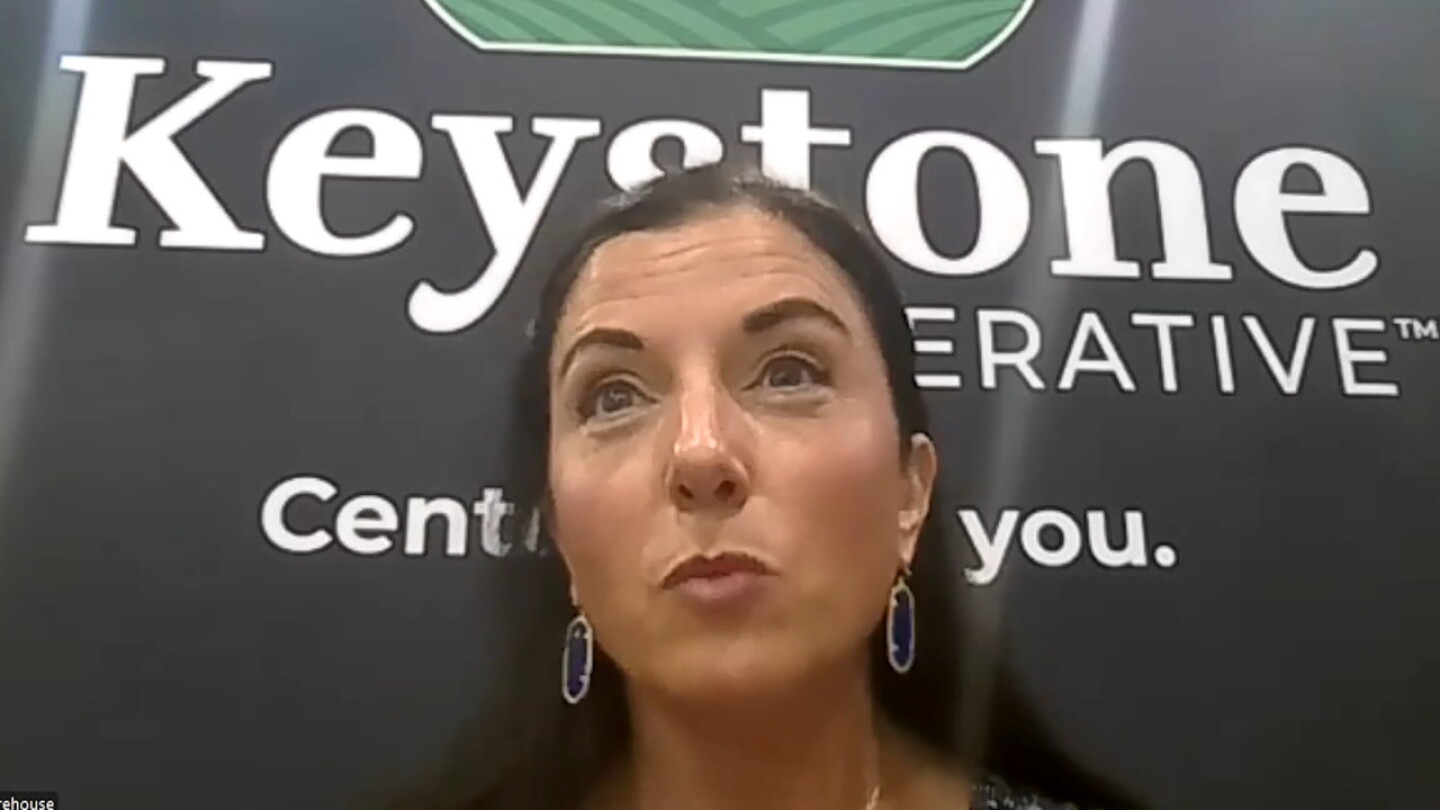
Controlling Bovine Respiratory Disease in Beef Cattle- by Dr. Fred Mansfield

Controlling bovine respiratory disease (BRD) in beef cattle requires a multifaceted preventative approach, emphasizing immune support and stress reduction. Implementing robust management practices is essential, including the use of comprehensive vaccination protocols targeting key respiratory pathogens such as IBR, BVDV, and BRSV—ideally administered before

stressful periods like weaning or transport. Early castration, dehorning, and branding should be performed well before weaning to reduce cumulative stress, and low-stress handling techniques, such as fence line weaning and gentle processing, play a crucial role in minimizing immune suppression.


A second pillar of BRD control is tailored management around high-risk events such as feedlot arrival. Metaphylactic antibiotic treatments may be warranted in high-risk groups, but their application should be balanced with responsible diagnostic criteria to avoid overuse and resistance. Monitoring cattle for early signs of disease, tracking health and performance metrics, and promptly isolating affected individuals helps contain outbreaks and minimize losses. Nutrition strategies that support immune function, such as supplementation with trace minerals, can bolster recovery rates and overall herd performance, yielding both economic and health benefits for producers. By integrating these practices, producers can effectively limit BRD-related morbidity and mortality while optimizing cattle growth and market readiness.


Contact the Veterinary Team at Windy Ridge Vet Clinic at 507-825-3336 with any questions about vaccination or treatment recommendations.

Crop Talk Crop Talk

Resource Report Resource Report

AGRI Livestock Investment Grant | Minnesota Department of Agriculture

The AGRI Livestock Investment Grant encourages long-term industry development for Minnesota livestock farmers and ranchers

launch mda.state.mn.us

Aggie Bond Beginning Farmer Loan Program | Minnesota Department of Agriculture

The Aggie Bond Loan Program is a federal bonding program administered by the State through its Rural Finance Authority.

launch mda.state.mn.us

Help for Minnesota Farmers to Buy their First Farm Returns | Minnesota Department of Agriculture

Minnesota farmers’ next chance for help buying their first farm has arrived, with the return of the Minnesota Department o

launch mda.state.mn.us

New Funding Available to Help Improve Minnesota’s Soil Health | Minnesota Department of Agriculture

Applications will open August 1 for the Minnesota Department of Agriculture’s (MDA) Soil Health Financial Assistance Progr

launch mda.state.mn.us

On the Horizon On the Horizon

Part 1 of the Beef Webinar Series 10/27/25 at 8 p.m Part 1 of the Beef Webinar Series 10/27/25 at 8 p.m

Strong markets, smart moves: Cattle edition

This two-part webinar series will address both the production and financial decisions facing cow-calf producers in today’s strong markets. The first session will highlight the physiological and economic impacts of preconditioning practices – and why they remain critical even when calf prices are high.

launch extension.umn.edu

Income Tax short course webinar

The 2-day Income Tax Short Course will give you the tools to maintain your business and stay on top of the latest tax legislation affecting tax returns for current and future years. Classes are fashioned for tax professionals working with individual and small business returns, including CPAs, enrolled agents, attorneys, and VITA volunteers.

launch extension.umn.edu

Part 2 of the Beef Webinar Series 11/3/25 @ 8 p.m Part 2 of the Beef Webinar Series 11/3/25 @ 8 p.m

Strong markets, smart moves: Cattle edition

This two-part webinar series will address both the production and financial decisions facing cow-calf producers in today’s strong markets. The first session will highlight the physiological and economic impacts of preconditioning practices – and why they remain critical even when calf prices are high.

launch extension.umn.edu

ANR Newsline ANR Newsline

Coping with Farm & Rural Stress | Minnesota Department of Agriculture

Phone: 833-600-2670Text: FARMSTRESS to 898211Email: farmstress@state.mn.us

launch mda.state.mn.us

Tax Acts and Estate Plans: What You Need to Know About the Changes for 2026

Taxes shouldn't drive a farm’s succession and estate plan, says Polly Dobbs, an estate planning and wealth transfer specialist. She shares what farmers need to know about changes made in the One Big Beautiful Bill.

launch agweb.com

Winter Is Coming: Farm Equipment Prep Pointers From an Oil and Fuels Expert

Whether you're putting away the combine until next fall or getting the tractor ready to plow snow, there are several preventative maintenance practices farm machinery experts recommend to get through the long winter.

launch agweb.com

Episode 317 - Emily’s Back! Farm Emergency Planning You’ll Actually Use - The UMN Extension's Moos Room | The Moos Room™ | Episode 318

Emily is back from medical leave (hooray!) and she and Brad dig into an essential topic for every operation: emergency planning. You can’t predict every detail, but you can make the first decisions easier when seconds count.What we cover:What an emergency plan is (and isn’t): a concise, written...

launch share.transistor.fm

How to keep birds fed and happy this winter

Minnesota winters are especially tough for birds. To keep birds healthy, offer foods high in fat and calories.

launch extension.umn.edu

© 2023 Regents of the University of Minnesota. All rights reserved. The University of Minnesota is an equal opportunity educator and employer.

Extension University of Minnesota
https://extension.umn.edu
Loading indicator

close
Powered by