

Smore logo
remove_red_eye 265
page background
page background

TFLC Coalition Grant Planning

For 2025-2027

TFLC CoalitionGrant Planning For 2025-2027
zoom_out_map
We are so grateful for your incredible dedication throughout the 2023-2025 grant year, and we’re thrilled to continue our important work together! As we look ahead to the next grant cycle beginning in July 2025, there’s still plenty to accomplish. This summary will highlight some of our key achievements during this cycle, offer a sneak peek at the workplan development process for the next one, and then give you the chance to share your valuable feedback and ideas as we start planning for 2025-2027. We can't wait to hear your thoughts and work together to shape the future!

TFLC Grant Workplan Development Process TFLC Grant Workplan Development Process

TFLC Grant Workplan Development Process

Tobacco Free Lancaster County (TFLC) develops the grant workplan based on guidelines from Tobacco Free Nebraska (TFN). Here’s a quick breakdown of the process:

https://tobaccofreelancastercounty.org/wp-content/uploads/2024/12/TFLC-Grant-Planning.gif

https://tobaccofreelancastercounty.org/wp-content/uploads/2024/12/TFLC-Grant-Planning.gif

launch tobaccofreelancastercounty.org

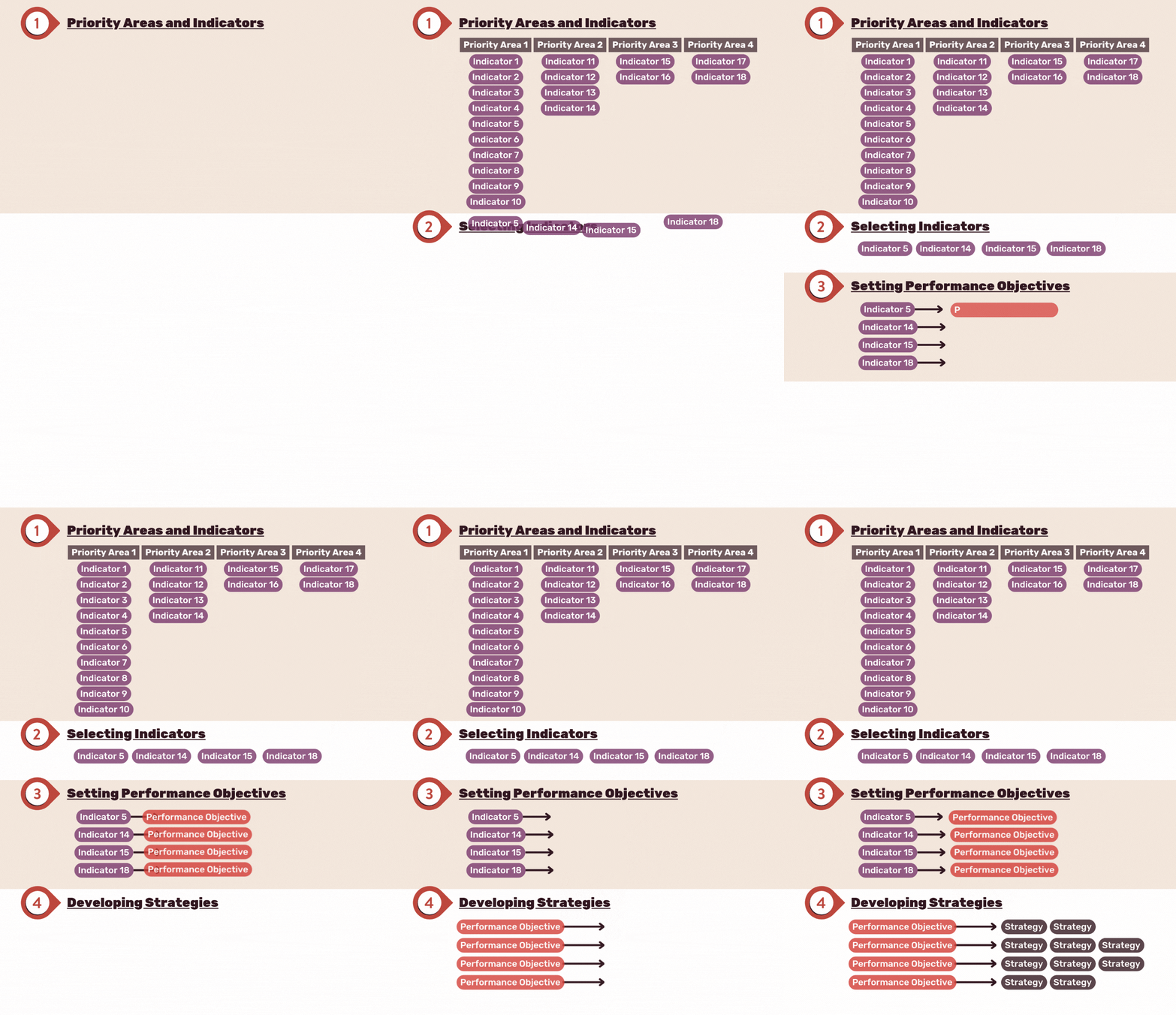
1. Priority Areas and Indicators
TFN has identified four priority areas for tobacco control across the state, guided by best practices. Each priority is supported by indicators that focus efforts and measure progress.


2. Selecting Indicators
TFLC coalition members will review the indicators and progress made during the 2023-2025 grant cycle. Feedback, collected through the survey below, will help determine whether to continue with current indicators, select new ones, or make other adjustments for the 2025-2027 grant cycle. Ultimately, this feedback will guide selection of the 4 to 6 indicators chosen for the upcoming grant period.


3. Setting Performance Objectives
For each selected indicator, the TFLC coalition will create a Performance Objective using the SMART goal framework. These objectives will clearly define how progress is to be measured.


4. Developing Strategies
With indicators and objectives in place, the coalition will outline strategies to achieve progress. Input from TFLC members, community partners, and stakeholders—gathered through surveys and meetings—will shape the opportunities, projects, plans, and partnerships that will advance tobacco prevention and education in our community for 2025-2027.

Example from 2023-2025 Workplan

Priority (from TFN): Eliminating Secondhand Smoke/Aerosol Exposure

Indicator (selected by TFLC): Smoke-free Multi-Unit Housing – Number of jurisdictions with smoke-free policies for individual units, balconies, and patios.


  • Performance Objective (developed by TFLC): Increase the number of smoke-free multi-unit housing units by 1,149 by June 30, 2025.
  • Strategy Examples (developed by TFLC):
    • Maintain and update the Smoke-Free Housing Registry
    • Develop a Smoke-Free Multi-Unit Housing Policy Toolkit for property owners

We Need Your Help! We Need Your Help!

🚨 Please have your responses in by Wednesday January 15th at 4pm! 🚨 🚨 Please have your responses in by Wednesday January 15th at 4pm! 🚨

We're currently in step 2 of the Workplan Development process, and we need your valuable input and feedback to help determine the indicators for the 2025-2027 grant cycle. Below the survey, you'll find a button linking to the TFN-provided goals and indicators, as well as summaries and key accomplishments from our 2023-2025 grant period. As you review, please consider which indicators and strategies align with your area of work or expertise. Your feedback is crucial in helping us prioritize next steps and make informed decisions about the direction of our efforts.
Complete the form below - or click the link here to open.
open_in_new
List of Indicators

Completed Work in 2023-2025 Completed Work in 2023-2025

Although some strategies are still in progress, here’s a brief overview of the four selected indicators for the 2023-2025 grant period, along with a few key accomplishments.
zoom_out_map

Smoke-Free Multi-Unit Housing

Progress on this indicator has been driven by strategies such as maintaining and updating the Smoke-Free Housing Registry, developing a toolkit, disseminating a PSA, outreach to multi-unit properties about adopting comprehensive smoke-free policies, and providing technical assistance and education. Efforts also included encouraging community-wide compliance with the Nebraska Clean Indoor Air Act (NCIAA) and the Lincoln Smoking Regulation Act (LSRA).


Key Accomplishments:

  • Added seven new properties to the Smoke-Free Housing Registry, representing 206 units.
  • Collaborated with the City of Lincoln Building Safety team and Health Department Epidemiology staff to clean and update registry data.
  • Planning spring roll out of toolkit with media.
zoom_out_map

Flavored Tobacco Restrictions

Progress on this indicator focused on strategies such as using Counter Tools data to educate communities and policymakers about the impact of flavored tobacco advertising and menthol products, conducting retailer assessments, and analyzing analytics to evaluate messaging effectiveness. Efforts also included increasing youth engagement, creating and disseminating educational materials, hosting educational events, and expanding the mirror cling campaign. Additional outreach targeted parents, teachers, and mentors to provide education on the health effects of flavored tobacco and vapor products.


Key Accomplishments:

  • Completed 290 retailer assessments in Lancaster County.

  • Reinstated the Youth Committee to enhance youth engagement and advocacy efforts.

  • Expanded the mirror cling campaign to 38 middle and high schools and two college campuses.

zoom_out_map

Cessation Referral Systems

Efforts in this area focused on improving cessation referral processes within healthcare, social service, and educational agencies. Strategies included collecting data on current referral systems, fostering partnerships to promote awareness of the link between tobacco use and mental health, and strengthening community collaborations to enhance cessation support.


Key Accomplishments:

  • Collected and began creating a database of healthcare, social service, and educational agencies.
  • Partnered with Region V and the Mental Health Association of Nebraska to increase awareness about the connection between mental health and tobacco use.
  • Developed a 14-day challenge app called ICU (I Challenge You and I See You), which was launched on-campus in partnership with the UNL Health Center and UNL Counseling and Psychological Services.
zoom_out_map

Cultural Competency

Efforts in this area focused on enhancing messaging to diverse communities, increasing coalition diversity, and building cultural competency among TFLC members. Strategies included analyzing communication analytics, providing culturally and linguistically appropriate materials, fostering partnerships with community organizations, and participating in cultural events. Outreach targeted specific populations, such as Hispanic/Latino youth and families, LGBTQ+ individuals, and other underserved groups, while promoting the Nebraska Tobacco Quitline and tobacco-free lifestyles.


  • Key Accomplishments:

    • Expanded coalition membership with representation from new and underrepresented social groups.
    • Co-hosted a Cultural Competency event with partners at El Centro de las Americas with 70+ attendees.
    • Provided cultural competency learning opportunities at bi-monthly meetings and in newsletters.
    • Participated in several community cultural events, increasing outreach and engagement.

Thank you for your input!! Thank you for your input!!

We will be reviewing the responses and preparing one more survey before we meet next! Watch your inbox! Have a safe and happy holiday season!

Tobacco Free Lancaster County Coalition
Loading indicator

close

Created with

Communicate quickly and effectively with interactive newsletters.

Smore empowers educators to connect with their community, streamline school communications,
and increase engagement.

Create a newsletter