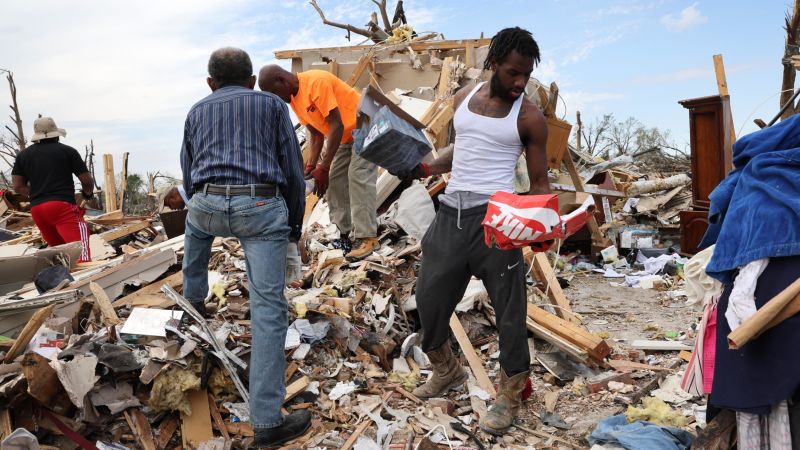
In recent years, the world has witnessed a significant rise in the frequency and intensity of natural disasters, pandemics, and other public health emergencies. As frontline healthcare professionals, nurses are uniquely positioned to respond to these crises, providing critical care and support in the midst of chaos. However, disaster preparedness is not just about responding in the moment—it is about planning ahead, anticipating challenges, and ensuring that no community is left behind, especially the most vulnerable.
Marginalized communities—including racial and ethnic minorities, low-income populations, immigrants, the elderly, and individuals with disabilities—are disproportionately affected by disasters. These groups often face systemic barriers that limit their access to healthcare, housing, transportation, and other essential resources. As a result, they are more likely to experience greater hardships during emergencies, from delayed medical treatment to increased rates of injury and mortality. Nurses must understand the unique needs of these communities and advocate for more equitable disaster preparedness strategies.
Disasters do not affect all people equally. The disparities in health outcomes and access to care become even more pronounced during crises. For example, during Hurricane Katrina, communities of color and low-income individuals were disproportionately impacted due to pre-existing inequalities in housing, healthcare, and infrastructure. Similarly, the COVID-19 pandemic highlighted the inequities faced by marginalized populations, with higher infection and death rates in Black, Latinx, and Indigenous communities due to underlying health disparities and limited access to healthcare.
Marginalized groups often lack the resources to evacuate during disasters, secure adequate housing, or access healthcare in a timely manner. Language barriers, cultural differences, and mistrust of the healthcare system can also prevent these individuals from seeking the care they need. For nurses, these challenges underscore the importance of integrating equity into every phase of disaster preparedness—from planning and mitigation to response and recovery.
Nurses are at the heart of healthcare systems, serving as advocates, educators, and caregivers. In the context of disaster preparedness, nurses have a unique role in ensuring that plans and policies are inclusive and address the needs of all populations, particularly marginalized communities.
One of the key roles nurses can play is advocating for the equitable distribution of resources during disasters. This includes ensuring that marginalized communities have access to essential services such as emergency shelters, healthcare, food, and clean water. Nurses can work with local and state governments to advocate for funding and resources that prioritize vulnerable populations.
Nurses play a crucial role in educating the public about disaster preparedness, particularly in marginalized communities. Many individuals in these communities may not be aware of how to prepare for a disaster or where to go for help. Nurses can lead community outreach efforts, providing education on emergency preparedness, the importance of having an emergency kit, and how to access services during a disaster.
Trust is a critical factor in ensuring that marginalized populations seek care and follow disaster response plans. Nurses, often seen as trusted professionals, can bridge the gap between healthcare systems and marginalized communities. By building relationships with these communities, nurses can help combat mistrust and ensure that individuals feel safe accessing healthcare and other services during a disaster.
Nurses should be involved in disaster planning committees at both the local and national levels to ensure that the voices of marginalized communities are heard. This means advocating for disaster response plans that are accessible to individuals with disabilities, translated into multiple languages, and culturally appropriate. Inclusive planning helps ensure that no group is left behind during an emergency.
As nurses take on leadership roles in disaster preparedness, there are several actionable steps that can be taken to protect marginalized communities, such as engaging with community leaders, conducting vulnerability assessments, advocating for policy changes, and developing inclusive training programs. Nurses can partner with local organizations, faith-based groups, and community leaders to better understand the needs of marginalized populations. These partnerships can help nurses tailor their disaster response efforts to meet the unique challenges faced by these communities. Nurses can play a key role in assessing the specific vulnerabilities of communities and individuals, such as health disparities, transportation challenges, and housing instability. These assessments are critical in informing disaster preparedness plans that are responsive to the needs of the most vulnerable. Nurses also have the power to advocate for policy changes at the local, state, and national levels that promote equity in disaster preparedness. This can include pushing for more funding for community health centers, improving access to healthcare for low-income populations, and ensuring that disaster response teams are trained in cultural competency. Nurses involved in disaster preparedness training can ensure that these programs emphasize cultural competence, equity, and inclusion. Disaster response teams should be trained to understand the diverse needs of marginalized populations and equipped with the skills to provide care in culturally sensitive ways.
Disaster preparedness is a critical responsibility for healthcare professionals, and nurses are uniquely positioned to lead efforts to protect the most vulnerable members of our society. By advocating for equity, providing culturally competent care, and engaging with marginalized communities, nurses can help ensure that disaster response efforts are inclusive and just. In doing so, we can build more resilient healthcare systems that are better prepared to serve everyone, especially those who are too often left behind during crises.
As we prepare for the next disaster, let us remember that preparedness is not just about survival—it is about ensuring that every person, regardless of their background or circumstances, has the opportunity to recover and rebuild.