


Who We Are & What We Do...
The Lapeer County Parent Advisory Committee (PAC) is a group of educators and parents representing our local school districts whose primary focus is to stay informed regarding Special Education plans and changes, current trends in Special Education at the County, State, and Federal level, and if needed, to assist and promote partnerships among parents and educators that benefit students with disabilities.
The PAC takes an active role in the development of the Lapeer County Special Education Mandatory Plan, a document which describes the delivery of special education services in Lapeer County. The PAC provides workshops and speakers from the county and Statewide programs which can richly serve not only the parents of children with special needs, but in many instances the individual with the disability.


What Is Personal Curriculum...
Personal Curriculum (PC)
The personal curriculum (PC) is a tool for modifying the rigor of the Michigan Merit Curriculum (MMC) by individualizing the state graduation requirements. The PC Team consists of the student, parent, school psychologist, counselor and/or teacher (who currently teaches the student or has expertise in the content being modified). Educational development plans (EDPs) are created in 7th grade and this “living document” is updated each year as the student moves through high school. Goals set in the PC should align with the student’s EDP. The PC and EDP should align with, but not be included in, the student’s IEP.


What it Means to be Neurodivergent
Neurodiversity draws attention to the many different ways in which humans think and behave. By understanding more about neurodiverse conditions, you can learn how to thrive in life no matter how your brain works.
What is neurodivergence?
Coined by Judy Singer in 1997, the concept of “neurodiversity” acknowledges the differences in the human brain. Instead of saying people with neurodevelopmental differences—such as autism, ADHD, or dyslexia—are “broken” or need to be “fixed,” neurodiversity accepts that natural differences occur. People think, learn, communicate, and process things differently, and there’s nothing amiss in that.
To fully understand neurodiversity, it helps to know two related terms: neurotypical and neurodivergent.
Neurotypical refers to a person whose brain functions and processes in what society would deem a “typical” or standard way. If you are neurotypical, you may find it easier to meet societal expectations. You may be able to navigate conversations without much thought, for example, or feel at ease in classrooms that use traditional learning methods. You likely don’t experience irregular sensory issues, and as a child, you probably met all the standard developmental milestones.
The experiences of a neurodivergent person can be very different. If you’re neurodivergent, your brain works in ways that other people may not expect. For example, you could feel intensely focused on a particular interest for long periods of time, or your communication style or sensory experiences may not quite match those of your peers. You might feel as if you need to “mask” your true self to fit in.
However, “different” doesn’t necessarily mean “bad” or “unhealthy.” In fact, some researchers argue that there’s no such thing as a “normal brain.” Learning to celebrate our differences can reduce societal prejudice. And learning to build on your strengths and shore up your weaknesses can be an empowering journey.
Types of neurodivergence
The term “neurodivergent” can be applied to a wide range of neurodevelopmental differences, including:
Autism (ASD)
Attention deficit hyperactivity disorder (ADHD)
Dyslexia and other learning differences
Sensory processing disorder
Tourette syndrome
Down syndrome
This is by no means an exhaustive list. Many other conditions may fall under the umbrella of neurodiversity.
Challenges faced if you’re neurodivergent
Many neurodivergent people get the sense that society isn’t designed for them. Everything from social interactions to classroom structure to workplace environments can leave you feeling uncomfortable, isolated, and underrepresented.
The importance of acceptance and inclusion
Fully embracing neurodiversity means moving beyond tolerance and moving toward acceptance and understanding. Both neurodivergence and neurotypicals have roles to play in this.
If you’re neurotypical, try to be curious and open to learning about how others experience the world. Be inclusive and empathetic. Look for ways to contribute to supportive environments in the workplace, in schools, and in society at large.
Find this full article at the link below from helpguide.org


What Is Bullying?
What Is Bullying
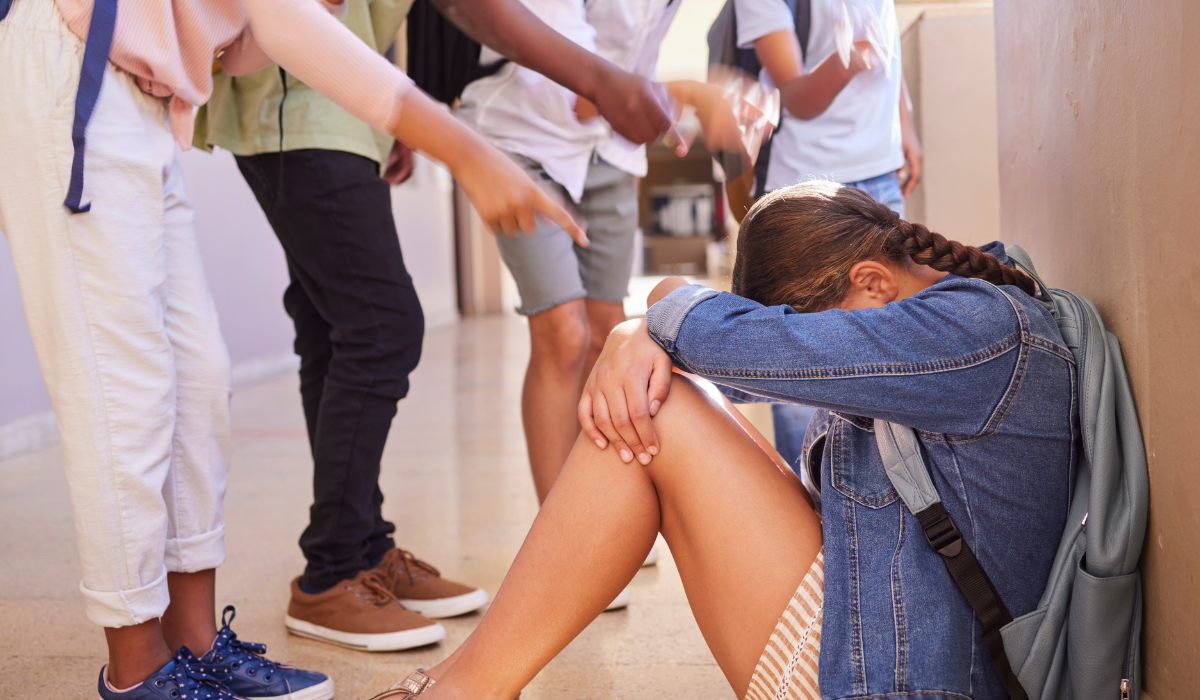
Bullying is unwanted, aggressive behavior among school aged children that involves a real or perceived power imbalance. The behavior is repeated, or has the potential to be repeated, over time. Both kids who are bullied and who bully others may have serious, lasting problems.
In order to be considered bullying, the behavior must be aggressive and include:
- An Imbalance of Power: Kids who bully use their power—such as physical strength, access to embarrassing information, or popularity—to control or harm others. Power imbalances can change over time and in different situations, even if they involve the same people.
- Repetition: Bullying behaviors happen more than once or have the potential to happen more than once.
Bullying includes actions such as making threats, spreading rumors, attacking someone physically or verbally, and excluding someone from a group on purpose.
Types of Bullying
There are three types of bullying:
- Verbal bullying is saying or writing mean things. Verbal bullying includes:
- Teasing
- Name-calling
- Inappropriate sexual comments
- Taunting
- Threatening to cause harm
- Social bullying, sometimes referred to as relational bullying, involves hurting someone’s reputation or relationships. Social bullying includes:
- Leaving someone out on purpose
- Telling other children not to be friends with someone
- Spreading rumors about someone
- Embarrassing someone in public
- Physical bullying involves hurting a person’s body or possessions. Physical bullying includes:
- Hitting/kicking/pinching
- Spitting
- Tripping/pushing
- Taking or breaking someone’s things
- Making mean or rude hand gestures




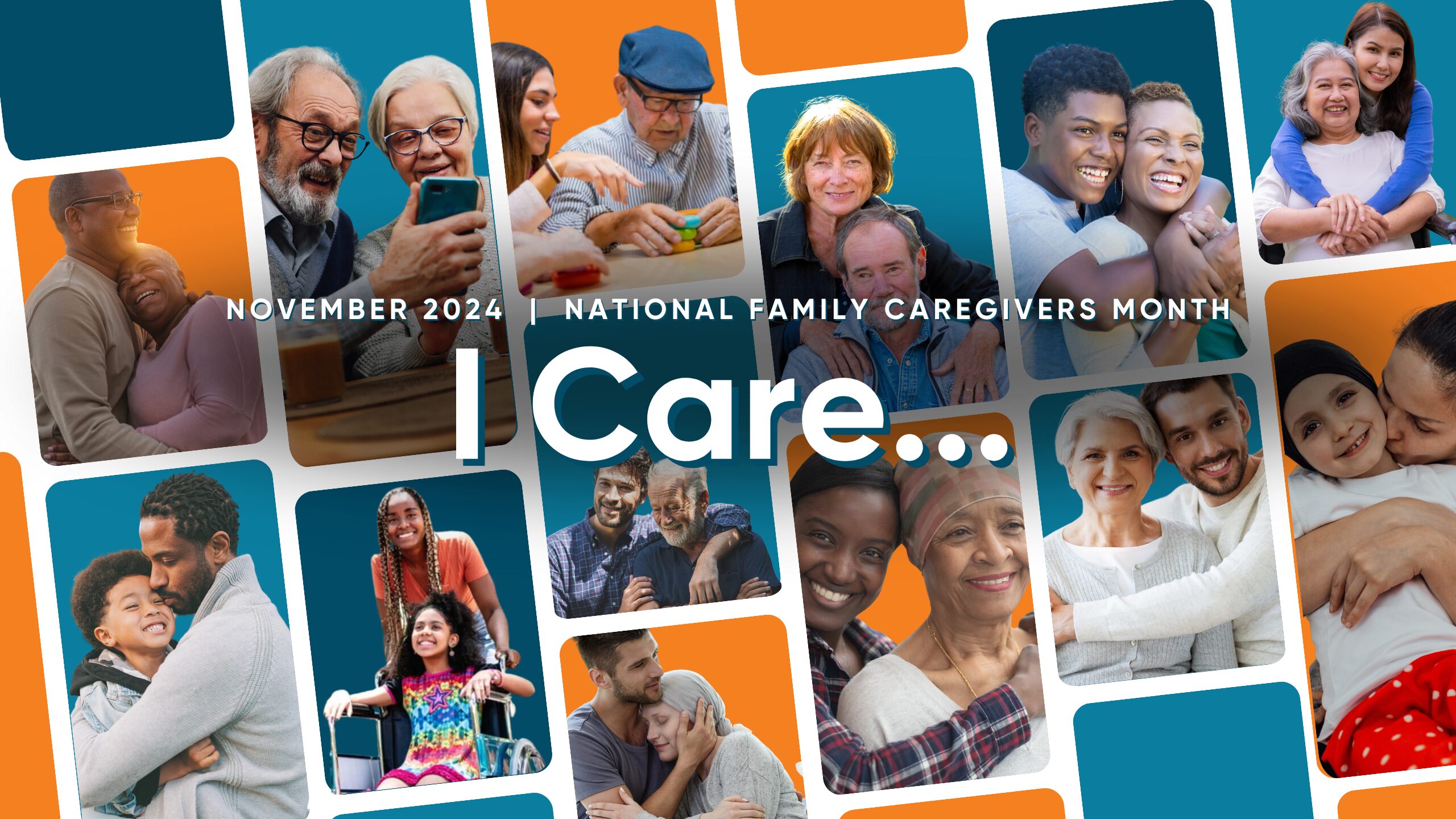

Resources to Help You During 2024 National Family Caregivers Month
Throughout 2024 National Family Caregivers Month, there are many free resources available to help you navigate your caregiving journey:
- Caregiver Help Desk – Access free, personalized support for your caregiving challenges.
- 10 Tips for Family Caregivers – Learn practical strategies for managing caregiving stress.
- Take Care of Your Mental Health – Use our free depression screener to monitor your emotional well-being.
- Connect with Other Family Caregivers – Join our Caregiver Action Network Community to share experiences and receive support.
- Share Your Caregiver Story – Inspire others by sharing your caregiving journey.
- Take Advantage of Resources from the I Care… Nonprofit Partners
During 2024 National Family Caregivers Month, we focus on empowering caregivers to self-identify and access the resources they need to succeed. Remember, you are not alone in this journey. With the proper support and tools, you can continue to provide care while taking care of yourself.
Caring for Someone with Developmental Disabilities

Transition Planning: Considerations for Students With Disabilities and Families
Transition Planning: Considerations for Students With Disabilities and Families There are many transitions that happen throughout the time children are in school. There are transitions from early childhood to preschool, preschool to kindergarten, elementary to middle school, middle school to high school, and transition for life after secondary education or high school. Planning for life after high school is called “post-secondary” transition planning. This is an important process and is a student with a disability’s legal right under the federal law, the Individuals with Disabilities Education Act (IDEA). While it is a legal requirement for schools to formally begin transition planning with students with disabilities by the time students turn 16 years old, planning earlier and even when children are very young can lead to greater self-advocacy, independence, and quality of life as adults. Schools and families can help students be more prepared for life after high school and improve their future outcomes by helping them increase their own expectations and improve their understanding of the importance of transition planning.


Upcoming MAF December Events
December 2024
December 3 Understanding Social Security Benefits
December 4 Section 504@School: What Parents Need to Know
December 5 Math for All: Supporting Your Child with Disabilities in Math
December 6 & 13 Behavior is Communication (two part webinar)
December 10 Instilling Disability Pride in Your Child
December 11 Disability is Not a Bad Word
December 11 Tools for Supported Decision-Making
December 12 Collaborative Communication in Special Education
December 16 Moving On from Early On
December 17 IEP: A Closer Look
December 18 Growing Up with Self-Determination
December 18 The Power of Connection

The Family Center for Children and Youth with Special Health Care Needs
Welcome to the Family Center for Children and Youth with Special Health Care Needs (Family Center)! The Family Center is the statewide parent-directed center within Children's Special Health Care Services (CSHCS) and the Michigan Department of Health and Human Services (MDHHS).
The Family Center offers emotional support, information, and connections to community-based resources to families of children and youth with special health care needs. This includes all children who have or are at an increased risk for: physical, developmental, behavioral, or emotional conditions. Children do not need to be enrolled in CSHCS to receive services from the Family Center.
The Family Center also provides parental perspectives and input on health care matters while focusing on families' access to coordinated systems of care. The Family Center works from a family-centered care approach and promotes family/professional partnerships at all levels of care. This ensures that families participate in the decision-making process and are satisfied with the services they receive.
How to reach us:
- Call the Family Center Direct Line at 517-241-7630
- Call the CSHCS Family Phone Line at 1-800-359-3722
- Send an email to: cshcsfc@michigan.gov
- Website
Services Include:
- Information and Referrals
- Support
- Family Phone Line
- Quarterly Newsletters
- Camp Scholarship Application and Verification Form
- Conference Scholarships
- Parent Mentor Trainings
- Bereavement Parent Mentor Trainings
- Connect families to community-based resources
- Support to Local Health Departments
- Family Leadership Network
- Trainings on CSHCS and the Family Center


Special Education Mediation Services Can Offer:
- Mediation provides a confidential setting for participants to explore options that meet your child’s needs. A neutral mediator supports a collaborative approach to finding a mutually agreeable solution.
- A meeting facilitator can manage special education meetings, so discussions are collaborative and everyone at the meeting has a chance to contribute ideas and provide feedback.
- On-site workshops and materials to strengthen communication and collaboration skills that support productive relationships.
Request for Services: https://www.mikids1st.org/request-services/
Phone: call 833-KIDS-1ST

Updates, Guidance, & Memos


LCISD Brings "Sunny Day Camp" To Lapeer
The Michigan State Police teamed up with Special Olympics Michigan, the Lapeer County Sheriff's Office , City of Lapeer Police Department and Lapeer County Intermediate School District for the first-ever Sunny Day Camp!
The Michigan State Police (MSP) Grants and Community Services Division and Lapeer Post partnered with Special Olympics Michigan, Lapeer County Sheriff’s Office, Lapeer Police Department and the Lapeer County Intermediate School District (ISD) to implement a new day-long program called Sunny Day Camp that brings together police officers and students with disabilities for a day of fun and mentorship.
It was a day full of smiles, laughter and new friendships as police officers and students with disabilities came together for some fun. Attendees participated various activities, including inflatables, a dunk tank, police displays, first aid training, a “Get Ready Get Safe” lesson, a dance party with shaved ice and a graduation ceremony.
Learn more about Sunny Day Camp at https://www.michigan.gov/.../state-police-hosts-its-first....


Fall Fun with Peers at North Branch High School
The Peer-to-Peer program at North Branch High School currently connects 15 students with IEPs with 40 of their peers throughout the school day. Students who sign up for the elective course complete online modules that teach them about a variety of disabilities and how to increase inclusion and acceptance both in and outside of school. Peers attend classes with their LINK and model and share appropriate social and academic skills.
Throughout the year the program puts on get-togethers to provide opportunities for LINKS and peers to increase their friendships. This helps LINKS increase social skills, increase their network of peer support, and provide fun school experiences.
This year we held a Fall festival. Schanks Farm donated pumpkins that students were able to carve, paint, or sticker together. Students played bingo, bag toss, and other festive games. Students shared a meal and a lot of laughs were had.
The Peer-to-peer program has been a beneficial program at NBHS for all students and participation continues to increase. Our students with IEP's look forward to getting a Peer for the semester and ask on day one who their peer is going to be. The program has brought a lot of joy to a lot of lives.


A Roller Coaster Ride To Neptune!
The BRIGHT and SHINE classrooms at the Lapeer County ISD Center were learning about Space this November for science. We prefaced the trip with talks about space vocabulary, planets, and astronauts. To take our learning further, we decided to take a trip to the Longway Planetarium in Flint, MI!
We invited all our parents to come with us and we had quite a few parents, siblings, and even grandparents come together for the trip! We arrived in the morning to learn about the astronomical signs and stars that were going to be in the sky that evening. After, we watched “Accidental Astronauts” and learned about the Earth, Moon, and Sun.
Lastly, we were able to participate in an amazing experience to ride in a roller coaster on Neptune! We all had a blast!! It was so much fun! Not only was it an amazing experience for students to learn more about space, but it was also an opportunity for parents to connect with other parents.


Special Needs Social Group
Lapeer Community Center is excited to introduce its first ever special needs program, Social Group! This program is for physically and/or mentally impaired individuals ranging from ages 13- adult. Every Wednesday there will be a Social Group activity. Examples include game night, crafts, karaoke night, gym time and much more. We will also have off site social group events, such as bowling, which will require your own transportation. Once a month on a Saturday night, a holiday or themed dance will also be planned.
Social Group is an atmosphere where everyone is ready to make new friends and have fun. A monthly calendar will be available listing each Social Group activity and will provide times, location and costs. Pre- registering for Social Group is strongly preferred, but not mandatory. Reserve your spot as soon as possible by going to Lapeerpr.recdesk.com and registering, or you can email or call Aubry Fredricksen, Afredricksen@ci.lapeer.mi.us, (810) 664-4431.
*Program Participants must sign a program participation agreement, which can be done online or at the front desk. This is a once a year document that is kept on file.


15 Stress-Reducing Holiday Tips for Families with Special Needs
Holiday time is a joyous time to spend with family, loved ones and friends. It is also a time to be thankful, give to others, exchange gifts, and wish for peace. In terms of my own special family, I look forward to all of the wonderful things that come with the holiday season. Having said that, the holiday season can be a difficult time due to changes to any of the following:
- Routine
- School programs
- Vacation
- Travel
- Visiting family and friends
- Attending functions
- Excruciating amounts of down time
- Too much noise, and lastly;
- Too much food
I have developed some coping mechanisms that help my own family survive the holiday season as unscathed as possible. It also affords my special family the enjoyment of the holiday season much more. Here are my tips:
1. Do Not Over-Schedule
2. Bring Your Own Food & Supplies to Gatherings
3. Offer to Buy Gifts
4. Try to Build in as Much Routine as Possible
5. Ask the School or Program for Activities You Can Work on At Home over Breaks
6. Take Two Cars
7. Plan Activities Where There is No Expectation that Your Special Needs Loved One Has to Behave
9. Avoid Crowds
10. Use the Time with Family to Discuss Plans for the Future
11. Keep Calm
12. Don’t be Afraid to Say No
13. Take Time for Yourself
14. Keep Expectations Reasonable
15. Count Your Blessings
Happy Holidays!
WRITTEN ON October 29, 2017 BY:

Autism Alliance of Michigan
About Us
Autism Alliance of Michigan was founded with the vision that people with autism will lead lives that meet their greatest potential. We lead efforts to raise expectations and expand opportunities for people touched by autism across the lifespan.
Your Perspective is Powerful!
Diversity, equity and inclusion are more than words, they are the principles guiding how we build our community. Autism Alliance of Michigan is working towards a more accepting future for all people by cultivating a world rich in diverse abilities, talents and ideas.


Parent Guidance
At Parent Guidance.org there are FREE resources to help parents who might be concerned about their child.
- Mental Health Online Series on various topics, such as:
- Behavior
- Anxiety & Depression
- Bullying
- Child Development
- Grief and Loss
- Parent Support
- Self Help
- Suicide Prevention
- Technology
- Parent Coaching with:
- A dedicated coach
- Anytime Messaging
- Weekly Video Calls
- Self-Guided Learning
- Progress Tracking
- Mood Tracking
- Weekly Growth Sessions on Deep Dive Topics
- Ask A Therapist
- View & Submit Questions to a Therapist
- Get Help
- With Text and Call Lines

How to navigate raising a 17-year old boy who is autistic and can be difficult?

How can I help my son with ADHD regulate his emotions?

How can I help my child work through their anger effectively?


Lapeer County Intermediate School District
Happy Holidays! 🍁⛄
Email: tfrakes@lapeerisd.org
Website: https://www.lapeerisd.org/
Phone: 810-664-1124