
Spring into the P.R.C.
April 2026

Autism Awareness Month
What is autism?
Autism, or autism spectrum disorder (ASD), refers to a broad range of conditions characterized by challenges with social skills, repetitive behaviors, speech and nonverbal communication. According to the Centers for Disease Control, autism affects an estimated 1 in 36 children and 1 in 45 adults in the United States today.
We know that there is not one type of autism, but many.
Autism looks different for everyone, and each person with autism has a distinct set of strengths and challenges. Some autistic people can speak, while others are nonverbal or minimally verbal and communicate in other ways. Some have intellectual disabilities, while some do not. Some require significant support in their daily lives, while others need less support and, in some cases, live entirely independently.
On average, autism is diagnosed around age 5 in the U.S., with signs appearing by age 2 or 3. Current diagnostic guidelines in the DSM-5-TR break down the ASD diagnosis into three levels based on the amount of support a person might need: level 1, level 2, and level 3.
Many people with autism experience other medical, behavioral or mental health issues that affect their quality of life.
Among the most common co-occurring conditions are:
- attention-deficit/hyperactivity disorder (ADHD)
- anxiety and depression
- gastrointestinal (GI) disorders
- seizures and sleep disorders
Anybody can be autistic, regardless of sex, age, race or ethnicity. However, research from the CDC says that boys get diagnosed with autism four times more often than girls. According to the DSM-5-TR, the diagnostic manual for ASD, autism may look different in girls and boys. Girls may have more subtle presentation of symptoms, fewer social and communication challenges, and fewer repetitive behaviors. Their symptoms may go unrecognized by doctors, often leading to underdiagnosis or misdiagnosis. Getting a diagnosis is also harder for autistic adults, who often learn to “mask”, or hide, their autism symptoms.
Autism is a lifelong condition, and an autistic person’s needs, strengths and challenges may change over time. As they transition through life stages, they may need different types of support and accommodations. Early intervention and therapies can make a big difference in a person’s skills and outcomes later in life.
Screen your child: The Modified Checklist for Autism in Toddlers, Revised (M-CHAT-R) is a screener that will ask a series of 20 questions about your child’s behavior. It's intended for toddlers between 16 and 30 months of age. The results will let you know if a further evaluation may be needed. You can use the results of the screener to discuss any concerns that you may have with your child’s healthcare provider.
https://www.autismspeaks.org/screen-your-child
Contact the Autism Response Team
Autism Speaks' Autism Response Team can help you with information, resources and opportunities.
- In English: 888-288-4762 | help@autismspeaks.org
- En Español: 888-772-9050 | ayuda@autismspeaks.org
For more information: https://www.autismspeaks.org/what-autism
Did you know?
Every April, we celebrate Autism Awareness Month—a time to learn, grow, and show love to individuals on the autism spectrum. It’s not just about awareness… it’s about acceptance, inclusion, and celebrating differences.
🧠 Autism is a Spectrum—And That’s a Beautiful Thing
No two people with autism are the same. Some may:
- Love routines and structure 📅
- Be sensitive to sounds, lights, or textures 🎧
- Communicate in unique ways 💬
- Have incredible focus, creativity, or memory 🌟
Different doesn’t mean less—it means unique.
🎨 Fun Ways to Celebrate Autism Awareness Month
💙 1. Wear Blue (or Rainbow!)
Show your support by rocking blue or colorful puzzle-themed outfits!
🧩 2. Create Sensory Play Activities
Think:
- Kinetic sand
- Water beads
- Playdough
- Calm-down bottles
These are fun AND help with regulation!
📚 3. Read Inclusive Books
Stories that celebrate differences help kids understand kindness and empathy early.
🎶 4. Host a “Kindness Party”
Play music, dance, and practice being a good friend—taking turns, sharing, and listening.
🖍️ 5. Coloring & Crafts
Make puzzle-piece art or decorate hearts with words like kind, patient, brave, and loved.
💡 Did You Know?
- Autism affects how a person communicates, interacts, and experiences the world.
- Many individuals with autism have special strengths and talents.
- Early support and understanding can make a HUGE difference!
🤝 How You Can Make a Difference
- Be patient and kind 💛
- Include everyone in play and conversations
- Learn before you judge
- Teach your kids about acceptance, not just awareness
💬 A Message That Matters
“In a world where you can be anything… be kind.”
Autism Awareness Month reminds us that every brain is different—and every person deserves to feel seen, heard, and valued.
Shout out to all of the Volunteers
Dyslexia Handbook
Deaf & Hard of Hearing
Shout Out!
- San Jacinto & Anderson for hosting campus Snack & Chats
- Tri-County Montgomery County Community Resource Coordination Group &
- Family & Community Coalition of East TX Chamber of Commerce for collaborating with PRC
- TEAM Abilities for allowing the PRC to participate in their Career Fair April 9, 2026
Coloring Contest
NO PURCHASE NECESSARY TO ENTER OR WIN.
The contest is open to all school-age children in the Conroe ISD School District.
The contest begins on April 1, 2026, and ends on April 30, 2026
Download the color sheet, create a masterpiece, and
Submit your entry via email to parentresourcecenter@conroeisd.net
Entry must include the student's full name, and campus.
Limit one (1) entry per student.
The Parent Resource Center will select a winner to receive a special gift on May 1, 2026, and a feature in the PRC newsletter.
March Coloring Contest Winner
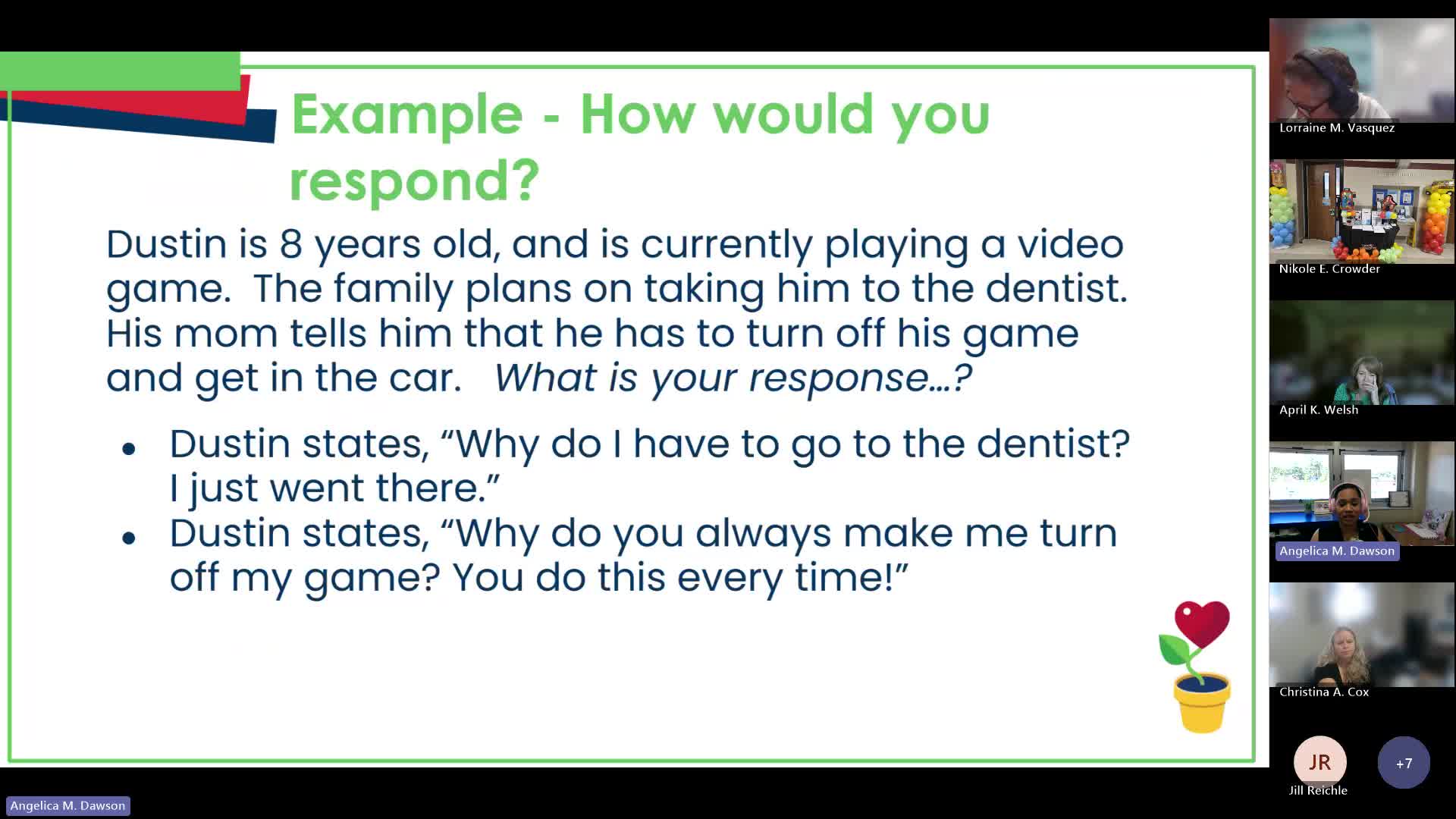
Setting Boundaries & Establishing Expectations at Home
Connective Texas
Project Mentor
Parent-Directed Special Education Services (PDSES)
Join our PRC REMIND Group
Upcoming Events: Save the Date & Register
Event Information
RSVPs are enabled for this event.
Behavior Support Resources
Youth Crisis Outreach
Residential Options
Special Olympics Competition Calendar
Are you on the list?
Parent Resource Network
SSI Information
Resources To Assist Youth With the Transition To A Successful Adulthood | The Red Book | SSA
SSI for Children | Supplemental Security Income (SSI) | SSA
Publications:
- 05-10023 - Social Security Numbers for Children
- 05-10514 - U.S. Citizen/Child — Replacement Social Security Card
- 05-10085 - Benefits for Children
- 05-10026 - Benefits For Children With Disabilities
- 05-11005 - What You Need To Know About Your Supplemental Security Income (SSI) When You Turn 18
Popular Publication:
List of Resources
Lone Star College lifePATH Fall 2026 Admission Application
The application deadline for Fall 2026 is May 22
TriCounty Behavioral Healthcare
Facts about Guardianship
Guardianship is a legal process where a court appoints a person (guardian) to make decisions for another person (ward) who cannot make certain decisions independently.
Types of Guardianship
-
Full Guardianship – Guardian has authority over personal, medical, and financial decisions.
-
Limited Guardianship – Guardian only makes decisions in specific areas.
-
Temporary or Emergency Guardianship – Granted for a short period in urgent situations.
Who May Need Guardianship?
-
Children under 18 without parents, adults with intellectual or developmental disabilities, or elderly individuals who are incapacitated.
Court Oversight
-
Guardians are accountable to the court and may need to file reports on the ward’s well-being and finances.
Alternatives to Guardianship
-
Supported decision-making, powers of attorney, or healthcare proxies may provide more independence than full guardianship.
Rights of the Ward
-
Individuals under guardianship retain certain rights unless specifically removed by the court.
Guardian’s Responsibilities
-
Duties may include managing healthcare, housing, education, finances, and daily living needs.
State Laws Vary
-
Guardianship rules and procedures differ by state, so local legal guidance is essential.
-
Lone Star Clinics
Support Services for Families
PRC Parent Training Webinars
Subscribe to CPG Youtube channel for more resources
De-Escalation Tips and Strategies
Social Stories
Meet your Parent Liaisons
Hi, my name is Nikole Crowder. I am the Parent Liaison at the Parent Resource Center for Conroe ISD. I graduated from the University of Phoenix in 2012 with my Master’s Degree in Business Administration. I am currently working on my Doctorate in Educational Leadership. This is my 4th year with Conroe ISD. I have 8 years of SPED experience and over 20 years of Early Childhood Development experience. I am passionate about Special Education and assisting families with the resources and support they need for their children. I look forward to assisting not only families but my fellow Conroe ISD faculty members in any way I possibly can. We are a team and my top priority is providing support for the students. Please view my contact information below and if there is anything I can assist you with I am happy to help.
Nikole Crowder, MBA
Prof Sp Ed/Parent Liaison
Special Education
Conroe Independent School District
936-709-8209
parentresourcecenter@conroeisd.net
Hello! My name is Aurora Vazquez, and I am honored to serve as your Bilingual Parent Liaison and Spanish Interpreter at Conroe ISD. I was born and raised in Mexico City before moving to Texas in 2000. Since beginning my journey in education in 2004, it has truly become my passion.
Over the years, I’ve held a variety of roles that have helped me build valuable experience, which I’m excited to share with you and your family. I’ve been part of the Conroe ISD community since 2014, and I feel incredibly thankful to belong to such a wonderful district.
Please don't hesitate to reach out with any questions or if you need support—I'm here for you and happy to help in any way I can.
Aurora Vazquez
Para Parent Resource Center Asst/Sped Interpreter
Special Education
Conroe Independent School District
(936) 709-8171
parentresourcecenter@conroeisd.net
-----------------------------------------------------------------------------------------------------------------------------------------------------
The Conroe Independent School District (District) as an equal opportunity educational provider and employer does not discriminate on the basis of race, color, national origin, sex, religion, age, or disability in educational programs or activities that it operates or in employment matters. The District is required by Title VI and Title VII of the Civil Rights Act of 1964, as amended, Title IX of the Education Amendments of 1972, the Age Discrimination Act of 1975, as amended, Section 504 of the Rehabilitation Act of 1973, the Americans with Disabilities Act, as well as Board policy not to discriminate in such a manner.
For information about Title IX rights or Section 504/ADA rights, contact the Title IX Coordinator or the Section 504/ADA coordinator at 3205 W. Davis, Conroe, TX 77304; (936) 709-7752.
The resources shared in this newsletter are for informational purposes only and do not constitute approval by the Parent Resource Center, Conroe ISD.