Spooky Season ~Aussie Style~
From Halloween to Global Remembrance
Dear KOI Community Members,
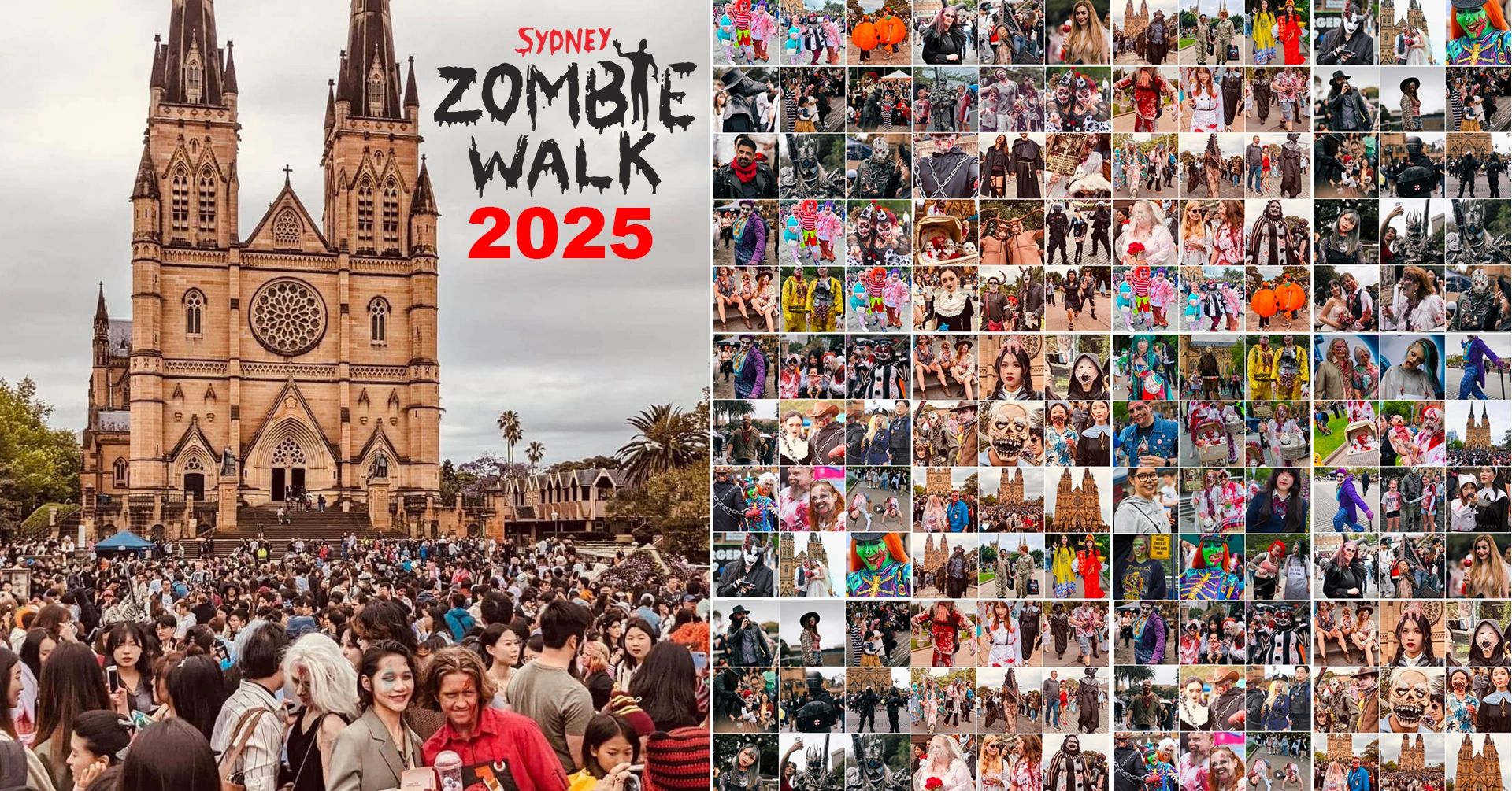
As the nights grow longer and orange pumpkins appear on doorsteps, we’re reminded that the season is upon us — time for frightful fun, reflection and community. In this edition of our e-newsletter, we’ll explore how Halloween is celebrated here in Australia, trace the ancient origins of the festival, look at how various cultures mark death and remembrance around the world, and finally highlight some of the most iconic Halloween-happenings right here in Sydney.
Halloween in Australia
Although Halloween (31 October) is often thought of as an American export, it has taken on its own flavour down under. According to research from University of Sydney, in Australia the holiday has evolved from imported roots into a uniquely local phenomenon.
Crazy costumes and lollies. What’s not to love about Halloween? Yet Australians are still divided about the celebration, with most of us pointing to Halloween as further evidence we are becoming “Americanised’ en route to becoming ‘The 51st State.'
But for the Aussies that do indulge in Halloween fun, there are a few uniquely Australian Halloween traditions that have been slowly boiling over the years. Families & children’s events have become popular: pumpkin carving, costume parties, themed high teas, and immersive Halloween experiences.
Orange Balloons
Some households signal their participation with orange balloons tied to letterboxes – a local adaptation.
Buckets and Bowls
Why it matters?
For us as a multicultural college community (including many international students far from home), Halloween can be a fun way to connect with local culture, dress up, meet new friends, and step outside your comfort zone. At the same time, it’s worth being sensitive to cultural and personal comfort around themes of death and the supernatural.
The Origin Story of Halloween
The holiday known today as Halloween has its roots more than 2,000 years ago in the Celtic festival of Samhain (pronounced “sow-in”), celebrated by the Celts in what is now Ireland, Scotland and northern France. It marked the end of the harvest season, the beginning of winter, and a time when the boundary between the living and the dead was believed to be thinner.
When the Romans conquered Celtic lands they merged some of their own festivals (such as Feralia — a day to honour the dead) with Samhain traditions. Around the 8th century the Christian church established All Saints’ Day on 1 November (the day after 31 October). The evening before became “All Hallows’ Eve” and eventually Halloween
Many of our familiar customs (costumes, carved lanterns, trick-or-treating) have evolved from the idea of warding off roaming spirits, offering hospitality to the dead, and celebrating the transition from autumn to winter.
In short, Halloween brings together themes of death, spirits, harvest and the shift of seasons — which may partially explain why it resonates in so many places today.
How Different Cultures View Death & Remembrance
We often think of skulls and skeletons when we think of Halloween—but many cultures around the world mark death, ancestors and the after-life through their own unique festivals. Here are a few:
a) El Día de Muertos (Mexico)
Literally “Day of the Dead”, this Mexican festival (observed around 31 October to 2 November) is a vibrant and colourful celebration where families remember and honour deceased loved ones.
Altars called ofrendas are made with favourite foods of the deceased, marigold petals, candles, photographs and sugar-skulls. These honour the memory of the departed and invite their spirits to visit.
The underlying attitude: death is not just to be feared, but to be acknowledged, honoured, and integrated into family and community life.
b) Qingming Festival / Tomb Sweeping Day (China & Chinese diaspora)
Also called the Clear & Bright Festival, typically observed 4–6 April in China (and among Chinese communities abroad). It is a time for families to visit ancestral graves, sweep tombs, repaint inscriptions, and offer food and incense.
The festival emphasises filial duty, remembrance, and an inter-generational link. It also includes spring-outings and renewal of the living.
Here, death and memory are integrated into the rhythm of life and the seasons — the festival honours ancestors while acknowledging the ongoing life cycle.
c) Avalambana (Buddhist tradition in some parts of Asia)
In some Buddhist traditions (especially in South Asia), the festival of Avalambana marks the end of the monks’ rainy retreat (Vassa) and is a time when offerings are made to the spirits of ancestors and departed souls.
It reflects the Buddhist view that life is impermanent, and that actions (karma) connect the living and the deceased in meaningful ways.
The focus is on merit-making, remembrance and compassion for those who have passed.
d) Hungry Ghost Festival (Chinese, Southeast Asia)
In this festival (typically 15th day of 7th lunar month), it is believed that the gates of the underworld open and wandering spirits roam. The living offer food, joss paper, and performances to appease them.
Unlike Qingming (where the living visit the dead), here the dead are said to visit the living. Remembrance turns into hospitality of a different kind.
These reflections help us appreciate how death, remembrance and the supernatural are treated in different cultural and religious traditions. For many international students, one or more of these festivals may resonate. In our context, recognising these connections fosters empathy and broadened understanding — and adds depth to our Halloween festivities beyond costumes and candy.
ALERT: 🚫
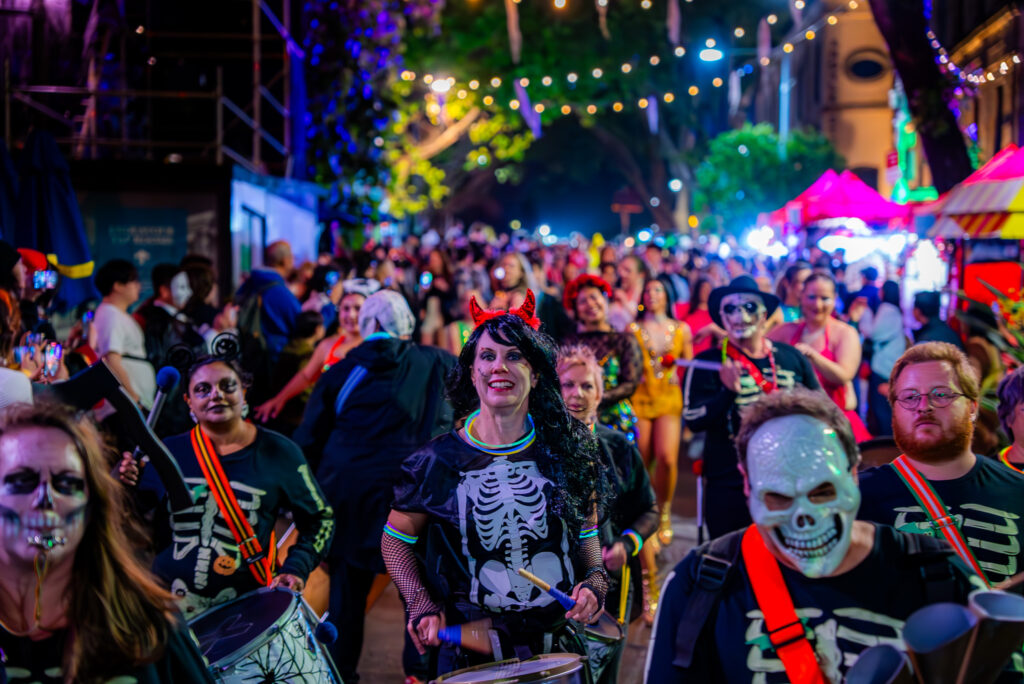
A range of parties and themed nights across Sydney
Tips for attending
-
Book ahead for ticketed events, especially the haunted ones.
-
For trick-or-treating and family fun: plan early, daylight starts are more common here.
-
Respect local community and housing: not all households opt in for trick-or-treat, so check street participation.
-
For international students: use the opportunity to join in, connect with local friends, dress up and share your own cultural spin if you like.
How You Can Get Involved
Event Information
Come to visit KOI Wynyard Green Campus - Level 9 Student Lounge Area.
- 12:30 PM to 1:30 PM - Food and Drink
- 1:30 PM to 4 PM - Face Paining & Dress Up Support
- 4 PM to 5 PM - Ghost in the Rocks Guided Tour
- 5 PM to 8:30 PM - You can enjoy your time with some new friends ~
Do you want to join?
Four Quick Links 💀
🕷 Fun crafts with stuff you really do have around the house
🍪 A quick and easy recipe for green monster sprinkle cookies
🎶 A clean, fun Halloween-themed playlist
We hope this newsletter helps you lean into the spooky season with insight, fun and respect for the many cultural lenses that view life and death in meaningful ways. Stay safe, get creative, and if you’re in Sydney, pick an event above and have a memorable night!