WB February Inclusive
Acknowledgements and Recognitions
Celebrations and Recognitions
MONTHLY
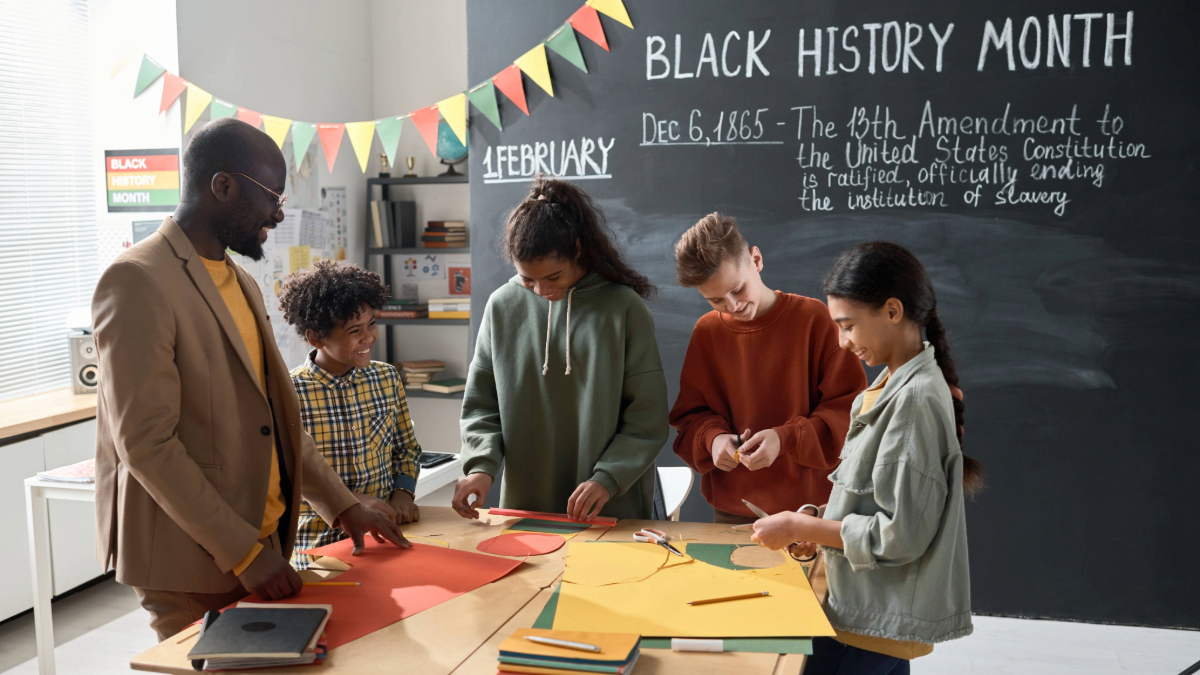
Black History Month – celebrated in February in both the United States and Canada, initiated by Carter G. Woodson through the establishment of the Association for the Study of Negro Life and History. This tradition began in 1926 with the creation of Negro History Week, which later expanded into a month-long observance. Since 1976, February has been officially designated by the federal government to honor and commemorate the significant contributions made by individuals of the African diaspora. 2025 Theme: African Americans and Labor
Heart Health Month – dedicated to raising awareness about cardiovascular health and promoting strategies for a healthy heart. Throughout the month, individuals are encouraged to adopt heart-healthy habits such as regular exercise, a balanced diet, managing stress, and avoiding tobacco use. Educational campaigns and events aim to empower people with knowledge about heart disease prevention and management, emphasizing the importance of early detection and timely interventions.
WEEKLY:
February 1-7: International Interfaith Harmony Week – aims to enhance the principles of peace among all nations and peoples, fostering unity and understanding across different faiths. It was officially launched by the United Nations in 2011.
February 9-15: Random Acts of Kindness Week – observed during the week of February 17th, urges individuals to prioritize kindness and spread it in all aspects of their lives. This initiative recognizes the universal need for kindness and aims to enhance schools, workplaces, families, and society as a whole through acts of kindness.
February 10: Safer Internet – held every February on the second day of the second week. It began as an initiative of the EU SafeBorders project in 2004 and is now celebrated in about 180 countries and territories. It focuses on emerging online issues and safety concerns for young people, teachers, and families, such as digital identity, privacy, cyberbullying, and more.
DAILY:
February 1: National Freedom Day – celebrated on February 1st to mark freedom from slavery and to honor America as a symbol of liberty. This day commemorates Abraham Lincoln's signing of a resolution that led to the 13th Amendment, which abolished slavery, on February 1, 1865. This day serves as a reminder of the progress towards freedom for all.
February 2: Ground Hog Day – a traditional event celebrated in parts of the United States and Canada on February 2nd. According to folklore, if a groundhog emerges from its burrow on this day and sees its shadow, there will be six more weeks of winter. However, if it doesn't see its shadow, it will stay outside, signaling an early spring.
February 4: Rosa Parks Day – commemorates the courageous act of the American Civil Rights icon who on December 1st, refused to give up her seat to a white passenger on a Montgomery, Alabama city bus. Some states also observe Rosa Parks Day on February 4th, her birthday, or the first Monday after her birthday, such as February 5th in 2024. Officially recognized in several states including California, Ohio, Alabama, Missouri, Oregon, and Tennessee, there have been calls to establish Rosa Parks Day as a federal holiday to standardize its observance nationwide.
February 4: World Cancer Day – a global initiative by UICC to promote awareness, prevention, and treatment, bringing communities together to reduce the burden of cancer.
February 7: National Wear Red Day – an annual event observed on the first Friday of February as part of American Heart Month. This day is dedicated to raising awareness about heart disease, particularly in women, and promoting heart health. Participants are encouraged to wear red clothing or accessories to show their support for the fight against heart disease and stroke, which are leading causes of death worldwide. National Wear Red Day serves as a reminder of the importance of taking proactive steps to prevent heart disease and promote cardiovascular wellness.
(January 29 through) February 12: Chinese New Year (Year of the Wood Snake) – also known as Lunar New Year or Spring Festival, is the most important traditional festival in Chinese culture. It marks the beginning of the new lunar year according to the Chinese calendar, which usually falls between late January and mid-February.
February 11: International Day of Women & Girls in Science – a United Nations designated day that aims to promote full and equal access to and participation in science for women and girls. This day highlights the importance of gender equality in the field of science and aims to challenge stereotypes and biases that hinder women's and girls' progress in these areas.
February 14: Valentine’s Day – a day dedicated to expressing love and affection, often through the exchange of cards, gifts, and romantic gestures. It originated as a Christian feast day honoring one or more early Christian martyrs named Saint Valentine and has since evolved into a cultural and commercial celebration of love in many parts of the world.
February 15: Parinirvana Day (Nirvana Day) – a Buddhist holiday commemorating the death of Gautama Buddha, the founder of Buddhism, and his attainment of Pari nirvana, which is the final nirvana. It's a solemn occasion marked with reverence and contemplation of the nature of existence and liberation in Buddhism.
February 17: Presidents' Day – in the United States, is a holiday observed on the third Monday in February. It is widely acknowledged as a tribute to George Washington and Abraham Lincoln, and it is occasionally interpreted as a celebration encompassing the birthdays and legacies of all U.S. Presidents.
February 20: World Day of Social Justice – a global observance that acknowledges the importance of advancing social justice. This entails addressing various challenges such as poverty, exclusion, gender inequality, unemployment, human rights violations, and the provision of social protections.
February 21: International Mother Language Day – highlights the importance of linguistic diversity and mother languages in cultural preservation and sustainable development. Established by UNESCO in 1999, it gained UN recognition in 2002, encouraging global efforts to protect all languages.
February 28 - March 29: (Sundown to sundown) Ramadan, an Islamic holiday marked by fasting, praise, prayer, and devotion to Islam

Culturally Responsive Reads
Honoring Black History: Black Labor, Historical Memory &, Inclusive Education
As we celebrate Black History Month, this year’s focus on Black labor presents an opportunity to deepen our understanding of the critical role Black Americans have played in shaping our nation. From the fields of the Deep South to the factory floors of industrial America, Black workers have driven economic and social change, often against tremendous adversity.
In recognition of this legacy, Troy School District is proud to develop a transformative professional learning initiative designed to empower educators with the tools to teach a fuller, more inclusive and local history. Over 40 teachers and district employees will immerse themselves in expert lecture from historian Professor Karen Miller (Oakland University) and Professor of Education Noreen Rodriguez (Michigan State) over three days in June (16-18).
During the war, Black workers were integral to Detroit’s production of tanks, aircraft, and other war materials, yet they faced segregation, labor strikes, and racial violence. The Double Victory campaign—a fight for victory abroad and racial equality at home—embodied the struggle for full citizenship. However, these essential stories are often absent from current curricula. Through this professional learning program, educators will explore these narratives, engage with local history, and develop inquiry-based lessons that bring these stories to life for students.
By ensuring our classrooms reflect a more comprehensive and just history, we honor the labor and resilience of Black Americans while fostering a more inclusive future for all students.
CURATED MATERIALS FROM OAKLAND SCHOOLS
Black History Month Virtual Library
Oakland Schools African American Read In
Black history Month Celebrations in Oakland and Wayne County
RAMADAN
Ramadan is a sacred month in Islam, observed by millions of Muslims worldwide, including a growing and diverse Muslim community in the United States. It is a time of fasting from dawn to sunset, deep spiritual reflection, increased charity, and community connection. In today’s American culture, Ramadan holds profound significance as it holds interfaith understanding, highlights the nation’s rich cultural diversity, and promotes values of self-discipline, gratitude, and compassion. As workplaces, schools, and communities become more inclusive, recognizing and respecting Ramadan strengthens social unity and allows for meaningful conversations about faith, identity, and shared human values. Embracing this holy month in American society not only enriches cultural awareness but also reinforces the importance of respect, inclusion, and the celebration of diverse traditions.
Ramadan is considered one of the holiest months of the year for Muslims. In Ramadan, Muslims commemorate the revelation of the Qur’an, and fast from food and drink during the sunlit hours as a means of drawing closer to God and cultivating discipline, appreciation, and empathy for those less fortunate. Ramadan is a month of intense spiritual rejuvenation with a heightened focus on devotion, during which Muslims spend extra time reading the Qur’an and performing special prayers.
When does Ramadan take place?
Ramadan is the 9th month of the Islamic calendar, which is based on a 12-month lunar year of approximately 354 days. Because the lunar year is 11 days shorter than the solar year, each lunar month moves 11 days earlier each year. It takes 33 solar years for the lunar months to complete a full cycle and return to the same season.
The Length and Purpose of Fasting
Muslims fast from pre-dawn to sunset, a fast of between 11-16 hours depending on the time of year for a period of 29-30 days. Muslims welcome Ramadan as an opportunity for self-reflection and spiritual improvement, and as a means to grow in moral excellence. Ramadan is also a highly social time as Muslims invite each other to breakfast together and meet for prayers at the mosque.
Family Routines
A Muslim family usually rises before dawn and eats a modest, breakfast-like meal called suhur. After the meal, the family performs the morning prayer, and depending on the circumstances, goes back to bed or begins the day. At sunset, family members break the fast with a few dates and water, and depending on the culture, other light foods such as soup, appetizers or fruit. This is referred to as iftar which means “breaking the fast.” After performing the sunset prayers, the family eats dinner.
Special Activities
Many mosques host daily community dinners where Muslims can break their fast together. This is a great service for students, the poor, and anyone who desires a break from cooking. Many mosques also host a community dinner on the weekends.
Special Ramadan prayers called Taraweeh are held in most mosques after the night prayer. During Taraweeh, the prayer leader recites at least one thirtieth of the Qur’an so that by the end of the month the entire Qur’an will have been recited.
Eid ul-Fitr
At the end of Ramadan, Muslims celebrate one of their major holidays called Eid ul-Fitr or the “Festival of the Breaking of the Fast.” Food, games, and presents for children are important parts of the festivities, as friends and family spend the day socializing, eating, and reuniting with old acquaintances. The greeting Eid Mubarak means “blessed holiday!”