remove_red_eye 2.5K
page background

February DEI Newsletter

ACNL | 2025

February DEINewsletterACNL | 2025

Black Men in Nursing: The February DEI Committee Newsletter

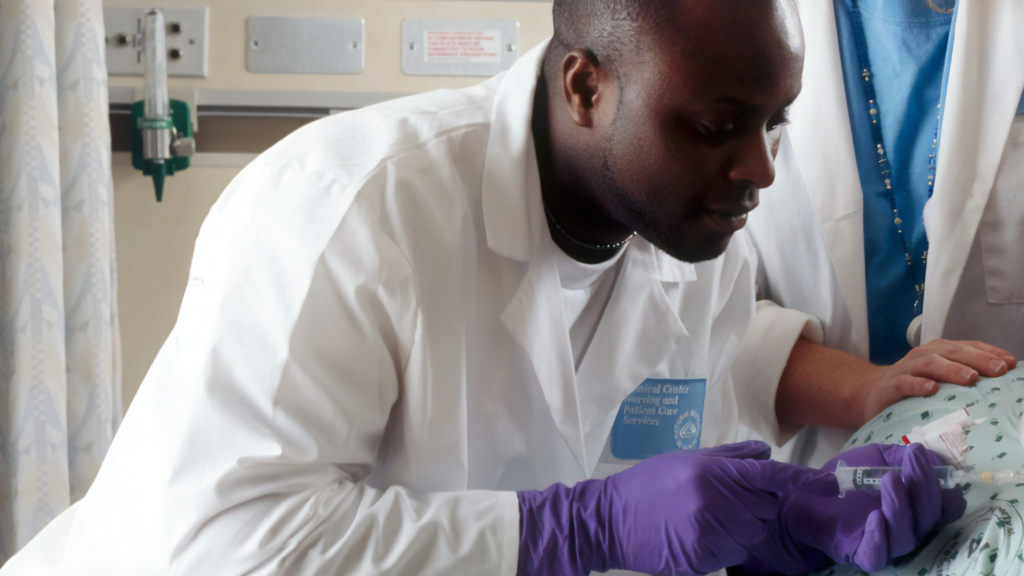
As we celebrate Black History Month, it is an opportune time to reflect on the contributions and challenges of Black men in nursing. Despite representing a small percentage of the nursing workforce, Black male nurses play a vital role in promoting health equity, fostering trust in diverse communities, and inspiring the next generation of healthcare providers. Their presence challenges stereotypes, enriches patient care, and brings unique perspectives to healthcare teams.


In this edition, we explore the experiences of Black men in nursing, the systemic barriers they face, and the opportunities for growth and inclusion within our profession. Together, let us commit to creating pathways that support diversity, celebrate achievement, and advocate for policies that ensure a more equitable future for all.


The DEI Committee Members:

Anitra Williams

Christina M. Oldini

Kimberly Long

Karen Mitchell-Keels

Make'da Traynum

Marshall Blue

Nicole Barnett

Sharon Goldfarb

Sheree Criner

Yury Nevarez


Newsletter produced by Vanessa Kerr and Sharon Goldfarb.

Interview with Dr. Ernest Grant: Advocating for the Future of Nursing

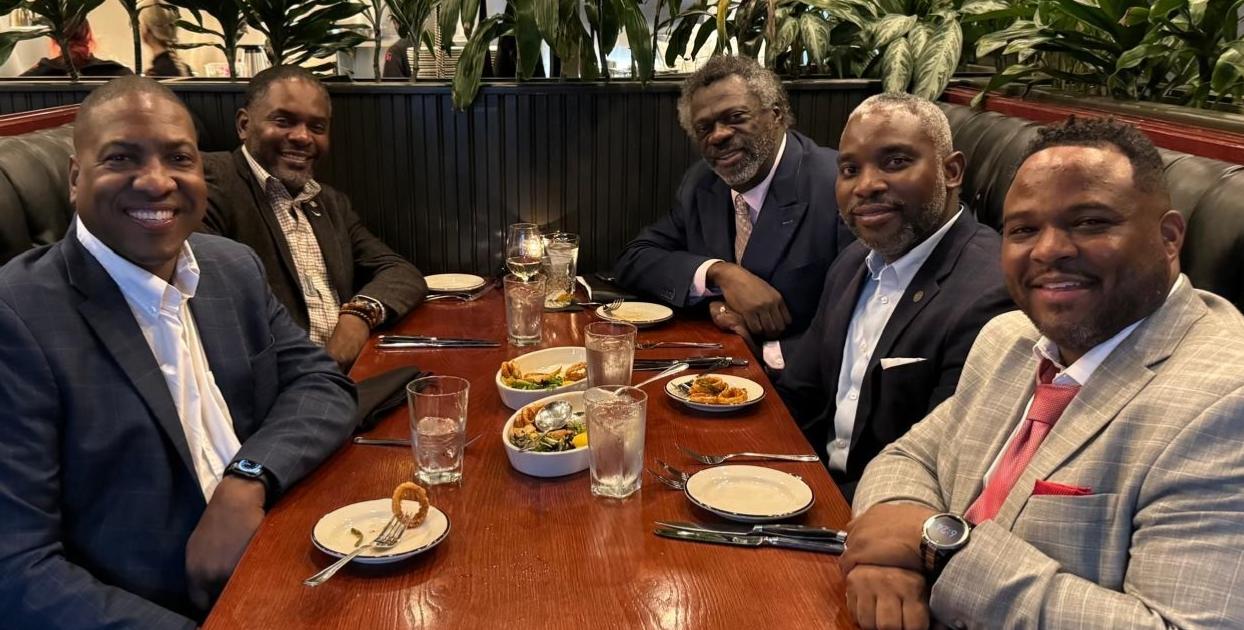
Last week Sharon Goldfarb and Vanessa Kerr sat down with nursing trailblazer Dr. Ernest Grant for a conversation about Black men in nursing and his experiences. Below is a summary of that interview.


What inspired you to pursue a career in nursing, and what motivated you to become a leader in the field?

Dr. Ernest Grant: I like to tell people that nursing found me—I didn’t find nursing. In high school, my dream was to become an anesthesiologist and drive a lime-green 1968 Mercury Cougar. But coming from a very poor family, the youngest of seven kids, and having lost my father at five years old, we didn’t have the money for college or medical school.


My high school guidance counselor suggested I look into becoming a nurse anesthetist and recommended starting with a one-year Licensed Practical Nurse (LPN) program to see if I liked it. About three months into the program, I realized nursing was my calling. I loved making a difference in people’s lives, and that’s where my advocacy and leadership journey began—helping patients understand their care and ensuring they had a voice in their treatment.


What are your major goals for the nursing profession?

Dr. Ernest Grant: First, I want nurses to be able to bill for the services we provide, especially in acute care settings. Right now, our work is lumped under room and board, while other professionals—like physicians and physical therapists—can bill for their services. Nurses have just as much training and education, and we deserve the same recognition.


Second, I’m passionate about increasing diversity in nursing. The profession should reflect the people we care for. We need more men and ethnic minorities in nursing to build trust and improve care outcomes.


What steps are you taking to achieve these goals, and how can others join the effort?

Dr. Ernest Grant: One initiative I started as president of the ANA was partnering with the Boys and Girls Club of America. I encouraged local chapters to invite nurses—especially male nurses and nurses of color—to engage with young kids. Seeing someone like me, a 6’6” man, can inspire kids to think, “If he can be a nurse, why can’t I?”


Another effort involves working with a professional nursing group that adopted a third-grade class in Durham. We tutor students in reading and math and provide essentials like winter coats and school supplies. It’s about making an impression early—by middle or high school, it’s often too late to spark interest in nursing.


Lastly, I emphasize modeling behavior. Growing up, I admired the Black LPNs in my church who cared for shut-ins in our community. That experience showed me what nursing is truly about—caring for others.


What are your thoughts on hospital pay structures and representation?

Dr. Ernest Grant: Nurses need to be paid what they’re worth. It’s disheartening to see how undervalued we are, especially when some nurses barely make above minimum wage. We’re saving lives, yet our contributions aren’t recognized financially.


We also need better representation in decision-making spaces like the C-suite. If nurses are there, they need to communicate their advocacy efforts so others can join and support them. Some trials across the country have allowed nurses to bill for their services, and it hasn’t hurt hospitals’ bottom lines. The challenge is that decisions about nurses are often made by people who aren’t nurses themselves.


What advice would you give to young Black men considering a career in nursing?

Dr. Ernest Grant: Go for it. I’ve never regretted going into the nursing profession. Speak up if you’re struggling, and don’t hesitate to ask for help—there’s no shame in it. Become an active member of your nursing organization. It’s one thing to become a nurse, but it’s another to actively contribute to the profession and help those who come behind you.


How can educational institutions and healthcare organizations recruit and retain more Black men in nursing?

Dr. Ernest Grant: When I was president of ANA, I encouraged deans and directors to consider this: if someone walks into your program and doesn’t see anyone who looks like them, the message is that they’re not welcome. Recruit staff and faculty who reflect the diversity you want in your student body.


Myself and four other Black male leaders also formed the Network of Black Male Leaders. The idea is brother-to-brother support—we host speakers and have open discussions to help others blaze the trail. I live strongly by the proverb: “To whom much is given, much is required.”


What are the key elements of creating an inclusive and supportive environment for underrepresented groups in nursing?

Dr. Ernest Grant: Start with active listening. Too often, assumptions are made based on stereotypes or biases, which can lead to poor outcomes. Healthcare providers need to take the time to understand the person in front of them—their experiences, pain, and needs.


Education is also crucial. Continuously learn about cultural competencies and understand how social determinants of health impact different communities. Representation matters too—when patients see healthcare providers who look like them, it fosters trust.


What has been the most rewarding role in your career?

Dr. Ernest Grant: Serving as president of a national organization during the height of the COVID-19 pandemic was incredibly impactful. It was a time of uncertainty and fear, and I had the opportunity to be a voice of reassurance and advocacy.


I participated in vaccine trials and shared my experience to address hesitancy within the healthcare community, particularly among ethnic minority populations. Whether at the bedside, in administration, or as an advocate, I end each day asking, “Did I make a difference today?” Most of the time, the answer is yes. Making a difference is what drives me.


What final message would you like to leave with nursing leaders?

Dr. Ernest Grant: Remember, we’re part of the communities we serve. Advocating for cleaner air, safer water, or better resources isn’t just about our patients—it’s about our families and ourselves, too. Modeling care, whether it’s at a patient’s bedside or a community meeting, is how we lead and inspire the next generation of nurses.

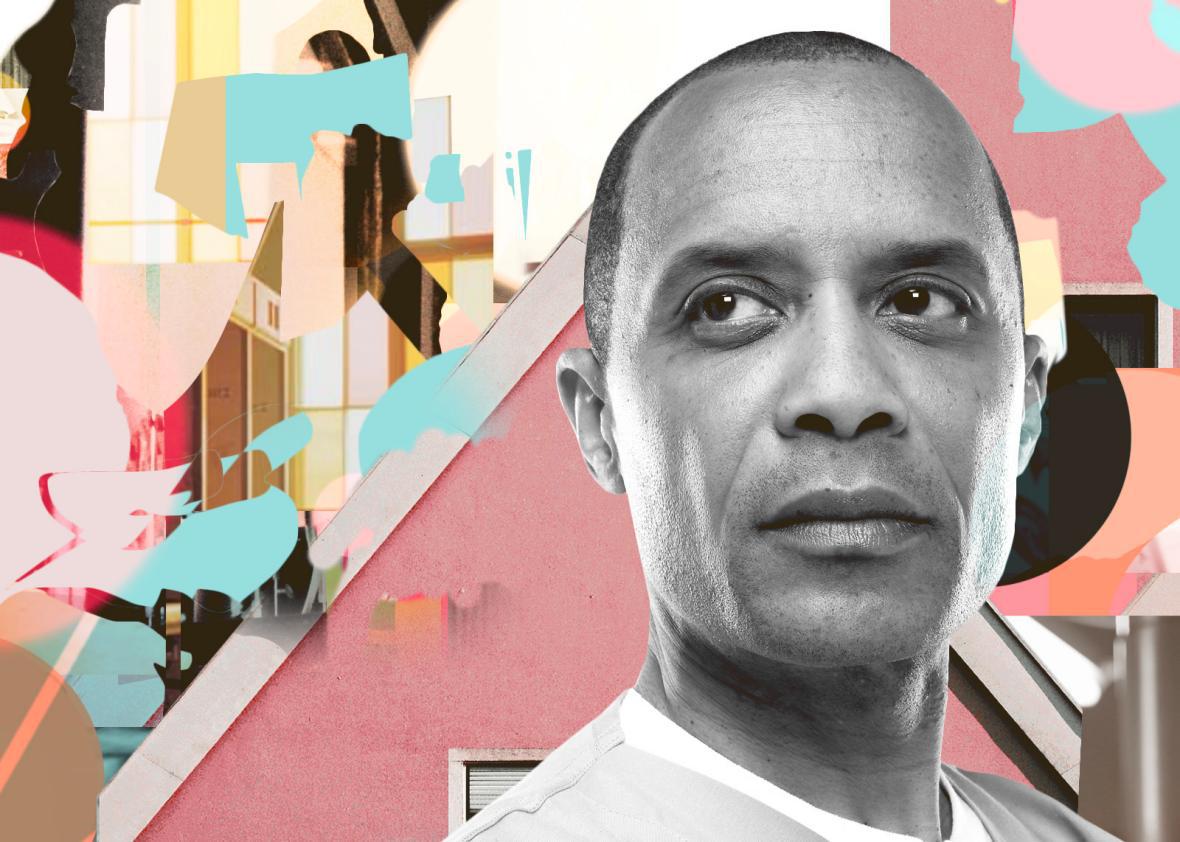
Why Black Men Are Drawn to a Field That Hasn't Welcomed Them

Why Black Men Are Drawn to a Field That Hasn't Welcomed Them

For black men, the gender-based pressures to avoid nursing were muted by other forces that they found more compelling.

launch slate.com
Black and Brown Male Excellence in Nursing

Black and Brown Male Excellence in Nursing

The number of Black and Latine male nurses cannot be counted due to their small numbers. Let's hear from four Black and Brown male nurses on their stories and achievements in the nursing profession.

launch nurse.org
More Black nurses can save Black men's lives by Aaron D. Franklin - VISIBLE Magazine

More Black nurses can save Black men's lives by Aaron D. Franklin - VISIBLE Magazine

It is no secret Black men have the lowest life expectancy compared to any demographic group in the nation. They also have low numbers of representation in nursing. Of a total of 4.2 million registered nurses in the U.S.A. Black nurses make up only 6% and men account for only 9.4% of nurses nationwide.

launch visiblemagazine.com
Male Nurse Statistics: A Look At The Numbers - NurseJournal.org

Male Nurse Statistics: A Look At The Numbers - NurseJournal.org

Learn how more men have chosen a nursing career in the last 20 years by diving into statistics on men in nursing by degree, specialty, and license.

launch nursejournal.org
National Black Men Nursing Leaders Tell Their Stories

National Black Men Nursing Leaders Tell Their Stories

Sharing impactful stories that shaped their leadership journeys in nursing

launch nln.org
Championing Men in Nursing to Address Healthcare Shortage and Enhance Equity

Championing Men in Nursing to Address Healthcare Shortage and Enhance Equity

Recruiting male students tackles the nursing shortage while creating a workforce that reflects the community

launch rush.edu
Black Men in Nursing: Brothers in Mentorship
When It Comes to Recruiting Black Men into Nursing, She Wrote the Book

When It Comes to Recruiting Black Men into Nursing, She Wrote the Book

Once upon a time there was a nurse who felt bad because not enough African American men wanted to be nurses. She thought it would be good for sick people in hospitals if there were more nurses who were black men. So she decided to do something about it.

launch minoritynurse.com
The Black Male Nurse: Why We Need And Celebrate You

The Black Male Nurse: Why We Need And Celebrate You

The need for a male nurse has grown. For some men, the notion that caregiving jobs are women's work is outdated.

launch blackdoctor.org
Home - National Black Nurses Association : The premier voice for Black Nurses

Home - National Black Nurses Association : The premier voice for Black Nurses

The National Black Nurses Association (NBNA) is a non-profit organization that represents 308,000 African American registered nurses, licensed vocational/practical nurses, nursing students and retired nurses from the USA, Eastern Caribbean and Africa, with 100 plus chartered chapters in 33 states.

launch nbna.org

Promoting Health Equity for Black Men: Strategies for Nurse Leaders

For over a century, health indicators for Black men in the United States have lagged behind that of other groups. Underlying the poor health of Black men are health inequities that result from social conditions that adversely affect their health. Nurses are well equipped to promote health equity for individuals, communities, and populations. The purpose of this paper is to present strategies that nurse leaders can implement within their organizations and surrounding communities to promote health equity for Black men.


Read here.

State of Black men in nursing: An oral history of the challenges and the benefits of five Black male nurse leaders

ABSTRACT

The underrepresentation of Black men in nursing continues to pose a significant challenge to diversity and equity in healthcare leadership. While systemic barriers, such as implicit bias, limited access to advanced education, and lack of mentorship, have been well-documented, there is little literature that highlights the specific journeys of Black male nurse leaders and the strategies that facilitated their success. This oral history presents the narratives of five Black male nurse leaders who overcame obstacles and rose to influential positions within nursing. Through their personal accounts, this paper offers insights into the intersection of race, gender, and professional advancement in nursing. These stories emphasize the importance of mentorship, community support, and resilience in navigating both overt and subtle forms of discrimination. By reflecting on their unique experiences, the paper aims to contribute to the ongoing discourse on diversity in nursing leadership and provide inspiration to future generations of minority nurses.


Read here.

Breaking Barriers: The Challenges and Contributions of Black Men in Nursing

The nursing profession is a cornerstone of healthcare, yet it continues to grapple with a critical diversity gap. Among the most underrepresented demographics in nursing are Black men, whose presence in the profession is crucial for addressing healthcare inequities and fostering a more inclusive and effective system. However, recruiting and retaining Black men in nursing presents unique challenges that require targeted strategies and a commitment to systemic change. At the same time, their contributions to the field highlight the imperative of overcoming these barriers.


Black men often face societal perceptions and stereotypes that discourage them from pursuing careers in nursing. Nursing is historically and culturally viewed as a female-dominated profession, and Black men may encounter additional skepticism about their place in this field. These stereotypes can create an unwelcoming environment, deterring potential candidates from considering nursing as a viable career option.


Systemic inequities in education disproportionately affect Black communities, limiting access to the prerequisites for nursing programs. Many Black men face financial constraints, lack of mentorship, and inadequate representation in STEM fields, all of which contribute to lower enrollment and graduation rates in nursing programs.


Once in the profession, Black male nurses often experience implicit and explicit biases from colleagues, patients, and institutions. These biases can manifest in microaggressions, underestimation of their skills, or limited opportunities for professional growth. Such experiences not only affect job satisfaction but also contribute to higher turnover rates. Mentorship plays a vital role in professional development, yet Black men in nursing often lack access to mentors who share their experiences. The absence of role models and supportive networks can make it difficult for them to navigate the challenges of the profession and advance in their careers.


Black male nurses bring invaluable perspectives to patient care, particularly when working with diverse and underserved populations. Their lived experiences and cultural competence enable them to build trust with patients who may feel alienated or misunderstood in healthcare settings. This trust is essential for improving patient outcomes and reducing health disparities. By entering and thriving in the nursing profession, Black men serve as role models for young people in their communities, inspiring future generations to pursue careers in healthcare. Their visibility challenges stereotypes and broadens the understanding of what a nurse can look like. Black male nurses bring unique problem-solving skills and leadership qualities to healthcare teams. Their contributions to policy discussions, patient advocacy, and organizational diversity initiatives help create more inclusive workplaces and equitable healthcare systems.


To address the challenges and leverage the contributions of Black men in nursing, healthcare organizations and educational institutions must adopt intentional strategies. Outreach programs in schools can introduce nursing as a viable and rewarding career path, targeting young Black men and offering scholarships, internships, and mentorship opportunities. Establishing mentorship programs that connect Black male nurses with experienced professionals can provide guidance, support, and a sense of community. Diversity and inclusion training should be mandatory at all levels to combat biases and create a welcoming environment for Black male nurses. Scholarships, loan forgiveness programs, and other financial aid options can reduce the economic barriers to entering and remaining in the profession. Celebrating the achievements of Black men in nursing through media, conferences, and public campaigns can help shift perceptions and inspire others.


Recruiting and retaining Black men in nursing is not just about addressing a diversity gap; it is about enhancing the quality and equity of healthcare for all. By understanding and addressing the challenges they face, we can unlock the full potential of their contributions to the profession. Black men in nursing exemplify resilience, compassion, and leadership, and their presence is essential for building a healthcare system that truly serves everyone.

Previous Newsletters

January: Shaping the Future of Equitable Healthcare

December: Nursing History

November: Rural Healthcare

October: Disaster Preparedness

September: Political Action Edition

August: Community Health Nursing

July: Advocating for Patient Summer Safety

June: Pride Month

May: Mental Health Awareness Month

April: Disability Rights

March: Women's Health Equity

February: Environmental Health and Justice

January: Combatting Misinformation and Disinformation

December: Resilience and Community Care

November: Navigating the Digital Frontier

October: Legislative Update

September: Maternity Care

August: Civic Health Month

ACNL logo
open_in_new zoom_out_map

Association of California Nurse Leaders

Email: info@acnl.org
Website: https://www.acnl.org/
Location: 180 Promenade Circle suite 300, Sacramento, CA 95834, USA
Phone: 916-779-6949

Kimberly Long
Kimberly is using Smore to create beautiful newsletters
Loading indicator

close