Migrant Education Newsletter
June-July 2026
Family Engagement
Family Guide to the Annual State Test
Student Engagement
Application fee waived for in-district students
As graduation season approaches, many of our migrant students may still be finalizing their plans after high school or considering college as a last-minute option. As we continue supporting students through postsecondary planning, staff are encouraged to share that Yakima Valley College is currently waiving application fees for students who reside in Yakima, Kittitas, and Klickitat counties. Students may qualify for the fee waiver by providing proof of graduation from a local school district, a state-issued ID, or another official document with a local address. This opportunity can help remove a financial barrier for students who may still be exploring college options.
Career/Leadership skills for Interviews
For our migrant students, developing strong interview skills can open doors to part-time jobs, internships, summer employment, and future career opportunities. Practicing how to communicate strengths, share experiences, and answer common questions helps students build confidence and prepare for life after high school. Interview preparation can also help students advocate for themselves as they pursue college, training programs, or careers. Families and students can explore free interview tips and practice resources through CareerOneStop Interview Tips to help students feel ready and confident for their next opportunity.
Early Learning
June: Keep Learning Growing All Summer Long!
As summer begins, it can be tempting for learning routines to slow down, but young children continue learning through everyday experiences and play. The MEP School Readiness Calendar reminds us that families are children’s first teachers, and simple activities such as talking during meals, counting objects during errands, or exploring outside together can help build literacy, math, language, and social-emotional skills. Research continues to show that keeping children engaged over the summer helps maintain skills and confidence as they prepare for kindergarten and beyond. Families do not need expensive materials—learning can happen through everyday routines and play.
Ideas MEP staff can share with families or incorporate into summer programming:
Nature walks: Count rocks, leaves, or bugs and talk about colors and shapes.
Story time anywhere: Read books, tell family stories, or look at pictures and ask open-ended questions.
Summer scavenger hunts: Find something round, something red, something soft, etc.
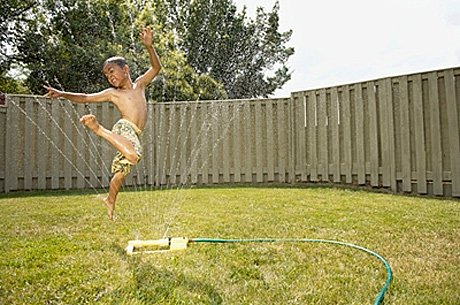
Water play and science: Predict, pour, measure, and compare.
July: Small Moments Make a Big Difference
July is a great time to continue supporting school readiness while keeping learning fun. During the summer months, children can experience a “summer slide” when they have fewer opportunities to practice skills. The good news is that young children learn best through play, conversation, movement, and meaningful experiences with family members. The MEP School Readiness Calendar encourages families to turn everyday moments into learning opportunities and to keep curiosity growing all summer long.
Ideas MEP staff can share with families or use in summer programs:
Kitchen math: Count ingredients, sort snacks, and compare sizes.
Build and create: Use blocks, cups, boxes, or recycled materials to build towers and problem-solve.
Letter hunts: Look for letters in books, signs, food boxes, or grocery stores.
Practice routines: Encourage independence with dressing, cleaning up, washing hands, and following directions.
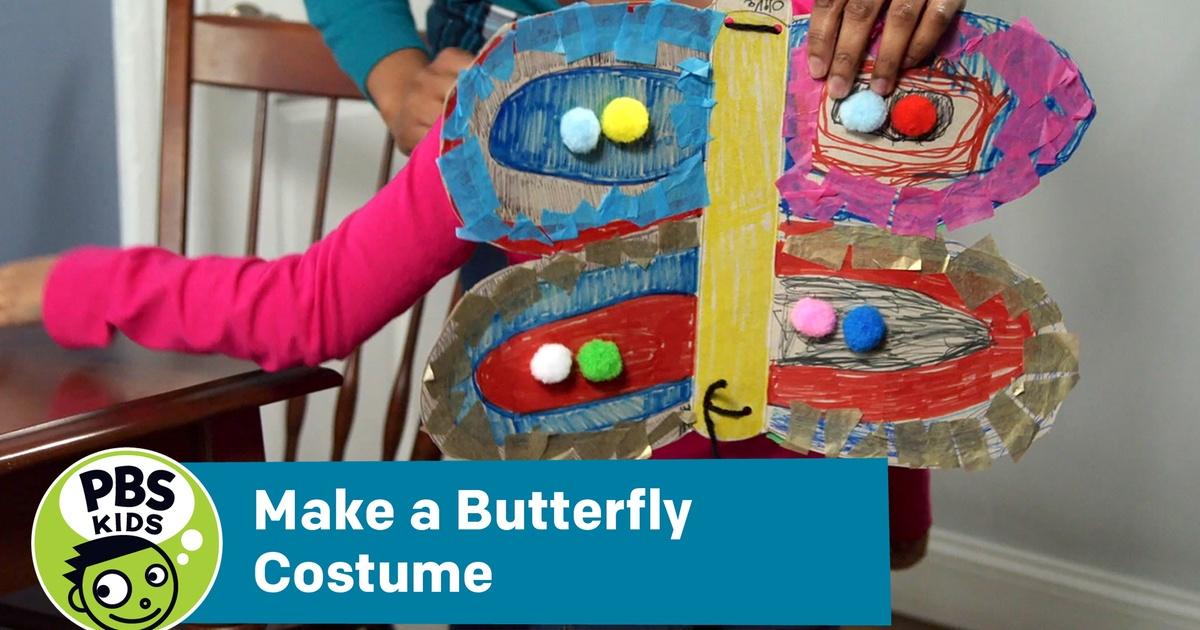
Summer learning resources for ages 3–5:
PBS Kids Parent Videos and Crafts – Short family activities and hands-on learning ideas.
Scholastic Activities and Printables – Free printable activities and learning ideas.
Learning does not need to look like school. Talking, playing, singing, exploring, and spending time together are powerful ways to support kindergarten readiness!
Academic Support
“Summer Matters: Keeping Migratory Students Connected, Supported, and Learning”
Summer learning can make a significant difference for migratory students, especially those experiencing interrupted schooling, language development needs, or transitions between districts. Quick Strategies: ✔ Prioritize Priority for Service (PFS) students for targeted outreach and support ✔ Use spring benchmark/i-Ready/SBA/local data to identify academic need ✔ Ensure interventions are supplemental and intentional ✔ Embed academic language supports for multilingual learners ✔ Incorporate hands-on, engaging, real-world learning opportunities Quick Reflection: Which students may need a proactive summer academic connection before mobility impacts continuity?
Key Resources for Migrant Students
Out-of-School Youth
FIND US AT
Yakima 509-248-6727
Ellensburg 509-690-5311
Goldendale 509-969-6322
Goldendale Training Center 509-907-5402
Stevenson 509-654-0688
Toppenish 509-865-3250
Sunnyside 509-248-6726
White Salmon 509-281-1381
Unemployed? Out of school?
Do you need help getting your GED?
Are you interested in a paid work experience? Do you need skills to get a good job?
WE OFFER
GED
Job training
Work experience
Certification programs
Tuition assistance and more
QUALIFICATIONS
16-24 years old
In-School and Out-of-School
Low income/unemployed
WA State ID holder and resident
Health
Sun protection: a practical guide for health professionals
Myth: Sunscreen is only for fair-skinned people
Evidence:
UV exposure is a leading modifiable risk factor for skin cancer and photo-ageing across all skin tones.
Visible light drives pigmentary disorders more severely in darker skin tones.
UVA1 exposure promotes dermal degradation in all skin types, regardless of the level of existing skin pigmentation.
Thank you!
Thank you for your continued dedication to serving migratory students and families. Your work makes a meaningful difference every day, and we appreciate your commitment to supporting student success across our region.