

Hispanic/Latinx Heritage Month
September 15 - October 15, 2024


Let's Get Celebrating! 🪅
September 15 – October 15
National Hispanic Heritage Month begins on September 15th, a time to celebrate and honor the rich history, culture, and contributions of Americans whose roots trace back to Spain, Mexico, the Caribbean, and Central and South America.
This year’s theme, “Pioneers of Change: Shaping the Future Together,” highlights the spirit of innovation, resilience, and unity that continues to shape the Hispanic experience and strengthen our communities.
Throughout the month, we encourage you to explore the diverse traditions, stories, and voices that have made a lasting impact on our nation. Let’s join together in celebrating the heritage and achievements that inspire us all.

💃 Celebrations in Mexico: Dance, Music, and Tradition
💃 Celebrations in Mexico: Dance, Music, and Tradition
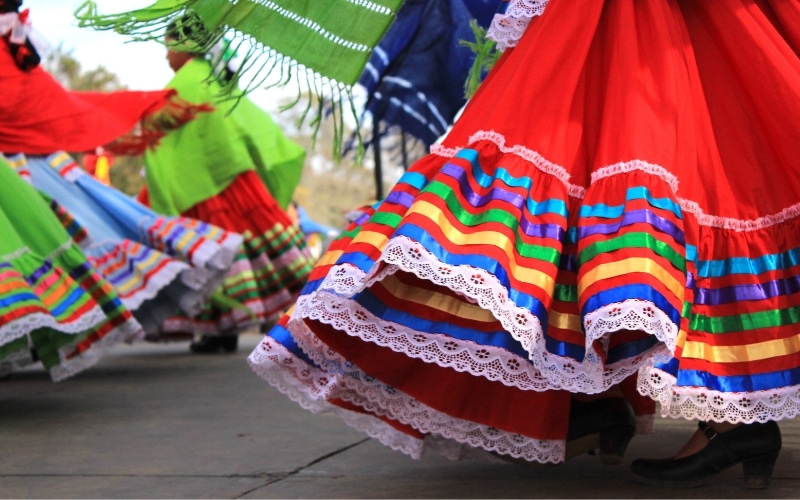
In Mexico, dance and music are at the heart of cultural celebrations. During Hispanic Heritage Month, many schools and communities highlight these traditions to honor the beauty and diversity of Mexican culture.
✨ Traditional Dances
-
Jarabe Tapatío (Mexican Hat Dance): Considered the national dance of Mexico, this lively folk dance is performed with colorful costumes and symbolizes courtship and pride.
-
Danza de los Viejitos (Dance of the Little Old Men): Originating from Michoacán, this humorous and energetic dance features performers wearing masks of old men, representing both wisdom and joy.
-
Son Jarocho & La Bamba: From Veracruz, this music and dance style blends Spanish, African, and Indigenous influences. It often includes improvisation and foot stomping on wooden platforms called tarimas.
-
Concheros: A ceremonial dance with Indigenous roots, often performed with feathered headdresses and drums, paying tribute to both pre-Hispanic and Catholic traditions.
🎶 Music & Festivities
-
Mariachi bands play a central role in festivals, filling the air with violins, trumpets, and guitars while dancers perform.
-
Parades and Fiestas often include vibrant costumes, papel picado (colorful cut-paper decorations), and fireworks.
-
Family Celebrations: Families gather for food, storytelling, and music, keeping traditions alive across generations.
By sharing these dances and traditions, schools and families can help students connect with the vibrant ways Mexico celebrates its heritage, while also appreciating the cultural contributions of Hispanic communities across the world.


Lin-Manuel Miranda

Sonia Sotomayor


La Piñata del Toro (The Bull Piñata) is a traditional Mexican piñata, especially popular during fiestas and celebrations like birthdays, Christmas posadas, and local festivals. Unlike the simple star-shaped piñata that many know, the bull piñata has a unique shape and symbolism.
Origin Story:
The tradition of the bull piñata comes from indigenous and colonial influences. During Spanish colonial times, the piñata was used as a teaching tool: the seven points of the star represented the seven deadly sins, and breaking it symbolized the triumph of good over evil. Over time, local artisans in Mexico began crafting bull-shaped piñatas as part of regional festivities, combining European symbolism with native artistry.
The Celebration:
-
The piñata is colorfully decorated with paper, feathers, and sometimes ribbons.
-
Children and adults take turns trying to break it while blindfolded, accompanied by music and cheers.
-
Once broken, it releases candies, toys, and small treats, making it a joyful highlight of any celebration.
Cultural Meaning:
The bull piñata is more than just a game—it symbolizes strength, community, and celebration. It reflects the creativity and vibrant spirit of Mexican culture, passed down through generations.


Celebrations of “El Toro” in Mexico
In Mexico, the bull, or el toro, plays a central role in several traditional celebrations. One of the most spectacular is Toros de Fuego (“Bulls of Fire”), a lively festival featuring metal bull structures adorned with fireworks. This tradition, brought from Spain during colonial times, is especially popular during holidays such as Christmas and Día de los Reyes.
Another important tradition is jaripeo, a form of bull riding that dates back to the 16th century. Originating from ranching practices introduced during the Spanish conquest, jaripeo serves as both a test of courage and a cultural expression of Mexico’s equestrian heritage. Both celebrations highlight the enduring influence of Spanish traditions while showcasing the vibrant, festive spirit unique to Mexican culture.

