remove_red_eye 33
page background
Logo

Roots & Ridge Report

Ag & Natural Resources News for Your Bottom Line

Roots & Ridge Report Ag & Natural Resources News for Your Bottom Line
Roots &Ridge ReportAg & Natural Resources News for Your Bottom Line

November 2026 November 2026

A Quick Note From Your Extension Educator A Quick Note From Your Extension Educator

Matti Boomgaarden- Extension Educator boomg022@umn.edu MC:507-836-1143 PC::507-825-1193
zoom_out_map

November Newsletter

Hello Murray and Pipestone County!


November has arrived in southwest Minnesota, and hopefully, most producers are seeing the light at the end of the tunnel when it comes to harvest. After a challenging fall filled with wet weather, delayed fieldwork, and crop quality concerns, it has certainly been a season that required patience and flexibility. Hopefully, a few more favorable days will allow everyone to get the last acres out of the field and wrap up another growing season.


With harvest winding down, I encourage you to check out the articles and resources in this month's “Crop Talk” section. As we transition out of the growing season, now is a good time to think about grain storage, reviewing this year's production, and beginning to plan for next season.


In the “Livestock Lowdown” section, you'll find helpful information on building your cattle vaccine program from Dr. George Lemke.


November is also when attention begins shifting from the field to the farm office. Between finishing harvest, preparing equipment and facilities for winter, reviewing production records, and starting budgets and plans for 2027, there is still plenty to do.


I also want to encourage anyone interested to explore the Minnesota Department of Agriculture grant opportunities. I would be happy to help talk through an idea, review an application, or answer questions. Having received a grant myself last year, I know firsthand that these opportunities can be worth exploring!


As we head into winter, I hope everyone can get harvest wrapped up, finish fall work, and find a little time to slow down after a long growing season. Stay safe, take care of one another, and best of luck finishing the season.
Matti Blume- Extension Educator

boomg022@umn.edu

MC:507-836-1143

PC:507-825-1193

Upcoming Local Events Upcoming Local Events

Land Rent Workshop @ Pipestone - Friday, November 6 Land Rent Workshop @ Pipestone - Friday, November 6

Land Rent Workshop @ Slayton- Friday, December 4 (Click to Register) Land Rent Workshop @ Slayton- Friday, December 4 (Click to Register)

PPAT Recertification @ Pipestone- Friday, January 29th PPAT Recertification @ Pipestone- Friday, January 29th

PPAT Recertification @Slayton- Monday, February 1st PPAT Recertification @Slayton- Monday, February 1st

Cattle Feeder Days @ Pipestone- Tuesday, February 9th Cattle Feeder Days @ Pipestone- Tuesday, February 9th

Cow Calf Days @ Pipestone, Wednesday, February 10th Cow Calf Days @ Pipestone, Wednesday, February 10th

Winter Crops & Small Grains Program @ Slayton, Thursday, February 18th Winter Crops & Small Grains Program @ Slayton, Thursday, February 18th

PPAT Proctored Testing @ Pipestone- February 11th, 25th & March 11th PPAT Proctored Testing @ Pipestone- February 11th, 25th & March 11th

PPAT Proctored Testing @ Slayton- February 16th, 23rd, & March 9th PPAT Proctored Testing @ Slayton- February 16th, 23rd, & March 9th

Sign up for the Roots & Ridge Report mailing list!
Click here to sign up

If you would like to be featured or have a topic to share please reach out! If you would like to be featured or have a topic to share please reach out!

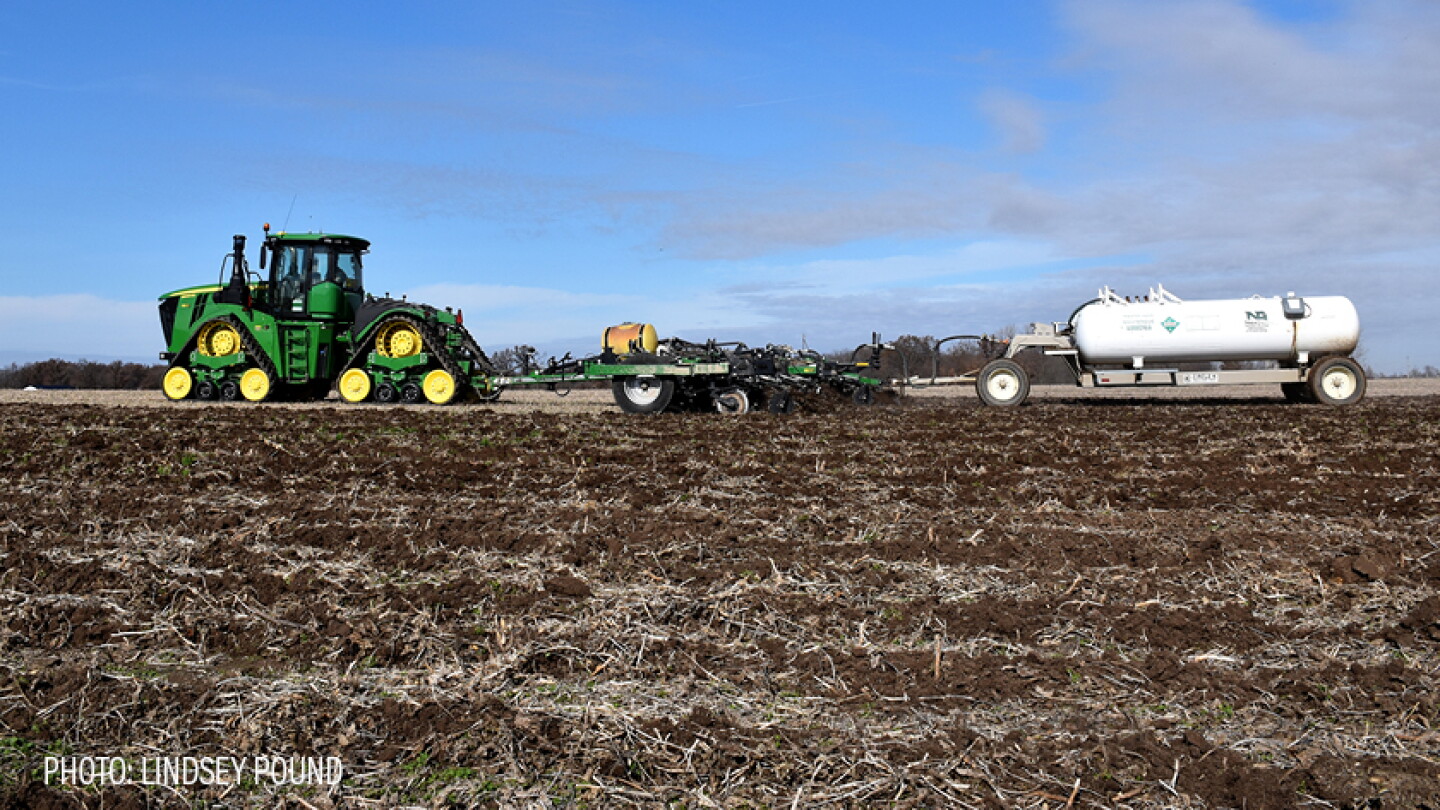
How to Keep 25% More of Your Fall Anhydrous in the Field

How to Keep 25% More of Your Fall Anhydrous in the Field

The difference between 50°F and 55°F soil temps matters more than what you might realize. Here's what the research says about application timing and keeping NH3 in your fields.

launch agweb.com
Make Nutrient Inputs Work Harder for Your Corn Crop

Make Nutrient Inputs Work Harder for Your Corn Crop

Your fertilizer program contains mobile and immobile nutrients. Understanding the differences can help you get more ROI from all of them.

launch agweb.com
Manure application rates

Manure application rates

Bringing Minnesotans together to build a better future through University science-based knowledge, expertise and training.

launch extension.umn.edu

Livestock Lowdown Livestock Lowdown

Building an effective Cattle vaccine program- Dr. George Lemke

Vaccine programs are not just cookie cutter plans, but the right plan for your farm can help prevent disease or reduce disease severity, reduce treatment costs, and improve both growth and reproductive productivity.


There are two "core" vaccine groups in cattle reproductive/respiratory, and clostridial vaccines. The main pathogens that affect the respiratory system in calves also can harm reproduction in heifers and cows. A form of respiratory/reproductive vaccine can be helpful to cattle at every stage of life.


Clostridial vaccines are more geared towards younger animals but can be given at all stages of life. These vaccines help prevent overeating and blackleg. Some may also include tetanus, and other common clostridial organisms that can appear depending on the region you raise cattle in.


There is an almost endless number of other vaccines we use to help prevent diseases including pinkeye, foot rot, mastitis, and many other bacterial and viral pathogens.


If you are looking to develop, or alter your current vaccine protocol, having a plan in place before you are planning to vaccinate animals is essential. Here are a few things to know before building a vaccine program with your veterinarian:

  • Previous vaccine history - Some vaccines are better given a certain time after a previous dose. If animals have gotten previous vaccines timing can be adjusted based on this information.
  • Previous disease history - If you have struggled with a specific condition in the past, there may be a vaccine to reduce the number of animals that are affected, or the severity of those infections.
  • Handling opportunities - Not every cow or calf is available to be vaccinated every day. Think about when you are already moving animals or running them through a chute for other things.
  • Other procedures - Procedures like banding should be accompanied by tetanus vaccinations. In order to get the best protection, giving a dose before and\or at the time of this procedure is beneficial.


If you have questions about vaccinations, or would like to design a custom vaccine protocol for your farm, please reach out to your herd veterinarian.


Dr. George Lemke

Windy Ridge Veterinary Clinic, PLLC

P. O. Box #367 – 1309 7 th Street, S.E.

Pipestone, MN 56164

507-825-3336

507-825-5252 - Emergency

Resource Report Resource Report

View all Funding | Minnesota Department of Agriculture

View all Funding | Minnesota Department of Agriculture

launch mda.state.mn.us
Agricultural Improvement Loan Program | Minnesota Department of Agriculture

Agricultural Improvement Loan Program | Minnesota Department of Agriculture

A loan participation program to assist eligible farmers to finance capital improvements to their farming operation.

launch mda.state.mn.us
Cropland Rental Rates for Minnesota Counties | Center for Farm Financial Management

Cropland Rental Rates for Minnesota Counties | Center for Farm Financial Management

Prepared by: Coryn Davidson, Pauline Van Nurden, Rann Loppnow, and Dale Nordquist – Center for Farm Financial Management, University of Minnesota

launch cffm.umn.edu

On the Horizon- Extension Workshop On the Horizon- Extension Workshop

Extension Women in Agriculture Conference

Registration is now open for the 2027 Women in Agriculture Conference which will be held at the Mayo Clinic Health System Event Center in Mankato this year.


This annual, full-day conference brings together farmers, ranchers, and producers, and anyone working in agriculture, government, and education. It’s a day built around learning practical skills you can use in your own operation, sharing experiences with others who understand the work you do, and building connections across your community, region, and the state.

Conference session descriptions, speaker information, and registration details are available at z.umn.edu/WAGN2027.


  • One-day conference - Feb. 16, 2027, 8:45 a.m.-4 p.m., In-person, Mankato,
  • Pre-conference sessions Monday, Feb. 15, 1-3:30 p.m., Optional networking dinner, 6 p.m.

Virtual Farmer Shop Talks: Crop and livestock integration

Get your crop and livestock integration questions answered and learn from other farmers through Virtual Farmer Shop Talks! Each session is focused on a different topic, pitched by a Minnesota farmer, to help farmers connect and learn from each other's successes and challenges.

Registration will give you access to all three Shop Talk sessions.

  • Nov. 9, 12-1 p.m. | How can you maximize your row crop ground and pasture to extend the grazing season? Pitched by Amber Britz
  • Nov. 12, 12-1 p.m. | How do you make annual forages work? Pitched by Kelly and Jeremy of Coon Creek Cattle Co.
  • Nov. 13, 12-1 p.m. | Grazing with virtual fence on others’ land - How to handle infrastructure and logistics? Pitched by Leah Matzke

Farm Transition Winter Retreats @ Marshall- Friday, December 4-5, 2026

The future of the farm begins with a conversation. Our retreats help families plan for transition together. All generations, spouses, partners, and key decision-makers are encouraged to attend. Sessions cover family and business goals, roles and responsibilities, financial needs, inheritance, and transfer options. Register online to attend one of the four retreats offered around Minnesota in December through March. For more information, contact Tina LeBrun.


- Nathan Hulinsky & Susanne Hinrichs, Extension educators and Minnesota State

How to maximize row crop ground and pasture to extend the grazing season

How to maximize row crop ground and pasture to extend the grazing season

Get answers to your crop-and-livestock integration questions, share your experience, and learn from other farmers through Virtual Farmer Shop Talks. Each session focuses on a different question, asked by a Minnesota farmer, to help farmers connect and learn from each other's successes, challenges, and work in progress.In this session, Amber Britz asks, How can you maximize your row crop ground and pasture to extend the grazing season?

launch extension.umn.edu
Registration open - Soil Management Summit January 27 - 28, 2027

Registration open - Soil Management Summit January 27 - 28, 2027

Registration is now open for the 2027 Soil Management Summit! Registration gets you 1.5 days full of learning and networking with farmers, ...

launch blog-crop-news.extension.umn.edu
Modern Homesteading Conference
open_in_new zoom_out_map Show in original size
Sheep and Goat Newborn Care Webinar
open_in_new zoom_out_map Show in original size

ANR Newsline ANR Newsline

Plant bulbs now; you’ll be thankful later

Plant bulbs now; you’ll be thankful later

Whether you’re planting spring flowers or garlic, a little effort now can lead to months of beauty and harvests ahead.

launch extension.umn.edu
Beef Brief: IRS change raises questions for producers

Beef Brief: IRS change raises questions for producers

Recent information published by the National Cattlemen’s Beef Association and Farm Bureau organizations has given rise to questions about what is happening with hobby farm classification and what smaller producers

launch agupdate.com
Prepare alfalfa fields for winter

Prepare alfalfa fields for winter

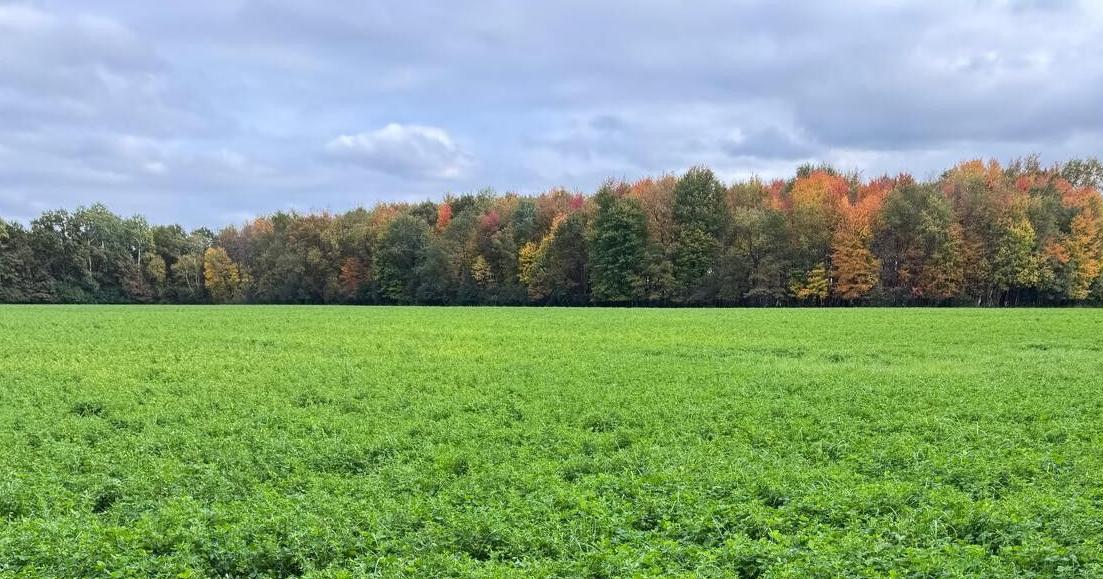
As summer comes to an end and temperatures cool, it is time to start preparing the stand for winter.

launch agupdate.com

© 2023 Regents of the University of Minnesota. All rights reserved. The University of Minnesota is an equal opportunity educator and employer.

Extension University of Minnesota
https://extension.umn.edu
Loading indicator

close
Powered by