


Mental Health Awareness Month
May 2026

Disability Insurance Awareness Month
Disability Insurance Awareness Month (DIAM) highlights the critical role disability insurance plays in protecting individuals and families from financial hardship when an illness or injury prevents someone from working. Many people underestimate their risk of becoming disabled, yet even a temporary loss of income can disrupt the ability to pay for housing, food, healthcare, and other essentials.
This observance emphasizes education—helping workers understand what disability insurance is, how it works, and the difference between short-term and long-term coverage. It also encourages individuals to review employer-provided benefits or consider supplemental plans to ensure adequate protection.
Ultimately, Disability Insurance Awareness Month promotes proactive financial planning. By preparing for the unexpected, individuals can maintain stability, reduce stress, and focus on recovery rather than financial strain during challenging times.
Did you know?
Mental Health Awareness Month is observed each May to increase understanding of mental health, reduce stigma, and encourage people to seek support when they need it. It was established by Mental Health America and has grown into a nationwide effort involving communities, healthcare providers, schools, and workplaces.
The purpose of this month is to highlight how mental health is just as important as physical health. Conditions such as Depression, Anxiety disorders, and Post-traumatic stress disorder affect millions of people each year, yet many individuals hesitate to talk about their experiences due to fear of judgment or misunderstanding.
Mental Health Awareness Month focuses on:
Education: Helping people recognize signs and symptoms of mental health challenges
Access to resources: Promoting therapy, support groups, and crisis services
Breaking stigma: Encouraging open, honest conversations about mental health
Self-care and prevention: Highlighting habits that support emotional well-being
Ultimately, the month serves as a reminder that seeking help is a sign of strength, not weakness. It encourages individuals to check in on themselves and others, build supportive environments, and advocate for better mental health resources in their communities.
Mental Health Awareness
Why Mental Health Is Important – Summary:
Mental health is essential because it affects every part of our lives—how we think, feel, and act. It influences how we handle stress, relate to others, and make choices. Good mental health supports overall well-being, helps us cope with challenges, and allows us to live fulfilling, productive lives.
When mental health is neglected, it can lead to emotional distress, strained relationships, poor performance at work or school, and physical health problems. Prioritizing mental health not only improves individual quality of life but also strengthens families, communities, and society as a whole. Just like physical health, mental health needs care, attention, and support.
Learn all you can about yourself
Your mental health is intertwined with your thoughts, feelings, and actions. It’s a part of who you are, and it’s hard to work on your mental health without learning more about yourself.
You might feel like you already know yourself pretty well, but we all have things we’re unaware of—or are too uncomfortable to admit. Here are some ways to get to know yourself better:
- Track your moods. Every day, or even multiple times a day, just write down how you’re feeling. If you can identify what made you feel that way, write that down too. After a while, you’ll be able to identify patterns. Maybe depression hits you harder on cloudy days… or maybe you get super anxious when you interact with new people. The more you can predict your moods, the less they can take you by surprise—and the better you can cope with them. Be sure to track positive moods as well as negative ones!
- Pay attention to your thinking. Your thoughts influence your feelings, which influence your behaviors. Be on the lookout for negative self-talk and unhelpful beliefs.
- Identify your coping skills. We all have different ways of coping with our emotions. Do you stress-eat? Do you drink when you’re upset? Do you go for a run, play video games, listen to music, or call a friend? These are all coping skills, and they all have pros and cons. Try not to label your coping skills as “good” or “bad”. Instead, think about how well they work—short-term, and long-term.
- Get feedback from people you trust. When you’re at your lowest point, you’ll probably need support and encouragement more than anything. But once you’re in a place where you can handle it, you’ll also want to get some more constructive feedback. Try to find people who will deliver it in a sensitive way… but be prepared to hear some things that might be uncomfortable.
For more informaton: Click here
Sensory Friendly Events


Dyslexia Handbook
Deaf & Hard of Hearing

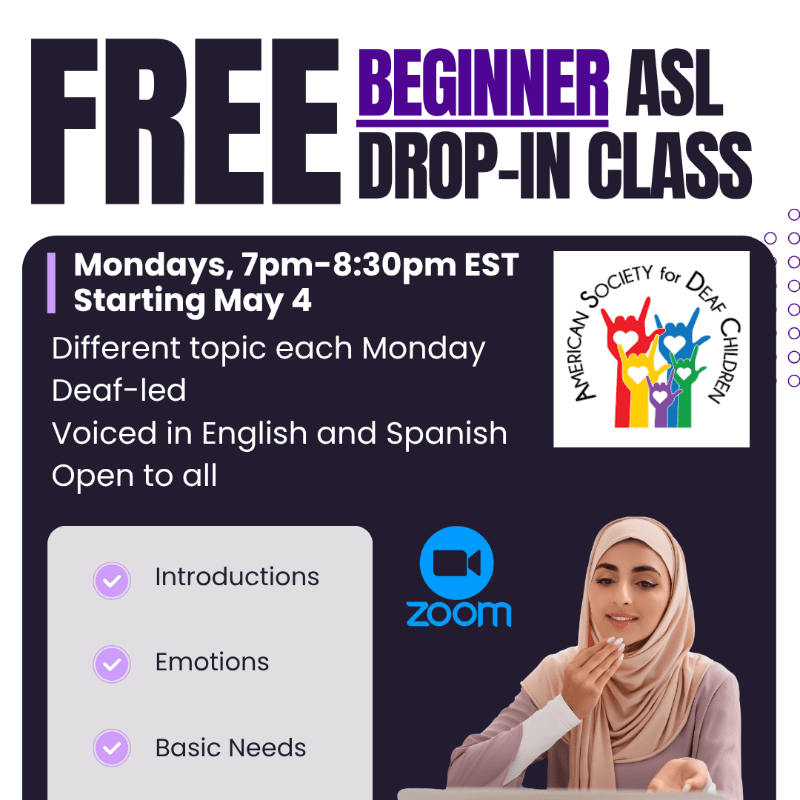
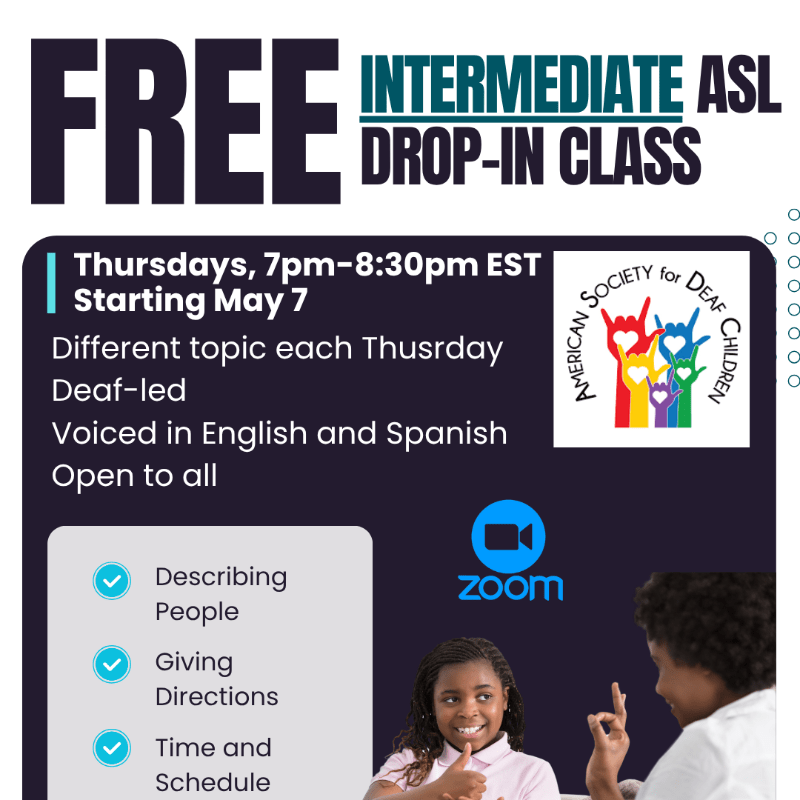
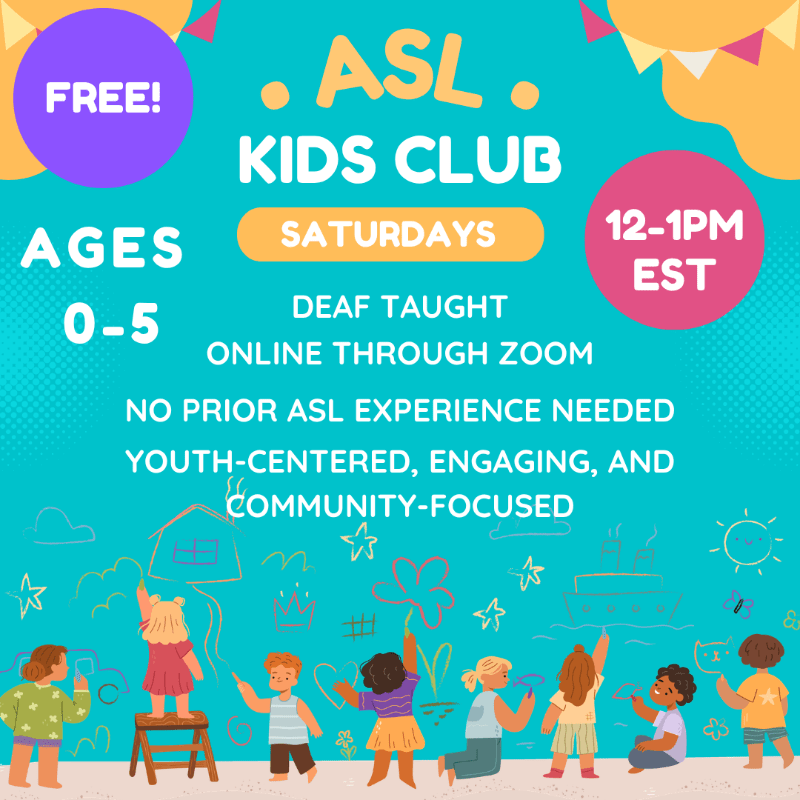
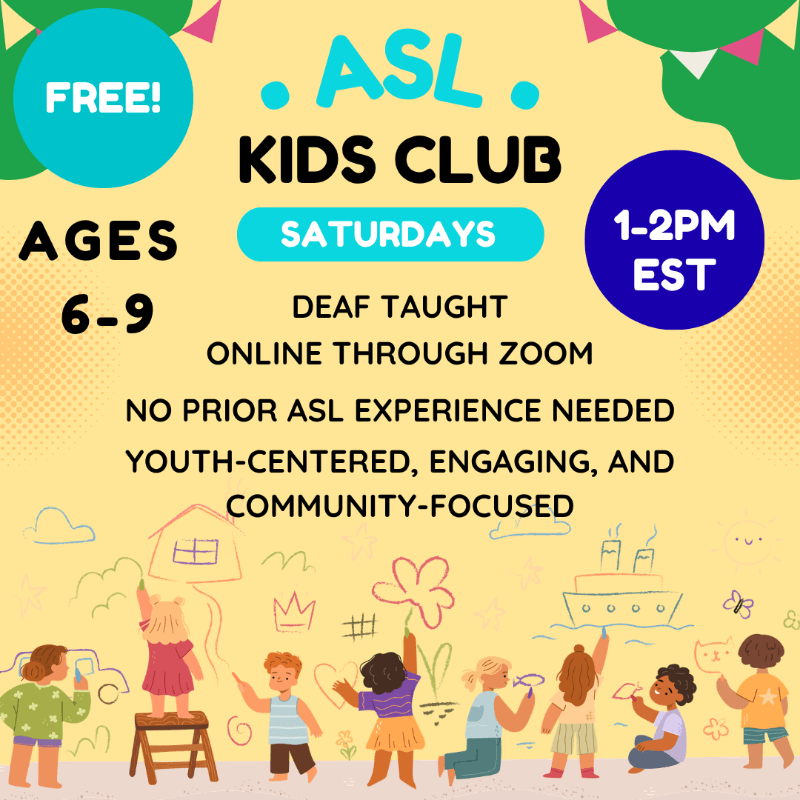
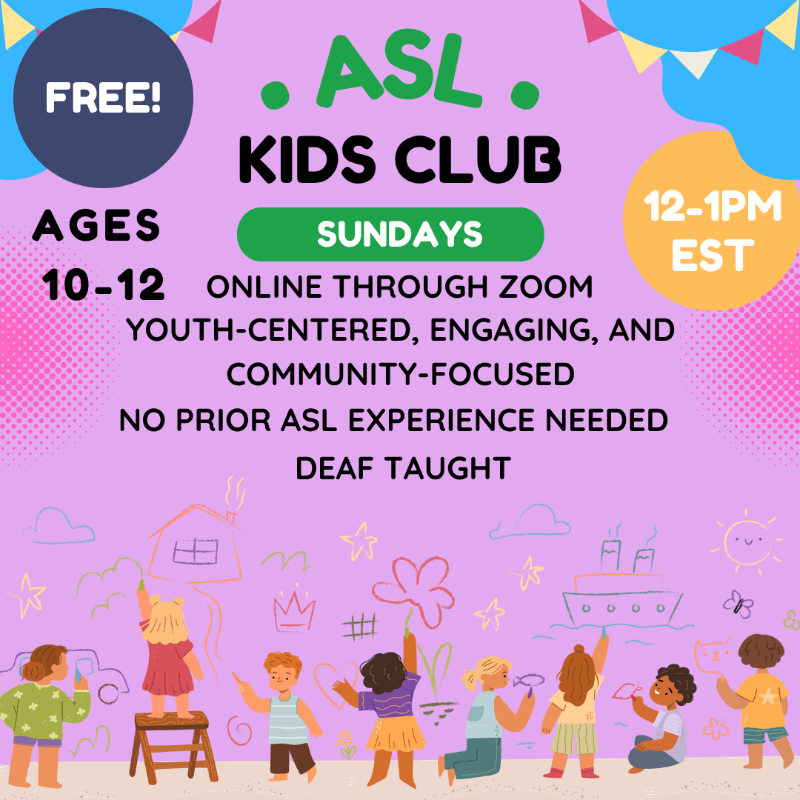
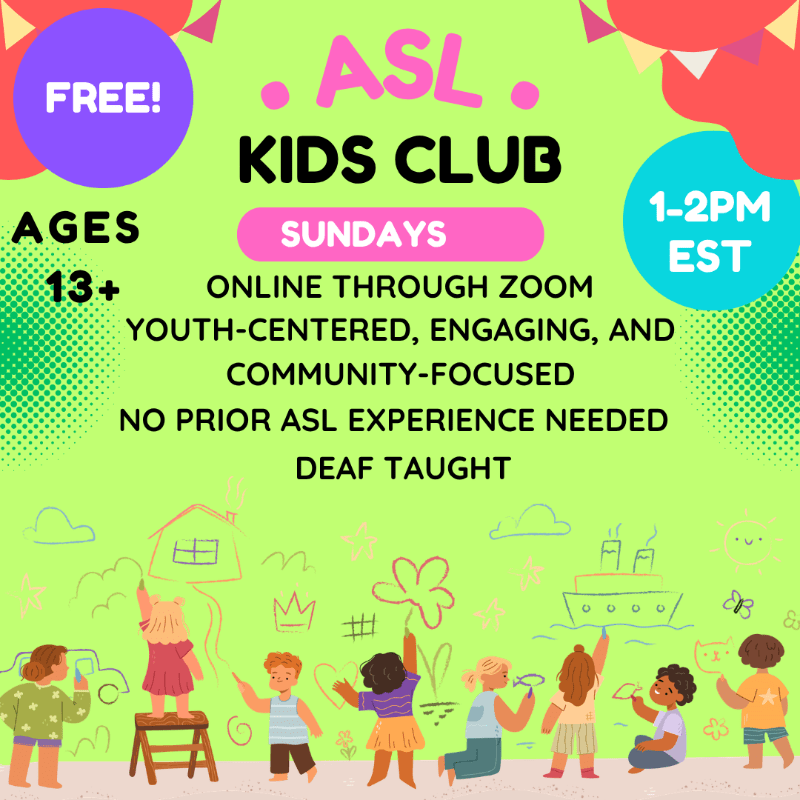
American Society For Deaf Children Inc Free May Classes
Setting Boundaries & Establishing Expectations at Home
Connective Texas

Featured Local Organization: T.E.A.M. Abilities



Bloom Fitness





Project Mentor


Join our PRC REMIND Group

Upcoming Events: Save the Date & Register

Event Information
RSVPs are enabled for this event.

Event Information
RSVPs are enabled for this event.
Behavior Support Resources


Youth Crisis Outreach


Residential Options
Day Programs
Bridgewood Farms


Are you on the list?


Parent Resource Network


SSI Information
Resources To Assist Youth With the Transition To A Successful Adulthood | The Red Book | SSA
SSI for Children | Supplemental Security Income (SSI) | SSA
Publications:
- 05-10023 - Social Security Numbers for Children
- 05-10514 - U.S. Citizen/Child — Replacement Social Security Card
- 05-10085 - Benefits for Children
- 05-10026 - Benefits For Children With Disabilities
- 05-11005 - What You Need To Know About Your Supplemental Security Income (SSI) When You Turn 18
Popular Publication:
List of Resources
Lone Star College lifePATH Fall 2026 Admission Application
The application deadline for Fall 2026 is May 22


TriCounty Behavioral Healthcare
Facts about Guardianship

Guardianship is a legal process where a court appoints a person (guardian) to make decisions for another person (ward) who cannot make certain decisions independently.
Types of Guardianship
-
Full Guardianship – Guardian has authority over personal, medical, and financial decisions.
-
Limited Guardianship – Guardian only makes decisions in specific areas.
-
Temporary or Emergency Guardianship – Granted for a short period in urgent situations.
Who May Need Guardianship?
-
Children under 18 without parents, adults with intellectual or developmental disabilities, or elderly individuals who are incapacitated.
Court Oversight
-
Guardians are accountable to the court and may need to file reports on the ward’s well-being and finances.
Alternatives to Guardianship
-
Supported decision-making, powers of attorney, or healthcare proxies may provide more independence than full guardianship.
Rights of the Ward
-
Individuals under guardianship retain certain rights unless specifically removed by the court.
Guardian’s Responsibilities
-
Duties may include managing healthcare, housing, education, finances, and daily living needs.
State Laws Vary
-
Guardianship rules and procedures differ by state, so local legal guidance is essential.
-
Lone Star Clinics


Support Services for Families


PRC Parent Training Webinars
Subscribe to CPG Youtube channel for more resources
De-Escalation Tips and Strategies
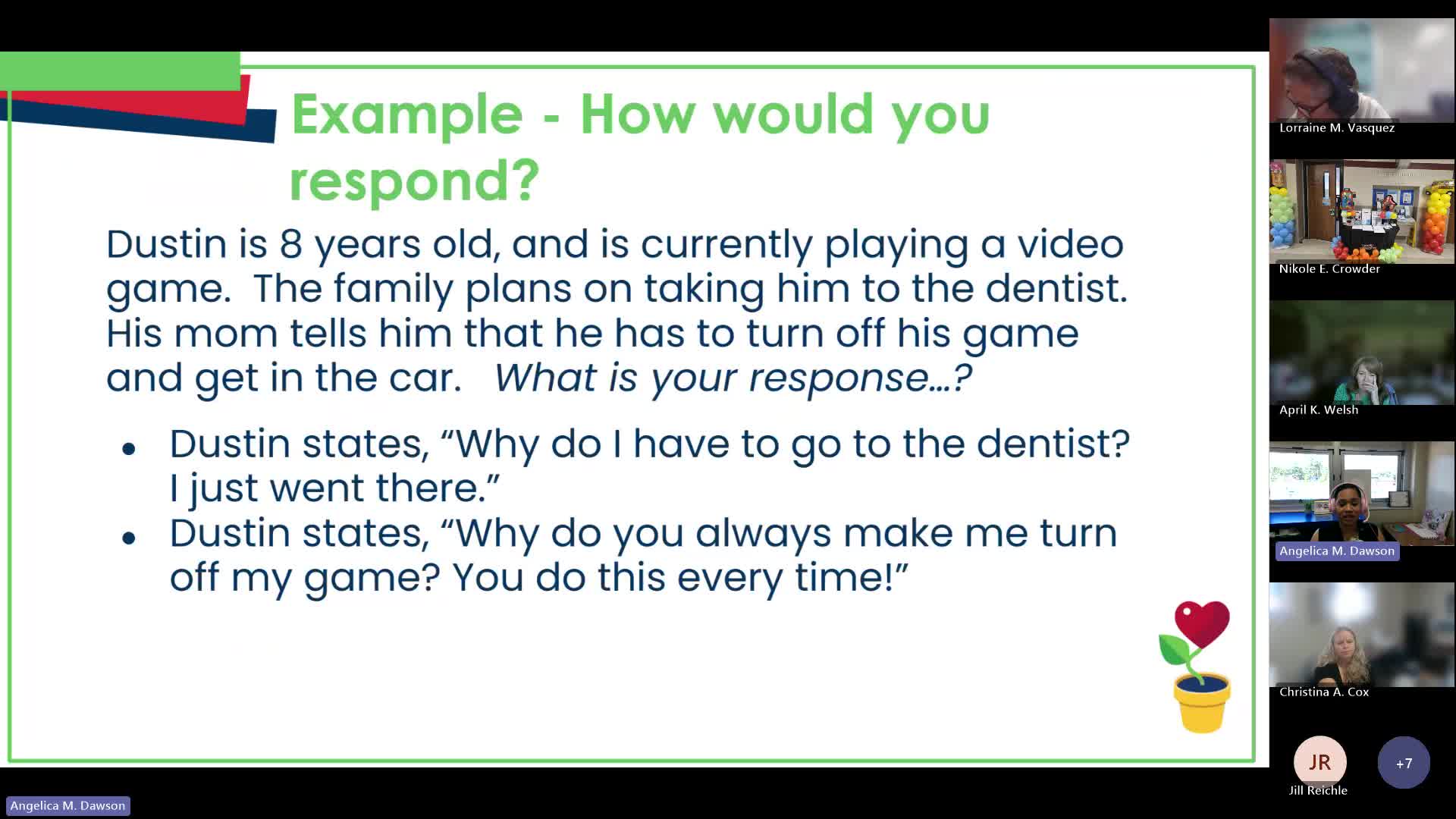
Social Stories


Meet your Parent Liaisons
Hi, my name is Nikole Crowder. I am the Parent Liaison at the Parent Resource Center for Conroe ISD. I graduated from the University of Phoenix in 2012 with my Master’s Degree in Business Administration. I am currently working on my Doctorate in Educational Leadership. This is my 4th year with Conroe ISD. I have 8 years of SPED experience and over 20 years of Early Childhood Development experience. I am passionate about Special Education and assisting families with the resources and support they need for their children. I look forward to assisting not only families but my fellow Conroe ISD faculty members in any way I possibly can. We are a team and my top priority is providing support for the students. Please view my contact information below and if there is anything I can assist you with I am happy to help.
Nikole Crowder, MBA
Prof Sp Ed/Parent Liaison
Special Education
Conroe Independent School District
936-709-8209
parentresourcecenter@conroeisd.net
Hello! My name is Aurora Vazquez, and I am honored to serve as your Bilingual Parent Liaison and Spanish Interpreter at Conroe ISD. I was born and raised in Mexico City before moving to Texas in 2000. Since beginning my journey in education in 2004, it has truly become my passion.
Over the years, I’ve held a variety of roles that have helped me build valuable experience, which I’m excited to share with you and your family. I’ve been part of the Conroe ISD community since 2014, and I feel incredibly thankful to belong to such a wonderful district.
Please don't hesitate to reach out with any questions or if you need support—I'm here for you and happy to help in any way I can.
Aurora Vazquez
Para Parent Resource Center Asst/Sped Interpreter
Special Education
Conroe Independent School District
(936) 709-8171
parentresourcecenter@conroeisd.net
-----------------------------------------------------------------------------------------------------------------------------------------------------
The Conroe Independent School District (District) as an equal opportunity educational provider and employer does not discriminate on the basis of race, color, national origin, sex, religion, age, or disability in educational programs or activities that it operates or in employment matters. The District is required by Title VI and Title VII of the Civil Rights Act of 1964, as amended, Title IX of the Education Amendments of 1972, the Age Discrimination Act of 1975, as amended, Section 504 of the Rehabilitation Act of 1973, the Americans with Disabilities Act, as well as Board policy not to discriminate in such a manner.
For information about Title IX rights or Section 504/ADA rights, contact the Title IX Coordinator or the Section 504/ADA coordinator at 3205 W. Davis, Conroe, TX 77304; (936) 709-7752.
The resources shared in this newsletter are for informational purposes only and do not constitute approval by the Parent Resource Center, Conroe ISD.