remove_red_eye 2.7K
page background

February DEI Newsletter

ACNL | 2024

February DEINewsletterACNL | 2024

Environmental Health and Justice: The February Edition of the DEI Committee Newsletter

As we embark on the journey through February, we are pleased to present the latest edition of our Diversity, Equity, and Inclusion (DEI) Newsletter. This month's theme is particularly poignant as we turn our attention to the crucial intersection of Environmental Health and Justice.


In the realm of healthcare, the impact of environmental factors on our communities cannot be overstated. As nurses and leaders, we understand that health extends beyond individual care—it encompasses the air we breathe, the water we drink, and the spaces we inhabit. This edition invites us to explore the intricate relationship between environmental health and the pursuit of justice, recognizing that our commitment to diversity and inclusion is inseparable from our responsibility to advocate for a healthier planet.


In honoring Black History Month, we acknowledge the profound impact that systemic inequities have had on the health and well-being of Black individuals. The environmental justice movement intersects with the ongoing struggle for racial justice, and as nurses and leaders, we must confront these issues with empathy, understanding, and a commitment to dismantling barriers. This edition invites us to reflect not only on the environmental determinants of health but also on the historical and systemic factors that have shaped health disparities.


Within this newsletter, you will find articles that illuminate the challenges and opportunities in addressing environmental determinants of health. We share stories that underscore the vital role nurses play in advocating for policies that not only protect our environment but also ensure equitable access to healthcare resources. It is a call to action—a reminder that our profession is not confined to the walls of healthcare institutions but extends to the broader tapestry of societal well-being.


As we navigate the complexities of our roles, let us collectively amplify our voices and catalyze change. The journey toward environmental justice and health equity is a shared responsibility, and we are at the forefront of this transformative movement.


Thank you for your dedication to the principles of diversity, equity, and inclusion. May this edition inspire reflection, dialogue, and a renewed commitment to creating a healthcare landscape where everyone can thrive.


The DEI Committee Members:

Anitra Williams

Christina M. Oldini

Kimberly Long

Karen Mitchell-Keels

Make'da Traynum

Marshall Blue

Nicole Barnett

Sharon Goldfarb

Sheree Criner

Yury Nevarez


Newsletter produced by Vanessa Kerr and Sharon Goldfarb.

ACNL Annual Program Highlight - Quantum AI & Nursing

Unlock the future of healthcare at the ACNL Annual Program from February 4-7, 2024, at the prestigious Monterey Conference Center, where minds converge for a groundbreaking Brain Dating Session on February 4th from 2:30 - 4:00pm.


🧠 Dive into the Quantum AI Revolution in Nursing! 🌌


Discover the cutting-edge fusion of quantum computing and artificial intelligence in the world of nursing. Join us for an electrifying discussion that promises to reshape the very foundation of healthcare.


Learn more and register here.

Together We Rise: 2024 Annual Florence Stroud Black History Month Conference Series

Details

Join us for this virtual event as we embrace the power of unity at the Bay Area Black Nurses Association Conference. Under the theme "Together We Rise," we dedicate ourselves to nurturing an equitable and inclusive future in health care. This is an invitation to engage, to challenge, and to innovate—together.


Conference Highlights

  • Engaging discussions on the impact of racism in nursing
  • Insightful exploration of health equity and policy development
  • Strategies for nurturing a culture of inclusivity and respect.

Keynote Speakers

  • Dr. Katie Boston-Leary, PhD, MBA, MHA, RN, NEA-BC, a guiding light in nursing leadership, will share transformative strategies to combat racism in the nursing profession. Her discussions will empower you to be an effective workplace ally, advocate for justice, and foster an environment where Equity, Inclusion, and Diversity are not just ideals, but lived experiences.
  • Johnnie (Chip) Allen, MPH a fervent advocate for health equity, will lead the "State of Health Equity Fireside Chat." Prepare to be enlightened on the systemic challenges that underpin community health and discover actionable strategies to address health disparities.


February 23rd, 2024

9-11am PST


Register here.

ANHE

ANHE

ANHE is a transformational alliance preparing and engaging nurses to assure the environmental health of all people, overcome environmental health disparities, and to heal our communities and the earth for present and future generations.

launch envirn.org
Fight Big Oil For Californians' Health

Fight Big Oil For Californians' Health

The Campaign for a Safe and Healthy California is fighting to protect our neighborhoods from toxic oil drilling and uphold the 2022 law (SB1137) passed by the Legislature. This law prohibits toxic oil drilling within 3,200 feet of healthcare facilities, homes, schools, day care centers, parks, and businesses.

launch cavsbigoil.com

Nurses: Join the Campaign for a safe and healthy California!

Nurses have long been on the forefront of advocating for our patients’ health and wellbeing and now there’s an opportunity for California Nurses to join a critically important campaign to protect families across the State.


California enjoys a reputation for being environmentally aware and leading the country in climate solutions, from rooftop solar to EVs to community composting. What many don’t realize is that California is also a major oil and gas producing state and we lag beyond other states in terms of protecting our communities from the harmful impacts of oil and gas wells.


Living near oil wells increases a range of serious health impacts, including asthma, birth defects, high risk pregnancies, respiratory illnesses and cancer. That’s why, in 2015, the California Council on Science and Technology recommended a science-based setback to protect public health. We simply shouldn’t have oil and gas wells in our neighborhoods.


In spite of the well documented impacts of neighborhood drilling, there are currently nearly 30,000 oil wells within 3,200 feet of homes, schools, hospitals and other sensitive sites across the State. Over two million Californians are exposed to hazardous oil and gas emissions linked to these sites. Most are in low-income communities, and people of color are disproportionately harmed by neighborhood drilling. This is an issue of public health, climate and environmental justice.


For years, public health advocates, climate justice organizations and neighborhood groups have advocated for an end to this neighborhood drilling and the creation of a protective health and safety buffer between communities and oil drilling sites. This is backed by both science and basic common sense. Our kids should not be playing and learning alongside oil and gas operations! California Nurses have always been invaluable members of this broad campaign.


In 2022, the CA Legislature and Governor finally passed a bill (SB 1137) to protect California families from the harmful effects of oil and gas pollution. This new law would end the permitting of new oil and gas operations next to homes, schools, playgrounds, and hospitals and would require stringent safety modifications of existing wells. It would drastically improve the health and environment of communities adjacent to oil operations.


While environmental justice and public health advocates were celebrating this new law, Big Oil was already scheming on how to overturn it and keep drilling in our communities. Oil industries spent over $20 million collecting signatures to qualify a referendum to overturn the law in the 2024 election and are committed to spending millions more to protect their ability to drill alongside where we live, work, play and pray.


The Campaign for a Safe and Healthy California

The Campaign for a Safe and Healthy California is a coalition of public health leaders, environmental justice groups, climate advocates, community and faith leaders, and youth joining together to stand up to Big Oil and ensure this hard-fought victory for health and safety buffer zones around toxic oil drilling is upheld. We believe no Californian should have to live just steps from dangerous oil and gas wells. And we need your help!


Big Oil is doubling down, spending millions and creating misleading advertisements to convince California voters to reject this law, in spite of the commonsense and scientifically proven benefits it brings to the health of Californian communities. Our coalition is urging Californians to vote to “KEEP THE LAW.” We will not let Big Oil hijack our democracy and undermine public health.


There are many ways that California Nurses can get involved. Talk to your patients and colleagues about the importance of voting to “KEEP THE LAW.” Share information about the campaign on your social media, hospital newsletters and letters to the editor. Join other Nurses who are speaking out at rallies, in the media, and at community events. Nurses are among the most trusted messengers in society, and with your help, we can KEEP THE LAW and ensure a safe and healthy California.


Learn more and Join the Campaign!

The Campaign for a Safe and Healthy California is recruiting health professions to join the campaign. Sign up here: CAvsBigOil.com/health


The Alliance of Nurses for Healthy Environments (ANHE) works with nurses and health organizations across the country on the CA Big Oil referendum and lots more! You can sign up for their newsletter here, we will be sending out updates and opportunities for action.


Physicians for Social Responsibility-LA connects communities and caregivers on a range of environmental, health and justice issues including protecting communities from oil and gas operations.


Heath Care without Harm and ANHE have created a Nurses Climate Challenge, which has lots of resources specifically for nurses. You can find it here: Nurses Climate Challenge | Nurses Climate Challenge


Those working in hospitals can learn more about the interventions your institution can take on climate through Practice Greenhealth’s Climate Action Playbook: Climate action playbook for hospitals | Practice Greenhealth


- Contributed by Annie Leonard

Opinion | Our Patients Need Us to Stand Up to Big Oil

Opinion | Our Patients Need Us to Stand Up to Big Oil

The industry protects profits over public health

launch medpagetoday.com
Environmental Justice | US EPA

Environmental Justice | US EPA

This site provides EJ policy, information resources, compliance and enforcement data tools and community outreach activities. Additional topics are grants and program info documents, federal advisory committee and interagency working group activities.

launch epa.gov
Concerned about contaminants in your tap water?

Concerned about contaminants in your tap water?

The Environmental Working Group is a nonprofit, nonpartisan organization dedicated to helping you live your healthiest life.

launch ewg.org
Making a Healthier Home

Making a Healthier Home

What's in your household goods and products? Becoming aware of potentially harmful substances can help keep you and your family healthy.

launch newsinhealth.nih.gov
Many Personal Care Products Contain Harmful Chemicals. Here's What to Do About It.

Many Personal Care Products Contain Harmful Chemicals. Here's What to Do About It.

Take these small steps to lower your exposure.

launch nytimes.com
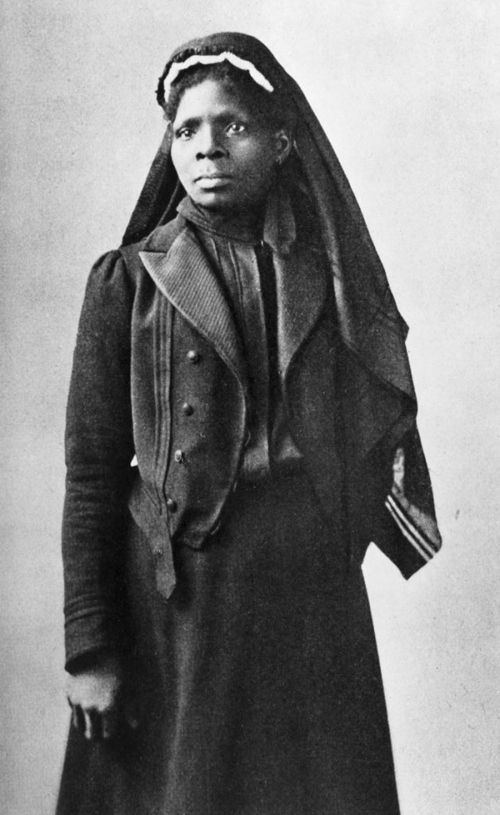
10 African-American Nurses Who Changed the Course of History

10 African-American Nurses Who Changed the Course of History

10 African-American Nurses Who Changed the Course of History

launch associates-degree-in-nursing.org

Understanding Bluelining

Reminiscent of redlining -- the 20th century discriminatory practice that denied financial services to certain neighborhoods based on racial composition, delineated on maps with red lines -- bluelining has gained attention in recent years. Bluelining is when banks, mortgage lenders, or insurance adjusters draw lines of risk around certain neighborhoods and streets based on their susceptibility to flooding or other climate-related disasters. This disproportionately affects low-income and communities of color.


Bluelining is an evolution of redlining. Redlining involved the systematic denial of financial services such as loans or insurance to residents of certain neighborhoods, primarily based on their racial composition. These discriminatory practices had lasting effects, perpetuating economic disparities within communities for generations.


As the practice was fought against, redlining became widely recognized as discriminatory and was officially outlawed. However, bluelining emerged as a more subtle but equally impactful phenomenon. Instead of outright denying financial services, bluelining involves providing these services at less favorable terms to certain communities, perpetuating economic inequality along racial and socioeconomic lines. It manifests through the unequal distribution of financial resources. While services may be technically available to everyone, some communities experience limited access to loans, favorable interest rates, or investment opportunities.


Bluelining often results in disinvestment in certain neighborhoods, stifling economic growth and perpetuating a cycle of poverty. This lack of investment can lead to deteriorating infrastructure, limited educational opportunities, and reduced property values.


The impact of bluelining is disproportionately felt by communities of color. Historical redlining maps and practices have often targeted neighborhoods of color, leading to a continuation of economic disparities along racial lines. It also contributes to the widening wealth gap, as communities that face economic disadvantages struggle to accumulate wealth through homeownership, entrepreneurship, and other avenues.


Limited investment in bluelined neighborhoods can result in subpar educational opportunities, further perpetuating socio-economic disadvantages across generations as well as health disparities, as access to quality healthcare, nutritious food, and safe living environments may be compromised.


In the pursuit of dismantling the insidious impacts of bluelining and fostering an equitable financial landscape, comprehensive policy reforms are imperative. These reforms serve as the linchpin for rectifying historical injustices and ensuring that financial institutions contribute positively to the well-being of all communities, regardless of their socio-economic backgrounds or racial compositions.


One cornerstone of effective policy reform involves fortifying anti-discrimination laws. By explicitly addressing bluelining practices and instituting severe penalties for institutions found guilty of such practices, policymakers can send a resounding message that discriminatory lending and investment will not be tolerated.


Promoting transparency within the financial sector is essential. Requiring institutions to disclose lending and investment data, broken down by geography, income, and race, enables stakeholders to monitor and address instances of bluelining. Regular audits and assessments can further ensure compliance and accountability.


Comprehensive fair housing policies, designed to combat discriminatory practices in the real estate market, should be prioritized. Simultaneously, initiatives promoting affordable housing in bluelined neighborhoods can significantly contribute to increasing homeownership opportunities and breaking the cycle of economic disparity.


The adoption and implementation of these measures are crucial for creating a financial landscape that upholds principles of justice, equality, and opportunity for all. By fortifying the legal framework, fostering transparency, and incentivizing positive action, policymakers can steer society towards a more inclusive and equitable future, eradicating the shadows cast by the historical legacy of bluelining.

Previous Newsletters

January

December

November

October

September

August

ACNL logo
open_in_new zoom_out_map

Association of California Nurse Leaders

Email: info@acnl.org
Website: https://www.acnl.org/
Location: 180 Promenade Circle suite 300, Sacramento, CA 95834, USA
Phone: 916-779-6949

Kimberly Long
Kimberly is using Smore to create beautiful newsletters
Loading indicator

close