


Listen. Support. Always.
Small moments. Big Impact. May & June Edition

“Talking to children about mental illness and substance use can be an opportunity for parents and caregivers to provide their children with information, support, and guidance. Mental illness and substance use in children can be hard for parents and caregivers to identify. As a result, many children who could benefit from treatment don't get the help they need. It’s important to know what to watch for and how to get help.”
-SAMHSA
May is Mental Health Awareness Month
This May, take action, raise your voice, and help change the conversation around mental health! Since 1949, Mental Health Awareness Month has been a driving force in addressing the challenges faced by millions of Americans living with mental health conditions.
Mental Health
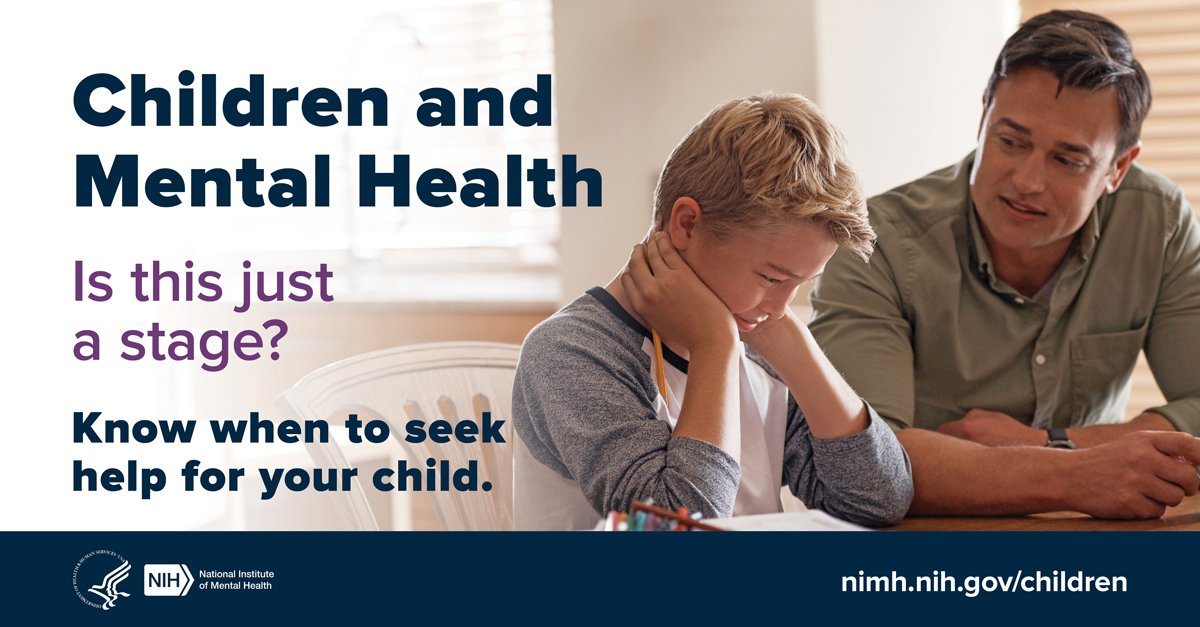
As a parent, you want the best for your child, physically, mentally, and emotionally.
Sometimes it can be hard to know what your child needs and where to go for help. Here are resources to help support your child’s mental and emotional health.
Know the Signs
- If you’re concerned about your child’s mental health, learn the signs and how to offer support.
- If your child or teen has had a violent or dangerous experience like natural disasters, abuse, or school violence, learn how to recognize the signs of traumatic stress in children and teens and how to help.
- Many conditions, like serious mental illnesses, can start showing signs in tweens and teens. If you see worrying signs, talk to a doctor or mental health professional.
For Parents and Caregivers of Children
What to Look for
- It is important to be aware of warning signs that your child may be struggling. You can play a critical role in knowing when your child may need help.
- Consult with a school counselor, school nurse, mental health provider, or another health care professional if your child shows one or more of the following behaviors
What to do
If you are concerned about your child's behaviors, it is important to get appropriate care. You should seek out support. See the guidance from SAMHSA.
Do you need help starting a conversation with your child about mental health?
Find out here
Find Support for Teens and Young Adults
Being a teen or young adult can be tough sometimes, but it's important to know that there are resources to support your mental health and emotional well-being. Below are a few helpful resources to help navigate these years
Know about mental health, drug, and alcohol issues
- Mental health is a topic you hear about a lot on the news and social media, but it’s important to know the basics—including the signs that you or a loved one may need help.
- During your teen and young adult years, many people are introduced to drugs and alcohol and choose to try them or not. Get the facts on how different drugs impact your body and mind.
- It’s also common at your age for certain serious mental health issues to start impacting you or a loved one. If you experience this, reach out to an adult you trust like a family member, doctor, or teacher.
Bullying
Bullying is unwanted, aggressive behavior among school aged children that involves a real or perceived power imbalance.
Watch out for signs of bullying
Bullying can have lasting effects on a child's mental health. Being bullied in person or online can lead to a range of emotional and psychological challenges. Children who are bullied may have feelings of fear, anxiety, and depression.
If your child is being bullied, speak with their teacher, counselor, or school administrator to get help.
Stopbullying.gov has information for parents, educators, and communities.
Types of Bullying
Verbal Saying or writing mean things
Social also referred to as relational bullying, involves hurting someone's reputation or relationships
Physical involves hurting a persons body or possessions
See examples here
Warning Signs
There are many warning signs that may indicate that someone is affected by bullying—either being bullied or bullying others. Recognizing the warning signs is an important first step in taking action against bullying.
Bullying in Lake County
Reported Ever Bullied on the 2024 Illinois Youth Survey
8th Grade: 36%
10th Grade: 26%
12th Grade: 23%
Bullying by name calling is the most reported type of bullying within Lake County
Additional Links & Resources
National Alliance on Mental Illness (NAMI) Lake County
NAMI Lake County Illinois educates through classes, materials, training and conferences.
- Class for families, significant others, and friends of people with mental health conditions.
- Evidence-based program by SAMHSA that facilitates a better understanding of mental health conditions, increases coping skills, and empowers participants to become advocates for their family members.
- ·An ongoing support group for families with a family member with mental health conditions.
- Groups meet weekly, every other week or monthly, depending on location. This program is also available in Spanish. Find the NAMI Family Support group nearest you
NAMI Basics
- 6-session education program for parents and others who provide care for children and youth (22 and younger) who are experiencing mental health symptoms.
- The course is offered free of charge.
- A Spanish-language version of the program, Bases y Fundamentos de NAMI, is available at some affiliates.
- ·Register here


Find Upcoming Small Moments. Big Impact. Newsletters Here
Upcoming Events
This will be updated as events are scheduled.
Brought to you by

Lake County Health Department and Community Health Center
Email: prevention-health@lakecountyil.gov
Website: health.lakecountyil.gov
Location: 3010 Grand Ave, Waukegan, IL, USA
Phone: 847-377-8770
Facebook: facebook.com/healthdepartment
Twitter: @LakeCoHealth


Community The Anti-Drug
Email: info@communitytheantidrug.org
Website: https://communitytheantidrug.org
Phone: 224-765-CTAD (224-765-2823)
Office Locations:
Deerfield & Highland Park High Schools
Mailing Address:
433 Vine Ave., Highland Park IL 60035
Funded in whole or in part by the Illinois Department of Human Services, Division of Behavioral Health and Recovery through a grant from the Substance Abuse and Mental Health Services Administration.