remove_red_eye 1.8K
page background

July DEI Newsletter

ACNL | 2024

July DEINewsletterACNL | 2024

Advocating for Patient Summer Safety: The July Edition of the DEI Committee Newsletter

As summer unfolds in California, the warm weather invites us all to embrace the outdoors and enjoy a season of increased activity and relaxation. However, this vibrant time of year also brings a unique set of health and safety challenges that demand our attention and action. In this July edition of the ACNL DEI Newsletter, we focus on "Advocating for Patient Summer Safety," a crucial aspect of our commitment to comprehensive, inclusive, and proactive healthcare.


From heat-related illnesses to increased exposure to allergens and the heightened risk of dehydration, the summer season can pose significant health risks, particularly for vulnerable populations. These risks underscore the importance of our roles as nurse leaders in educating, preparing, and protecting our patients. Whether we are addressing the needs of the elderly, children, or those with chronic conditions, our advocacy and intervention can make a substantial difference in promoting safe and healthy summer experiences.


In this issue, we delve into practical strategies for mitigating summer health hazards and share insights on culturally responsive care that respects and addresses the diverse backgrounds of our patient population. We also offer resources and tips for nurses to stay informed and equipped to handle the seasonal surge in specific health concerns.


As we navigate these summer months, let's reaffirm our dedication to patient safety through informed advocacy and inclusive practices. By doing so, we ensure that everyone under our care can enjoy the beauty and warmth of summer with the assurance of optimal health and well-being.


The DEI Committee Members:

Anitra Williams

Christina M. Oldini

Kimberly Long

Karen Mitchell-Keels

Make'da Traynum

Marshall Blue

Nicole Barnett

Sharon Goldfarb

Sheree Criner

Yury Nevarez


Newsletter produced by Vanessa Kerr and Sharon Goldfarb.

Racial disparities in drowning deaths persist, research shows.

Racial disparities in drowning deaths persist, research shows.

New studies show racial disparities in fatal drowning rates among Black, Alaska Native and American Indian youth. Plus: info on prevention.

launch journalistsresource.org
Disparities in Heat Vulnerability in the United States

Disparities in Heat Vulnerability in the United States

To better understand place-based and race/ethnicity-based disparities in heat vulnerability across the United States, an expansive and uniform Heat Vulnerability Index (HVI) was developed. The HVI aimed to quantify the various socioeconomic, demographic, biological, and exposure determinants of heat vulnerability into a single measure.

launch storymaps.arcgis.com
Continued Rises in Extreme Heat and Implications for Health Disparities | KFF

Continued Rises in Extreme Heat and Implications for Health Disparities | KFF

Recent literature shows that within the U.S., some communities of color have higher risks of heat-related mortality than White people. Consistent with trends in earlier years, between 2018-2021, AIAN people were most likely to die due to heat compared to all other racial and ethnic groups, and Black people had a higher rate of heat-related deaths compared to White people.

launch kff.org
People at Increased Risk for Heat-Related Illness

People at Increased Risk for Heat-Related Illness

Know what to do if you or someone else is at a higher risk of getting sick from extreme heat.

launch cdc.gov
The Sunscreen Gap: Why Black People Still Need SPF

The Sunscreen Gap: Why Black People Still Need SPF

Do Black people need sunscreen? Plug this question into Google and you get over 70 million results that all emphasize a resounding yes. We debunk how the myth that Black people don't need sunscreen came to be and solutions that are in the works.

launch healthline.com
Skin Cancer in People of Color

Skin Cancer in People of Color

Skin cancer affects people of color, including those with darker skin tones who always tan or rarely burn. Learn how to protect skin of color.

launch skincancer.org
8 Summer Safety Tips for Caregivers of Individuals with Disabilities

8 Summer Safety Tips for Caregivers of Individuals with Disabilities

As the temperature rises and the sun shines brightly, summer beckons us outdoors for fun and relaxation. However, amidst the excitement of the season, it's crucial to prioritize safety, especially for vulnerable individuals such as those with disabilities. Whether you're a caregiver or simply concerned about the well-being of those around you, understanding and implementing summer safety measures is of utmost importance.

launch oneop.org
Racial disparities in diagnosing and treating Lyme disease

Racial disparities in diagnosing and treating Lyme disease

Many factors contribute to health inequities--in Lyme disease as well as other medical conditions.

launch lymedisease.org
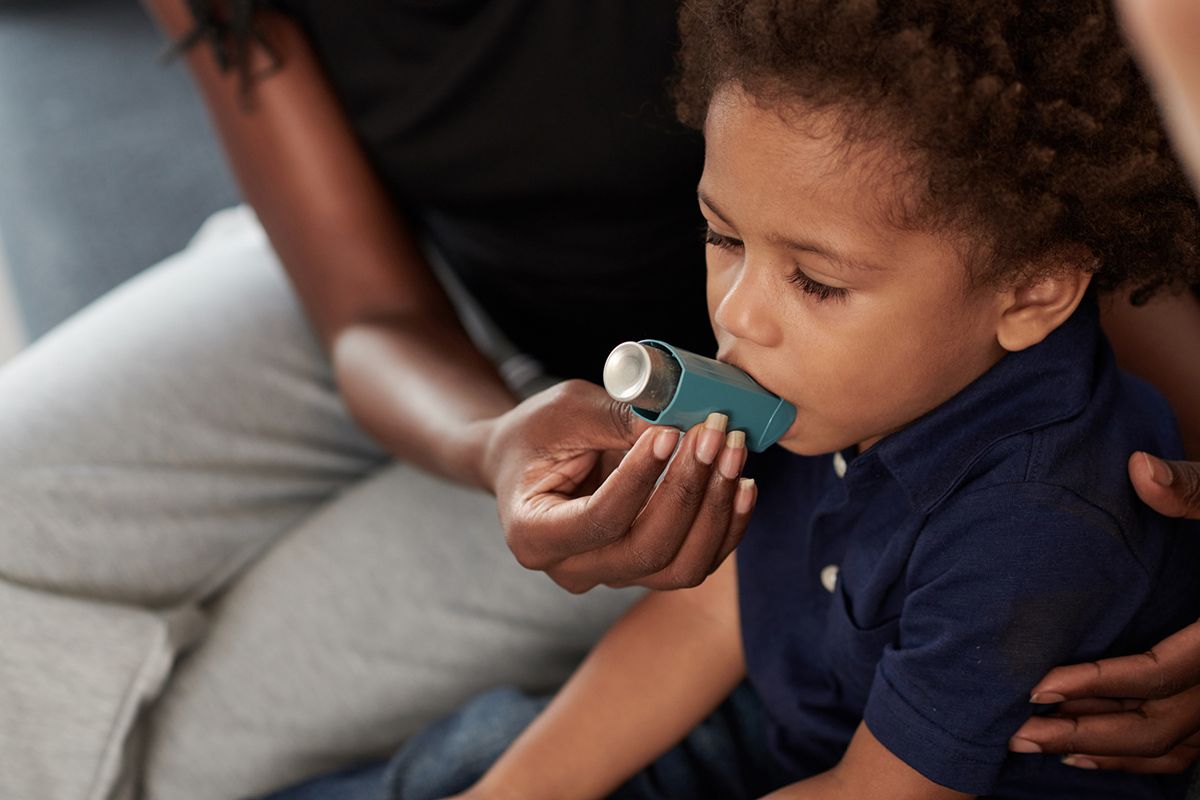
Summer Asthma and Warm Weather | Allergy & Asthma Network

Summer Asthma and Warm Weather | Allergy & Asthma Network

Explore some of the causes of summer asthma, identify common triggers and learn summer asthma tips to avoid flare-ups.

launch allergyasthmanetwork.org
Children's asthma rates linked with neighborhood characteristics, race, ethnicity

Children's asthma rates linked with neighborhood characteristics, race, ethnicity

Children living in neighborhoods with higher population densities, greater proportions of lower-income households, and greater poverty had higher rates of asthma, according to a study led by Harvar...

launch hsph.harvard.edu

Advocacy and Education for Summer Safety

As the summer season begins, so do the health and safety challenges it brings. For healthcare providers, particularly nurse leaders, it is essential to advocate for and educate our patients about the risks associated with summer activities and the disparities that affect vulnerable populations. By addressing issues such as racial discrepancies in childhood drowning, the increased heat in low-income neighborhoods, and the demographics most at risk for heat-related illness, we can provide targeted interventions and support to those who need it most.


Drowning is a leading cause of unintentional injury death among children, and the statistics reveal stark racial disparities. According to the Centers for Disease Control and Prevention, African American children aged 5-19 drown in swimming pools at rates 5.5 times higher than those of white children. Contributing factors include limited access to swimming lessons and a lack of nearby recreational facilities.


As nurse leaders, we can advocate for increased access to swimming education and safety programs in underserved communities. Partnering with local organizations to provide free or low-cost swimming lessons can help bridge this gap. Additionally, educating parents and caregivers about the importance of water safety and supervising children around water can prevent tragic accidents.


The urban heat island effect, where urban areas experience higher temperatures than their rural surroundings, disproportionately affects low-income neighborhoods. These areas often have fewer green spaces and higher concentrations of heat-absorbing surfaces like concrete and asphalt. As a result, residents in these neighborhoods are more likely to experience heat-related illnesses.


To combat this, nurse leaders should advocate for community cooling strategies such as the establishment of cooling centers, increased tree planting, and the creation of more green spaces. Educating patients on the signs and symptoms of heat-related illnesses, such as heat exhaustion and heat stroke, and the importance of staying hydrated and cool can also help mitigate risks. Collaborating with local governments and non-profits to provide resources like fans, air conditioning units, and public cooling stations is vital.


Certain demographics are more susceptible to heat-related illnesses. These include the elderly, children, individuals with chronic medical conditions, and outdoor workers. Elderly individuals may have diminished ability to regulate body temperature and may not recognize the signs of overheating. Children, especially those under four, are also at high risk because their bodies are less efficient at regulating temperature. Those with chronic illnesses such as heart disease or diabetes may be more vulnerable due to their medical conditions or the medications they take. Outdoor workers are at risk due to prolonged exposure to high temperatures and physical exertion.


Nurse leaders should prioritize educating these at-risk groups about preventive measures. This includes advising them to stay indoors during peak heat hours, wear lightweight and light-colored clothing, and take frequent breaks in shaded or air-conditioned environments. Emphasizing the importance of hydration and providing information on how to recognize and respond to heat-related illnesses is crucial.


Advocating for patient summer safety involves a multi-faceted approach that includes education, community engagement, and policy advocacy. By addressing the specific needs of our diverse patient populations, we can help ensure that everyone enjoys a safe and healthy summer.


As healthcare providers, our role extends beyond clinical care to being champions for our patients' well-being. Let us use our knowledge, influence, and resources to make a positive impact this summer, ensuring that our communities are informed, prepared, and protected against the season's health hazards. Together, we can create a safer summer for all.

Previous Newsletters

June: Pride Month

May: Mental Health Awareness Month

April: Disability Rights

March: Women's Health Equity

February: Environmental Health and Justice

January: Combatting Misinformation and Disinformation

December: Resilience and Community Care

November: Navigating the Digital Frontier

October: Legislative Update

September: Maternity Care

August: Civic Health Month

ACNL logo
open_in_new zoom_out_map

Association of California Nurse Leaders

Email: info@acnl.org
Website: https://www.acnl.org/
Location: 180 Promenade Circle suite 300, Sacramento, CA 95834, USA
Phone: 916-779-6949

Kimberly Long
Kimberly is using Smore to create beautiful newsletters
Loading indicator

close