
OCTOBER EDTECH UPDATE
October 2025 - EdTech Tips, Teaching Strategies & More..


Check out what's new with SEESAW
That’s why they’re adding Hola Books into Seesaw—an authentic, research-based collection designed to support multilingual students and empower biliteracy. 🌟
They have a deep commitment to Spanish literacy and the impact of providing meaningful, culturally relevant content for students and educators to learn, grow, and celebrate their identities. 💜📚
Find the collection here: https://bit.ly/4851oLk
Seesaw Library: Math Collections 🧮➕➖➗✖️🟰 📐
The math collections have been expanded to include Math Fact Fluency activities for k-5 students.
Topics covered are addition, subtraction, multiplication, and division, with fractions coming soon.
They’re great for warm-ups, centers, or quick skill checks—and they’re all ready for you to assign, right from the Library
Click the Links Below to Access Collections in Seesaw
WINNER WINNER 🐓 DINNER!!
Congrats to our September Seesaw Challenge Winners:
🎸⭐️ Aurelie Noble - Charlemagne
🎸⭐️ Jessyka Cook - Edgewood
🎸⭐️ Allison Kreider - Howard
🎸⭐️ Sarah Johnson - Gilham

Indigenous Peoples' Day Monday, October 13th 2025
Indigenous Peoples Day falls on the second Monday of October, the same date as Columbus Day, and aims to honor the history, cultures, and resilience of Indigenous peoples, contrasting with the historical narrative of Columbus Day which highlights the negative impacts of colonialism. Indigenous Peoples Day is meant to uplift and recognize the history and contributions the continent's original inhabitants. The first federally recognized Indigenous People’s Day was in 2021.
- The Zinn Education Project believes in taking a more engaging and more honest look at the past. Take a look at their resources on Native American topics.
- the National Museum of the American Indian (NMAI) offers educational resources, exhibits, and events focused on Indigenous cultures and history.
The following resources were put together an published by the American Library Association:
An introductory list of ten tips for teachers and librarians to consider when beginning to plan lessons about Indigenous People. Prepared by Debbie Reese and Jean Mendoza
A database organized by Dr. Debbie Reese with reviews, lists, articles, and posts about the issues in children’s literature related to Native and Indigenous representation and reviews of literature which is both problematic and excellent.
The American Indian Youth Literature Award is given in even-numbered years to authors and illustrators for their work in picture books, middle grade and young adult categories.
A place for educators to build their own background knowledge about Native American history and find resources to help them teach this in an honest and accurate way.
llumiNative is a Native-led organization that focuses on changing the narrative about Native peoples in the United States. They create educational content and campaigns that celebrate Indigenous cultures and history.

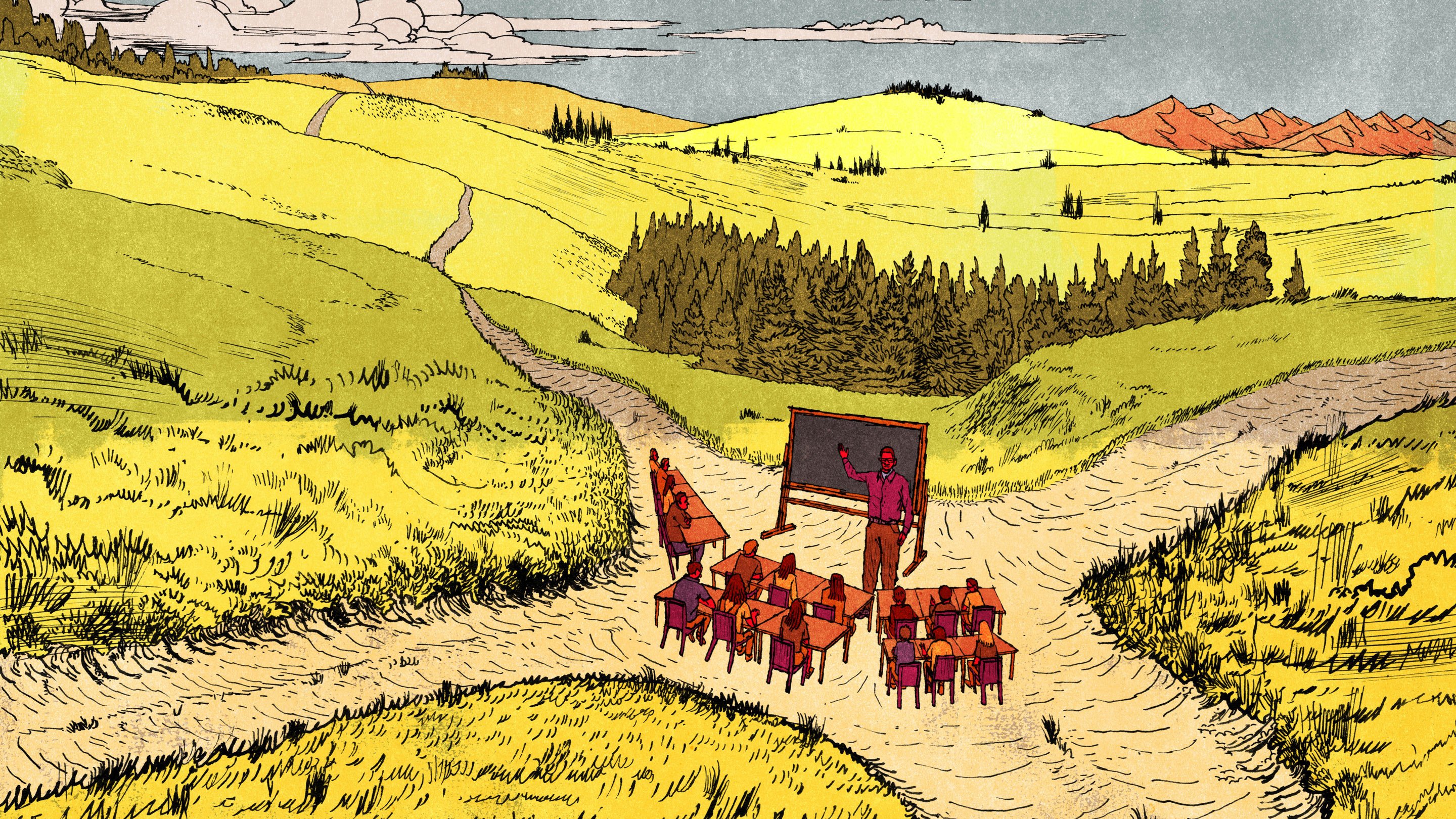


Meeting Readers Where They Are: From Books to Earbuds
The Reading Decline Is Real
Last month, I came across this headline: “Reading for pleasure in free fall: New study finds 40% drop over two decades.”
Similar stories spread quickly across the news and social media after the study—published in iScience by the University of Florida and University College London—was released. I wasn’t entirely surprised; the NEA reported similar findings last fall.
What stood out, though, were the reactions. Some education influencers called for the return of sustained silent reading. Others demanded a complete ban on classroom technology. Still others reignited debates about phonics and the “science of reading.” A few even tied the decline to politics.
I’ll let others argue about the causes and correlations . For me, one reason is simple: some kids just don’t like reading.
My Story: An Audio/Visual Learner
I’ve always been more of an audio/visual learner than a reader. As a young adult, I loved the idea of books, but I rarely finished one. Instead, I thrived in lecture-based classes and still remember fondly those teachers who read aloud in class, especially those who used mimicry.
In college, I did the assigned reading when it mattered, but if it didn’t connect to exams—or if there was a shortcut—I skipped it. For years, my habits mirrored the statistics: I read for school and work but rarely for enjoyment.
Then came the audiobook and podcast revolution and Everything changed! I now go through so much audio content that I have to switch formats so that I don't exhaust my allotted subscription minutes. If I find an narrator that holds my attention like those teachers did in my younger days, I can tear through a series, like wildfire.
A New Approach to Reading
When I read Lindy Hockenbary’s blog post, A Universal Design for Learning Strategy: AI-Generated Audio Summaries + Spotify for Creators = A Podcast for Your Classroom, it hit me: there are other ways to foster reading. And Gen Z and Gen Alpha practically prove it. They live with earbuds in. Why not leverage that habit for learning?
Turning Classroom Content Into Audio
Thanks to AI, it’s easier than ever:
No studio time required.
No microphones or editing.
No steep learning curve.
Tools like NotebookLM or Brisk can read, summarize, and generate audio from any text you provide. In just minutes, your classroom materials can become an accessible, flexible resource for all learners. Click on Lindy Hockenbary’s blog post for a step-by-step how-to guide.
Why It Matters: UDL in Action
This isn’t just a tech trick—it’s pedagogy.
By converting text into audio, you’re implementing Universal Design for Learning (UDL): providing multiple means of representation so every learner can access information in a format that works best for them. And when that format happens to be the one students already love—audio—you’re not just making content accessible; you’re making it engaging.
Final Thought
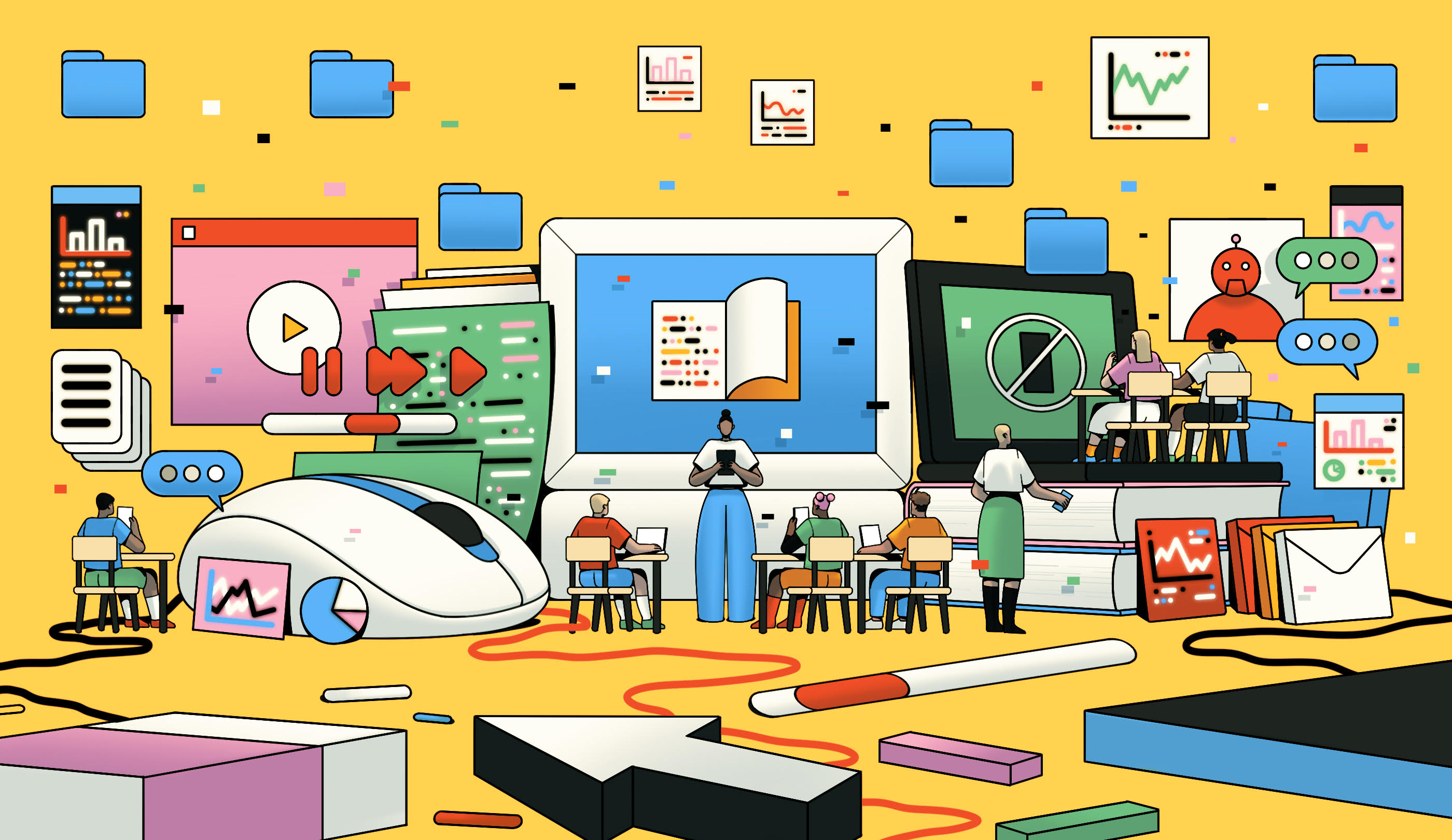
See for yourself! Here is a 13 minute podcast "The Classroom of the Future" created using NotebookLM of this newsletter. I Just add the link and in seconds it read and analyzed this newsletter producing an audio version in form of a podcast.


Halloween Traditions
Explore Halloween 🎃 traditions around the world 🗺️ with this interactive map created with @Genially Share by @karleymoura.com. Just one of the fun and free Halloween activities shared in this new post! 13 FREE Halloween Activities for Home and School virtualescaperooms.org/free-hallowe...

Educator Collections
! FIND AMAZING CONTENT -- ready to use in your content area or speciality.
Thank you to the following Education Allstars for sharing:
🌟Dr. Karina Quilantan-Garza 🌟Camille Strode 🌟Donnie Piercey 🌟Jessica Pack 🌟Tim Needles

Padlet
You can now make unlimited sandboxes until the end of 2025.
Plus, pick from 60 ready-made sandbox templates that turn an empty card into something instantly useful.
Have you been looking for an alternative to Jamboard?

Book Creator
The October Activity Journal from Book Creator. It is filled with cool, creepy and fun activities each day. Our students love creating in the Book Creator journals each month.
You can remix and share with your students. Find the link to October's Activity Journal, here:

Brisk
What if lesson planning was actually simple? 🤔 With Brisk Next, you can generate, organize, and share resources designed for your classroom in minutes. Ready to save time? Read Matt Millers how to: f.mtr.cool/atyxoqmlwt

Halloween Escape Game
Check out this #breakout that's all ready to gamify your class! It's a #Reusablegenially and you can personalize it.

Digital Literacy & Well-Being Curriculum
💰 Free K–8 lessons to prepare students for life in the digital world.
Updated curriculum readies students for the possibilities—and pitfalls—of today's always-on world, from AI literacy to cyberbullying, screen time, and more.
- 🎯 Expanded coverage, with over 140 new lessons on today's most relevant topics.
- 📅 Engaging, low-prep activities: Brand-new videos, games, and interactives.
- 🔎 Backed by research, classroom tested, and created with teachers just like you.
And, it's 100% free for educators everywhere.


SO COOL.....
1. Kialo is an online structured debate platform with argument maps in the form of debate trees. It is a collaborative reasoning tool for thoughtful discussion, understanding different points of view, and collaborative decision-making, showing arguments for and against claims underneath user-submitted theses or questions
2. Lucid - Whiteboard - that anyone can sign up for, but it is a free tool in Canvas that helps you Create next-generation diagrams with AI, data, and automation in Lucidchart. Understand and optimize every system and process.
3. Poll Everywhere is an easy way to gather live responses in any venue: conferences, presentations, classrooms, etc.
4. Twee - is an AI-powered platform that provides English language teachers with a suite of over 30 tools to create personalized lesson plans and materials.
5. Groovelit - Gamified practice to turn reluctant 5th-10th grade writers into confident authors.