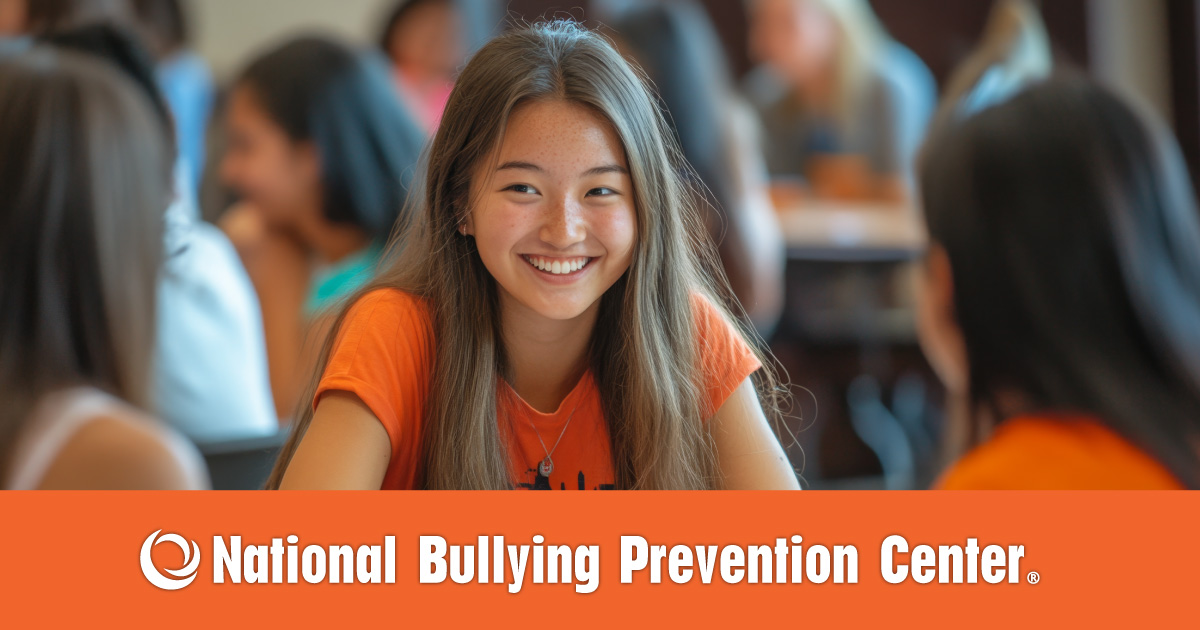
National Bullying Prevention Month
Section Four

What You Will Find In This Toolkit: Links to Different Sections
Section One: Reframing the Narrative
Section Two: Inclusion Year-Round
Section Three: Ideas for Any Disability Event
Section Four: Four District-Recognized Disability/Inclusion Events and Ways to Celebrate
- Disability Awareness (Any Time)
- National Bullying Prevention Month and Unity Day (October)
- Inclusive Schools Week (First Week of December)
- Disability History Month (March)
National Bullying Prevention Month
National Bullying Prevention Month (NBPM) is a month-long event to prevent childhood bullying and promote kindness, acceptance, and inclusion!
Historically, bullying has been viewed as “a childhood rite of passage” that “makes kids tougher,” but the reality has always been that bullying can leave devastating and long-term effects, such as a loss of self-esteem, increased anxiety and depression for those involved.
Children with disabilities are two to three times more likely to be bullied than their nondisabled peers, and because they are more likely to be socially isolated, they may not have built-in friend networks to support them if they are targeted. Children with intellectual and developmental disabilities may also have trouble understanding social cues and expectations, which can lead to isolation, exclusion and even bullying.
NBPM is a time to spotlight what students can do to help prevent bullying. We are fortunate to have a great resource in our community, Judy French from PACER's National Bullying Prevention Center.
Contact her at judy.french@pacer.org for posters, programs and resources for all levels.
National Bullying Prevention Month
Created by Medha, a student from Virginia, this animated video provides an overview about National Bullying Prevention Month, how it got started and ways to get involved.
Start Here: Tips for Using the Toolkit
PACER Websites for Parents, Educators, Kids and Teens
PACER'S All In Toolkit
All In Toolkit
This curriculum is designed to provide everything needed to deliver information on addressing and preventing bullying at school, in online platforms and in the community.
These free, easy to implement online resources are designed to cover the entire school year and to inspire students to be invested in creating safe and supportive schools and communities through instruction, engagement, and peer interaction.
Click the link below to access the toolkit.
Help Students Recognize the Signs of Bullying
This handout from PACER has tips to help students recognize bullying, how parents should react and resources for next steps.
The resources include a Student Action Plan and videos by teens explaining advice gone wrong and why teens don't tell adults.
Mean Girl Behavior & Relational Aggression
Mean Girl behavior, also known as relational aggression, is a type of bullying that involves manipulating relationships and social circles to harm others, often through indirect means like gossip, exclusion, and undermining social standing. It's a form of social bullying where the goal is to damage someone's reputation, social status, or self-esteem rather than inflicting physical harm.
Mean Girl behavior is also found in disempowered groups and stems from attempts to regain power that is lost. The best way to stop relational aggression is to empower girls and others who are marginalized with tools to rebuild confidence and regain their power in all places and spaces.
The video below by Hopscotch Girls provides a brief overview of Mean Girl Behavior.
Articles on Mean Girl Behavior & Relational Aggression
The articles below explain Mean Girl Culture, how it impacts children starting as young as elementary school and what steps schools can take to address Mean Girl Behavior.
Rejecting the Mean Girl Framework
Read this article from Edutopia to learn more about rejecting the ‘Mean Girl’ Framework and ideas for guiding girls toward positive interactions with each other.
When Little Girls Are Mean: Helping Young Girls Handle Relational Aggression
This article from A Mighty Girl explains that adults often think that relational aggression — including social rejection, manipulation, and exclusionary cliques — starts in middle school, but these types of bullying often start at even younger ages.
Bullying in childhood can have a lasting impact: it is associated with depression, anxiety, social withdrawal, low self-esteem and academic problems. So it's important to tackle the problem early on, whether a student is the one being targeted or excluded, the one leading the pack, or one of the bystanders who's not sure how to handle the situation.
"You're Not My Friend!" Relational Aggression Starts As Early As Preschool
This article from A Mighty Girl explains that relational aggression — using the threat of removing friendship, ostracism, and other forms of social exclusion — can appear in children as young as three years old. For children that young, the experience of being pushed away by a friend can be utterly baffling, provoking anxiety at daycare or preschool.
Each of the above articles from A Mighty Girl provides a list of books
that can help students deal with Relational Aggression and Mean Girl Behavior.
Bullying: The Throwback Bully
With an interesting twist, this video demonstrates relational aggression, or Mean Girl behavior, how it affects students and encourages everyone to reach out, talk to others and stop it.
M.E.A.N. Girls Empowerment: One Community's Solution
Manage Emotions Avoid Negativity Girls Inc., affectionately known as M.E.A.N. Girls Empowerment™ (MGE), is a Chicago-based mentoring program specifically focused on addressing bullying prevention by educating and empowering girls. Unlike general anti-bullying initiatives, MGE tailors its efforts to the unique social and emotional dynamics that girls face, offering targeted support and strategies to meet their specific needs.
Bullying of Students with Disabilities
The resources linked below provide information and actions to address the bullying of students with disabilities. Students with disabilities are two to three times more likely to be bullied than their nondisabled peers.
One of the most common forms of bullying is social exclusion. Neurodivergent students may not always recognize unspoken social cues and often do not conform to what are considered societal norms. Without neurodiversity affirming supports in learning and social situations, neurodivergent students are at high risk for social exclusion.
Addressing Bullying in Conejo Valley USD
Presentation on Bullying Prevention Efforts in Conejo Valley USD
The presentation linked below was given at a meeting of CVUSD's Special Education District Advisory Council (SEDAC). This slide deck focuses on all the ways CVUSD is addressing bullying, such as SEL instruction, teacher resources, student clubs, wellness rooms and the No Place for Hate program.
No Place for Hate
To address bullying and harassment, Conejo Valley USD has rolled out No Place for Hate programs at various schools around the district over the past two years. The goal is for all schools to have a program by the end of the 2025-2026 school year.
Click the link below to learn more about the program and its resources.
How to Report Bullying in Conejo Valley USD
This poster informs students and families how to file a confidential report about bullying,
with options to call, text or use a QR code.
Some schools also have anonymous communication drop boxes. If you have one, be sure to let students know it is there. Elementary students might need explicit instruction on how to use the communication box or benefit from practice using it through a writing assignment or submitting comments about the school.
Elementary Resources & Activities
Carmen's Corner Video Series
The Invisible Boy
The Invisible Boy is a gentle book that shows how small acts of kindness can help children feel included and allow them to thrive. Read aloud video
Use the Invisible Boy Lesson Plan to teach kids about being left out and what they can do to include others. (Designed for Second to Fifth Grade)
What is Empathy? A Bullying Storybook for Kids
The story is told twice―first from Sofia's point of view, and then from Ava's, so kids can experience how their feelings change when they see things from a different perspective.
Be an Upstander
This video teaches kids the difference between bystanders and upstanders. Upstanders stand up to bullying, using one or more of four options: Be a Buddy, Interrupt, Speak Out and Tell Someone.
The Rainbow
The Rainbow is a short video showing how kids can end bullying and exclusion by reaching out to others who are isolated or left out. This video is appropriate for all elementary grade levels and can serve as a discussion or writing prompt.
Poster: How to Tell An Adult
Kids are told that if they see bullying or are being bullied, they should tell an adult. That is great advice! But how do you do that? Share this poster and discuss ideas with students about how they can tell an adult when they witness or experience bullying.
Middle and High School Resources & Activities
Teen Talk on Cyberbullying
What Should You Do? Peer Advocacy & Ways to Be There
Share the videos above and below and use the Educator Guide and Student Handout to guide students through both of the hypothetical bullying scenarios and discuss options for action.
Protect Yourself Against Bullying
“No one ever has the right to hurt you or make you feel unsafe.” It’s important for kids to know that bullying is never ever OK. They need to learn to stop, walk away, and tell an adult they trust. This video is a great depiction of Mean Girl behavior and is appropriate for middle school students.
Sequoia Middle School's Bullying Prevention Month Videos
Sequoia Middle School's KA19 SMS Channel has student-produced videos on a variety of topics. Below are the most recent videos for National Bullying Prevention Month.
Channel KA19 SMS: Bullying Prevention Part 1
Watch this video about National Bullying Prevention Month featuring Sequoia Middle School students Nico and Brennan describing bullying and what you can do to stop it..
Channel KA19 SMS: Bullying Prevention Part 2, Cyberbullying
Watch this video about cyberbullying on social media and in online gaming featuring Sequoia Middle School students Trent and Evelyn.
It Only Takes One
Based on a true story, this video shows what can happen when one person takes a stand against bullying, inspiring others to do the same. This video can work for middle or high school students.
Be the Change
In this video, a student who’s been bullied himself begins to bully others. Then he realizes it’s up to him to break the chain. This may strike a chord with many kids who think it’s OK to bully because they’ve experienced it themselves. This video can work for middle or high school students.
Organize Weekly Activities for the Entire Month
Coordinate with school counselors to host weekly activities for National Bullying Prevention Month!
Cyberbullying Poster Series
Students and school accounts can download and share any of these posters on social media platforms to show support for kindness, acceptance and inclusion.
Online Actions, Offline Difference
Kindness is Free
Show Someone They're Not Alone
Humanity Rising is a student-led movement to create a more compassionate and better world through service. Bullying is a nationwide, and worldwide epidemic, and Humanity Rising has an Anti-Bullying Program that encourages students to become upstanders and allies, creating greater unity in our schools, communities and world.
#BehindTheScreen
#BehindTheScreen is a youth-created Anti-Bullying Curriculum hosted by Humanity Rising. It teaches students, parents, and teachers about cyberbullying, how to prevent it, and how to be upstanders. Students also learn how they can teach younger students in their communities about bullying and self-esteem, helping them see the light in themselves and others.
Participating students will be eligible for service learning hours and
exclusive scholarship opportunities! Click below to learn more!
An Idea for All Students: Pledge Against Bullying
Host a Pledge Signing Event/Assembly at Your School
- Host a speaker at an assembly (virtual or in person) who can talk about bullying and its long-term effects.
- Show a video or have a guest read a book to students that shows the impacts of bullying and how kindness, acceptance and inclusion can create change.
- Have school counselors or teachers provide social emotional learning on these ideas.
- Give students an opportunity to share with an anonymous comment box or a giant poster they can sign.
- Have student leaders lead the assembly in taking the pledge.
I pledge to SUPPORT others who have been hurt or harmed, treat others with KINDNESS, be more ACCEPTING of people's differences, and help INCLUDE those who are left out.
Additional Resources for All: CAC Bullying Prevention Guide
Originally created by the SEDAC Disability Celebrations Committee, 2021-2022
- Erin Bell, SEDAC Chair
- Jenny Crosby, Committee Chair, Newbury Park High School SEDAC Representative
- Lee Ann Holland, Committee Chair, SEDAC Member At Large, Colina Middle School SEDAC Representative
- Carole Shelton, SEDAC Member At Large
Updated by the SEDAC Inclusion Committee, 2024-2025
- Denise Benic, SEDAC Chair
- Lee Ann Holland, Committee Chair, SEDAC Parliamentarian
- Lana Clark, EARthS SEDAC Representative
- Karen Kyle, SEDAC Member At Large, Weathersfield Elementary SEDAC Representative
- Neptune Mizrahi, Cypress Elementary SEDAC Representative
- Michelle Murphy, Wildwood Elementary SEDAC Representative
- Danielle Vega, Community Member