As frontline caregivers, nurses play a crucial role in providing mental healthcare to individuals from diverse backgrounds. However, addressing the unique needs of communities of color, LGBTQ individuals, people with disabilities, and other marginalized groups requires a nuanced understanding of cultural humility, social determinants of health, and inclusive practices. These communities have faced systemic barriers to accessing mental healthcare, including stigma, language barriers, and disparities in healthcare resources. In recognizing and addressing these systemic barriers, nurses can strive towards a more equitable and inclusive mental healthcare system for individuals from diverse backgrounds.
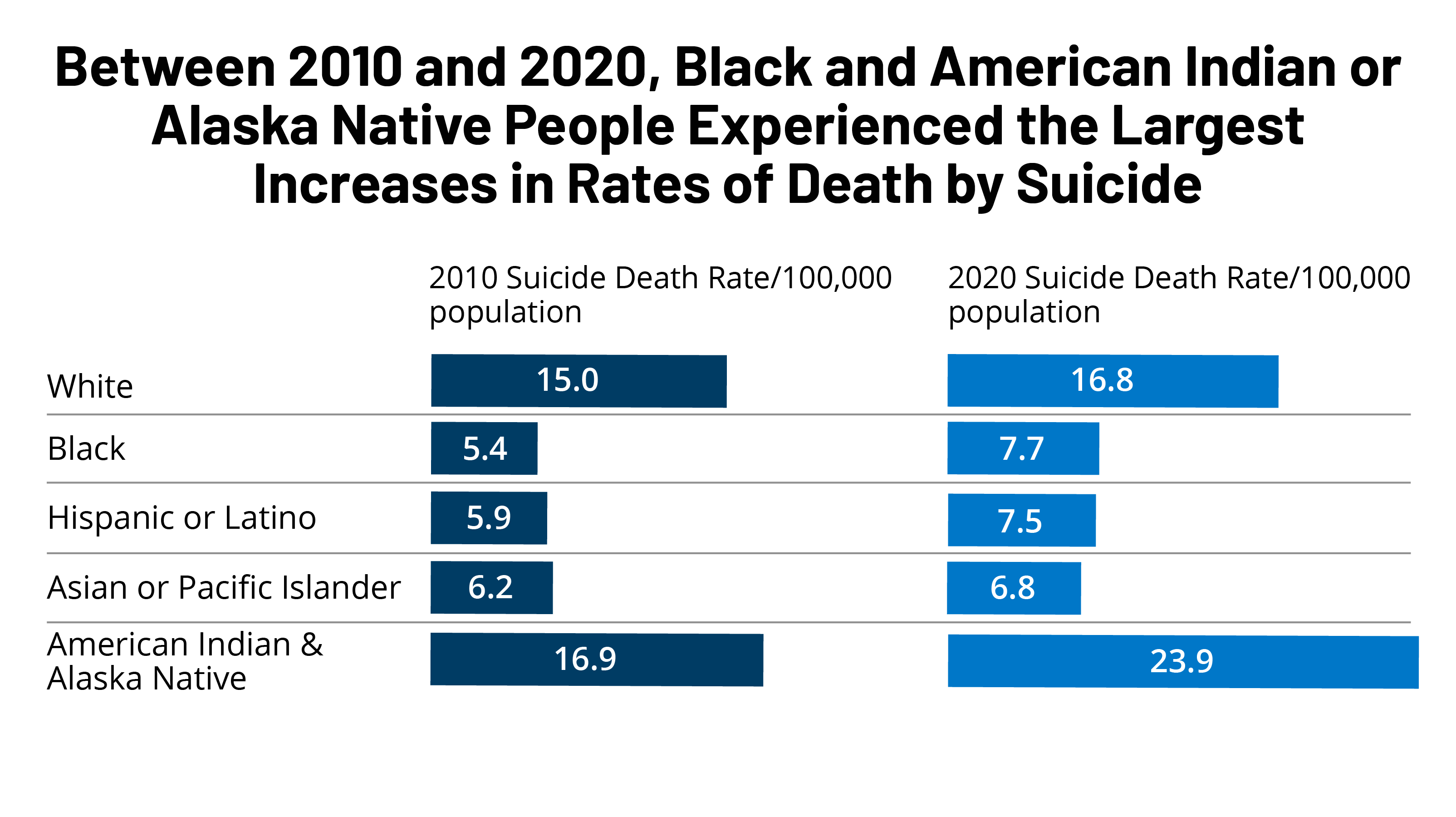
Historically, communities of color have endured systemic barriers that impede their access to essential mental healthcare services. Among the most pervasive obstacles are cultural stigmas surrounding mental illness, often perpetuated by societal norms and beliefs. These stigmas can manifest as shame or fear of seeking help, leading individuals to suffer in silence rather than seek the support they need. Language barriers further exacerbate the problem, as many healthcare settings may lack adequate interpretation services, leaving non-English speakers without access to vital information or treatment options.
Communities of color often face disparities in healthcare resources, stemming from longstanding inequities in funding, infrastructure, and access to quality care. Limited availability of culturally competent mental health providers within these communities exacerbates the issue, leaving many individuals without access to care that respects their cultural backgrounds and identities.
Experiences of racism, discrimination, and historical trauma compound the mental health challenges faced by communities of color. Constant exposure to systemic injustices and microaggressions can lead to chronic stress, anxiety, and depression, contributing to a heightened risk of mental illness. Additionally, intergenerational trauma, stemming from past traumas such as slavery, colonization, or forced displacement, can have lasting effects on mental health outcomes within these communities, perpetuating cycles of distress and adversity.
In order to effectively address these systemic barriers, healthcare providers must engage in culturally sensitive practices that acknowledge and respect the unique experiences and needs of communities of color. This includes actively challenging and dismantling cultural stigmas surrounding mental health, providing language-accessible services, and advocating for increased funding and resources to address healthcare disparities. By fostering a supportive and inclusive healthcare environment, nurses can play a pivotal role in promoting mental wellness and resilience within communities of color.
Members of the LGBTQ community frequently encounter distinctive mental health obstacles stemming from societal prejudice, discrimination, and the risk of familial or peer rejection. The pervasive stigma surrounding non-heteronormative identities can lead to profound feelings of shame, isolation, and internalized homophobia or transphobia among LGBTQ individuals. Moreover, the constant threat of discrimination and violence in various social contexts, including healthcare settings, can exacerbate feelings of anxiety, depression, and post-traumatic stress disorder.
In providing mental healthcare to LGBTQ individuals, healthcare professionals must cultivate cultural humility and sensitivity to affirming care. This entails recognizing and valuing the diverse experiences, identities, and expressions within the LGBTQ community, including but not limited to gender identity, sexual orientation, and intersectional identities such as race, ethnicity, and disability. By creating an environment that prioritizes respect, validation, and inclusivity, healthcare providers can foster a sense of safety and trust, which are essential for LGBTQ individuals to disclose their concerns and access appropriate support services.
Furthermore, healthcare providers should familiarize themselves with LGBTQ-specific health disparities and evidence-based practices to address them effectively. This may include offering hormone therapy and gender-affirming surgeries for transgender and nonbinary individuals, providing mental health support groups tailored to LGBTQ experiences, and advocating for policy changes that protect LGBTQ rights and improve access to healthcare services.
People with disabilities confront elevated rates of mental health conditions, primarily influenced by a multitude of factors including social isolation, physical limitations, and pervasive discrimination. The intersection of disability and mental health presents unique challenges, as individuals may experience compounded stigma and barriers to accessing necessary support services. Social isolation often arises due to physical or environmental barriers that limit participation in social activities or community engagement. This isolation can exacerbate feelings of loneliness, depression, and anxiety, further impacting overall mental well-being.
The physical limitations imposed by some disabilities can restrict individuals' autonomy and independence, leading to feelings of frustration, helplessness, and diminished self-esteem. These challenges may be exacerbated by societal attitudes that devalue or marginalize people with disabilities, perpetuating a cycle of discrimination and exclusion.
In order to ensure equitable care for people with disabilities, healthcare facilities must prioritize accessibility and accommodations. This includes physical modifications such as wheelchair ramps, accessible parking spaces, and adjustable examination tables, as well as ensuring that medical equipment and technology are usable for individuals with diverse needs. Additionally, healthcare providers should adopt inclusive communication practices, such as offering alternative formats for written materials, utilizing plain language and visual aids, and providing sign language interpreters or communication assistants for individuals with speech or hearing impairments. By prioritizing accessibility, inclusion, and holistic care, healthcare providers can better support the mental health and well-being of people with disabilities, promoting greater autonomy, dignity, and quality of life for this population.
Culturally Sensitive Care
Establishing trust is essential for effective nurse-patient relationships, particularly within marginalized communities. Nurses can foster trust by acknowledging cultural differences, actively listening to patients' experiences, and demonstrating empathy and respect. Nurses should educate themselves about the cultural norms and practices of the populations they serve, recognizing the impact of culture on perceptions of mental health and help-seeking behaviors. Language barriers can hinder effective communication and lead to misunderstandings or misdiagnoses. Nurses should utilize interpreters or bilingual staff when necessary and employ clear, simple language to ensure that patients fully comprehend their care plans and treatment options.
Community Partnerships
Collaborating with community organizations and leaders can help nurses better understand the unique needs of diverse populations and connect patients with culturally competent resources and support networks. Community-based interventions, such as peer support groups or culturally tailored therapy programs, can complement traditional healthcare services.
Advocacy and Education
Nurses have a responsibility to advocate for equitable healthcare policies and practices that address the needs of marginalized communities. This includes advocating for increased funding for mental health services, promoting diversity and inclusion within healthcare settings, and participating in ongoing cultural competency training and education.
In conclusion, providing mental healthcare to diverse communities requires a multifaceted approach that prioritizes cultural competence, inclusivity, and advocacy. By recognizing the unique challenges and strengths of communities of color, LGBTQ individuals, people with disabilities, and other marginalized groups, nurses can deliver more effective and compassionate care that promotes holistic well-being and recovery. Embracing diversity and actively working to eliminate healthcare disparities are essential steps toward creating a more inclusive and equitable healthcare system for all.