
September DEI Newsletter
ACNL | 2023
Changing Seasons: The September Edition of the ACNL DEI Newsletter
As we step into the crisp embrace of September, we find ourselves on the threshold of change, much like the changing colors of autumn leaves. In this edition of the ACNL Diversity, Equity, and Inclusion (DEI) Newsletter, we embark on a journey that is both timely and transformative.
The year 2023 has brought with it a renewed commitment to promoting diversity, equity, and inclusion in healthcare, a mission that lies at the very heart of our organization. It is a testament to our collective resilience and dedication that we continue to shine a light on the critical issues affecting our healthcare system. This edition is dedicated to amplifying the voices of those who have long been underrepresented, elevating stories that inspire us to strive for a more inclusive and equitable future.
Our diverse community of nurse leaders across California has been unwavering in its pursuit of a healthcare landscape that embraces the rich tapestry of backgrounds, perspectives, and experiences that define our state. This edition aims to celebrate the progress we've made and ignite the flame of advocacy for the work that still lies ahead. We will explore the intersection of healthcare and diversity, share strategies for advancing equity within our organizations, and highlight the exceptional work being done by our members to make lasting change.
Our commitment to DEI is not a passive endeavor; it is an active, continuous journey that requires collaboration, courage, and empathy. Together, we can create a healthcare landscape that is truly reflective of the diverse communities we serve.
Thank you for being a part of the ACNL DEI community. Your dedication and passion are the driving forces behind the positive change we seek. As we delve into the insights and experiences within this newsletter, may they inspire us to lead with compassion, drive progress, and make September a month of meaningful transformation.
In Solidarity,
The DEI Committee Members:
Anitra Williams
Christina M. Oldini
Kimberly Long
Karen Mitchell-Keels
Make'da Traynum
Marshall Blue
Nicole Barnett
Sharon Goldfarb
Sheree Criner
Yury Nevarez
CMS Takes Action to Protect Health Care Coverage for Children and Families

Promoting Respectful Maternity Care: A Vital Step Towards Addressing Maternal Mortality Disparities
In recent years, the United States has faced a disheartening increase in maternal deaths, a concerning trend that comes with stark racial disparities. In response to this growing concern, a study has shed light on a crucial aspect that demands our immediate attention - the importance of ensuring respectful maternity care. This report, Vital Signs: Maternity Care Experiences — United States, April 2023, underscores the critical need for integrating respectful care practices into strategies aimed at enhancing the quality of maternal care and ultimately reducing pregnancy-related deaths.
The statistics revealed in this report are both illuminating and disconcerting. The increase in maternal deaths is not just a statistical anomaly; it is a heartbreaking reality. And within this grim scenario, it is evident that women of color bear a disproportionate burden of this crisis. Maternal mortality rates among Black, Hispanic, and multiracial mothers are alarmingly high compared to their white counterparts. This disparity is a reflection of deep-seated systemic issues that demand immediate rectification.
In the face of these troubling statistics, the concept of respectful maternity care emerges as a beacon of hope. It encompasses a spectrum of actions that healthcare providers can take to ensure that every woman receives the care she deserves during pregnancy, childbirth, and the postpartum period. This includes preventing mistreatment, effective communication, and providing care without discrimination.
The report's findings are distressing, with approximately one in five mothers experiencing mistreatment during maternity care. Even more concerning is that this mistreatment disproportionately affects Black, Hispanic, and multiracial mothers, with around 30% reporting such incidents. Discrimination during maternity care is another harrowing revelation, with roughly 40% of these mothers reporting instances of discrimination. Furthermore, the report underscores a troubling trend where 45% of all mothers admitted to holding back from asking questions or discussing their concerns with their healthcare provider.
The implications of this report for public health practice are clear and urgent. Addressing the alarming disparities in maternal mortality requires a multifaceted approach. Respectful maternity care should be at the forefront of these efforts. Here are a few key takeaways:
- Multilevel Interventions: It is imperative to implement multilevel interventions involving health systems, healthcare providers, patients, and communities. This means not only addressing the biases and discriminatory practices within the healthcare system but also fostering a culture of respectful and empathetic care.
- Education and Training: Healthcare providers must receive comprehensive training in cultural competency, communication skills, and empathy. Understanding and addressing the unique needs and concerns of patients, particularly those from marginalized communities, is paramount.
- Patient Empowerment: Encouraging patients to actively engage in their care is crucial. They should feel empowered to ask questions, voice concerns, and actively participate in decision-making regarding their maternity care.
- Community Engagement: Engaging communities in discussions about maternal care is essential. This can help identify specific challenges and barriers faced by women of color and collaboratively develop solutions that resonate with their needs.
This report underscores the undeniable link between respectful maternity care and improved maternal outcomes. It shines a light on the urgent need for systemic change, both within healthcare institutions and society at large. To address the troubling rise in maternal deaths and the racial disparities that persist, we must prioritize and implement respectful maternity care as an integral part of our strategy to improve maternal healthcare. The lives of countless mothers and infants depend on it, and their well-being must remain our unwavering commitment.
Faulty Oxygen Readings Delayed Care to Black and Hispanic Covid Patients, Study Finds

Nurses as Compassionate Advocates: Addressing the Collateral Consequences of Mass Incarceration
In the intricate web of society's challenges, mass incarceration in the United States stands as a complex issue with far-reaching consequences. A 2016 study by Professor Christopher Wildeman unveiled a startling revelation: the magnitude of mass incarceration had shaved off two years from the overall U.S. life expectancy, with each year in prison translating to a two-year reduction in an individual's life expectancy. Fast forward to 2021, and a new study emerges, shedding light on a previously understudied aspect of this crisis - the impact on families and communities.
This latest research not only confirms the devastating influence of incarceration on the life expectancy of those behind bars but also unveils a sobering reality: it profoundly affects the lives of family members and communities, painting a picture of collateral damage that demands our attention and compassion. As nurses, we are uniquely positioned to provide sensitivity, care, and support to individuals and families navigating this challenging terrain.
The 2021 study leaves no room for doubt - incarceration extends its reach beyond prison walls. People with even one immediate family member who has experienced incarceration face a reduction of 2.6 years in life expectancy. The magnitude of this impact intensifies dramatically for those with more than three immediate family members with incarceration histories, leading to a staggering loss of 4.6 years from their life expectancies. What's particularly noteworthy is that these consequences cut across age, race/ethnicity, gender, income level, housing type, family size, and personal history of incarceration or substance use.
One striking revelation is that this study is the first to connect the dots between incarceration and the overall well-being and lifespan of an incarcerated person's children, spouses, parents, and grandparents. The nationwide implications are staggering, with an estimated 45% of Americans having an immediate family member with a history of incarceration, and 35% having an extended family member with such a history. This statistic alone underscores the widespread repercussions of mass incarceration, affecting tens of millions of individuals irrespective of their personal involvement in the justice system.
As healthcare professionals, nurses play a pivotal role in recognizing and addressing the collateral consequences of mass incarceration with sensitivity and compassion. Nurses should adopt a patient-centered approach that acknowledges the experiences and challenges faced by individuals and families with incarcerated loved ones. Open communication, empathy, and a non-judgmental attitude are paramount. Integrating screening and assessment protocols to identify patients who may be experiencing the effects of mass incarceration can help in offering tailored support and resources.
Nurses can educate patients and their families about available resources, support groups, and counseling services to help them cope with the emotional and practical challenges they may encounter. Actively participating in community initiatives and advocacy efforts to raise awareness about the collateral consequences of mass incarceration is a powerful way for nurses to make a positive impact beyond the clinical setting.
Nurses can lend their voices to the call for decarceration efforts and reforms in the criminal justice system, recognizing that these changes have the potential to significantly improve public health and life expectancy.
The 2021 study's findings are a stark reminder that mass incarceration extends its grip far beyond prison walls, affecting families and communities in profound ways. Nurses, with their unique position as caregivers and advocates, can play a pivotal role in supporting those impacted by this crisis. By providing sensitive, patient-centered care and actively engaging in efforts to address the root causes of mass incarceration, nurses can contribute to a brighter and more equitable future for all Americans.
See You Now: 95: Nursing is Political

Closing the Cancer Gap for Black Americans
The "war on cancer" in America has made significant progress in cancer screening, detection, and treatment, improving overall survival rates and quality of life for most people. However, Black Americans have not experienced the same benefits, with lower survival rates for almost all cancer types. Black men face a 2 to 4 times higher risk of dying from prostate cancer, and Black women are 40 percent more likely to die from breast cancer. Despite these disparities, there is hope, as a collective effort involving researchers, clinicians, patients, advocates, community leaders, and activists is striving to eliminate barriers to care. "Closing the Cancer Gap" showcases these individuals and groups working to ensure equitable access to cancer detection and treatment, while providing support for patients and families facing challenges.
Read more here or click below.

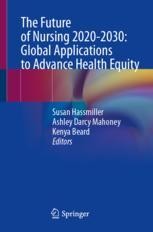
RESOURCE: The Future of Nursing 2020-2030: Global Applications to Advance Health Equity
Serves to enhance the translation of Future of Nursing 2020-2030: Achieving a Path to Health Equity NAM report.
Describes how nurses are in unique positions to address the root causes of poor health.
Explores the goals that can be achieved by 2030.
Read here or click the link below.


Association of California Nurse Leaders
Email: info@acnl.org
Website: https://www.acnl.org/
Location: 180 Promenade Circle suite 300, Sacramento, CA 95834, USA
Phone: 916-779-6949