TSD Inclusive
2025 Community Quarterly


OneTroy serves a community of many cultural, religious and multi linguistic backgrounds. This newsletter invites students, educators and families to celebrate and embrace differences, build awareness and cultivate empathy. This issue highlights all things inclusive for September – December 2025 with some reflection opportunities, tips, and resources, along the way (this is not an exhaustive list).



2025 Theme - Collective Heritage: Honoring the Past, Inspiring the Future
Beginning September 15, National Hispanic Heritage Month is a national celebration that honors the history, culture, and influence of people of the past, present, and future generations of Hispanic heritage. Descendants of South and Central America, Spain, Mexico, and the Caribbean celebrate this time in various ways which to highlight the history, culture, and contributions of those Hispanic Americans.


October offers up an opportunity to do this on many fronts: serving as a time to raise mental health awareness, build our social and emotional capacities, and bring a time of forgiveness and "new beginnings," as we recognize and celebrate our Jewish communities:
Rosh Hashanah, the Jewish New Year, is one of Judaism’s holiest days. Meaning “head of the year” or “first of the year.” The festival begins on the first day of Tishrei, the seventh month of the Hebrew calendar, which falls during the months of September or October. Rosh Hashanah commemorates the creation of the world and marks the beginning of the Days of Awe, a 10-day period of introspection and repentance that culminates in Yom Kippur. Rosh Hashanah and Yom Kippur are the two "High Holy Days" in the Jewish faith.
Also known as the Day of Atonement, Yom Kippur is considered the holiest day in Judaism. The holiday lasts approximately 25 hours and is typically observed with fasting and prayer in alignment with the themes of atonement and repentance. On Yom Kippur, people observing the holiday are asked to abstain from food and drink (among other routines or hobbies) to focus inwardly.
About Rosh Hashanah
https://www.history.com/topics/holidays/rosh-hashanah-historyAbout Yom Kippur
https://www.history.com/topics/holidays/yom-kippur-history
***While the highlighted recognitions above are not an exhaustive list for the month, they are representative of Jewish holidays and traditions of major significance to many ONETroy families.

For many Hindus, the festival commemorates Lord Rama’s return to Ayodhya after defeating the demon king Ravana, and in other regions, it honors Lord Krishna’s victory over Narakasura or the worship of Goddess Lakshmi for prosperity. Jains observe Deepavali as the day Lord Mahavira attained enlightenment (nirvana), while Sikhs mark the occasion as Bandi Chhor Divas, when Guru Hargobind Ji was released from imprisonment along with 52 princes. The festival is celebrated with the lighting of oil lamps (diyas), decorating homes with colorful rangoli, wearing new clothes, preparing sweets, exchanging gifts, and gathering with family and community. Many also see it as the start of a new financial year, symbolizing renewal and hope. Beyond its religious significance, Diwali serves as a reminder of unity, reflection, and the shared human desire for light and joy.

As Halloween approaches, let's guide our learners in celebrating creatively while respecting diverse cultures and avoiding cultural appropriation in their costume choices. It's essential that costumes do not diminish or stereotype others' traditions or histories. Cultures, their symbols, and traditions are not costumes; they're a rich heritage to be respected. Let's use this opportunity to foster an environment of inclusiveness and mutual respect, ensuring our celebrations are fun and respectful for all. Wishing everyone a mindful and joyful celebration!


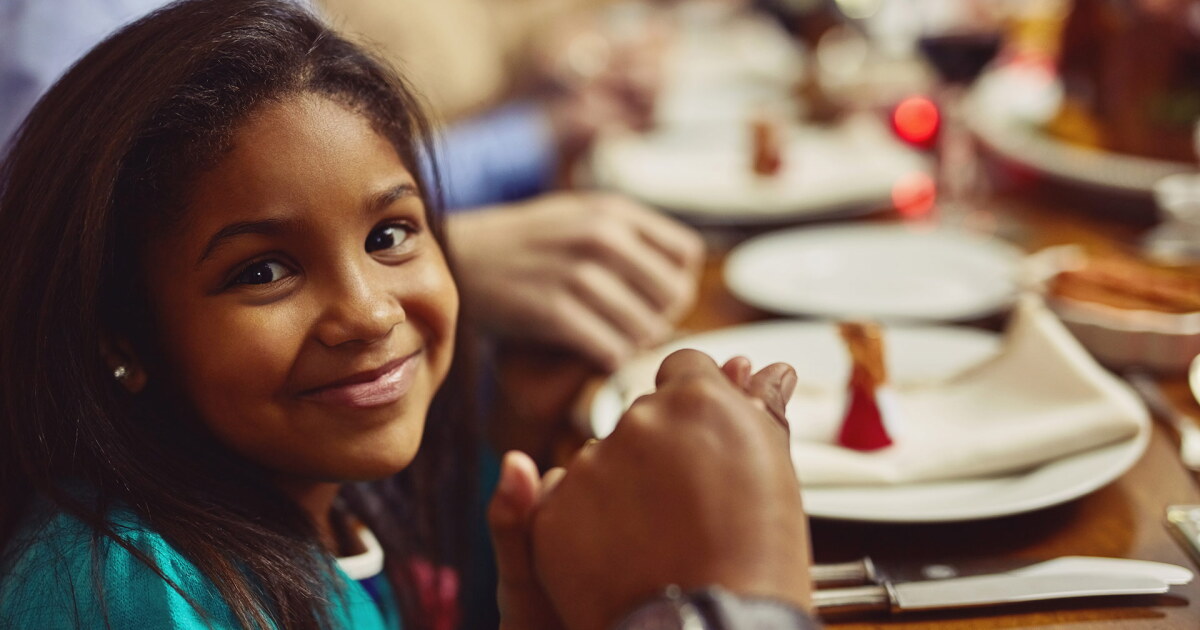

A Day of Reflection and Appreciation
Veteran's Day, observed on November 11th each year in the United States, is a poignant reminder of the sacrifices made by military personnel in service to their country. Originally known as Armistice Day, it commemorated the end of hostilities in World War I in 1918. In 1954, recognizing the contributions of veterans of all wars, the U.S. renamed it to Veteran's Day.
At its core, Veteran's Day is about gratitude, reflection, and acknowledgment of those who've dedicated themselves to protecting the values and freedoms we hold dear. In the context of diversity, equity, and inclusion, the day also reminds us of the myriad backgrounds, cultures, and experiences of those who've served. Military personnel come from all walks of life, representing a broad spectrum of the American tapestry. On this day, we celebrate both their shared commitment and their unique stories, advocating for their rights, well-being, and continued integration into the fabric of our society.

Walk to School Day November 14
Ruby Bridges Day, also known as Ruby Bridges Walk to School Day (RBWTSD), is celebrated on November 14th to honor Ruby Bridges' historic walk to school in 1960:
The day is a chance to teach children about the civil rights movement and inspire them to make positive changes in their communities. Some ways to celebrate include:
- Walking to school: Students can walk to school in honor of Bridges.
- Discussing activism: Schools can engage in a day of dialogue about activism, anti-racism, and anti-bullying.
- Sharing books: Booksellers can share books about activism, dialogue, and local action.
- Taking pictures and videos: People can take pictures and videos to share on social media.
- Continuing conversations: After the event, schools can continue conversations about racism, bullying, and activism throughout the year.


Winter season: together in love, learning, and belonging
As winter approaches, many of our neighbors observe holidays and traditions—Hanukkah, Christmas, Kwanzaa, Bodhi Day, Las Posadas, and more. This is a time to celebrate our community’s diversity, deepen understanding, and strengthen the sense of belonging that connects us. By honoring many traditions throughout the year (not just December), and by making space for families who do and do not celebrate holidays, we model care, respect, and inclusion at home, and we reinforce what students are learning about community and connection in school.
Ways families and community can support at home
- Learn together. Read about different winter observances and ask friends or neighbors to share what matters to them. Keep the focus on shared values, kindness, gratitude, service, and community.
- Share your story. Create a simple “family traditions” page or photo collage; kids can explain foods, songs, or practices that are meaningful to your household. Offer to exchange traditions with another family.
- Include non-celebrants. Plan inclusive hangouts—game nights, nature walks, service projects, so every child feels welcome whether or not they observe a holiday.
- Keep healthy rhythms. Protect sleep, meals, and movement; avoid overscheduling; and offer quiet, sensory-friendly breaks when gatherings feel overwhelming.
- Practice “home circles.” Try a weekly check-in (What brought you joy? What was hard? What do you need?) to build trust and belonging at home, the same restorative habits that support connection in school.
- Partner with school. Skim your school’s calendar, share dietary or cultural needs with staff, and look for service or learning opportunities you can echo at home, strong family-school partnerships boost student well-being and success.


- Normalize the stress. Let kids know dips in energy and motivation are common. Ask, “What feels hard this week?” and listen without fixing right away.
Reset routines. Re-establish steady sleep, meals, movement, and study times to make school days feel predictable again.
Cheer the process. Celebrate effort, strategies, and growth over perfect results—kids build confidence when progress (not perfection) is noticed.
Add short, mindful breaks. Quick walks, art, journaling, or quiet time can lower anxiety and boost focus.
Protect joy & identity. Make time for music, cultural traditions, community service, or hobbies that help kids feel seen and connected. Strong home-school connections support well-being.
“When students feel seen, supported, and connected, their ability to learn and lead expands.”
— Adapted from Zaretta Hammond, Culturally Responsive Teaching and the Brain
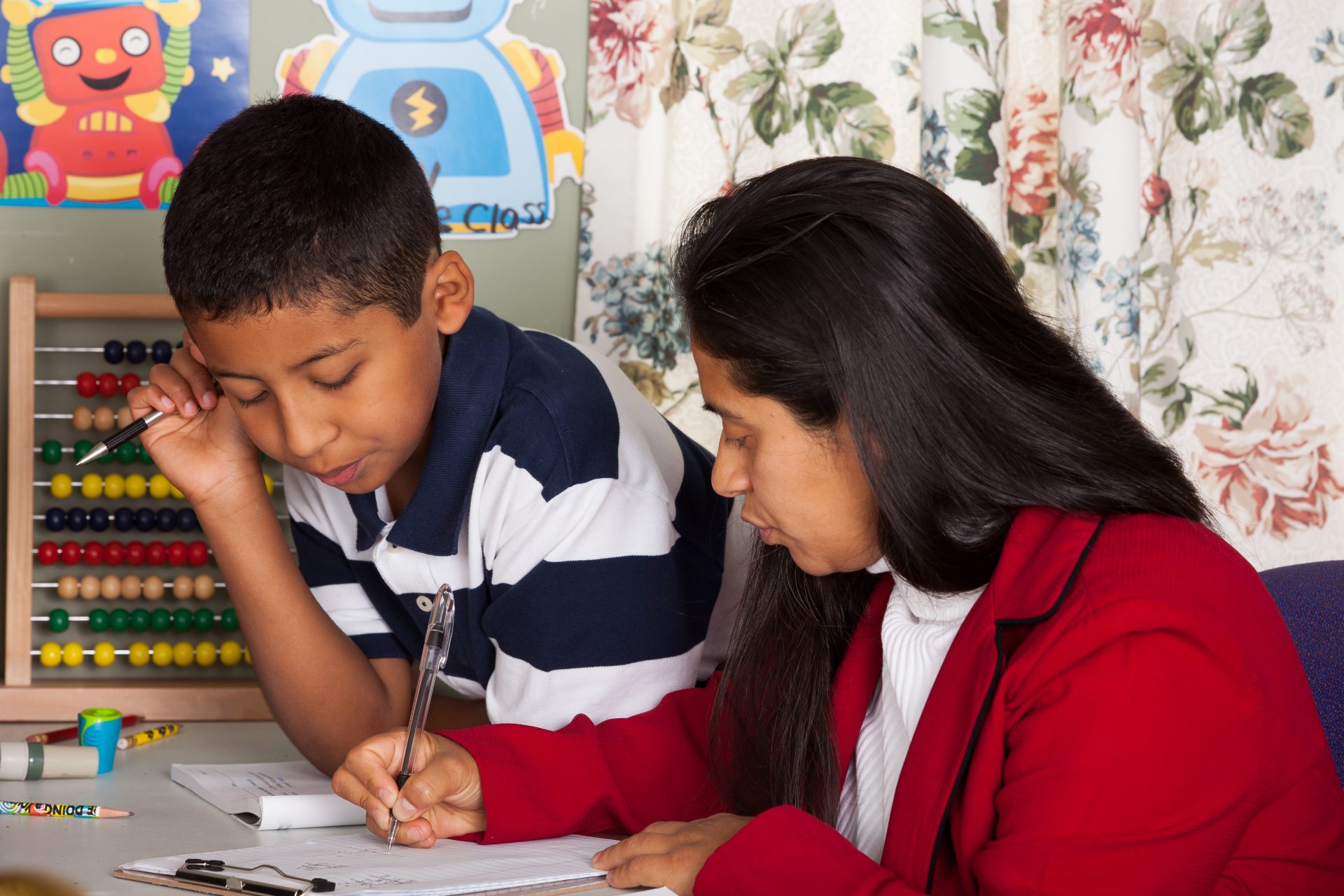


Wellness is not separate from learning—it is learning
Wellness is not a luxury, it is fundamental to our ability to think, feel, and simply be. Every person has a right to psychological and physical safety as they move through their roles here, at home, and in the community. That’s why we are recommitting ourselves to re-prioritizing wellness in 2025: to care for staff, students, and families in ways that sustain us over time.
This section is all about supporting collective well-being — understanding what each of us needs, cultivating empathy for one another, and weaving small practices into our lives that help us thrive. Take what you need. Share with others. And embed something into your day that advances your wellness — because it matters.