
Smore logo
page background
page background

Discussing traumatic events at home

October 10th, 2023

Discussing traumatic events at home October 10th, 2023

Were here to help! Were here to help!

zoom_out_map

Dear families,

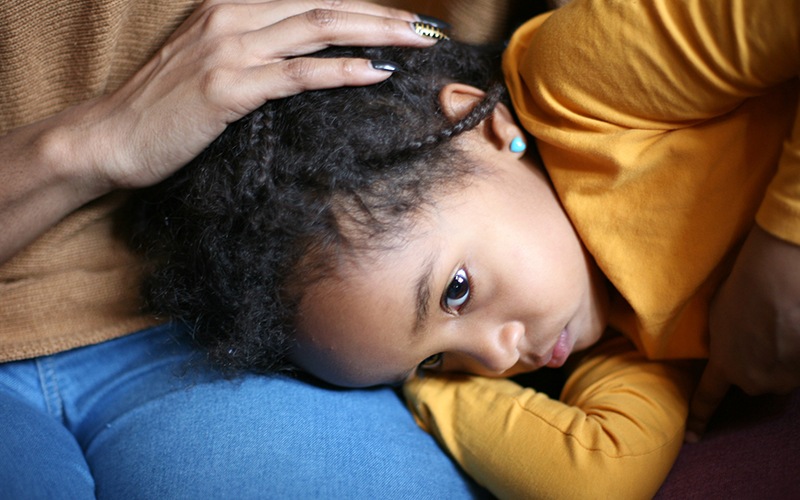
Children and youth can be affected by the consequences of war and terrorism for many reasons, particularly in times where there is extreme suffering and strife in many places throughout the world. When kids hear or read upsetting news reports it can create feelings of uncertainty and anxiety. It is difficult to shield kids from the news because of their use of the internet and social media. Therefore, it is important to have age-appropriate and honest discussions to help them process what they are hearing. Answer their questions in a caring way and talk to them about what they are hearing. This will help ease their concerns.


Important Tips:

1. Remind them they are safe, that the war is far away, and that there are a lot of adults trying to help improve the situation

2. Validate their feelings

3. Limit exposure to frightening news, especially for younger children.

4. Become familiar with how they access information; through TikTok, Instagram, Google, etc and monitor these sources.

5. Remind them of ways they can help (fundraisers, donations)

6. Maintain routines-Answer the questions your children ask and allow them to go back to the things they enjoy. Involvement in play and other engaging activities serves as a therapeutic distraction from the horrors they are being exposed to.


Below are some other resources you can use if you are looking to talk to your kids about Israel.


As always, if you have greater concerns for your individual child, you can reach out to your classroom teacher or your school mental health team.


With a heavy heart and warm regards,

Your Elementary School Mental Health Professionals

Some guidance on what to say to kids, in an age appropriate way Some guidance on what to say to kids, in an age appropriate way

zoom_out_map
zoom_out_map
Helping Children Cope With Terrorism

Helping Children Cope With Terrorism

Intentional acts of violence that hurt innocent people are frightening and upsetting. Children and youth will look to adults for information and guidance on how to react.

launch nasponline.org
Helping Children Cope With Frightening News - Child Mind Institute

Helping Children Cope With Frightening News - Child Mind Institute

How to talk to children about upsetting or frightening news to help them cope in the healthiest possible way.

launch childmind.org
Multilingual Trauma Resources - Child Mind Institute

Multilingual Trauma Resources - Child Mind Institute

Free trauma resources to aid parents, educators, and other adults in talking to children and adolescents about potentially traumatic events.

launch childmind.org

Commonsensemedia.org gives the following tips:

Tips for kids under 7

Keep the news away. Turn off the TV and radio news at the top of the hour and half hour. Check the news out of range of young eyes that can be frightened by the pictures and videos (kids may respond strongly to images of other kids in jeopardy). Preschool kids don't need to see or hear about something that will only scare them silly, especially because they can easily confuse facts with fantasies or fears.

Tell them that your family is safe, loved, and valued. At this age, kids are most worried about safety and separation from you. It's important to help them feel safe and cope with their feelings, even during troubling times. Try not to downplay their concerns and fears. Reassure your kids by explaining all the ways they can find protection and help, like reaching out to family and loved ones. If the news event happened far away, you can mention the distance to comfort them.

For kids who live in communities that experience higher rates of violence, news of tragic events may trigger extra fears. If that happens, share a few age-appropriate tips for staying and feeling safe, such as staying close to a trusted adult, knowing who to contact in case of an emergency, and keeping away from police activity.

Be together. Though it's important to listen and not belittle their fears, distraction and physical comfort can go a long way. Snuggling up and watching something cheery or doing something fun together may be more effective than logical explanations about probabilities.

Tips for kids age 8–12

Carefully consider your child's maturity and temperament. Many kids can handle a discussion of threatening events, but if your kids tend toward the sensitive side, be sure to keep them away from the TV news. Repetitive images and stories can make dangers appear greater, more prevalent, and closer to home.

Be available for questions and conversation. At this age, many kids will see the morality of events in stark black-and-white terms and are in the process of developing their moral beliefs. You may have to explain the basics of prejudice, bias, and civil and religious strife. This is a good time to ask them what they know, since they'll probably have gotten their information from friends, and you may have to correct facts.


Talk about -- and filter -- news coverage. You might explain that even news programs compete for viewers, which sometimes affects content decisions. If you let your kids use the internet, go online with them. Some of the pictures posted are simply grisly. Monitor where your kids are going, and set your URLs to open to non-news-based portals.

Gina Kelly
Gina is using Smore to create beautiful newsletters

Coordinator of Elementary Counseling

Loading indicator

close

Created with

Communicate quickly and effectively with interactive newsletters.

Smore empowers educators to connect with their community, streamline school communications,
and increase engagement.

Create a newsletter