
Smore logo
remove_red_eye 1.6K
page background

The Classroom Connection

October 2024

The ClassroomConnectionOctober 2024

BOOst your classroom management toolbox with "The Classroom Connection"! BOOst your classroom management toolbox with "The Classroom Connection"!

zoom_out_map

Sarah Jaramillo

IST / Instructional Coach

Office of Professional Learning

zoom_out_map

Jacob Tijerina

IST / Instructional Coach

Office of Professional Learning

Welcome from the Office of Professional Learning!

Are you ready to put a spell on your classroom? Join us for some frightfully fun tips and tricks to make your classroom a magical place. This newsletter is packed with spooky strategies to keep your students engaged and on track.


From ghostly routines to bewitching behavior management techniques, we've got you covered. Get ready for some Halloween-themed fun that will make your classroom the most spooktacular in the school!

Haunted Harmony: Building Respectful Relationships Haunted Harmony: Building Respectful Relationships

zoom_out_map

You Make a Difference!

Every human has an Emotional Bank Account. It's based on the idea that relationships are like bank accounts. You can make deposits to build trust and strengthen a relationship, or you can make withdrawals that erode trust and weaken a relationship.


Every smile, fist bump, high five, caring act, respectful conversation, piece of praise or check-in adds deposits to a student's emotional bank account and ultimately builds stronger relationships in the classroom.


Deposits can include:

  • Acts of kindness: Doing something nice for the other person, even if it's a small gesture.
  • Keeping promises: Following through on your commitments.
  • Active listening: Paying attention to the other person's feelings and thoughts.
  • Empathy: Understanding and sharing the feelings of another person.
  • Positive affirmations: Expressing appreciation and support.


Withdrawals can include:

  • Breaking promises: Failing to follow through on your commitments.
  • Criticism: Pointing out flaws or mistakes.
  • Negativity: Complaining or being pessimistic.
  • Disrespect: Treating the other person poorly.
  • Ignoring the other person's needs: Failing to pay attention to their feelings or concerns.
Greeting Students at the Door || Is it Worth the Extra Time?

Web of Organization: Spinning a Well-Structured Classroom Web of Organization: Spinning a Well-Structured Classroom

zoom_out_map

Seating Chart Templates

Make classroom arrangement a piece of cake with these seating chart templates from Canva!

Canva Seating Chart Template

zoom_out_map

ClassroomScreen.com

Have all the important teacher tools with a push of a button. ClassroomScreen is packed with widgets for teachers: timers, group makers, interactive polls and much more.


Visit ClassroomScreen

zoom_out_map

Classroom Arrangement

Your classroom arrangement can be your best co-teacher or your largest barrier. Below are some checklist questions based on three main elements of classroom arrangement:


Visibility

  • Can you see all your students? Can your students see you?
  • Can all students see the board or screen?


Accessibility

  • Can students access materials without causing disruption?
  • Are there pathways for efficient traffic flow?
  • Do you have access to work with individual students?


Distractibility

  • Is your classroom free of clutter?
  • Are your classroom decorations purposeful?
  • Are there procedures that lead to distraction, like students being able to get up during class to use the pencil sharpener?

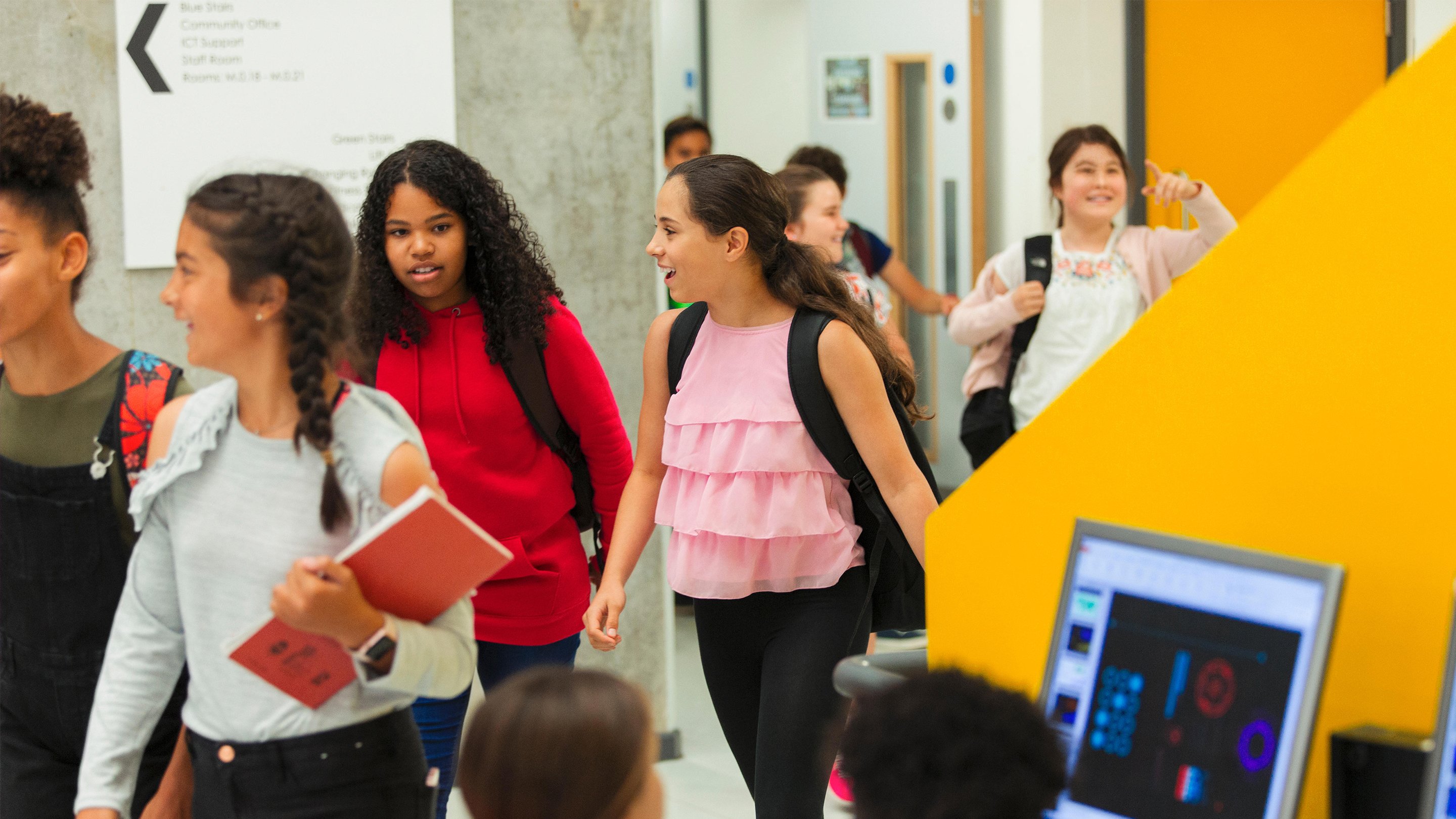
No Tricks, Just Treats: Clear Expectations for Classroom Behavior No Tricks, Just Treats: Clear Expectations for Classroom Behavior

30 Techniques to Quiet the Noisy Class
Edutopia has created a list of ideas to grab the attention of your class.

10 Best Lining Up Strategies to Try This School Year

Lining up to leave the classroom for specials, lunch, recess, or dismissal is one routine that seems to need re-teaching more than others throughout the school year. Students tend to fool around in line, but with the right expectations set early on, lining-up could be much less of a headache.

launch boredteachers.com

6 Ways to Make Your Instructions Stick

Is your teaching time being consumed by using time to repeat instructions? Here are a few ways to help your instructions stick:


  • Ask a couple of students to re-explain the instructions to the class
  • Make instructions as clear as possible by numbering steps, using consistent formatting, avoiding visual clutter, and considering font size
  • Offer several formats
  • Display key expectations
  • Have students model it
  • Make it a challenge
Click Here to Read the Full Article

Guiding Older Students to Enter and Exit the Classroom Smoothly

After so much time out of school, middle and high school students may need multiple refreshers on classroom procedures.

launch edutopia.org

Mastering Classroom Transitions

Whether students are transitioning from reading to math, returning materials or moving from PE to the drinking fountain, author Mike Linsin recommends standardizing the process with five steps that I paraphrase this way:


  1. Secure students’ attention: “Focus on me, please.”
  2. Explain the procedure: “In a moment, return to your desks and take out your history textbooks.”
  3. Prepare kids for the signal to start: “When I say ‘smooth,’ you’ll quietly proceed.”
  4. Initiate the transition: “And... smooth.” Don’t say “go,” warns Linsin, because that word cues students to race.
  5. Observe: Watch to make sure all students are complying.
Click Here to Read the Full Article

Potion Recipes for Great Student Engagement Potion Recipes for Great Student Engagement

60-Second Strategy: Equity Sticks

Looking for a simple way to ensure all voices are heard in your classroom? Try equity sticks.

launch edutopia.org

6 Research-Backed Ways to Break Up Your Lectures

Lectures are efficient ways to convey information, but kids tend to tune them out. Here are 6 activities that will keep students focused while improving learning outcomes.

launch edutopia.org

Spooky Sparks: Igniting Student Motivation Spooky Sparks: Igniting Student Motivation

WOW Board: Classroom Motivator

I have to share with you something that I absolutely love: The WOW board! This beautiful piece of poster board was introduced to me by my friend and colleague. I used it throughout the year but found it especially helpful near the end of the school year.

launch create-abilities.com
Teacher Toolkit: Tickets Reward System (High School)

Don't Get Spooked: Strategies for Handling Student Behavior Don't Get Spooked: Strategies for Handling Student Behavior

Distract the Distractor
SEB Classroom Behavior Support Virtual Chat Schedule
Our Social Emotion Behavior Department (SEB) hosts a series of virtual chats to support teachers with student behavior.

Responsive Practice: Planned Ignorning

See this one-pager from our SEB Department focused on a responsive behavior strategy called Planned Ignoring.
pdf
insert_drive_file
Planned Ignoring.pdf
Download
729.9 KB

We are Here to Help! We are Here to Help!

Request for Instructional Coaching Form

An Instructional Coach Can...

  • Partner with teachers to develop student-centered goals
  • Support teachers in assessing and refining classroom management plans
  • Provide tools and strategies to increase student engagement
  • Assist teachers with implementing high yield teaching strategies
zoom_out_map

Sarah Jaramillo

Instructional Coach

(210) 397-7934

zoom_out_map
zoom_out_map

Jacob Tijerina

Instructional Coach

(210) 397-7927

Smore Templates
Smore is using Smore to create beautiful newsletters
Loading indicator

close

Created with

Communicate quickly and effectively with interactive newsletters.

Smore empowers educators to connect with their community, streamline school communications,
and increase engagement.

Create a newsletter