remove_red_eye 4K
page background

August DEI Newsletter

ACNL | 2023

August DEINewsletterACNL | 2023

August is Civic Health Month: The August Edition of the DEI Committee Newsletter

We are delighted to bring you the latest installment of our newsletter, dedicated to advancing the essential principles of diversity, equity, and inclusion within the nursing community. As we continue to navigate the ever-changing landscape of healthcare, it is crucial that we reaffirm our commitment to fostering an inclusive environment where every nurse feels valued, respected, and empowered to provide the best care possible to our patients.


Our committee has been hard at work, advocating for equitable practices, challenging bias and prejudice, and promoting fair representation at all levels of nursing leadership. We believe that the true strength of our profession lies in its inclusivity, and we strive to create a supportive space where all nurses can thrive, regardless of race, ethnicity, gender, sexual orientation, or any other aspect of their identity.


We are incredibly grateful for the dedication and passion that our committee members, guest contributors, and all our readers bring to this important endeavor. Together, we can create a nursing community that exemplifies the principles of diversity, equity, and inclusion, and truly embodies the values we hold dear as caregivers.


Thank you for your continued support and engagement. Let us stand united in our pursuit of a more inclusive nursing profession and a healthier, more equitable future for all.


In solidarity,


The DEI Committee Members:

Anitra Williams

Christina M. Oldini

Kimberly Long

Karen Mitchell-Keels

Make'da Traynum

Marshall Blue

Nicole Barnett

Sharon Goldfarb

Sheree Criner

Yury Nevarez

Civic Health Month Events & Actions - Vot-ER

Civic Health Month Events & Actions - Vot-ER

August is Civic Health Month-a time to showcase the link between voting and health and celebrate efforts that ensure each and every voter has the opportunity to support their community's health at the ballot box. Join over 300 organizations nationwide to celebrate, learn, and take action to improve the civic health of their communities.

launch vot-er.org

Drug Shortages Exacerbate Existing Disparities in Healthcare

The availability and accessibility of essential medications play a vital role in ensuring community health and well-being. However, the issue of drug manufacturing shortages has emerged as an escalating crisis, particularly for low-income and BIPOC communities. In response to shortages of critical oncological medications, the Society of Gynecologic Oncology this month delineated strategies to allocate limited drug supplies for gynecologic cancers and cautioned that the absence of proper planning could exacerbate disparities in care.


Chronic conditions such as diabetes, hypertension, asthma, and mental health disorders disproportionately affect low-income and BIPOC communities. These populations often rely on medications to manage these conditions effectively. However, when drug shortages arise, the continuity of care is disrupted, making it challenging for patients to maintain stable health. This contributes to the widening gap in health outcomes between marginalized communities and the general population.


The impacts extend to safety net systems, including community health clinics, public hospitals, and nonprofit organizations, that often serve as the primary source of healthcare for low-income communities and communities of color. While some facilities have the ability to source medications from other locations, these facilities are frequently the first to feel the impact of drug manufacturing shortages due to limited resources and purchasing power. They may struggle to meet the increased demand for medications and face difficult decisions when prioritizing patients' needs. Pregnant people, infants, elderly individuals, and those with compromised immune systems may experience amplified risks, potentially leading to adverse health outcomes.


The issue of drug manufacturing shortages is not isolated but rather an extension of systemic inequities that have persisted for years. Socioeconomic disparities, limited access to comprehensive healthcare, racial discrimination, and bias in medical research all contribute to the unequal burden faced by low-income and BIPOC communities. Drug shortages serve as yet another manifestation of these inequities, further entrenching the cycle of poor health outcomes. Addressing the burden of drug shortages requires a comprehensive approach that prioritizes equitable access to medications. Furthermore, the business model by which crucial medications are produced encourages a "race to the bottom" in pricing, which can sacrifice quality and availability.


Policymakers, healthcare providers, and pharmaceutical companies must collaborate to ensure a stable drug supply, implement strategies to mitigate shortages, and promote affordable alternatives. Efforts to reduce health disparities and enhance healthcare infrastructure in marginalized communities should be at the forefront of these initiatives. By recognizing and addressing the specific challenges faced by these communities, we can strive towards a more equitable and inclusive healthcare system for all.

Nursing While Black & Queer with Britney Daniels Part 1

Nursing While Black & Queer with Britney Daniels Part 1

In this episode we interview Britney Daniels, a Black queer travel nurse, social advocate, and author. Britney's book, Journal of a Black Queer Nurse, utilizes personal experiences to highlight the racist, homophobic, and inequitable environments that thrive in many healthcare systems in the U.S.

launch healthpodcastnetwork.com

Leapfrog: Disparities persist at top-graded hospitals

Racial disparities in healthcare outcomes continue to prevail, even at the highest-rated hospitals for safety, according to a recently published report by The Leapfrog Group. Despite their reputation for excellence, top-rated hospitals still exhibit concerning discrepancies in patient safety based on racial and ethnic backgrounds. The report, which analyzed extensive data from over 10 million patient records across 15 states, revealed that Black and Hispanic patients face elevated risks of adverse safety events, including surgery-related complications and preventable infections. Read here or click below.
Leapfrog: Disparities persist at top-graded hospitals

Leapfrog: Disparities persist at top-graded hospitals

Report from The Leapfrog Group shows racial disparities in rates of adverse events persist even at top-rated hospitals for safety.

launch beckershospitalreview.com

A Disproportionate Burden: Climate Change's Health Impacts on Vulnerable Communities

Climate change is a harsh and looming reality that has begun to manifest its consequences in many various aspects of our lives, one of the most alarming being its profound impact on human health. The health repercussions of climate change are not uniformly distributed across society; rather, they strike the most vulnerable populations with greater intensity. Among those most affected are the poor and people of color, who find themselves at the intersection of environmental and social inequalities.


As our planet warms, the prevalence of extreme weather events such as heatwaves, hurricanes, and flooding is on the rise. These events, driven by climate change, directly affect human health by causing injuries, displacement, and loss of life. Heatwaves lead to heat-related illnesses such as heatstroke and dehydration, particularly affecting individuals with limited access to air conditioning and healthcare. Floods and storms can lead to the spread of waterborne diseases and disrupted access to medical facilities, disproportionately affecting disadvantaged communities.


Air pollution, which has severe implications for respiratory health, is another impact of climate change. Poor air quality, driven by factors like increased wildfires and urban smog, can trigger or worsen conditions such as asthma, chronic obstructive pulmonary disease (COPD), and cardiovascular diseases. Vulnerable communities often reside in areas with poorer air quality due to historical patterns of environmental injustice, leading to a vicious cycle of health disparities.


Changing climate patterns impact food production, leading to reduced crop yields and altered nutritional content. The socioeconomically disadvantaged are particularly susceptible to these changes, as they often lack the resources to adapt or access diverse food sources. Malnutrition and food insecurity become amplified, affecting physical and cognitive development, especially in children. This further perpetuates cycles of poverty and limits future opportunities.


Water scarcity, exacerbated by climate change, increases the risk of waterborne diseases like cholera and dysentery. Populations without reliable access to clean water and sanitation facilities are at higher risk, which is often the case for impoverished communities. Furthermore, the displacement of communities due to climate-related events can lead to overcrowded living conditions and increased transmission of infectious diseases.


Environmental racism is a deeply ingrained and pervasive issue that significantly exacerbates the health impacts of climate change on marginalized communities, particularly people of color. This phenomenon arises from historical and structural factors that have systematically marginalized certain groups, leading them to experience a disproportionate burden of environmental hazards and injustices. As climate change intensifies, the intersection of environmental racism and its impacts on vulnerable populations becomes more pronounced.


One of the most tangible ways environmental racism manifests is through geographic disparities in pollution exposure. People of color are often concentrated in urban areas with higher pollution levels, driven by factors such as industrial zoning, proximity to highways, and the location of waste disposal sites. These communities experience increased exposure to harmful pollutants like particulate matter, volatile organic compounds, and other toxic substances, which can have dire health consequences. Elevated pollution levels contribute to higher rates of respiratory illnesses, cardiovascular diseases, and other chronic health conditions among these populations.


In addition to heightened pollution exposure, communities of color frequently lack access to green spaces and nature reserves. This lack of green infrastructure not only limits recreational opportunities but also denies them the physical and mental health benefits associated with green spaces, such as stress reduction, improved air quality, and increased physical activity. The absence of these essential resources further compounds health disparities and diminishes the overall well-being of residents.


And as climate change drives more frequent and severe extreme weather events, such as hurricanes, floods, and heatwaves, communities of color often find themselves in areas with inadequate infrastructure to withstand these impacts. These neighborhoods may have older buildings, substandard housing, and limited access to emergency services, exacerbating the risks posed by climate-related disasters. When these events occur, the people living in these areas face a heightened risk of injury, displacement, and psychological trauma, further deepening the cycle of disadvantage.


The link between environmental racism and climate change is further intertwined with the broader context of systemic racism and socio-economic inequities. Historical patterns of discrimination and socioeconomic disadvantage have led people of color to have fewer resources, less political influence, and limited access to quality education and healthcare. This lack of resources and influence makes it challenging for these communities to advocate for environmental justice and adapt to the impacts of climate change. As a result, they are left even more vulnerable when faced with the compounded challenges posed by environmental hazards and climate-related events.


Addressing the health impacts of climate change on vulnerable communities requires a multi-faceted approach. Policy interventions must prioritize equitable access to healthcare, clean water, and nutritious food. Mitigation efforts should emphasize reducing greenhouse gas emissions to limit the severity of climate change's health impacts. Moreover, initiatives to combat environmental racism and promote environmental justice are essential to creating resilient communities.


The health impacts of climate change are not uniform; they fall disproportionately on the shoulders of the poor and people of color. As we work to combat climate change, it is imperative that we simultaneously address the social inequities that magnify its effects. Only through collaborative efforts, inclusive policies, and a commitment to environmental justice can we hope to build a future where the health of all individuals, regardless of their socioeconomic status or ethnicity, is safeguarded against the changing climate.
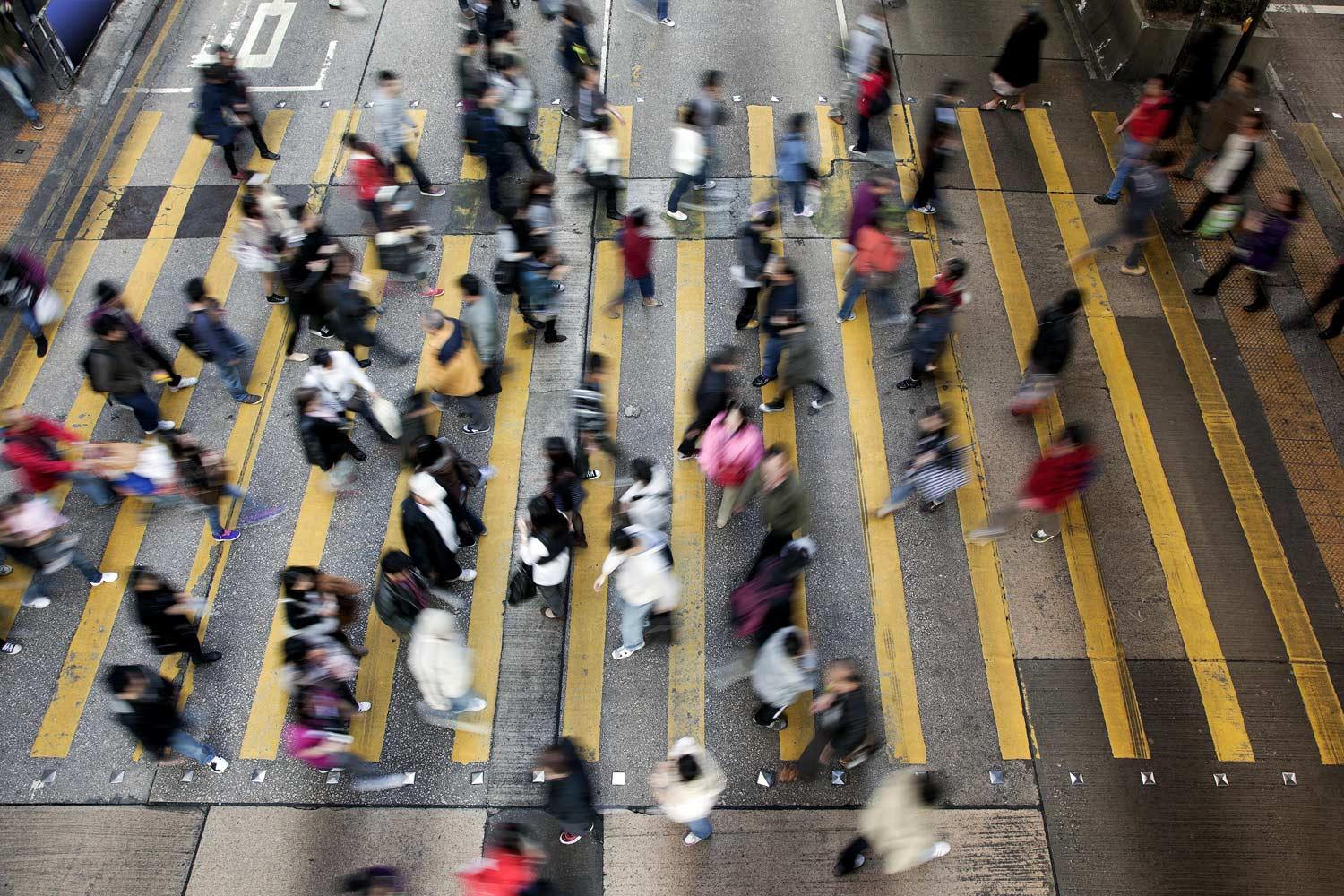
Inequity damages health—and drains the economy

Health inequities are a drain on the economy and are linked to an additional $320 billion in annual health care spending, which may grow to $1 trillion by 2040 if nothing is done about it, according to a report from the Deloitte Health Equity Institute. Read more here or click below.
Inequity damages health-and drains the economy

Inequity damages health-and drains the economy

Health inequities are linked to an extra $320 billion in spending, says Deloitte report. Learn why advancing health equity is everyone's business.

launch ama-assn.org

Poor people and people of color get less sleep — that’s bad for health and wealth

On average, the poor live less healthy lives and are more than three times as likely to die prematurely as the rich. That’s true for many well-documented reasons, including less healthy diets with too much processed food, polluted neighborhoods and a lot more toxic stress. In recent years, however, researchers have added one more factor to this mix: It turns out that the poor, as well as socially disadvantaged racial minorities, sleep much less well on average than the rich, which can take a major toll on their physical and mental health.


Read more here or click below.

Poor people and people of color get less sleep - that's bad for health and wealth

Poor people and people of color get less sleep - that's bad for health and wealth

Sleep deficits are robbing poor people and marginalized people of health and earning power. What can be done?

launch pbs.org
ACNL logo
open_in_new zoom_out_map

Association of California Nurse Leaders

Email: info@acnl.org
Website: https://www.acnl.org/
Location: 180 Promenade Circle suite 300, Sacramento, CA 95834, USA
Phone: 916-779-6949

Loading indicator

close