Smore logo
remove_red_eye 609
page background

Principal's Message on Ukraine

How to Talk to Kids About the Ukraine Invasion

Principal's Messageon UkraineHow to Talk to Kids About the Ukraine Invasion

Message from Principal Phelan

Dear Families,


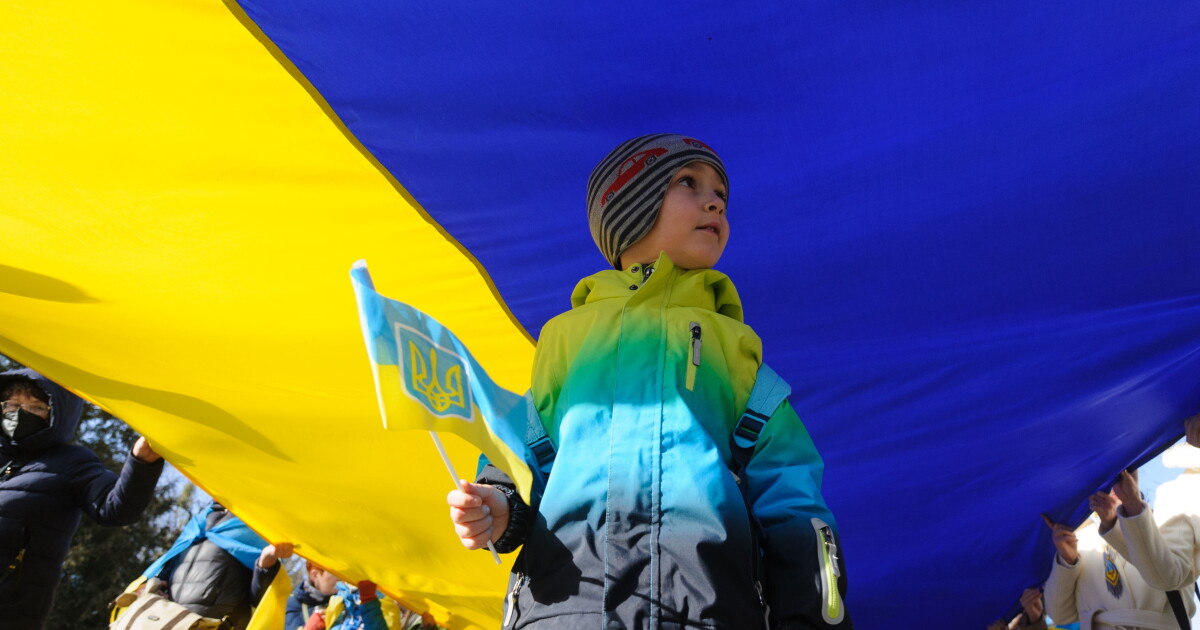
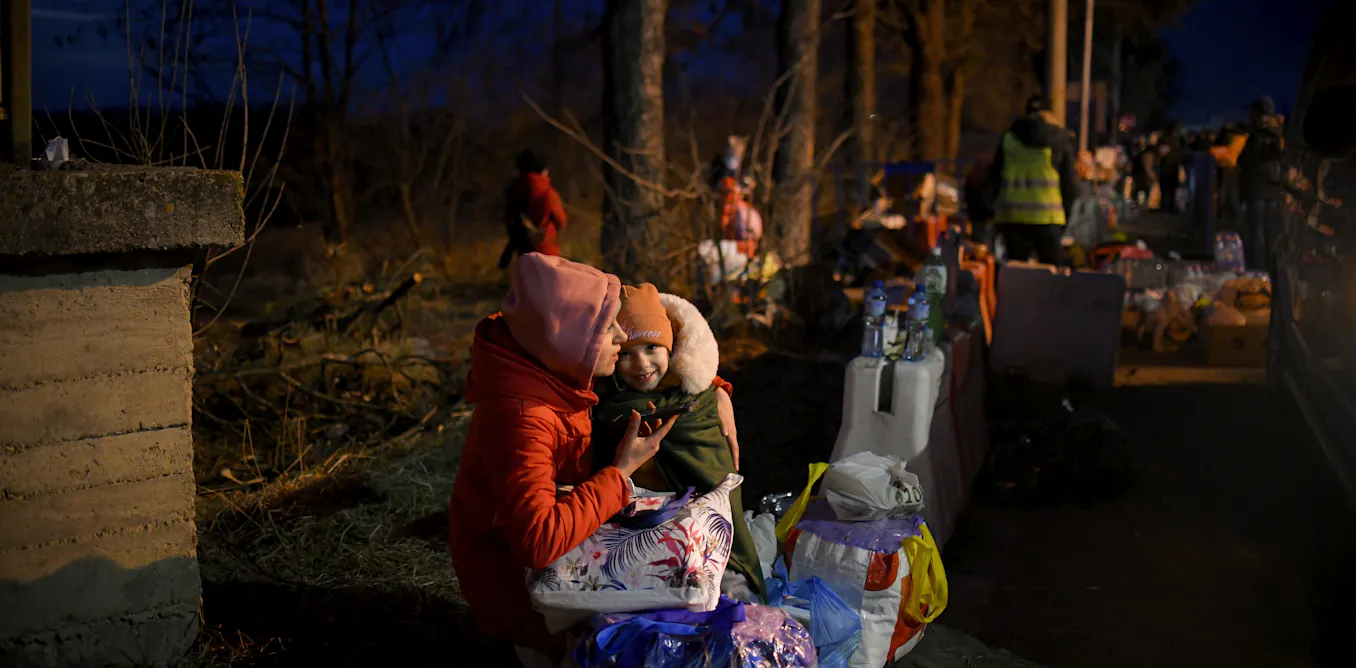
Over vacation, we spent much of our energy focused on the move all while the world watched as a sovereign nation was invaded. As adults, the crisis is extremely difficult to watch and understand. Our children are also having a difficult time figuring out why this is happening and what it all means. They are exposed to news in many ways through images on the television, computers, social media, or they could be hearing other children talk about it. As I walked around the building this week, I heard children talking about what they've heard or seen. Many students wanted to speak to their teachers about the war in Ukraine. They were trying to make sense of what they were hearing and how it affected them.


As educators, we often need to address our students' concerns either inside the classroom or on the playground during recess. Sometimes these moments are directly led by us, and other times they're situational and prompted by the child's curiosity or advocacy. Our goal is always to do this in a developmentally and appropriate way. We rely on education and child development experts for resources and proper material.


This newsletter aims to share resources you can use at home and our teachers' resources to address this topic. We will continue to share our resources with you and keep you informed of classroom discussions.


As a community and school, we offer our support to students and families affected by the unfolding tragic events. Please reach out to us if you require additional school resources or would like someone on our SEL team to check in with your child. We remain committed to promoting peace and belonging in our school community and extend our heartfelt wishes to Ukrainians everywhere.


Sincerely,

Mrs. Phelan

How to Talk to Kids About the Ukraine Invasion

How to Talk to Kids About the Ukraine Invasion

Many kids may be hearing about the situation in Ukraine. Our instincts may be to avoid talking to them about tough stuff on the news, but if we don't, they'll piece it together from other places. Our job is to provide our kids with accurate, age-appropriate information, while reminding them that they are safe and they are loved.

launch pbssocal.org
How to Talk to Kids About Ukraine

How to Talk to Kids About Ukraine

Young people have access to more news streams than ever, and many are concerned. Here's how to address their questions. To hear more audio stories from publications like The New York Times, download Audm for iPhone or Android . If your kids have heard about the Russian invasion of Ukraine, they may be feeling nervous.

launch nytimes.com
How to talk to children about the invasion of Ukraine, and why those conversations are important

How to talk to children about the invasion of Ukraine, and why those conversations are important

The early months of 2022 have already included several distressing world events. From the ongoing COVID-19 pandemic, to protests against vaccine mandates and COVID-19 restrictions, to the Russian invasion of Ukraine - there has been a lot to weigh on the hearts and minds of individuals and families around the world.

launch theconversation.com

Teaching Resources for Educators Teaching Resources for Educators

Students want and need to talk about what they see, remember, and are feeling now; they need the guidance and safety of adults in their schools to navigate their own emotions and trauma in a healthy, safe, and productive way. Classrooms are powerful places to help children process current events, provided educators give renewed energy to creating safe spaces for students.

As with all difficult topics, educators should be keenly aware of the emotional impact these events have on students. Teachers should pay close attention to students who may have family members in the regions and students who might be worried about how this crisis might impact them here in the United States. Before beginning a discussion, teachers are encouraged to consult resources for class discussions such as Facing History and Ourselves' Fostering Civil DiscourseExternal link opens a new window. (PDF).

Some topics educators may consider adapting for students include:

  • The impact of geopolitical issues on the United States and the extent of its obligation to respond.
  • The president's role and authority (and other institutions such as Congress, the media, etc.) in shaping foreign policy.
  • The policy options the president has for responding to this type of crisis.
  • The lasting impacts of significant historical events such as the Cold War and the fall of the Soviet Union.
  • The human costs of war and conflict.

Links to Learn From

The resources contained below are intended solely to provide access to information. Educators know their students and school community best and should determine whether the resource best fits the need.

  • The Choices Program from Brown University —The Ukraine CrisisExternal link opens a new window. : This resource provides information, resources, and lessons to engage students in a comprehensive analysis of the lead-up to the Russian invasion.
  • Origins — The Collapse of the Soviet Union:External link To provide a deeper understanding of the crisis in Ukraine, teachers may want to provide more historical context. This source provides a brief overview of the end of the Cold War and the fall of the Soviet Union.
  • C-SPAN ClassroomExternal link opens a new window. : Educators can access video clips of reactions to the Russian invasion of Ukraine from various sources.
  • AllSidesExternal link opens a new window. : Dedicated to presenting current events from multiple perspectives, this resource provides the latest news on Ukraine from news sources that lean right, centrist, and left.
  • The Stanford History Education Group: Civic Online ReasoningExternal link opens a new window. : In addition to the information students learn in the classroom, they will likely also be following this event through different forms of media. Teachers may want to remind students to utilize media literacy skills such as those described through these resources.

Social and Emotional Learning Resources for Families, Educators & Support Staff

Our students want and need to talk about what they see, remember, and are feeling now; they need the guidance and safety of adults in their homes and their schools to navigate their own emotions and trauma in a healthy, safe, and productive way.

For All Ages

  • Helping Your Students Cope With a Violent WorldExternal link opens a new window. : Edutopia article features strategies for helping children make sense with historical perspective, feel empowered, and inspire them to feel hopeful.
  • How to Talk to Kids About Violence, Crime, and WarExternal link opens a new window. : Common Sense Media gathers tips and conversation starters to help you talk to kids of different ages about the toughest topics.
  • Talking to Your Kids About WarExternal link opens a new window. : VeryWell Family explores ways families can speak with young people about war, including tips on sharing information and restricting media coverage.
  • It makes sense that the attack on Ukraine is causing you anxiety, experts say. Here's what to doExternal link opens a new window. : CNN article that features tips for people of all ages.

For Elementary/Middle School Students

  • Resilience in a time of war: Tips for parents and teachers of elementary school childrenExternal link opens a new window. : This article from the American Psychological Association can help adults guide their young children beyond fear and to resilience.
  • Resilience in a time of war: Tips for parents and teachers of middle school childrenExternal link opens a new window. : The American Psychological Association breaks out tips and strategies for parents and teachers of middle school-aged children.


From the San Diego County Office of Education

Resources for the Classroom Share by Department of Education

EdWeek has five tips on "How to Talk With Students About Ukraine":
  1. Consider the development and age level of your students.
  2. Encourage students to identify ways in which they can make a difference.
  3. Explain why it is important to pay attention to what is happening in other parts of the world.
  4. Pose nuanced, objective questions to high school students about the crisis.
  5. Share stories of what regular people are experiencing.

Some organizations have been rapidly pulling together instructional resources, including:
  • The Choices Program has an older (yet largely relevant) lesson on the 2014 Unrest in Ukraine as well as a just-released lesson on the Ukraine Crisis, good for high school students to build context and understanding of the situation.
  • Newsela has a text set and accompanying elementary/middle/high school lesson guides as well as several relevant articles, including this one on NATO's role in the situation and this one on the Russian invasion itself.
  • A team at UMass-Amherst has developed this "media literacy choice board" on the crisis, focusing on critical examination of articles and/or visual sources.
  • The San Diego County Office of Education has some suggestions both for connecting the events in Ukraine to various themes and topics in social studies as well as for supporting students in making sense of war and violence in age-appropriate ways.
  • While not directly about the Ukraine conflict, iCivics just released "Convene the Council," a game focused on foreign policy decision-making designed to help students think about the implications of various foreign policy tools.
  • Facing History's page on strategies for teaching current events includes a number of useful "go-to tools" to engage students' heads, hearts, and consciences as they engage with current events.
  • The #sschat Twitter community crowdsourced teaching ideas and resources this past week (disclaimer that due to the large amount of resources shared, I can't speak to their quality directly).

Thanks for all that you and your colleagues are doing, this week and every week. If other resources or teaching ideas cross your desk, please feel free to share them with our Google group (mass-hss-leaders@googlegroups.com).

Thinking of you as you may be engaging in these important yet challenging conversations, and please don't hesitate to reach out if I can be of any further support.
zoom_out_map

Lowell Elementary

Phillips Location

30 Common Street

Watertown, Ma 02742

telephone: 617-926-7770


Lowell West Location

175 Main Street

Waltham, Ma 02451

telephone: 781-899-3701

Email: stacy.phelan@watertown.k12.ma
Website: http://watertownjrlowell.ss19.sharpschool.com/
Location: https://maps.google.com/?q=175+Main+St,+Waltham,+MA+02453,+USA&ftid=0x89e382b59d40b1b9:0x9d251950b6d897de
Phone: 781-926-7770
Facebook: https://www.facebook.com/JRLowellElementary

Loading indicator

close

Created with

Communicate quickly and effectively with interactive newsletters.

Smore empowers educators to connect with their community, streamline school communications,
and increase engagement.

Create a newsletter