Smore logo
remove_red_eye 179
page background

#13. Garden Museum @NetZeroLee

with Ms. Keiko, 11/1 - 11/21/2025

#13. Garden Museum @NetZeroLee with Ms. Keiko, 11/1 - 11/21/2025
#13. Garden Museum@NetZeroLeewith Ms. Keiko, 11/1 - 11/21/2025

Our Garden Needs Fall Leaves!

User uploaded image
zoom_out_map Show in original size
User uploaded image
zoom_out_map Show in original size

Our Garden Education Program

In this newsletter, I would like to share the educational philosophy behind our garden activities and what you can expect from our garden education program for your children.

1. One-Week Microgreen Adventure 1. One-Week Microgreen Adventure

You might think growing plants is too much work, but if you could experience the whole process in just a week, would you like to try it?

User uploaded image
zoom_out_map Show in original size

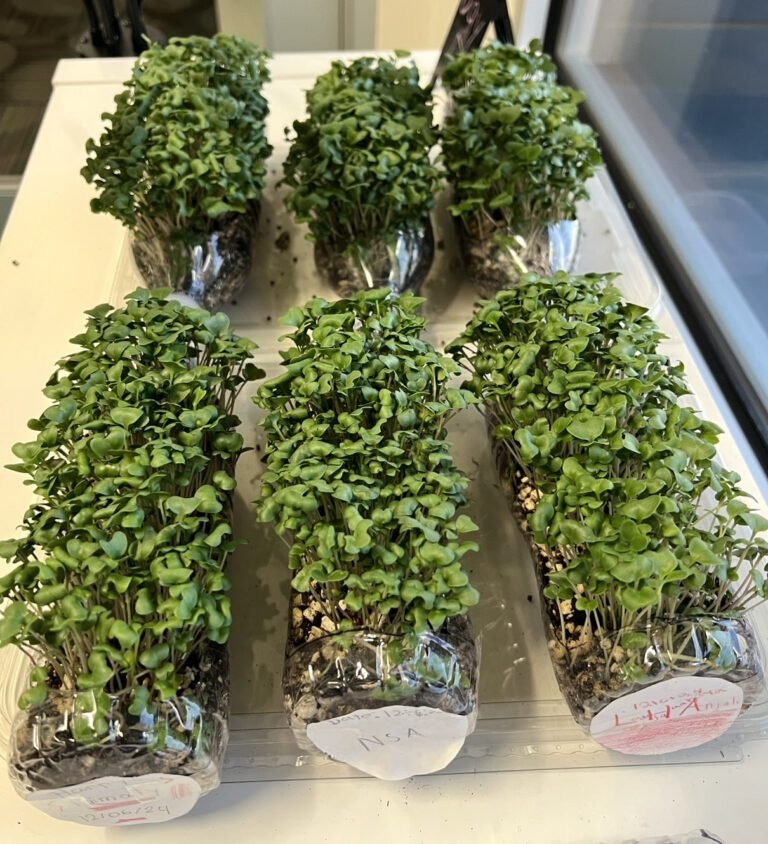
On Friday, October 31, P3B tried it out. The learners created unique pots from plastic water bottles to personalize them, which made them feel like they owned their plants.


Then, they added soil, planted broccoli microgreen seeds, and watered them. That was Day 1.

User uploaded image
zoom_out_map Show in original size
User uploaded image
zoom_out_map Show in original size
User uploaded image
zoom_out_map Show in original size

The learners observed and watered their plants daily. They were amazed at how quickly their plants grew! You can see the entire growing process in the Instagram video below. ⬇️

👉 Watch the Whole Growing Process

On Day 8, the learners took their microgreens home to taste, but some said, "I want to grow them longer." It was a delight to see them develop growing minds and become attached to their plants.

User uploaded image
zoom_out_map Show in original size

Growing plants outdoors offers many opportunities for nature-based learning, letting students explore plants, insects, animals, and weather.


Meanwhile, indoor growing allows children to check on their plants more often. This is especially useful at school, where daily visits to the garden may not always be possible.

2. Real-World Projects to Grow Independent Thinkers 2. Real-World Projects to Grow Independent Thinkers

When we learn about scientific concepts and relate them to the world around us, our perspective changes.


Applying knowledge to better understand our environment sparks curiosity and encourages independent thinking because it motivates us to ask questions, interpret information, and develop our own ideas rather than simply memorize and copy what others say.

User uploaded image
zoom_out_map Show in original size

The "Natural and Man-made Resources" project with Ms. Mohite's B2 class aims to foster independent thinking among the learners.


It encourages them to question how things differ from one another, how they are made, and how we can use them effectively, using real items from their surroundings.

User uploaded image
zoom_out_map Show in original size

1. Collecting and Sorting Real-World Items

B2 students learned about natural and man-made resources and applied their knowledge to collect and sort the items they found in the garden.

User uploaded image
zoom_out_map Show in original size

2. Similarities and Differences

What are the similarities and differences between natural and man-made resources?

User uploaded image
zoom_out_map Show in original size

B2 learners compared the similarities and differences among the items in these categories and explored how they have changed over time. Click to view B2's observations below. ⬇️

👉 Similarities and Differences: Natural vs. Man-made Resources

3. See-through Compost Experiment

If we bury the items we collected in soil, what will happen? Will they all break down into soil, or only some of them?

User uploaded image
zoom_out_map Show in original size

B2 learners tried a see-through compost experiment and predicted which items would fall into three categories: Fast Decomposition, Slow Decomposition, and No Decomposition. What are your thoughts?

User uploaded image
zoom_out_map Show in original size

Ms. Mohite encouraged the learners to think about what the items are made of and connected science concepts, such as living/non-living things, decomposition, and weathering, to this experiment. You can see the details of the experiment below. ⬇️

👉 Details on Our See-through Compost Experiment

We will continue monitoring the process and have additional discussions. As parents or educators, what can we do to support our children in this learning process?

3. Bluebonnet Hunt 3. Bluebonnet Hunt

We enjoy seeing beautiful bluebonnets, the state flower of Texas, in spring. But can we find any now? What can our children learn from this project, which runs from November to May?

User uploaded image
zoom_out_map Show in original size

On November 19, BK, GK, and R5 learners went on a “Bluebonnet Hunt” to search for tiny bluebonnet sprouts in our school grounds.

User uploaded image
zoom_out_map Show in original size

We will keep visiting these same spots from November through spring, watching the plants grow, bloom, and form seeds.

User uploaded image
zoom_out_map Show in original size
User uploaded image
zoom_out_map Show in original size

For both kindergarteners and fifth graders, discovering bluebonnet sprouts in the field is a joyful and exciting experience. Click to view their school nature walk to find "Baby Bluebonnets" below. ⬇️

👉 The Excitement of Finding "Baby Bluebonnets"

Through this ongoing project, children learn that science isn’t just found in a textbook; it’s alive in the soil beneath their feet.


By observing what they see over time on their own, they can gain a deeper understanding of seasons, life cycles, and how living things depend on their environment.

4. Garden Activities for Social Emotional Learning (SEL) 4. Garden Activities for Social Emotional Learning (SEL)

The joy of doing things together is irreplaceable. It deeply touches our emotions and brings us closer. In an era of rapidly advancing technology and abundant secondary information, these real-world experiences are among the most valuable gifts schools can offer.

User uploaded image
zoom_out_map Show in original size

P2 learners participated in a range of activities, including planting, harvesting, composting, and nature exploration.

User uploaded image
zoom_out_map Show in original size

When children engage in activities together, their curiosity becomes contagious and makes teamwork effortless. Even simple tasks like turning a compost tumbler can turn into entertainment.

User uploaded image
zoom_out_map Show in original size

You can see their various garden activities below. ⬇️

👉 P2's Garden Activities

I aim to provide garden activities for a class to create a memorable experience together and help teachers enjoy their interactions with their learners.


My goal is to create a learning environment where children and adults can learn with joy and feel a sense of belonging.

User uploaded image
zoom_out_map Show in original size

5. Joy of Harvesting 5. Joy of Harvesting

The true joy of harvesting comes from caring for plants. It feels completely different from the excitement of harvesting the vegetables you see for the first time.

User uploaded image
zoom_out_map Show in original size

Since September, B4A, G4B, and G5 learners have been taking care of their beds, and they have finally harvested radishes and carrots. The learners expressed their joy of harvesting, saying, "Cheers to joy!" Click below to watch the video ⬇️

👉 "Cheers to Joy" Video by B4A Learners
User uploaded image
zoom_out_map Show in original size
User uploaded image
zoom_out_map Show in original size

G4B and G5 also harvested radishes and lettuces. Tasting radishes alone was a little too spicy for them, and they might have needed ranch dressing!


Besides "spicy," learners described the taste as "tangy," "juicy," and "grassy." Some noted distinctions between the initial and aftertaste.

User uploaded image
zoom_out_map Show in original size

G5 learners turned their ideas into action by creating plant labels to personalize their class beds. Thank you, Coach Hall, for the plant label kit!

Thank You for Serving Our Harvest!

Thank you to our wonderful cafeteria staff for always serving our garden harvest to our learners. Your thoughtful work makes a real difference!

User uploaded image
zoom_out_map Show in original size

6. Growing Practice: Our Long Strawberry Journey 6. Growing Practice: Our Long Strawberry Journey

It is a long wait until the strawberries are ready to harvest in spring. P5 learners added compost and mulch to protect their strawberries from the cold weather, fostering patience. 🍓

User uploaded image
zoom_out_map Show in original size

Thank You to Our Garden Ranchers! Thank You to Our Garden Ranchers!

User uploaded image
zoom_out_map Show in original size
User uploaded image
zoom_out_map Show in original size
👉 Garden Ranchers

Thank you to the Garden Ranchers for taking care of our garden during Sky Ranch! The time I spent with all of you is truly precious to me.

open_in_new

In Need Of Fall Leaves! In Need Of Fall Leaves!

User uploaded image
zoom_out_map

Are You Trashing Fall Leaves?

Our school garden needs fall leaves for mulch and compost. You can drop off bags of fall leaves anytime at the garden or in the field outside the playground for easy access. Thank you so much for supporting our garden!
User uploaded image
zoom_out_map Show in original size
User uploaded image
zoom_out_map Show in original size

Visit my blog, "Unlock Our Life", to discover more about our garden education!

Unlock Our Life – Creative School Garden with Ms. Keiko

Collaborative initiatives for a school garden involving a community gardener & elementary school teachers. Creative projects aim for holistic child development.

launch mskeiko.com
User uploaded image
zoom_out_map Show in original size

Thank you! Thank you!

Thank you to the teachers for collaborating and being so flexible with outdoor learning!


In this newsletter, I have included the pictures taken by teachers.

Keiko Nishino
Part-Time/Temporary Garden Education Specialist at Richard J. Lee Elementary

I love spending time in the garden, especially with kids and teachers! Besides gardening, I like photography, biking, walking, jigsaw puzzle, art, and watching my favorite YouTubers' videos.

Loading indicator

close

Created with

Communicate quickly and effectively with interactive newsletters.

Smore empowers educators to connect with their community, streamline school communications,
and increase engagement.

Create a newsletter