

Eco Experience
with Eco Chick

With the latest news about Earth's first tipping point being reached last month, you may have some anxious folx in your midst. Maybe even have some collective grief... Challenging times require adding some tools to our tool belts, taking time to grieve and jumping into action. Let hope and determination lead the way. Let's aim to turn climate anxiety into climate courage!
Here are some helpful resources to dive into to help you understand and help those around you.
Climate Mental Health Emotions Toolkit for Educators
CMHN-Parents and Caregivers Resources (climate wheel)
All We Can Save-Resources for working through Climate Emotions

“The land is the real teacher. All we need as students is mindfulness.”




Indigenous STEAM
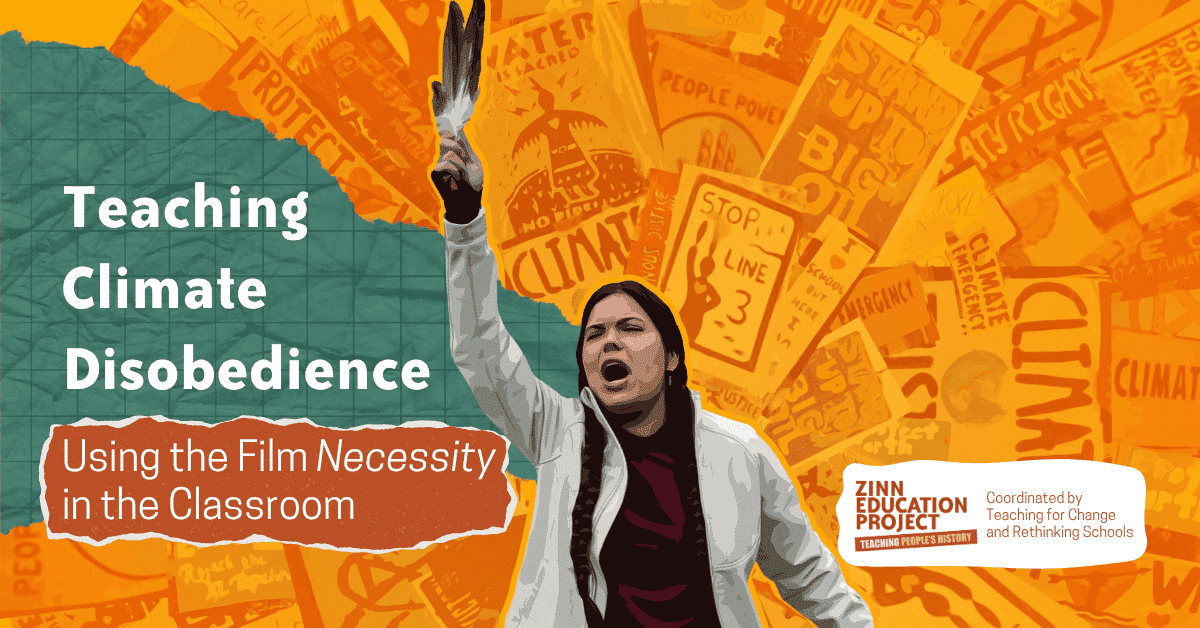
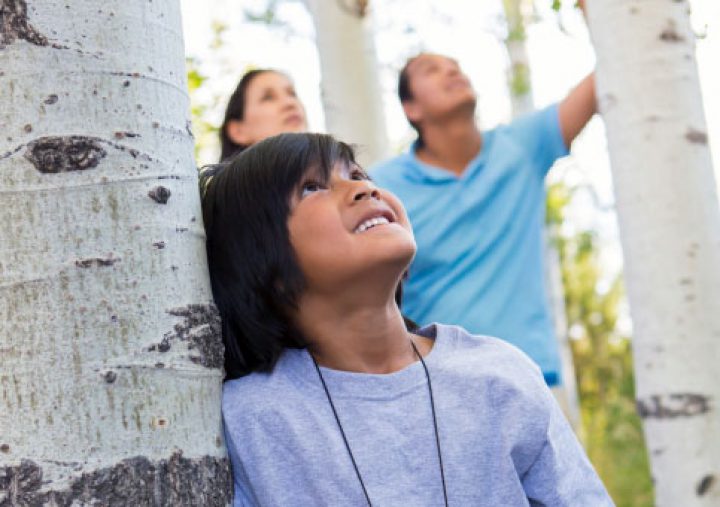
The Indigenous STEAM Collaborative co-designs, implements, and shares land based educational materials developed in collaboration with families, communities, and educators and research. They foreground Indigenous knowledge systems – roles, relations, responsibilities, and gifts between and within human and other-than-human communities – and intergenerational arrangements in teaching and learning.

Weaving TEK into Biological Learning: A call to Action
Enjoy this article by Robin Wall Kimmerer about ways to weave traditional ecological knowledge into biological learning. She has a call to action for scientists and teachers.

Freshwater Illustrated's Native American Heritage Month films
In honor of Native American Heritage Month, Freshwater Illustrated is sharing some films that feature Indigenous voices and cultural connections that offer a deeper motivation - both subsistence and spiritual - for the care of the waters and watersheds that surround us all.
NOATAK: Wild & Scenic (8 min) Explore the Noatak, one of Alaska's wildest rivers, through the eyes of the people whose lives and livelihoods have long depended on its waters and wildlife, and discover the national conservation program that ensures that this and many other wild rivers will provide these services forever. Produced in Partnership with the National Park Service, US Fish & Wildlife Service, and River Management Society.
PLACE - People, Lamprey, and Cultural Ecology (8 min) Follow Cayuse Tribal Member, Gabe Sheoships, into an ancient cultural practice, and discover the connections between migratory fish, urban forests, community stewardship, and the work one group is doing to re-build the strength of these connections for future generations. Produced in Partnership with the Friends of Tryon Creek.
The Lost Fish - The struggle to save Pacific Lamprey (24 min) One of the Pacific Northwest's oldest fish is disappearing, and along with it the sacred place it holds among many Native American Indian Tribes. For a species that has squeezed through most of the earth's great extinctions, the plight of Pacific Lamprey may be a signal of ecological distress. Produced in Partnership with the Columbia River Inter-Tribal Fish Commission and the U.S. Fish & Wildlife Service. Our short film Hanging on (6 min) includes excerpts from The Lost Fish.
An Awakening - Kalapuya Canoe Culture (4 min): Tribal Member, Bobby Merciers, shares the revival of canoe culture and craft, and the timeless connection to the Willamette River. Produced in Partnership with the Grand Ronde Canoe Family. Note: requires password: weallliveupriver
SMOLT - The Science of Salmon Outmigration (4 min)- Follow the spring journey of young salmon 'smolts' as they make their way to the ocean, and learn about the First Nations that keep watch over and celebrate this "Invisible Migration." Produced in Partnership with the Salmon Watersheds Lab - Simon Fraser University.
Join the Water Teachers Initiative!
As an honorary Water Teacher member, you will have full access to the world's largest archive of educational films and photos on freshwater ecosystems, biodiversity, science and conservation, along with our dedicated K-12 teaching resources. Please click below to sign up for your free honorary membership, and share this email with other teachers in your circles!


America Recycles Day-November 15
ONE DAY to educate.
ONE DAY to motivate.
ONE DAY to make recycling bigger & better.
Things to do:
- Recycle at home, work, school and on the go;
- Buy products made with recycled content; and.
- Educate and encourage friends, family, and neighbors to do the same.
It is the only nationally-recognized day dedicated to promoting and celebrating recycling in the United States! Held on and around November 15, America Recycles Day educates and encourages individuals on how to be more mindful of what they consume, where and how to properly recycle, and pledge to recycle more and recycle right in their everyday lives.
For more info visit: EPA's America Recycles Day and America the Beautiful
For Recycling in our area: Waste Wise Lane County
Oregon's New Recycling Act: Recycle On Oregon
Visit VEARTHual Field Trips for trips to: BRING, Short Mountain, Glenwood Transfer Station


Sanipac's Recycle Plus service
RecyclePlus collects the following items: batteries, light bulbs, textiles, plastic film, Styrofoam/block foam and dairy tubs. In the future, we hope to add more specialty items for collection as an opportunity for donations to various Lane County charities.


National Take a Hike Day-November 17th
Grab your boots, some friends, and your water bottle because on November 17, it’s National Take a Hike Day!
This annual event gets you outside for scenery and exercise by tackling America’s 60,000 miles of trails. It’s also a great way to get that heart pumping while you breathe in pristine air.
Find a Lane County Trail:
Eugene Hiking Trails:


SPLASH! Stormwater Pollution Learn and Share


4J/EWEB Education Partnership Program


Salmon Education-The Salmon Spot


4J/EWEB Education Partnership
TOSA-Climate, Energy, Conservation
Email: shepard_t@4j.lane.edu
Website: https://bit.ly/4J-eep
Phone: 541.790.5533
Request a visit: Eco Chick Visit Form