

The Trauma Lens
A Tool Kit Resource

Introduction
Welcome to my newsletter, a toolkit to support the journey towards building resilience for children, youth, and families who have experienced trauma and adversity. This newsletter is a result of the content covered in the Fall 2023 Trauma Lens Course
at the University of Vermont, which provides in-service and pre-service professionals in education, child welfare, health, and mental health with the theoretical foundation and conceptual frameworks needed to make a difference. In this newsletter, I have gathered core concepts related to resiliency, equity, attachment, child development, family systems, and trauma-responsive & evidence-informed practices that I believe will be helpful resources to utilize in the future.
Trauma 101, BCES, and ACES
What is Trauma?


My Potential Role
I feel that for me and my endeavors remembering the way minds develop and how they may react to content when also faced with ACES which can alter this is important for seeking out designs that can support them. Often this speaks to choice and agency in curriculum that might appeal to a student. A choice board design may help alleviate the fear of finding an aspect of curriculum challenging, because they have some choice in what may work best for their stage of development in the classroom such as high image based learning, musical learning, gamification for a positive reward structure and so on. Mindfulness practices will also be helpful in TIP to provide opportunities for students who need additional support for resiliency skills to do so within a community-based environment of their peers
Understanding Trauma's Impact- Race, Culture, and ACEs


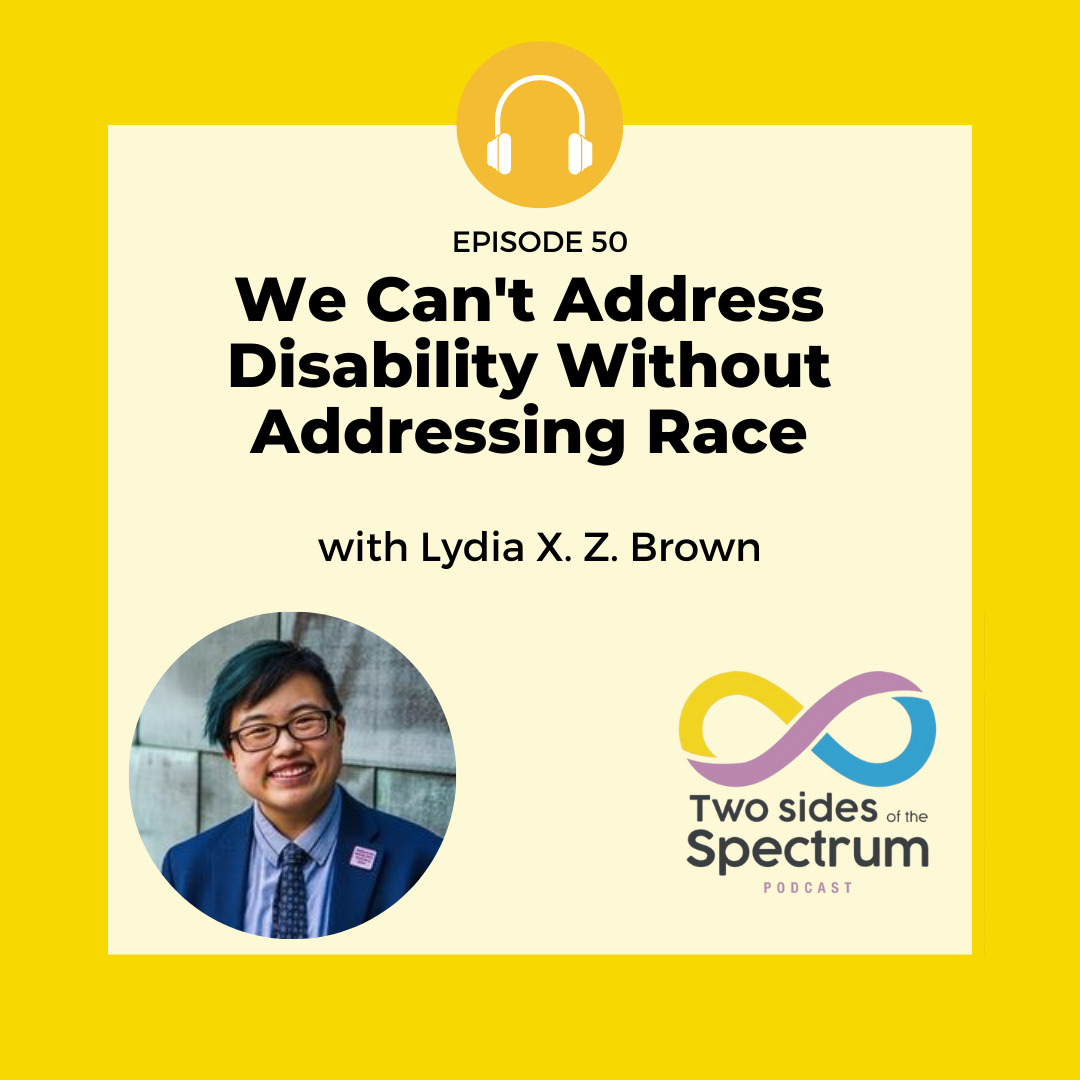
I think the discussion regarding disability stood out to me because it helped to highlight that the way folks react to a disabled individual changes based on their race. It helped to weave how the intersectionality of an individual who has trauma in multiple regards to their identity and also multiple societal perceptions face additional hurdles when society starts to deem what is normal as what is part of a very cis white patriarchal society's view of normal. This includes how folks are viewed as in need of support or a negative factor to society. If we were to think more of how we can be more inclusive for all and how much better that would make our community. Using language and thinking about ways that can take into consideration multiple cultures and world views are needed to create more inclusive and safer environments.


Shift

Tasks for White People

Privileged Self vs. Subjugated Self

I am trying to put the lessons we receive into how I would develop content or work towards using them for Instructional Design. I feel being in touch with understanding my bias and the different types of bias I may encounter in the curriculum will be important as it may trigger a student’s trauma. Trying to be more inclusive in verbiage, imagery, and choice for the design of content will be important as will finding ways to seek out microaggressions that others may have in a curriculum that I am reviewing in the future.
For my own curriculum design, I need to be aware of these as well as find ways to integrate ways to help build healthy relationships and create safer spaces that help folks feel more agency and empowerment. I have been working on choice boards and mindfulness items in some of the learning I’ve worked on in other courses and think finding even more options that could work for a variety of subjects would be very helpful.
The Foundation: Family Systems and Attachment
10 TIPS TO INCREASE ATTACHMENT
Be predictable. Be there for the child. Be present for the child/youth consistently.
Be empathetic and sensitive. Show that you care and are listening, role model emotions.
Be emotionally available. Being available shows that children can depend on you and open up.
Don't take the child's behaviors personally. This can be so difficult, and many behaviors are adaptive from historical traumatic environments.
Pair words with actions. Let the child know what is occurring and what to expect.
Interact with expectation. When you set limits and expectations, follow through!
Become child-centered, and follow the child's lead. Create autonomy for the child and let them explore independence securely.
Make eye contact. This is a great way to show engagement and focus with the child.
Expect whininess, clinging, and tantrums. Don't leave – stay and see it through. The child is trying to communicate something to you, help them do it appropriately by staying with them.
Create rituals and routines. This is a way to promote belonging in your home, classroom, program and allow the child to more easily navigate their new environment.

In one of the links from the “8 Things to Remember about Child Development” there was a discussion about “Serve and Return” in relation to child development and neglect. It discussed the occasional lapses in attention from adults and indicated the below, which helped me put into perspective these moments, these breathes a caregiver and child need to take from one another in a situation. “If diminished attention occurs on an intermittent basis in an otherwise loving and responsive environment, there is no need for concern. Indeed, some developmental scientists suggest that variations in adult responsiveness present growth-promoting challenges that may help young children recognize the distinction between “self” and “other,” which is a necessary next step for moving toward greater independence and increasing capacity for self-care and problem-solving.”


I found “Helping Traumatized Children Learn” to be very helpful to me in organizing what we have been learning in the lectures and readings thus far and how I may potentially interact with the content in the future. I predominately felt it was helpful as it built on the base of knowledge about what Trauma is and how it occurs by providing opportunities to assist in helping “traumatized students become successful members of their school communities” with action plan information. This thought is important as it goes to trying to assist in creating a thriving member of the community instead of trying to just get a child through school so that it is no longer the school’s “problem” acknowledging this creates a strong basis for the trauma informed school to create policies and trainings for staff.
I think that working to show “commitment” to the needs of students with families and establishing a sense of belonging will be a large part of what I will take with me to practice in the future. I read the other day about an educator who had a student that was suspended. The educator reached out to the family and student to let them know that they are still an important part of the school community and offered to provide classwork and updates for the child so that they had everything needed so that they could be at the same place as their peers when they returned. Now when that educator asks the student for something in school like taking off a hat, the student does so immediately due to the relationship formed, versus other teachers who the student still acts defiant towards.
Using methods such as those in Table 1 of “Building Our Schools” falls into the structure for making a student with trauma and their family know they are a part of the successes of the student and educational community.
Building Resilience and Healthy Brain Development

This module began to help me explore further information I had from prior delving into mindfulness in educational curriculum as well as concepts that hit strongly in the “Why” and “How” areas of design. I had not encountered the concept of the “Resilience Scale” as presented and I think it is a good metaphor for beginning to build a structure that assists in supporting trauma. The idea that we can provide positive support to helps balance out, though not negate the negative experiences feels like the first step in building objectives for trauma-informed design.
The “Journey to Resilience” and “Befriending the Emotional Brain” in Body Keeps the Score helped to describe some of these aspects and after reading the Body Keeps the Score chapters I sought out additional information to assist in my understanding as well within a mindfulness sphere. Articles such as https://www.ncbi.nlm.nih.gov/pmc/articles/PMC4109098/ showed support behind the neuroscience of mindfulness and how the brain acts, thus regulating the emotional brains and how it impacts the body, affect regulation.

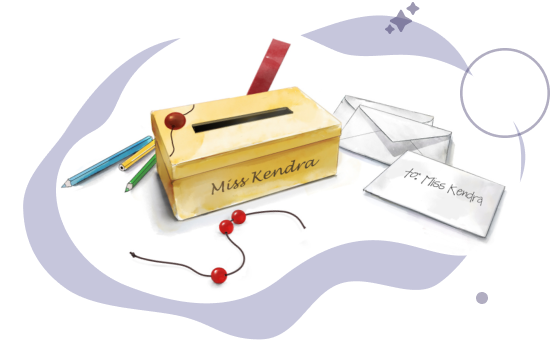

The Miss Kendra Curriculum is something I wish to explore more as someone focused on Curriculum and Instruction, especially the design aspect and how it impacts the mind when presented with the scaffolding, social aspects, and feeling heard component.
At https://www.youtube.com/watch?v=3o3KTKbfoGY there is a moment in the discussion regarding the bias behind the infographics we may design when attempting to present the neuroscience behind the “Healing for Trauma”. This spoke to me as even though we may have the understanding behind the science, the way it is presented can create further issues. I wonder on the role social media and the presentation of concepts to those in need of these skills may play and also the redirection to partake in these skill-building practices through differentiated activities. Apps exist such as Calm which is focused on the self, so do we need to look deeper at how gamification in mindfulness practice might bridge individual resistance and build a self-healing community amongst peers? I’d be interested in taking the cognitive skills and social aspects to find practices that integrate well into everyday curriculum.

In the Factors contributing to resilience in African American children and youth it was noted that many of the resilience practices are“not systematically incorporated
within the ecological framing of resilience is the explicit
inclusion of factors that specifically encompass the racial,
ethnic, and cultural experiences of African American youth.”
The main ideas that struck me were the needs to support Identity Development and that “Although a sense of school belonging is important for
all students, it may be especially important for African
American students, who are more likely to feel estranged
in school environments where values and beliefs are
discordant with their own (Ford, 1993).”
Due to this, it is especially important to find ways to further the development of Identity in the classroom and establish an inclusive practice to create a classroom and school
Inter-professional Trauma Informed Practice
I appreciated the insight given from both the DCF staff and Parents who have had interactions in the two podcasts. It was difficult content to work through, however the more we humanize and look at the realities facing those involved with systems such as these, the more understanding can be found and hopefully more support can be received for the systems and individuals that need it.

Secondary Trauma Stress Prevention and Vicarious Resilience





I found many of the DBT skills, especially in relationship to Mindfulness have a lot of merit for reduction and prevention of stress.


I believe strongly in practicing self-care and self-soothing skills in order to handle stressors and these can be applied to both caregivers to prevent burnout, as well as incorporating into such environments as Schools in order to assist students and foster relationships.