
Weekly Cole Counseling Newsletter
May 11th-15th
Counselor Message
May is Mental Health Awareness Month, which gives us a chance to slow down and talk honestly about how we’re doing. For many students, this time of year can feel exciting, stressful, exhausting, or all of those at once. Between exams, activities, friendships, and planning for summer, it’s easy to feel overwhelmed sometimes. We want students to know that struggling does not mean something is wrong with them, and asking for support is always okay. Small things can make a big difference—getting enough sleep before a test, taking a break from social media, spending time with people who make you feel comfortable, or talking to a trusted adult when things feel heavy. We hope this newsletter gives families a few helpful tools, conversation starters, and reminders that mental health matters every day, not just this month. Our counseling team is always here to support students and families however we can.
Wear Green Thursday May 14, 2026!
Defining Good Days
A “good day” doesn’t have to look perfect, happy, or super productive. For some people, a good day might mean feeling calm, getting through the day without feeling overwhelmed, or simply doing one small thing that feels manageable.
What counts as a good day is different for everyone and it can even change from day to day. There’s no right or wrong answer, and only you get to define what it means for you.
Journal Prompts for More Good Days
Finding What Brings You Pleasure, Peace, and Pride
This tool helps you notice the small things that support your well-being in different ways:
- Pleasure: What feels enjoyable or fun?
- Peace: What helps you feel calm or grounded?
- Pride: What makes you feel capable or proud of yourself?
Even small things count, like music, hobbies, talking to someone, resting, or finishing something hard.
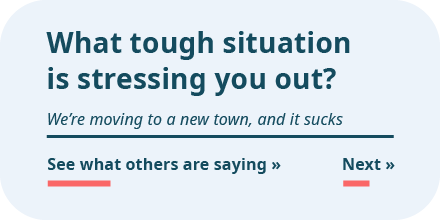
Dealing With Tough Situations
Everyone faces hard moments. This tool helps you think through what you can do when things feel overwhelming.
It can help you:
- Notice what you’re feeling
- Identify what you need in the moment
- Explore coping strategies that might help
- Think about who you can reach out to for support
You don’t have to figure it all out alone: support and options exist.
Looking for the Good
Sometimes our brains focus more on what’s stressful or difficult. This worksheet helps you practice noticing positive or neutral moments in your day, even if they feel small.
The goal isn’t to ignore hard things, it’s to also make space for what’s going okay.
Support for You & Someone You Care About
Mental health support isn’t just for crisis moments, it can be part of everyday life.
For yourself:
If you’re struggling, you deserve support. Talking to a trusted adult, school counselor, therapist, or other safe person can help.
For a friend:
If someone you know seems like they’re having a hard time, you don’t have to fix it, but you can listen, check in, and encourage them to reach out for help.
You are not alone, and neither are the people around you.
31 More Good Days Together
Mental Health Awareness Month
Take a Mental Health Break
Glimmer Journal and Mental Health Break
We are here for you! Reach out if you need anything.
Linda Sandoval, MS Counselor
210-368-8739
Jessica Garza, HS Counselor
jgarza@fshisd.net
Military Family Life Counselors and Psychologist
Ms. Sonia Dimas 6th-8th MFLC
Phone: 210-439-9397
Ms. Amberkay Crotts, 9th-12th MFLC
Phone: 210-439-9125
Dr. Ed Wilks,
Child and Adolescent Psychologist
Phone: 210-323-9267
Email: ewilks@fshisd.net