
remove_red_eye 1.4K
page background
Logo

DEIAA Newsletter

ACNL |Q3 2026 Newsletter

DEIAANewsletterACNL |Q3 2026 Newsletter

Nursing Academia and Scholarship, Disability in the Nursing Profession, Conferences and Professional Development, Cultural Observances and Awareness

Welcome to the Q3 2026 newsletter edition of the Association of California Nurse Leaders Diversity, Equity, Inclusion, Accessibility and Anti-Racism (DEIAA) Committee Newsletter.


The DEIAA Committee Members:

Anitra Williams

Austin Nation – Board Liaison

Beth Eichenberger

Christine M. Oldini

Claudia Uribe

Gena Woods

Hannah Fox

Hirut Truneh

Jessica Laughlin

Joy Kiat-Floro

Karen Mitchell-Keels

Kimako Desvignes

Kimberly Long

Lulette Infante

Make’da Traynum

Mariah Gillam - ACNL Support Staff

Nicole Barnett – Chair

Sarah Adbolcader

Sona Mahal

Sunitha Dharman

Tia Newell – Co-Chair

Trarina Jerome Harris

Vanessa Martinez


Equity begins with awareness, grows through action, and thrives through accountability. Together, we can continue building a culture where both our patients and our teams feel seen, heard, and valued.

The NLN Nurse Educator Competencies: DEI as a Professional Responsibility The NLN Nurse Educator Competencies: DEI as a Professional Responsibility

The NLN Nurse Educator Competencies: DEI as a Professional Responsibility

Submitted by: Dr. Nicole M. Barnett, DHSc, MBA, RN, NEA-BC


As nursing education responds to an increasingly diverse society and widening health disparities, diversity, equity, and inclusion (DEI) must be understood as more than an institutional initiative. DEI is integral to educational quality, professional nursing practice, and the preparation of nurses capable of providing equitable care. Importantly, this responsibility is reflected throughout the National League for Nursing (NLN) Core Competencies for Academic Nurse Educators.


The NLN identifies eight competencies defining the academic nurse educator role: facilitating learning; facilitating learner development and socialization; using assessment and evaluation strategies; participating in curriculum design and evaluation; functioning as a change agent and leader; pursuing continuous quality improvement; engaging in scholarship; and functioning effectively within the educational environment (National League for Nursing [NLN], n.d.).


Although these competencies are not labeled individually as “DEI competencies,” their application provides a clear framework for advancing inclusive excellence.


Facilitating learning and learner development, for example, requires educators to recognize the diversity students bring to the learning environment. Race, ethnicity, culture, gender identity, socioeconomic background, disability, language, age, and prior educational experiences may influence how students experience nursing education. Competent educators create environments in which these differences are recognized while ensuring that all learners have meaningful opportunities to achieve rigorous academic standards.


The competencies addressing assessment and curriculum design carry similar implications. Nurse educators must critically examine whether teaching materials, simulation scenarios, clinical experiences, and evaluation practices adequately represent diverse populations or unintentionally reinforce stereotypes and bias. Inclusive curricula should prepare students to understand not only individual disease processes, but also the structural and social conditions contributing to disparities in health outcomes.


The NLN’s emphasis on leadership, continuous quality improvement, and scholarship further positions faculty as agents of institutional change. Nurse educators can examine disparities in admission, progression, graduation, faculty recruitment, promotion, and retention; evaluate whether institutional practices produce equitable outcomes; and develop evidence-based interventions when disparities are identified.


This alignment is reinforced by the NLN’s broader commitment to diversity and inclusion. Its current public policy priorities include recruiting and retaining nurses and nurse educators who reflect the nation’s diversity, fostering inclusivity and belonging in academic and health care environments, addressing social determinants of health, and advancing health equity.


At a time when DEI initiatives are increasingly challenged, nursing education should remain grounded in professional standards and evidence. Preparing nurses to care competently for diverse populations requires educators who can teach across difference, recognize inequity, challenge bias, and create environments in which diverse learners can flourish.


DEI, therefore, should not be viewed as separate from nurse educator competency. It is one expression of competent nursing education itself. When faculty facilitate inclusive learning, evaluate students equitably, diversify curricula, examine outcomes, and lead institutional change, they are simultaneously advancing the NLN competencies and strengthening the nursing profession’s capacity to achieve health equity.


Reference

National League for Nursing. (n.d.). Core competencies for academic nurse educators. National League for Nursing.

The Transformative Role of Associate Degree Nursing The Transformative Role of Associate Degree Nursing

User uploaded image
zoom_out_map

The Transformative Role of Associate Degree Nursing

Daniel B. Flores Jr., DNP, MSN/ED, BSN, RN

Submitted by: Dr. Nicole M. Barnett, DHSc, MBA, RN, NEA-BC


As September begins, I am reminded of the important role associate degree nursing education plays in creating opportunities, strengthening communities, and preparing the next generation of registered nurses.


The Organization for Associate Degree Nursing serves as the national voice and a pivotal resource for community college nursing education and the associate degree pathway. Through leadership, collaboration, advocacy, faculty development, and support for academic progression, OADN remains committed to advancing excellence in nursing education and ensuring that the associate degree continues to be a respected and accessible entry point into professional nursing practice.

Supporting First-Generation College Students


Many of the students entering our programs are first-generation college students. They arrive with aspirations that extend far beyond earning a degree. They are working to change the direction of their lives, improve the financial security of their families, and become healthcare professionals who will serve the very communities in which they were raised.


Their journey is rarely easy. Many balance employment, family responsibilities, financial hardship, and the demanding expectations of nursing school while continuing to pursue their goal of becoming registered nurses.


A Beginning, Not an Ending


For these students, an associate degree is not the end of their educational journey. It is a strong beginning steppingstone toward lifelong learning, professional advancement, leadership, and graduate education.


OADN supports pathways that allow associate degree nurses to enter practice, serve their communities, and continue progressing toward baccalaureate, master’s, and doctoral degrees. Every educational achievement should open the door to the next opportunity.


Nursing Education as a Pathway to Economic Stability


This mission is especially important in today’s changing economy. The cost of housing, food, transportation, childcare, and other necessities continues to place significant pressure on individuals and families. Poverty and financial insecurity are increasing in many of the communities served by associate degree nursing programs.


Becoming a registered nurse can provide a substantial financial boost, greater employment stability, access to benefits, and opportunities for long-term career growth. A nursing education can change not only the life of the graduate but also the future of an entire family.

Diez y Seis de Septiembre: Courage, Identity, and Opportunity


September also offers an opportunity to recognize Diez y Seis de Septiembre, the commemoration of Mexico’s struggle for independence. This observance holds deep cultural meaning throughout the Southwest Region and beyond. It represents courage, determination, identity, and the pursuit of a better future.


These same qualities are reflected in many of our students, particularly those whose families have overcome cultural, educational, economic, and generational barriers in search of a better way of life.


A Father’s Belief in the Power of Education


This message is personal to me. My father was unable to complete his high school diploma, but he understood the transformational power of education. He repeatedly encouraged my sister and me to obtain as much education as possible because, as he told us, education would open doors.


His words remained with me throughout my journey from vocational nursing to registered nursing and ultimately to doctoral education. The opportunities I have received are a testament to his wisdom, his sacrifices, and his belief in what education could make possible.


OADN’s Commitment to Faculty and Students


As Director of the Southwest Region, I have learned over the past two years that OADN’s commitment extends far beyond promoting the associate degree pathway. OADN is focused on supporting nursing faculty, empowering students, advocating for community college nursing programs, developing future leaders, and creating pathways for continued professional and academic growth.


This work strengthens our programs and helps ensure that students from every background have an opportunity to enter the nursing profession and advance as far as their abilities and aspirations will take them.


Gratitude for Those Who Open Doors


To the educators, administrators, clinical partners, and advocates who serve associate degree nursing students: thank you. Your work creates opportunities, changes family legacies, and strengthens the nursing workforce.


Every student you encourage, mentor, and prepare represents another door opened—not only for that student, but also for the patients, families, and communities that nurse will one day serve.


Moving Forward Together


Let us continue to safeguard and advance the associate degree pathway as an essential, respected, and life-changing entry into professional nursing. Together, through the mission and leadership of OADN, we can ensure that opportunity remains within reach and that every aspiring nurse has a pathway to education, service, and professional growth.


In November, we will gather in my hometown of San Antonio, Texas, for the 2026 OADN Annual Convention. This year’s theme is Empowering the ADN Educator: Flourishing with Strength and Sustainability. Recognize that OADN Annual Convention is the only national conference exclusively dedicated to addressing the needs of associate degree nursing programs.


I invite you to join us as we network, collaborate, celebrate OADN’s accomplishments, and explore new and innovative ways to strengthen and sustain the associate degree nursing education pathway.


As my tenure as Director of the Southwest Region comes to an end, I remain committed to advancing OADN’s mission and priorities. I also look forward to supporting the incoming Southwest Regional Director in any way that I can as this important work continues.


San Antonio’s famous River Walk awaits you, and I hope to see you in November!

User uploaded image
zoom_out_map Show in original size

Submitted by Austin Nation, PhD, RN, PHN, NE-BC


As I read this, I started tearing up. This is where Nursing started for those of us in the Black community. There had to be a first, someone to open the door and create a change. Even in 2026 with the opportunities that I think given, I can still see the struggle with getting more black nurses into the future pipeline. Structural racism still exist in the educational system so many of our young people won’t even have an opportunity to get the competing GPAs that they need. There is still also limited opportunities for a promotion and advancement within academic and practice settings. There’s still much work to be done. And that’s what gives me the drive and the passion to continue blazing the path that I need to do for those coming behind me.

The Nursing Faculty Challenge The Nursing Faculty Challenge

The Nursing Faculty Challenge and Why Healthcare, Academia, and Regulators Need to Solve It Together

Submitted by Joy Kiat-Floro, MBA, MSN, RN, NPD-BC, AMB-Bc


We continue to talk about nursing shortages. We talk about recruitment, retention, burnout, new graduate residency programs, and how nursing schools need to increase enrollment to produce more nurses.


But there is one part of the conversation that I believe we do not talk about enough:

Who is going to teach them?

As a nursing leader involved in building and growing a prelicensure nursing program, I see this challenge from a very practical perspective. There are students who want to become nurses. There are schools that want to expand. Healthcare organizations need graduates. But we cannot simply add more students. We need qualified faculty to teach them. And finding those faculty is becoming one of the biggest challenges facing nursing education. This is not just an academic problem. It is a nursing workforce problem.


The Faculty Pipeline Challenge: Meeting California’s Nursing Education Standards

In California, we cannot simply hire an experienced nurse to teach prelicensure students. Board of Registered Nursing (BRN) requirements include specific education, teaching preparation, specialty expertise, and clinical competency (California BRN, n.d.). Having an advanced degree or years of nursing experience alone does not automatically qualify someone to teach every nursing course.


Clinical recency further narrows the pool. Depending on the faculty role, nurses must demonstrate direct patient care or qualifying clinical teaching experience within the previous five years (California Code of Regulations, tit. 16, § 1425; BRN, n.d.). An experienced nurse who transitioned into leadership, professional development, informatics, or quality may retain significant expertise but may no longer meet recency requirements for certain teaching assignments.


Accreditation adds another layer. WASC Senior College and University Commission (WSCUC) requires institutions to demonstrate sufficient, appropriately qualified faculty to deliver their programs and support student success (WSCUC, 2025). Expanding nursing programs is therefore not as simple as “just hire more adjuncts.” We need enough faculty who meet regulatory, clinical, and accreditation expectations.


The DEIAA Challenge: Representation Matters

The faculty shortage is also a DEIAA challenge. Our nursing student population is becoming increasingly diverse, but faculty representation has not kept pace. Underrepresented students account for 48.2% of baccalaureate nursing enrollment, while only 22.2% of nursing faculty are from underrepresented minority groups (AACN, 2025). The broader RN workforce also remains unevenly represented: 8.6% of RNs identify as Black/African American, 7.9% as Asian, and 7.2% as Hispanic, compared with 76.6% identifying as White/Caucasian (AACN, 2026).


Disability is another important dimension of diversity, yet comparable national data on nurses and nursing faculty with disabilities remain limited. This highlights another DEIAA challenge: we cannot address representation gaps we do not consistently measure. Building the future faculty pipeline means intentionally creating opportunities, mentorship, accessibility, and pathways for nurses from historically underrepresented groups, including nurses with disabilities, to enter and remain in academia.


Who teaches matters. A stronger nursing workforce requires a faculty workforce that reflects the diversity of the students and communities we serve.


The Elephant in the Room: The Faculty Pay Gap

Perhaps one of the hardest conversations is compensation. We ask experienced nurses to earn graduate degrees, maintain clinical competency, and prepare the next generation of nurses—often while earning significantly less than they could in clinical practice. Nurse.org reports that nursing instructors earn less than RNs in 49 of 51 U.S. jurisdictions. National median salaries are approximately $80,250 for nursing instructors versus $97,550 for RNs. In California, the gap is even greater: $81,960 versus $140,270—a difference of more than $58,000 (Gaines, 2026).


The California BRN has also acknowledged that the limited availability of qualified faculty and noncompetitive academic salaries create challenges in recruiting and retaining nursing educators (BRN, 2026). We cannot build a stronger faculty pipeline without addressing the financial reality of choosing to teach.

Think about what we are asking of an experienced nurse.

We should not be surprised that recruiting nursing faculty is difficult.
zoom_out_map Show in original size

We should not be surprised that recruiting nursing faculty is difficult.


The Numbers We Cannot Ignore

This is bigger than an academic staffing issue. AACN reported 1,588 full-time nursing faculty vacancies in 2025, a 7.2% vacancy rate, with more than 80% requiring or preferring a doctoral degree. That same year, nursing schools turned away 92,672 qualified applications due to limited faculty, clinical sites, preceptors, space, and resources (AACN, 2026). Meanwhile, faculty ages 65 or older increased from 16.9% in 2017 to 34.2% in 2024 (AACN, 2026). If we want to educate more nurses, where will the next generation of nursing faculty come from?


Healthcare Organizations Have to Be Part of the Solution

The nursing faculty shortage cannot be an academia-only problem. Healthcare organizations need nurses, and nursing schools prepare them. We need to work together. Healthcare already employs our future faculty—bedside nurses, preceptors, clinical educators, professional development practitioners, advanced practice nurses, and nursing leaders. Instead of waiting for them to transition into academia, why aren't we intentionally creating pathways for them to become educators?


1. What Could That Look Like?

Stronger academic-practice partnerships can allow nurses to grow as educators while remaining clinically active. Joint academic-clinical appointments, protected teaching time, and clinical ladders that recognize teaching can create a bridge between practice and academia. This approach helps maintain clinical competency while developing the next generation of nursing faculty (BRN, n.d.).


Imagine a pathway that looks like:


Bedside Nurse → Preceptor → Clinical Educator → Adjunct Faculty → Nursing Faculty

Healthcare organizations already invest in graduate education. Why not intentionally use some of that investment to develop future nursing faculty through advanced education, teaching preparation, mentorship, and continued clinical practice? Instead of waiting for qualified faculty, we can grow them.


2. Professional Growth Should Include Teaching

Not every nurse wants to become a manager or advanced practice provider. Some of our best nurses are natural educators—preceptors and mentors who have a passion for developing others. Healthcare organizations can recognize teaching as a professional pathway through clinical ladders, faculty partnerships, educator development, and protected teaching time. Supporting nursing educators is an investment in the future nursing workforce.


Nursing Faculty Are Workforce Multipliers

Nursing faculty are workforce multipliers. While a bedside nurse cares for patients each shift, one faculty member can educate hundreds of nurses over a career, who then care for thousands of patients. Investing in nursing faculty is investing upstream in the future nursing workforce.


We Need to Grow Our Own

As someone involved in hiring nursing faculty, I have learned that waiting for the perfect candidate is not a workforce strategy. We need to recognize potential and intentionally develop it. Today's strong preceptor can become tomorrow's clinical instructor and, with mentorship, graduate education, and continued clinical practice, a future faculty or nursing leader. Academia and healthcare must work together to grow on our own. The answer is not lowering the bar—it is helping more nurses reach it.


What Can the BRN Do?

The California BRN has an important responsibility to protect the public and ensure nurses enter practice safely and competently. That should not change. However, in its 2026 Sunset Review, the BRN itself identified the limited availability of qualified faculty and noncompetitive academic salaries as barriers to expanding nursing program capacity and strengthening California's nursing workforce pipeline (BRN, 2026).


This creates an opportunity for continued discussion. The question is not how we lower faculty standards, but how we create more pathways for qualified nurses to meet them. Building existing equivalency and remediation options, the BRN, nursing programs, and healthcare organizations can work together to support clinical competency and recency, academic-practice partnerships, joint appointments, and faculty development. The goal is to maintain the standards that protect the public while moving from simply finding faculty to intentionally developing them.


We Cannot Solve One Shortage Without Solving the Other

We continue to say we need more nurses—but we cannot produce more nurses without investing in those who teach them. More students require more qualified faculty, and developing faculty requires graduate preparation, clinical expertise and recency, mentorship, competitive compensation, and stronger academic-practice partnerships.

The nursing shortage and the nursing faculty shortage are not separate problems. They have the same workforce challenge at different points in the pipeline.


Healthcare needs nurses today. Academia prepares the nurses needed tomorrow, while regulators ensure we do so safely and responsibly. Strengthening California's nursing workforce requires healthcare, academia, professional organizations, policymakers, and regulators to invest in faculty development together.

Because we cannot solve the nursing shortage

if there is no one available to teach the next nurse.


References

American Association of Colleges of Nursing. (2025). Data highlights from AACN's 2024 annual survey.


American Association of Colleges of Nursing. (2025). Enhancing diversity in the nursing workforce.


American Association of Colleges of Nursing. (2026). Nursing shortage fact sheet. https://www.aacnnursing.org/news-data/fact-sheets/nursing-shortage


California Board of Registered Nursing. (n.d.). Pre-licensure nursing program educator: Faculty information. https://www.rn.ca.gov/education/faculty.shtml


California Board of Registered Nursing. (2023). Instructions for institutions seeking approval of a new prelicensure registered nursing program or addition of a new campus or location for a currently approved nursing program. https://www.rn.ca.gov/pdfs/regulations/edp-i-01.pdf


California Board of Registered Nursing. (2026). Sunset review report 2026. https://www.rn.ca.gov/pdfs/forms/sunset2026.pdf


Gaines, K. (2026, September 8). Who teaches the nurses? Inside America’s nurse educator shortage. Nurse.org. https://nurse.org/education/nurse-educator-shortage-report/


WASC Senior College and University Commission. (2025). 2023 handbook of accreditation. https://www.wscuc.org/handbook2023/

Creating Academic Nursing Environments Where BIPOC Faculty Can Thrive Creating Academic Nursing Environments Where BIPOC Faculty Can Thrive

Beyond Recruitment: Creating Academic Nursing Environments Where BIPOC Faculty Can Thrive

Submitted by: Dr. Nicole M. Barnett, DHSc, MBA, RN, NEA-BC

As nursing works to build a workforce capable of caring for an increasingly diverse population, attention has appropriately focused on increasing diversity among nursing students. Yet an equally important challenge remains: Who is teaching, mentoring, and leading the next generation of nurses?


Recent research suggests that academic nursing continues to struggle not only with recruiting Black, Indigenous, and People of Color (BIPOC) faculty, but also with creating environments that support their retention, advancement, and leadership.


A 2026 systematic review examining recruitment and hiring of racially and ethnically diverse nursing faculty found a persistent disconnect between institutions’ stated commitments to diversity and their actual hiring practices. Across 27 studies, researchers identified several recurring barriers, including the composition and power of search committees, subjective definitions of “fit” and merit, and gaps between institutional DEI commitments and implementation. Even seemingly race-neutral hiring criteria and interview practices may introduce implicit bias into faculty selection.


The implications are significant. Diversifying nursing faculty requires more than encouraging BIPOC nurses to consider academic careers. Schools of nursing must examine the structures through which faculty are recruited and selected. Strategies identified in the literature include diversifying search committees, developing partnerships with historically Black colleges and universities and other minority-serving institutions, proactively cultivating candidates rather than relying exclusively on traditional searches, considering cluster hiring, and creating mentorship structures that begin with recruitment rather than after a faculty member arrives.


Getting Hired Is Only the Beginning


Retention may present an even greater challenge.


A 2025 autoethnographic study of Black and South Asian nurse faculty described experiences ranging from the transition from clinical practice into academia through tenure and promotion. Faculty reported racialized exclusion, institutional neglect, inadequate formal mentorship, unclear expectations for tenure and promotion, mistrust of assigned mentors, and significant emotional and psychological burdens. In response, many sought mentorship and support outside their institutions through peers, professional organizations, and informal networks.


These findings suggest that recruiting BIPOC faculty without addressing the environment they enter is unlikely to produce sustainable change. Representation without belonging, mentorship, opportunity, and equitable pathways to advancement is not retention.


Leadership representation presents another challenge. A 2024 analysis of leadership at 50 highly NIH-ranked academic nursing institutions found that 80.9% of the 409 leaders studied were White, while only 13.6% came from racially or ethnically minoritized groups. Minoritized leaders were also less likely to occupy dean and higher executive positions. Interestingly, DEI leadership positions were disproportionately occupied by minoritized leaders but tended to be concentrated at lower executive levels, such as director positions.


This raises an important question for academic nursing: Are BIPOC faculty being invited to help institutions address diversity while remaining underrepresented in the positions that hold the greatest institutional authority?


The Hidden Weight of DEI Work


Research from academic health centers provides additional insight. Interviews with 32 DEI leaders found that many faced expanding responsibilities without corresponding authority, staffing, funding, or institutional integration. Participants described work that was simultaneously meaningful and exhausting, with some experiencing burnout as institutional expectations increased without equivalent increases in support.


Although this study examined academic health centers broadly rather than nursing faculty specifically, its findings have clear implications for nursing education. BIPOC faculty are often called upon to mentor students from underrepresented backgrounds, participate on diversity committees, educate colleagues about equity, and contribute to institutional DEI initiatives. This work may be deeply meaningful, but when it is added to teaching, scholarship, clinical practice, and service expectations without recognition or resources, it can become another barrier to retention and advancement.


Moving From Representation to Institutional Responsibility


The evidence points toward a broader definition of faculty diversity. Success cannot simply be measured by how many BIPOC faculty members are hired. Nursing programs should also ask: Do they stay? Do they feel that they belong? Are they mentored? Are promotion and tenure expectations transparent? Is their service recognized? And are they progressing into positions of meaningful academic leadership?


Several priorities emerge from the literature:

  • Examine hiring processes for bias, particularly subjective concepts such as “fit.”
  • Build diverse search committees and proactively develop diverse candidate pipelines.
  • Establish structured, culturally responsive mentorship and sponsorship.
  • Make promotion and tenure expectations transparent and equitable.
  • Recognize and appropriately value mentoring and DEI-related service.
  • Develop BIPOC faculty for department chair, associate dean, dean, and other senior leadership roles.
  • Hold leaders accountable not only for recruitment, but also for retention, advancement, and workplace climate.


Academic nursing has made important commitments to diversity. The next phase requires translating those commitments into structures that allow BIPOC faculty to build sustainable academic careers.


Ultimately, diversifying nursing education is not simply about who receives an offer letter. It is about who is welcomed, who is supported, whose scholarship and contributions are valued, who advances—and who has a meaningful voice in shaping the future of nursing education.


References


Travers JL, Rosa WE, Raval A, et al. Racial and ethnic diversity in academic nursing leadership: A cross-sectional analysis. Nursing Outlook. 2024;72(4):102182. PubMed


Esparza CJ, Simon M, London MR, Bath E, Ko M. Experiences of Leaders in Diversity, Equity, and Inclusion in US Academic Health Centers. JAMA Network Open. 2024;7(6). PubMed


Scaria TJ. Recruitment and hiring of racially and ethnically diverse nursing faculty in the United States: A systematic literature review. Nursing Outlook. 2026;74(2):102736. PubMed


Iheduru-Anderson KC, Alexander KE, Mathews N, et al. From Bedside to Classroom: An Autoethnography of the Mentoring Experiences of BIPOC Nurse Faculty from Transition to Tenure and Promotion. Global Qualitative Nursing Research. 2025;12. PubMed

Bridging Academia and Practice Bridging Academia and Practice

Bridging Academia and Practice: Preparing Nurses for the Realities of Today’s Healthcare Environment

Submitted by: Austin Nation, PhD, RN, PHN, NE-BC


Nursing has always lived at the intersection of education and practice. Yet as healthcare grows increasingly complex, the distance between those two worlds can sometimes feel greater than it should. Academic nursing programs are charged with preparing graduates who are clinically competent, intellectually curious, adaptable, and ready to enter professional practice. Healthcare organizations, meanwhile, need nurses who can step into rapidly changing environments while navigating technology, quality and safety expectations, workforce pressures, interprofessional relationships, and increasingly complex patient needs.


Neither academia nor practice can accomplish this work alone.


As a nurse educator, I am reminded regularly that preparing the next generation of nurses involves much more than teaching content or ensuring that students meet clinical competencies. We are helping students develop a professional identity. We are teaching them how to think, communicate, advocate, lead, and remain grounded in the values of nursing when the environment around them becomes difficult.


Our practice partners are essential to that development.


For students, the clinical environment is where nursing becomes real. It is where concepts discussed in classrooms and simulation laboratories encounter the unpredictability of human beings, organizations, and healthcare systems. A skilled preceptor, clinical nurse, manager, or nurse executive may influence a student's understanding of professional nursing as profoundly as any faculty member.


That influence also works in the other direction. Academic nursing brings important resources to practice: emerging evidence, faculty expertise, research partnerships, quality-improvement initiatives, and a new generation of nurses who often arrive asking questions that challenge us to reconsider why we do things the way we do.


This is why the academic-practice partnership should be viewed as more than a mechanism for securing clinical placements. It is a relationship built around a shared workforce.


The nursing student entering a clinical unit today may be that organization's new graduate nurse tomorrow, its charge nurse several years later, and eventually its manager, advanced practice nurse, educator, researcher, or executive leader. When healthcare organizations invest in nursing students, they are investing in their own future workforce.


At the same time, academia must remain attentive to what our practice partners are telling us. Are graduates prepared to communicate effectively? Can they recognize deterioration and escalate concerns appropriately? Do they understand quality improvement and patient safety? Can they work within teams, navigate conflict, use technology responsibly, and care for populations whose experiences may be very different from their own? Perhaps most importantly, are we preparing nurses who can continue learning after graduation rather than simply demonstrating what they learned before it?


These conversations require genuine partnership.


They also require us to resist the temptation to characterize new graduates as simply "not ready." New graduates have never been finished products. Nursing expertise develops through education, experience, mentorship, reflection, and time. The responsibility for that development does not abruptly transfer from academia to practice on graduation day. Instead, graduation represents a handoff within a professional continuum.


That perspective creates opportunities for nursing leaders and educators to think differently together.


What would happen if academic and practice leaders engaged one another earlier when identifying workforce needs? What if clinical nurses and nurse leaders had greater opportunities to shape educational experiences, while faculty had greater opportunities to participate in practice-based innovation? What if student clinical experiences, nurse residency programs, leadership development, research, and quality improvement were viewed as interconnected components of one nursing workforce-development strategy?


Organizations such as the Association of California Nurse Leaders are uniquely positioned to help create those connections. ACNL brings together nurses whose leadership occurs across hospitals, health systems, academic institutions, community settings, and other areas of practice. That collective perspective is particularly valuable at a time when nursing cannot afford to solve workforce challenges within organizational silos.


For those of us in academia, this means continuing to listen carefully to our practice colleagues. For nursing leaders in practice, it means recognizing students and faculty not simply as visitors to healthcare organizations, but as partners in building the profession's future.


Ultimately, academia and practice share the same goal: nurses who are prepared not merely to enter the profession, but to sustain it, strengthen it, and eventually lead it.


The future of nursing will not be created exclusively in classrooms or at the bedside. It will be created in the space between them—and in our willingness to build that space together.

Research Participants Needed: Lived Experience of Transition in Nursing Academia Research Participants Needed: Lived Experience of Transition in Nursing Academia

User uploaded image
zoom_out_map Show in original size

An Immigrant Nurse's Fight to Make Nursing Visible An Immigrant Nurse's Fight to Make Nursing Visible

From Queens to the Quality Office: An Immigrant Nurse's Fight to Make Nursing Visible

Submitted by Lulette Infante, MSN, RN-BC, CPHQ


I arrived in New York at 18 with three younger siblings in tow, stepping into a life that demanded adulthood long before I was ready for it. My father had spent a decade working at the World Trade Center; my mother remained in the Philippines. Within months, I was not just an immigrant teenager figuring out the subway — I was the mom, the stand-in parent for a 10-year-old, a 12-year-old, and a 16-year-old, while navigating a new country, a new school system, and winters I had only ever seen in movies.


My first blizzard buried New York City in three feet of snow. I took a three-hour bus ride to my fast-food job because showing up was what survival required; showing up mattered to me because that's what you do. When I arrived, they sent me home — no customers, no shift. I hadn't known better. I only knew that you keep going, even when the world tells you to turn back.


That instinct — show up, push through, prove you belong — has shaped every chapter of my 30-year nursing career.


Finding My Way Into a Profession That Wasn't Built With Me in Mind


Nursing wasn't my first dream. I wanted to be a doctor. But my mother, a teacher who once dreamed of becoming a nurse herself, told me nursing would be a strong foundation. She was right. I fell in love with the work — the care, the science, the privilege of being present in life's most vulnerable moments.


But the path wasn't designed for someone like me. My college credits from the Philippines did not transfer because I had started at 16. My transcripts were misread as failing because the grading system was unfamiliar. I learned early that immigrant excellence often requires twice the work for half the recognition.


And like many new nurses, I experienced bullying — the quiet violence of lateral hostility, the "nurses eat their young" culture we still don't talk about enough. I promised myself I'd help break that cycle for the next generation.


The Mistake That Changed My Life — and My Leadership


The moment that shaped me most was a medication error early in my career: a chemotherapy dose that was too high for a young cancer patient. The mistake originated in a physician's order, passed through the pharmacy, and reached the patient through me. At least three safety nets failed.


I walked into the root cause analysis; certain I would be punished.


Instead, the quality nurse leading the review did something radical: she treated me with dignity. She focused on the system, not the individual. She taught me the meaning of just culture before I had the language for it.


That experience didn't push me away from nursing — it pulled me deeper into it. It led me to quality, safety, and eventually informatics, not to escape the bedside but to protect it.


Paving My Own Path


Aside from the children with cancer I cared for who grew into extraordinary adults, one of the achievements I'm most proud of is having been part of the team that helped start what is now the largest pediatric kidney transplant program in New York. I was early in my career, far from an expert, but I showed up and did the work alongside people who believed it could be built.


That became a pattern I'd repeat throughout my career: saying yes to roles no one had defined yet. When I was given the opportunity to step into a position that had never existed in my organization before, I built it from scratch, shaping it around what I believed would actually serve our patients and our nurses, with no prior experience to fall back on. I'm doing it again now, leading our perinatal service line without a formal background in labor and delivery. What's carried me through both is the same thing: keeping the patient as my true north. If I treat every patient like my own family — making sure they're safe, cared for, seen — the rest of the expertise follows.


Informatics became the way I could support thousands of nurses at once, building tools and data structures that catch the errors humans inevitably make, at a scale I couldn't reach one patient at a time.


The Economics of Invisible Work: A Global Movement for Visibility


Nearly three decades into my career, a Fellowship in Nursing Economics (FINE) cracked something open for me. I realized that even as a seasoned nurse leader, I didn't understand the financial architecture that renders nursing's value invisible. If I didn't know, I knew most nurses didn't either.


Nursing-sensitive outcomes generate enormous financial value for hospitals every day — fewer infections, fewer falls, shorter stays. Yet that return disappears into a bundled room rate, while every other discipline bills for its services line by line. That invisibility isn't accidental. It's structural.


It's why I wrote an illustrated children's book explaining nursing economics in simple terms — because changing the system starts with a shared language. It's the heart of #ShowMeTheNursing, a call to make visible what has always been essential.


I joined the inaugural cohort of that global fellowship — healthcare leaders from Europe, Asia, Africa, and the Americas, all grappling with the same truth: healthcare systems cannot improve what they refuse to see. Being the first cohort meant being the test kitchen. We learned together, challenged each other, and shared a conviction that the time for this conversation is now.


The Personal Is Professional


There's a through-line in my life I didn't expect to find. I have spent my entire career proving I belonged in rooms not built with me in mind. Nursing is doing the same thing — fighting for recognition in a system that has never once named us.


During COVID, Filipino nurses made up roughly 4% of the U.S. nursing workforce but nearly a third of the nurses who died. That statistic isn't abstract to me. It's my community. It's my family.


It's also why I started Project Unseen Heroes, a badge initiative that puts frontline nurses' faces back on their own PPE so patients can still see who is caring for them. Born out of love, this project spread globally and was even featured in medical-drama TV shows.


For the Love of Informatics


Today, I serve as President of the Northern California chapter of the American Nurses Informatics Association (ANIA)—a specialty still defining its own identity, still too often invited into the room only after decisions are already made. We don't yet have an established pathway, as with quality or education. We're only now seeing the first Chief Nursing Informatics Officers take their seats at the table. Even some nurses still don't know what informatics is.


I call it my beloved specialty, and I lead it the way my son played lacrosse — for the love of the game. Professional lacrosse players make less than someone working in fast food, yet they pour years of physical and mental training into it anyway, because the sport itself is the reward. Informatics is like that for me. The recognition is still catching up to the value, so I show up anyway — building the pathway, defining what we bring to the organization, and making sure we're looped in before it's too late, not after.


I lead the way I survive.


You Belong Here

I didn't come from a tech background. I wasn't born into this specialty — I found it, fought my way into understanding it, and grew to love it for what it makes possible. So hear me clearly: you don't need an informatics title to belong here.


If you're a bedside nurse who's ever asked, "Why doesn't the system just work the way we work?” you belong here. If you're an educator, a quality leader, a CNO, a new grad, or someone two years from retirement who's never touched an EHR build but cares deeply about getting it right for patients, you belong here. Your background, your specialty, your title on a badge — none of that is the entry requirement.


The only thing you need to believe is our tagline: where caring meets technology. If you believe that caring comes first and technology should serve it — not the other way around — then you are already one of us. Find your way in. We need you.


Maya Angelou said, "People will forget what you said and what you did, but they will never forget how you made them feel." That is the compass I try to lead with every day — and it's the same compass I hope guides this specialty forward.

Disability as Strength: Promoting Inclusion in Emergency Nursing Teams Disability as Strength: Promoting Inclusion in Emergency Nursing Teams

User uploaded image
zoom_out_map

Disability as Strength: Promoting Inclusion in Emergency Nursing Teams

Vanessa Cameron, PhD, RN, NPD-BC, CEN, CNL

Submitted by Joy Kiat-Floro, MBA, MSN, RN, NPD-BC, AMB-Bc


Disability is a concept not often discussed alongside nursing—or at least not in the context of the disabled person being the carer, rather than the cared for. The Centers for Disease Control and Prevention defines disability as “any condition of the body or mind (impairment) that makes it more difficult for the person with the condition to do certain activities (activity limitation) and interact with the world around them (participation restrictions).”1 Historically, disability is associated with being less capable, valuable, or worthy as members of society and the workforce. Ableism is the discrimination of individuals based on disability status; however, a more complete definition describes ableism as “the discrimination and social prejudice against people with disabilities based on the belief that typical abilities are superior…it classifies entire groups of people as ‘less than’ and includes harmful stereotypes, misconceptions, and generalizations of people with disabilities.”2


Ableism is closely aligned with the medical model of disability, which is built on the foundations of exclusion from spaces, along with pathologizing disabilities, and worsens power imbalances and leads to increased vulnerability for disabled people.3 Microaggressions are “commonly occurring, brief, verbal or nonverbal, behavioral, and environmental indignities that communicate derogatory attitudes or notions toward a different ‘other'.”4 These negative biases and assumptions in health care and especially in emergency departments, where we often have limited information to make decisions, worsen health disparities for disabled people while also signaling to disabled nurses that they are not welcome. I hope that, as you read my own personal story of disability and all it has taught me, we can collectively start to create a world where disabled nurses are not only accepted but intentionally included.

Journey Into Disability

Ten years into my nursing career, I was running a residency program in an emergency department, supporting continuing education for all staff, and collaborating with hospital-wide teams to improve our quality outcomes. I was actively engaged in work in cultural humility and considered myself to be thoughtful and intentional, working with nurses, staff, and patients from all backgrounds. However, in April 2021, everything changed. During a spring break trip with my family, an awkward rock-climbing fall led me instantly into life with a disability. As a nurse, I recognized almost immediately that I had injured my spinal cord, and while waiting for help to arrive, I remember thinking that my life as I knew it was over. Every vision I had of myself—my family, career aspirations, and personal goals—felt completely incompatible with the assumptions that I was making about my future life with a disability.


Out of what felt like sheer stubbornness, 4 months later, I returned to my role in the emergency department as a full-time wheelchair user. I had naively assumed that returning to a hospital would mean easy accessibility, but I quickly found that even the health care system itself is profoundly inaccessible. What followed my return to work were months of accommodation trial and error and unexpected physical barriers: inaccessible spaces, heavy fire doors, and automatic sensors that no longer registered my presence because I was seated. And then there were the emotional barriers—the daily reminders that disability changes not only how the world sees you but how it treats you. I was stopped and questioned for using staff elevators, repeatedly assumed to be a patient despite wearing business clothes and a registered nurse badge, and met with either awkward jokes or outright avoidance from colleagues who suddenly did not know how to interact with me. The microaggressions were constant and exhausting. As a middle-class, cisgender white woman with a lot of recognized privilege throughout my nursing career, I was suddenly thrust into a space that had always felt safe, but now clearly did not consider me as an equal. It was overwhelming and changed my perspective in a way I can never unsee.


Surprisingly, the hardest part of my return to work was not physical; it was not knowing how to reconcile my personal (disabled) and professional (nurse) identities that no longer seemed compatible. I did not personally know a single wheelchair-using nurse and had no roadmap or peer group who understood what it meant to return to a clinical work environment with a body that suddenly functioned differently, and I was still getting to know. Despite having extraordinary leadership and departmental support, the experience was isolating. Each morning that I rolled into the department, I accepted that anyone who did not know me would doubt my belonging and capability before I even had the chance to speak.

Rebuilding My Identity

What ultimately kept me moving forward was the realization that, in many ways, I had become better at my job.


Given that many aspects of my job had become physically more demanding, I was compelled to reassess every aspect of my course design and delivery, as well as how I supported staff in the unit. I began to work smarter and more intentionally by redesigning activities, adjusting my facilitation style, refining my method and timing of unit rounding, and continually adapting as I learned what worked well. This shift in my understanding and approach made me better where it mattered most—in the connection I created with the ED staff and in my ability to help them understand the profound impact of their care.


I suddenly understood concepts and caring in a way I never had before—how pain can be invisible, how it shapes behavior, and how dissociation or hyperfixation can be coping mechanisms rather than signs of noncompliance or exaggeration. I now have a deep understanding of the importance of listening to patients and their families, even when the focus seems inconsistent with your priorities.


I also experienced feeling excluded for the first time. Feeling unwelcome and unseen fundamentally changed my awareness of my own words, actions, and biases. I became more patient, creative, and intentional in making learning inclusive. And every day, even when I felt like a spectacle, I reminded myself of the value I brought because of, not despite, my disability that ultimately made me a stronger, more empathetic nurse and educator.


Three Lessons Disability Has Taught Me

As nurses, we each bring different strengths to the team. My disability does not prevent me from being a nurse; it simply reshapes the role I choose to play.


Here are 3 truths that I have learned along the way:

  1. Disability and nursing are not incompatible. Contrary to the assumptions that are rampant in health care related to disabled nurses, we can bring invaluable knowledge and skills to the workforce to improve health care outcomes. Every single day, disabled people practice proactive planning, advocacy, problem solving, and adaptability—skills that elevate nursing practice and strengthen our teams.
  2. Nurses must stop sacrificing themselves in the name of caring for others. Nurse heroics refers to the “culture nurses have created wherein one is supposed to go above and beyond what is reasonable in fulfilling one’s duties.”5 It is a professional culture of self-neglect for the “good” of the team, and I was as guilty as the next person of striving for this as the professional standard. However, becoming disabled forced me to prioritize my own needs and ask for help. I learned that, in doing so, I became a better colleague and better nurse because I had my own needs met. Asking for what we need does not make us weak; it makes us human. Vulnerability supports authentic connection with others.
  3. Lived experience deepens compassion. My disability has made me a more understanding and empathetic person. It shapes how I teach, lead, care for myself and others, and build relationships. And it has made me more committed to advocating for spaces where every nurse can thrive.

Disabled Nurses Belong in the Emergency Department

Disabled nurses are innovators. We are flexible thinkers. We understand what it feels like to be on the other side of care—sometimes not believed, sometimes not welcomed—and we carry the trauma of that with us to do better for those we accompany in care. In the emergency department, where teamwork, creativity, and rapid problem-solving are essential, these lived disability experiences are not obstacles; they are assets.

I would not have self-selected this path, but I also cannot imagine who I would be without the perspective it has given me. My life is harder, yes, but it is no less valuable, worthy, or capable of shaping meaningful change in health care. In many ways, I believe I contribute more now than I ever did before. Here’s to intentionally seeing the value of disability in health care and to recognizing the transformative impact that representation can have, especially in the emergency department, a place that saved my life twice—once physically and once by reshaping my identity as a disabled nurse.


References

1. Disability and health overview. Centers for Disease Control and Prevention, Updated 2025

https://www.cdc.gov/disability-and-health/about/ CDC_AAref_Val=https://www.cdc.gov/ncbddd/disabilityandhealth/disability.html

Date accessed: December 8, 2025


2. Eisenmenger, A. - Ableism 101 – what is ableism? What does it look like? Access Living

https://www.accessliving.org/newsroom/blog/ableism-101/

Date: Published December 12, 2019

Date accessed: December 8, 2025


3. APA Dictionary of Psychology: “Microaggression.”.American Psychological Association, Updated 2023 https://dictionary.apa.org/microaggression

Date accessed: December 8, 2025


4. Hogan, A.J. Social and medical models of disability and mental health: evolution and renewal

CMAJ: Can Med Assoc J. 2019; 191(1):E16-E18 https://doi.org/10.1503/cmaj.181008


5. Neal-Boylan, L. ∙ Guillett, S.E. Registered nurses with physical disabilities

J Nurs Admin. 2008; 38(1):1-3 https://doi.org/10.1097/01.NNA.0000295630.95592.ae

Diversity, Equity, and Inclusion Member Survey Diversity, Equity, and Inclusion Member Survey

Diversity, Equity, Inclusion Member Survey Compiled by the Association for Nursing Professional Development

Submitted by Joy Kiat-Floro, MBA, MSN, RN, NPD-BC, AMB-Bc


The Association for Nursing Professional Development (ANPD) remains focused on enhancing quality healthcare by defining and promoting nursing professional development practice. One of the 2024-2026 strategic plan's goals is for ANPD to remain an inclusive organization by attracting, engaging, and collaborating with a diverse membership community.


The Association for Nursing Professional Development (ANPD) developed and administered the second Diversity, Equity, and Inclusion (DEI) member survey in 2025. ANPD distributed the survey to its members and database via email to 30,512 contacts and shared on ANPD’s social media channels. 587 people viewed the survey, and 579 people responded for an overall response rate of 1.89%.


The intention of the survey was to gain an understanding of Nursing Professional Development (NPD) practitioners' and Professional Development associates' (PDA) perceptions about diversity, equity, and inclusion. In addition, we sought to understand efforts on an organizational level and provide external benchmarking on institutional engagement. This survey was anonymous and will inform resources and educational support development and offerings. All data is reported in summary form only to ensure confidentiality.


The data is reported in three parts. Part I - demographics of respondents. Part II - data on knowledge, skills, and attitudes about DEI adapted from Veldez, et al. (2023) from respondents. Part III - perceptions about ANPD and learning needs from respondents

pdf
insert_drive_file
Diversity, Equity, Inclusion Member Survey.pdf
Download
1016.2 KB

Read, Watch, & Listen Read, Watch, & Listen

User uploaded image
zoom_out_map

Read

Healthcare Education: Strategies for Inclusive Learning

by Vanessa K. Cameron (Author), Jennifer L. Bodine (Author), Jillian A. Russell (Author)


This guide serves as a comprehensive resource for healthcare educators seeking to strengthen their understanding and application of inclusive learning principles. It begins with core concepts and terminology to build foundational knowledge, then transitions into evidence-based strategies for assessing and integrating inclusivity into educational design and delivery. Drawing upon research and practice across healthcare, education, and psychology, the guide invites readers to reflect on their teaching environments and take meaningful steps toward equitable, learner-centered education. Through intentional reflection and practice, educators can cultivate inclusive spaces that promote belonging, enhance workforce recruitment and retention, and contribute to improved patient and community outcomes.


Learning Objectives

After reading this guide, you will be able to:

  • Define key concepts related to inclusive learning and describe their relevance within healthcare education and professional development.
  • Recognize how implicit bias, systemic inequities, and educational design choices influence learner experiences and outcomes.
  • Apply evidence-informed strategies to create, implement, and evaluate inclusive learning environments in academic, transition-to-practice, or continuing education settings.
  • Reflect on personal and organizational practices to identify opportunities for advancing inclusivity and equity within healthcare education.
Watch

Meet the Disabled Nurses Who Turned Doubt into Power

Nursing Fundamentals: Ethnic and Cultural Considerations

Meet the Disabled Nurses Who Turned Doubt Into Power #nursing #disability #podcast
Nursing Fundamentals: Ethnic and Cultural Considerations

Listen

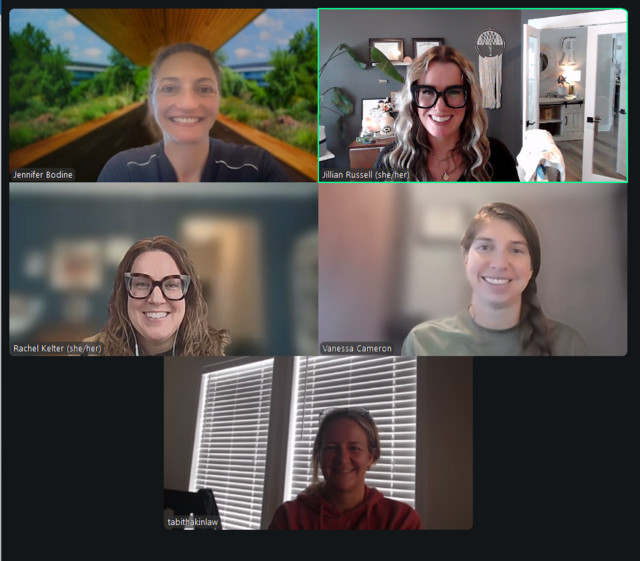
In this episode, Rachel Kelter and Tabitha Kinlaw speak with Vanessa Cameron, Jenn Bodine and Jillian Russell, authors of Healthcare Education: Strategies for Inclusive Learning.
S2 E22 Exploring Healthcare Education: Strategies for Inclusive Learning Guidebook

S2 E22 Exploring Healthcare Education: Strategies for Inclusive Learning Guidebook

Disruptor Diaries: Healthcare Education Innovation Unleashed · Episode

launch open.spotify.com

Looking Ahead Quarter - 4 Theme Looking Ahead Quarter - 4 Theme

Belonging During the Holidays, Cultural Humility in Nursing, Giving & Service (October, November, December)


Submissions for events and articles aligned with this quarter’s theme are now open. Please email your submissions to Mariah Gillam - mariah@acnl.org by December 15, 2026 (preferred deadline).

Closing Thoughts Closing Thoughts

“The future of nursing is strengthened by the voices we include, the differences we value, and the sense of belonging we create for those who will care for generations to come.” - Reflection by Joy Kiat-Floro, MBA, MSN, RN, NPD-BC, AMB-Bc


Be intentional with self-care through learning, reflection, and restoration
ACNL DEIAA Committee

Created by Mariah Gillam, BA - ACNL Marketing & Project Coordinator

Previous Newsletters

2026:

Q1: Goal Setting, Mentoring, and Representation

Q2: Men’s Health Month, Nurses Week, Voice of Nurses, & Shaping Health Policy

2025

January: Shaping the Future of Equitable Healthcare

February: Black Men in Nursing

March: Caring for Incarcerated Populations

April: Perinatal Equity

May: Celebrating AAPI Heritage Month: Honoring a Legacy of Leadership and Resilience

July: Advancing Equity in Migrant and Immigrant Health

December: Celebrating Belonging, Reflection, and Renewal

2024

January: Combatting Misinformation and Disinformation

February: Environmental Health and Justice

March: Women's Health Equity

April: Disability Rights

May: Mental Health Awareness Month

June: Pride Month

July: Advocating for Patient Summer Safety

August: Community Health Nursing

September: Political Action Edition

October: Disaster Preparedness

November: Rural Healthcare

December: Nursing History

2023

June: Resilience and Community Care

August: Civic Health Month

September: Maternity Care

October: Legislative Update

November: Navigating the Digital Frontier

December: Resilience and Community Care

ACNL logo
open_in_new zoom_out_map

Association of California Nurse Leaders

Email: info@acnl.org
Website: https://www.acnl.org/
Location: 180 Promenade Circle suite 300, Sacramento, CA 95834, USA
Phone: 916-779-6949

Kimberly Long
Kimberly is using Smore to create beautiful newsletters
Loading indicator

close