
Play, Grow, and Glow
A bi-weekly Milford Family Resource Center Newsletter


Talking Turkey!
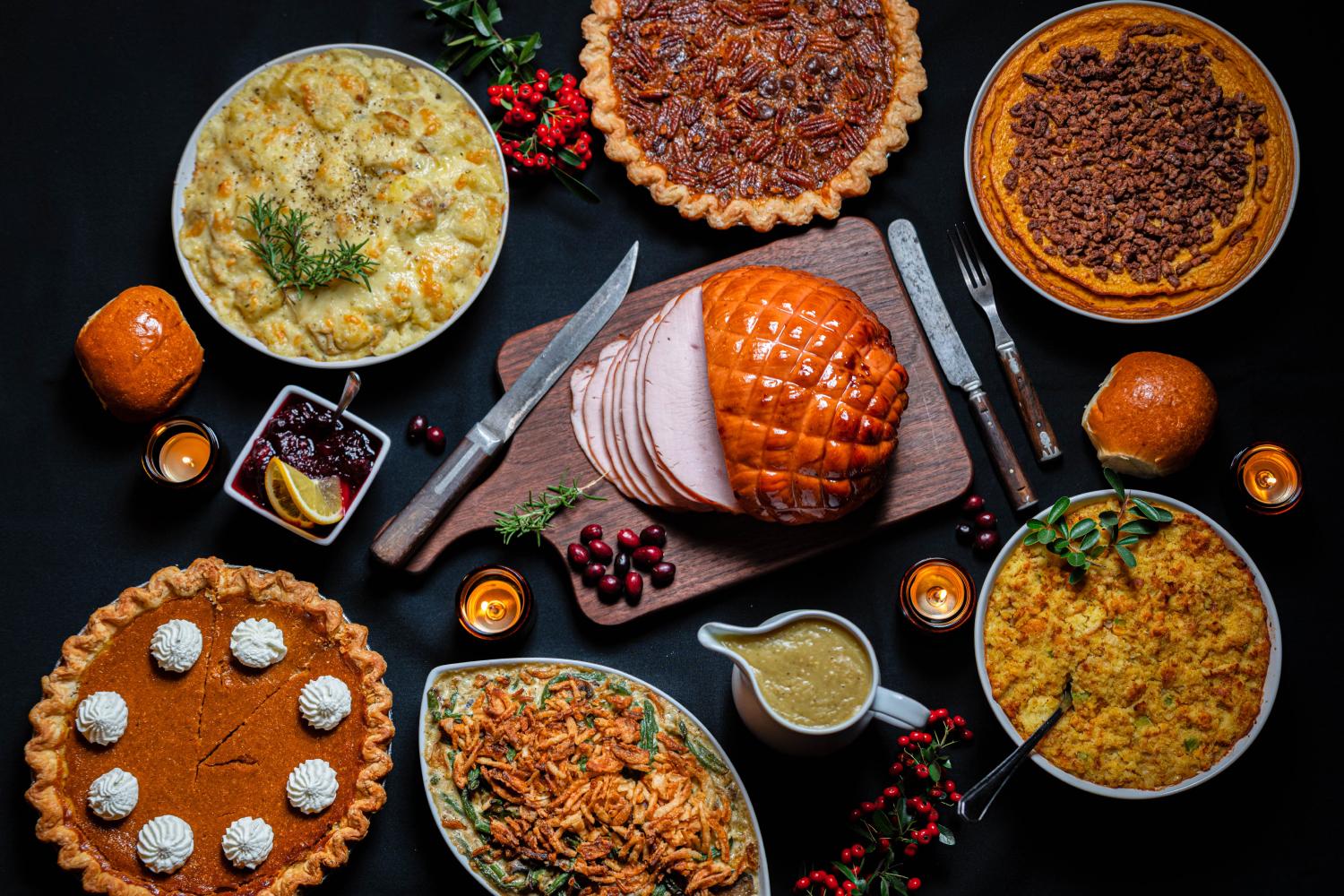
This month, we enjoyed using our creativity to make our own turkey hats. The children shared the many things they are grateful for, engaging in meaningful conversations with their peers and teachers. We are also excited to taste all the delicious foods that come with this special time of year!
Connections to Early Childhood Standards (Toddlers & Preschool)
Toddler Standards
-
Creative Expression: Children explore art materials and engage in hands-on activities that build fine motor skills and support self-expression.
-
Social–Emotional Development: Children develop a sense of identity and belonging by talking about what they are thankful for and participating in group traditions.
-
Language & Communication: Children build vocabulary and expressive language by naming foods, describing their turkey hats, and sharing what they appreciate.


We love Construction
Our builders were busy collaborating as they decided which tools they would use to work on their job site. The children explored different roles, shared materials, and worked together to bring their construction ideas to life.
Preschoolers
Approaches to Learning: Children demonstrate initiative, curiosity, and teamwork as they plan how to use tools and build together.
Cognitive Development / Science & Engineering: Children experiment with tools, test ideas, and explore cause-and-effect as they construct and modify their job site.
Social–Emotional Learning: Children negotiate roles, collaborate with peers, and practice problem-solving when challenges arise.
Language & Literacy: Children use language to communicate plans, explain their thinking, and ask for materials—building expressive and social communication skills.
Fine Motor Development: Handling tools such as blocks, hammers, or connectors strengthens coordination and hand skills.


My, Oh My Marble Run
We loved working together to observe how a marble run works. The children helped one another push the balls down the ramp and watched closely as they moved, rolled, and changed speed. It was so much fun to explore this together!
Why Collaboration and Observation Matter in Early Childhood
Collaboration is an essential early learning skill. When young children work together—like deciding whose turn it is to release the marble or helping a friend line up the ramp—they:
-
Practice sharing, turn-taking, and problem-solving
-
Learn to communicate their ideas and listen to others
-
Build confidence and develop strong peer relationships
These experiences help children understand that they can accomplish more when they work as a team.
Observation is another foundational skill for early learners. Watching the marble roll down the ramp helps children:
-
Develop curiosity about how things move and work
-
Build early science and engineering skills, such as noticing speed, slope, and cause-and-effect
-
Strengthen focus, attention, and the ability to make predictions
Together, collaboration and observation support children in becoming thoughtful, curious, and engaged learners—skills they will carry into preschool, kindergarten, and beyond.


Welcome Christen
Families we are pleased to announce that Christen has joined our Family Resource Center. Christen has worked in the Early Childhood Education field for several years as a preschool assistant. She brings a wealth of knowledge in childhood development both academically and social emotionally. We hope that you will enjoy getting to know her.


Parents at Teacher Curriculum- Fostering Gratitude
In their early years, children are naturally self-focused as part of their development. However, as they grow, fostering a sense of gratitude helps them become more understanding of the needs and feelings of others.
WHEN DO CHILDREN LEARN ABOUT GRATITUDE?
Children begin learning about gratitude as early as age 2. At this stage, they may start expressing thanks when prompted. By ages 3 to 5, children can understand the concept of gratitude more deeply and show appreciation independently.
TIPS FOR TEACHING GRATITUDE
It’s simple to build in daily activities to help your child understand the needs and feelings of others. Below are five tips to get you started.
Teach Them to Say Thank You
Express Your Gratitude
Model Gratitude
Support Charitable Activities
BOOKS FOR TEACHING 3- TO 5- YEAR-OLDS GRATITUDE
You can also read these books recommended by ZERO TO THREE that offer stories and messages to help children understand and appreciate gratitude.
Thankful by Eileen Spinelli
Being Thankful by Mercer Mayer
Ordinary Mary’s Extraordinary Deed by Emily Pearson
Did I Ever Tell You How Lucky You Are? by Dr. Seuss
Giving Thanks by Jonathan London
Don’t Say a Word, Mama/No Digas Nada, Mama by Joe Hayes
BENEFITS OF TEACHING GRATITUDE
Your child’s first five years are the most impactful in helping them develop these skills. By teaching our children to appreciate what they have and what others do for them, we are helping them become happier, healthier adults.


Sparkler App- Thanksgiving Tale
Log onto the free Sparkler app to complete this Thanksgiving Tale play card.
Instructions:
1. Let's think about all the foods we love to eat!
2. Every time I say a food I love to eat, I’ll say, "mmm-mmm!" and rub my belly.
3. You do it, too, if you love the food!
Simplify
Model how to rub your tummy — help your child rub their tummy!
Stretch
Ask your child to think of foods they love — take turns!
Words To Use
Thankful - grateful
Delicious - yummy
Tale - story
Primary Skill Link
Creating a list of different foods builds the child's vocabulary and is the beginning of telling a story!
What You Can Do
Read and make up stories with your child. This helps them build vocabulary and literacy skills.