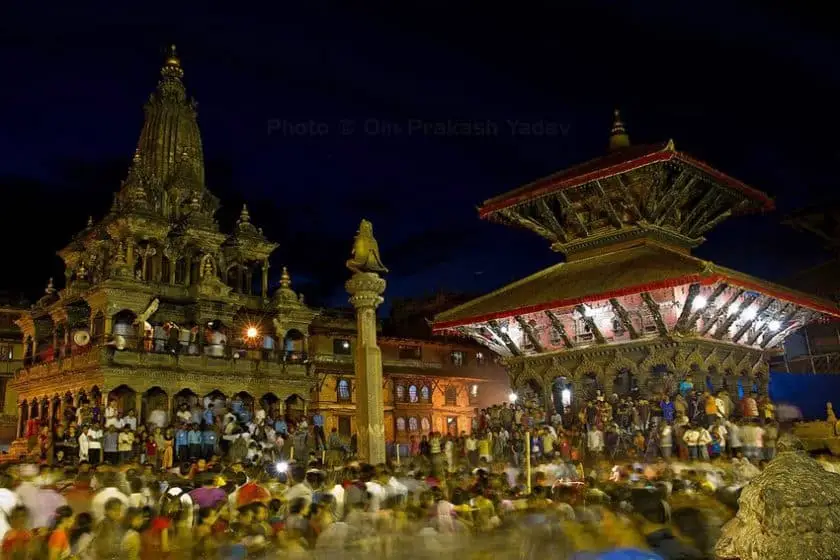
Happy Dashain 2025!


Wishing you a joyous and blessed Dashain 2082 / 2025!
The Dashain Festival varies in dates each year, based on the lunar calendar. In 2025, the festival begins on September 22nd and concludes on October 6th , according to the Nepali Calendar 2082, which falls between the 5th and 19th of Ashwin.
During this period, households across Nepal engage in rituals, including worshipping the goddess Durga for blessings and prosperity. For travelers visiting during Dashain, the festival offers a unique opportunity to witness Nepal’s cultural heritage firsthand, with vibrant fairs, kite flying, and animal sacrifices being some of the most notable activities.

Day 1 - Ghatasthapana
The festival begins. A kalash (sacred vessel) is installed, and “Jamara” (barley, maize, wheat) seeds are sown in sand, symbolising prosperity.

Day 7 - Phulpati
Sacred flowers, leaves, and banana stalks are brought to households. In Kathmandu, a special procession reaches Hanuman Dhoka Durbar Square.

Day 8 - Maha Ashtami
The day of worshipping Goddess Durga in her fiercest form. In many places, animal sacrifices are performed to honour the goddess.

Day 9 - Maha Navami
Dedicated to Goddess Siddhidatri. Factories, tools, and vehicles are worshipped for safety and success.

Day 10 - Vijaya Dashami (Tika Day)
The most important day of Dashain. Elders put Tika (red vermilion, yogurt, rice) and Jamara on younger family members’ foreheads, blessing them for prosperity and long life.

Day 15 - Kojagrat Purnima
Marks the conclusion of Dashain. Goddess Laxmi, the goddess of wealth, is worshipped on the night of Kojagrat, staying awake in devotion.


Demon Mahisasur
It is rooted in ancient Hindu tales, symbolising the triumph of good over evil. One such story revolves around a fierce battle between between goddess Durga and the demon Mahisasur, a war that lasted for nine days. On the tenth day, Durga emerged victorious by slaying the demon, a victory celebrated as Vijaya Dashami, marking the festival’s essence. This legend serves as a reminder of the power of righteousness and is commemorated with rituals and ceremonies across the country.

Epic Ramayana
Another popular story behind Dashain’s origin comes from the epic Ramayana, where Lord Ram fought against the demon king Ravan to rescue Mother Sita. After a long, grueling battle, Lord Ram defeated Ravan, restoring peace and goodness. This victory is also celebrated in the form of Dashain. Beyond the mythical significance, the festival emphasizes unity among family members, joy, and togetherness. Dashain teaches us the value of kindness and the ultimate victory of good over evil, making it one of Nepal’s most cherished celebrations.