remove_red_eye 482
page background
Logo

TSD Inclusive

2025 Quarterly

TSD Inclusive 2025 Quarterly

"Where there is an obstacle, find opportunity." - Dr. Yancy "Where there is an obstacle, find opportunity." - Dr. Yancy

Bridging: Towards A Society Built on Belonging
Check out the Belonging Smore here!

Celebrations, Observances, Recognitions Celebrations, Observances, Recognitions

User uploaded image
zoom_out_map

OneTroy serves a community of many cultural, religious and multi linguistic backgrounds. This newsletter invites students, educators and families to celebrate and embrace differences, build awareness and cultivate empathy. This issue highlights all things inclusive for September – December 2025 with some reflection opportunities, tips, and resources, along the way (this is not an exhaustive list).

pdf
insert_drive_file
TSD DISTRICT CALENDAR
Download
346.3 KB
Guidance Document for an Inclusive School Calendar

September September

MONTHLY

Deaf Awareness Month

Hispanic Heritage Month (September 15 to October 15)
Macedonian American Heritage Month

2025 Theme: No Human Rights Without Sign Language Rights 2025 Theme: No Human Rights Without Sign Language Rights

International Week of Deaf People 2025

This year’s theme, highlights a fundamental truth: for deaf people, having access to sign language is not a “nice to have,” but a human right.


Why this matters now
Sign languages are the primary languages of many deaf people around the world. They are essential for full participation — in education, public life, cultural expression, access to justice, and social inclusion. Without legal recognition and support for sign languages, deaf individuals often face barriers to communication, isolation, and diminished access to essential services.


A week of action and awareness
During 22–28 September, the deaf community and allies around the world will amplify voices, share stories, and push for meaningful change. Each day carries its own focus — from “Deaf communities leading” to “Recognition of national sign languages,” “Sign language access services,” and culminating in “Set the basis for the future: together we can innovate, inspire, and impact.”

International Week of Deaf People 2025 - World Federation of the Deaf

Deaf-led alliances, in collaboration with governments and other organisations, play a vital role in advancing sign language rights. Following the motto ‘nothing about us without us’, true progress comes from partnerships where deaf people lead and others support them as committed allies.

launch wfdeaf.org
Earth, Wind & Fire - September (Official HD Video)
User uploaded image
zoom_out_map Show in original size

Hispanic Heritage Month (Sep 15-Oct 15) Hispanic Heritage Month (Sep 15-Oct 15)

User uploaded image
zoom_out_map

2025 Theme - Collective Heritage: Honoring the Past, Inspiring the Future

Beginning September 15, National Hispanic Heritage Month is a national celebration that honors the history, culture, and influence of people of the past, present, and future generations of Hispanic heritage. Descendants of South and Central America, Spain, Mexico, and the Caribbean celebrate this time in various ways which to highlight the history, culture, and contributions of those Hispanic Americans.

Classroom Resources
More Curated Resources - Beyond the Classroom

October October

MONTHLY

Bilingual Child Month

Breast Cancer Awareness Month

Down Syndrome Awareness Month

Filipino American Heritage Month

German American Heritage Month

Global Diversity Awareness Month

Hispanic Heritage Month (September 15 to October 15)

Italian American Heritage Month

LGBTQIA+ History Month

Latin American Heritage Month

National Disability Employment Awareness Month

National Principals Month

Polish American Heritage Month

User uploaded image
zoom_out_map Show in original size

🌟 October is National Principal Month 🌟 🌟 October is National Principal Month 🌟

User uploaded image
zoom_out_map Show in original size
User uploaded image
zoom_out_map Show in original size

Rosh Hashanah and Yom Kippur Rosh Hashanah and Yom Kippur

User uploaded image
zoom_out_map
As we keep belonging our North Star, we commit to deepening our understanding, pedagogical and communal practices, and uplifting our collective humanity.


October offers up an opportunity to do this on many fronts: serving as a time to raise mental health awareness, build our social and emotional capacities, and bring a time of forgiveness and "new beginnings," as we recognize and celebrate our Jewish communities:


Rosh Hashanah, the Jewish New Year, is one of Judaism’s holiest days. Meaning “head of the year” or “first of the year.” The festival begins on the first day of Tishrei, the seventh month of the Hebrew calendar, which falls during the months of September or October. Rosh Hashanah commemorates the creation of the world and marks the beginning of the Days of Awe, a 10-day period of introspection and repentance that culminates in Yom Kippur. Rosh Hashanah and Yom Kippur are the two "High Holy Days" in the Jewish faith.


Also known as the Day of Atonement, Yom Kippur is considered the holiest day in Judaism. The holiday lasts approximately 25 hours and is typically observed with fasting and prayer in alignment with the themes of atonement and repentance. On Yom Kippur, people observing the holiday are asked to abstain from food and drink (among other routines or hobbies) to focus inwardly.


Resource Mine to Support Teaching and Learning (starting list)

  • Jewish Educator Portal
https://educator.jewishedproject.org/content/rosh-hashanah-resource-collection
  • Teacher’s First
https://www.teachersfirst.com/spectopics/roshhashanahandyomkippur.cfm
  • About Rosh Hashanah
https://www.history.com/topics/holidays/rosh-hashanah-history
  • About Yom Kippur
https://www.history.com/topics/holidays/yom-kippur-history
***While the highlighted recognitions above are not an exhaustive list for the month, they are representative of Jewish holidays and traditions of major significance to many ONETroy families.

Fall Poems | Poetry Foundation

Poems to read as the leaves change and the weather gets colder.

launch poetryfoundation.org

Diwali (Deepavali) Diwali (Deepavali)

User uploaded image
zoom_out_map
Deepavali, also known as Diwali, derives from the Sanskrit words dīpa (lamp) and āvali (row of lights). It is one of the most significant and widely celebrated festivals observed by Hindus, Jains, Sikhs, and some Buddhists around the world. The celebration typically takes place on Amavasya, the new moon day in the Hindu month of Kartik, which falls in October or November. While stories and interpretations vary by faith and region, a common theme unites them: the triumph of light over darkness, good over evil, and knowledge over ignorance.


For many Hindus, the festival commemorates Lord Rama’s return to Ayodhya after defeating the demon king Ravana, and in other regions, it honors Lord Krishna’s victory over Narakasura or the worship of Goddess Lakshmi for prosperity. Jains observe Deepavali as the day Lord Mahavira attained enlightenment (nirvana), while Sikhs mark the occasion as Bandi Chhor Divas, when Guru Hargobind Ji was released from imprisonment along with 52 princes. The festival is celebrated with the lighting of oil lamps (diyas), decorating homes with colorful rangoli, wearing new clothes, preparing sweets, exchanging gifts, and gathering with family and community. Many also see it as the start of a new financial year, symbolizing renewal and hope. Beyond its religious significance, Diwali serves as a reminder of unity, reflection, and the shared human desire for light and joy.

An Inclusive Halloween An Inclusive Halloween

User uploaded image
zoom_out_map

As Halloween approaches, let's guide our learners in celebrating creatively while respecting diverse cultures and avoiding cultural appropriation in their costume choices. It's essential that costumes do not diminish or stereotype others' traditions or histories. Cultures, their symbols, and traditions are not costumes; they're a rich heritage to be respected. Let's use this opportunity to foster an environment of inclusiveness and mutual respect, ensuring our celebrations are fun and respectful for all. Wishing everyone a mindful and joyful celebration!

Connecting for Kids - How To: Hosting an Inclusive Halloween

Connecting for Kids provides resources, support and community to families in Northeast Ohio who have concerns about their child. We serve all families, including those children with and without diagnoses.

launch connectingforkids.org
Ever wonder why pumpkins show up at Halloween?
Turns out fruits and vegetables have seasons, too! And here's a list of what's grows in the fall.

November November

MONTHLY

American Diabetes Month

Aviation History Month
Child Safety and Prevention Month
Movember
National Adoption Awareness Month
National Child Mental Health Month
National Children’s Month
National Education/ Scholarship Month
National Epilepsy Awareness Month
National Family Caregivers Month
National Family Literacy Month
National Gratitude Month
National Hip Hop History Month
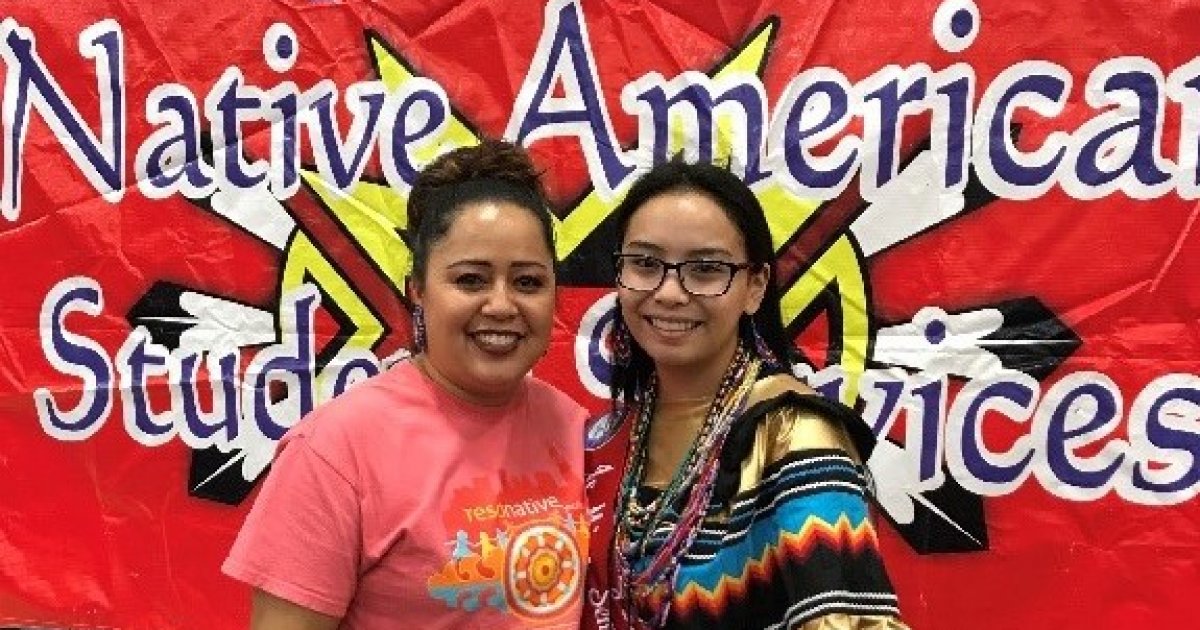
National Native American Heritage Month
National Veterans and Military Families Month
Pancreatic Cancer Awareness Month
Prematurity Awareness Month

User uploaded image
zoom_out_map Show in original size
User uploaded image
zoom_out_map Show in original size
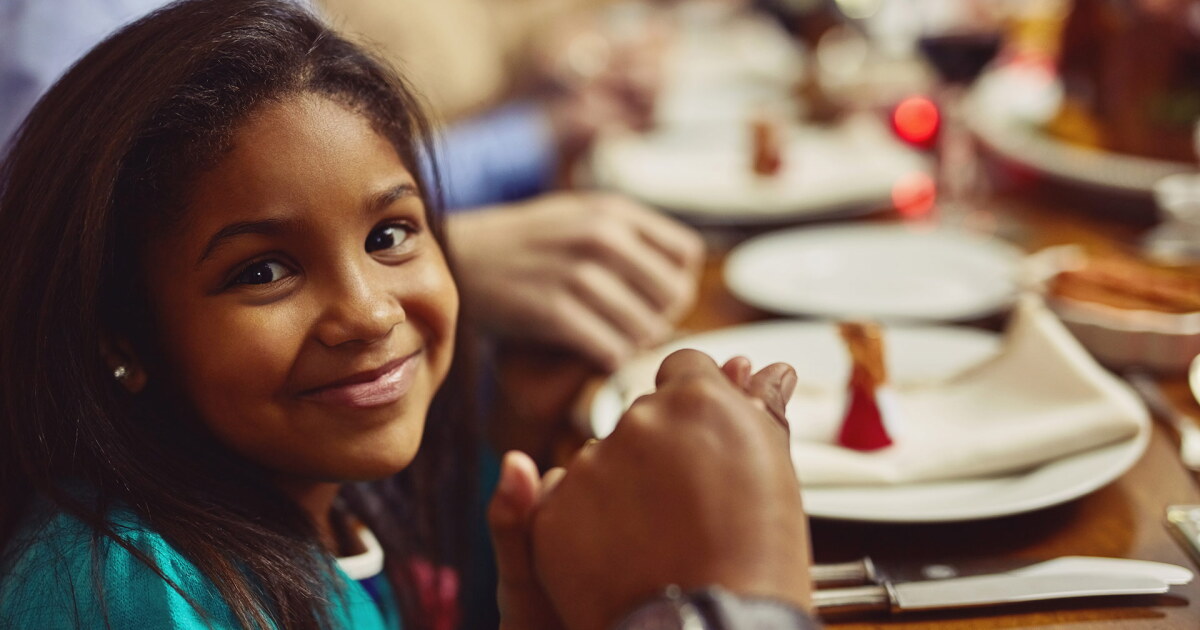
The Invention of Thanksgiving

Talking to Kids About Thanksgiving: Center Truth, Connection and Being Grateful

This year, shift your approach to Thanksgiving in the classroom by focusing on seeking truth, fostering deep connections with people and place and centering Indigenous voices and knowledge.

launch pbssocal.org

Native educators say Thanksgiving lessons can be accurate, respectful, and still fun—here’s how | NEA

Whether you’re teaching tots or teenagers, celebrate your best Thanksgiving lesson ever by teaching an accurate history of the holiday.

launch nea.org

12 Leaf Projects to Teach Great Lessons in Your Classroom

launch weareteachers.com

Veteran's Day Veteran's Day

User uploaded image
zoom_out_map

A Day of Reflection and Appreciation

Veteran's Day, observed on November 11th each year in the United States, is a poignant reminder of the sacrifices made by military personnel in service to their country. Originally known as Armistice Day, it commemorated the end of hostilities in World War I in 1918. In 1954, recognizing the contributions of veterans of all wars, the U.S. renamed it to Veteran's Day.


At its core, Veteran's Day is about gratitude, reflection, and acknowledgment of those who've dedicated themselves to protecting the values and freedoms we hold dear. In the context of diversity, equity, and inclusion, the day also reminds us of the myriad backgrounds, cultures, and experiences of those who've served. Military personnel come from all walks of life, representing a broad spectrum of the American tapestry. On this day, we celebrate both their shared commitment and their unique stories, advocating for their rights, well-being, and continued integration into the fabric of our society.

Ruby Bridges Day Ruby Bridges Day

User uploaded image
zoom_out_map

Walk to School Day November 14

Ruby Bridges Day, also known as Ruby Bridges Walk to School Day (RBWTSD), is celebrated on November 14th to honor Ruby Bridges' historic walk to school in 1960:


The day is a chance to teach children about the civil rights movement and inspire them to make positive changes in their communities. Some ways to celebrate include:

  • Walking to school: Students can walk to school in honor of Bridges.
  • Discussing activism: Schools can engage in a day of dialogue about activism, anti-racism, and anti-bullying.
  • Sharing books: Booksellers can share books about activism, dialogue, and local action.
  • Taking pictures and videos: People can take pictures and videos to share on social media.
  • Continuing conversations: After the event, schools can continue conversations about racism, bullying, and activism throughout the year.

December December

MONTHLY

HIV/AIDS Awareness Month

Universal Human Rights Month

User uploaded image
zoom_out_map Show in original size

Human Rights Day Human Rights Day

Rights that belong to all of US

Human Rights Day is a special day that recognizes and celebrates the fundamental human rights that every person is entitled to. It’s observed every year on December 10th and is a time to reflect on the progress that has been made in protecting human rights around the world. It is also a day of recommitment; ensuring that all people are treated with dignity and respect.


The Universal Declaration of Human Rights (UDHR) adopted in 1948 by the United National General Assembly, is "a milestone document, which proclaims the inalienable rights that everyone is entitled to as a human being - regardless of race, color, religion, sex, language, political or other opinion, national or social origin, property, birth or other status." ~United Nations

Human rights belong to all of us
The UN at 80: What Has It Achieved? | United Nations
User uploaded image
zoom_out_map Show in original size

Winter Holidays Around the World Winter Holidays Around the World

User uploaded image
zoom_out_map
User uploaded image
zoom_out_map
User uploaded image
zoom_out_map
Winter Holidays Around the World for Kids | World Holidays | Twinkl USA

Rethinking Winter Holidays

Many schools enjoy celebrating a non-religious "holiday season" but clearly favor Christmas in their traditions and decor. Moreover, important non-Christian holidays that don't occur in December are often overlooked completely. This edition of The Moment offers resources that can help your school community become more inclusive by reflecting on how and when holidays show up in your hallways, assemblies and classrooms.

launch learningforjustice.org

Considerations During the Winter Months Considerations During the Winter Months

User uploaded image
zoom_out_map

Heading into the winter season serves as a time of togetherness, reflection, and joy, as our community celebrates the many holidays, observances, and traditions that enrich our district. From Hanukkah and Christmas to Kwanzaa, Bodhi Day, and beyond, this season highlights the beauty of our cultural diversity.


As we move through the winter months, let’s embrace the opportunity to learn about and honor these holidays, observances, and traditions in meaningful ways. Thank you for your ongoing commitment to foster inclusivity and deepen your understanding. Your support helps to strengthen the sense of belonging that defines our school communities.


  • Consider: how to celebrate various holidays that honor many cultures throughout the school year, while not over-emphasizing December/Winter holidays.
  • Teach Global Traditions: Explore holidays like Hanukkah, Christmas, Kwanzaa, Diwali, Bodhi Day, and Las Posadas to highlight cultural variety.
  • Encourage Sharing: Invite students to share their family customs, offering personal insights into different traditions.
  • Respect Non-Celebrants: Provide inclusive alternatives for students who don’t observe holidays.
  • Focus on Shared Values: Emphasize universal themes such as kindness, gratitude, and community which connect us all.
  • Thoughtful Decorations: Reflect the diversity of your classroom with symbols from various traditions.
  • Voices, Perspectives, Experiences: Whose voices, perspectives, and/or experiences are heard and centered in this content, activity, event, or practice?


Every student’s journey is unique. Some are managing challenging coursework, others are balancing extracurriculars, family responsibilities, or social transitions. By working together—families, educators, and communities—we can nurture an environment that centers care, connection, and academic success for every learner.

Students First Students First

User uploaded image
zoom_out_map
User uploaded image
zoom_out_map
User uploaded image
zoom_out_map

Zaretta Hammond: 6 Ways to Uphold Culturally Responsive Teaching (Opinion)

Go beyond performative acts of equity and focus on strengthening the instructional core of every child, the teacher educator advises.

launch edweek.org

The Mid-Semester Stressors & Post-Holiday Transition The Mid-Semester Stressors & Post-Holiday Transition

User uploaded image
zoom_out_map

As we move deeper into the school year, students often encounter a convergence of academic, social, and emotional challenges. Mid-semester can bring increased workloads, performance expectations, and a natural dip in motivation, especially as routines shift after holiday breaks.


Research in culturally responsive and wellness-centered education reminds us that achievement and well-being go hand in hand. When students feel emotionally safe, culturally affirmed, and supported in balancing their responsibilities, they are better positioned to thrive (Hammond, 2020; Muhammad, 2023; CASEL, 2024).


1️⃣ Normalize Stress—Through Empathy and Connection
Acknowledge that stress and pressure are part of learning and growth. Encourage open dialogue about what feels hard right now. Gholdy Muhammad (2023) notes that affirming students’ emotions and identities fosters “intellectual flourishing.” Remind your child that their worth isn’t tied to grades alone—the goal is growth and progress.


2️⃣ Rebuild Healthy Rhythms and Routines
Post-holiday transitions can disrupt sleep, focus, and consistency. Help your student reset daily rhythms that balance school, rest, and recreation. Predictable routines support executive function and mental health—especially for neurodivergent learners who rely on structure for stability and success.


3️⃣ Focus on Process, Not Perfection
Celebrate persistence over performance. Culturally responsive practices emphasize effort, agency, and curiosity. When families reinforce these values at home, students internalize a sense of belonging and capability rather than pressure or fear of failure.


4️⃣ Encourage Mindful Breaks and Self-Care
The CDC (2024) highlights that movement, creativity, and time outdoors reduce anxiety and improve attention. Encourage your child to pause and recharge—whether that’s journaling, drawing, spending time with friends, or getting fresh air. Rest restores energy and focus.


5️⃣ Create Space for Identity and Joy
Invite students to engage in activities that reflect who they are—culturally, socially, or creatively. Joy and self-expression aren’t extras; they’re essential parts of well-being and learning.


“When students feel seen, supported, and connected, their ability to learn and lead expands.”
— Adapted from Zaretta Hammond, Culturally Responsive Teaching and the Brain

What Gets in the Way of Students Feeling a Sense of Belonging at School

When students feel connected to school, they’re more likely to attend and perform well academically.

launch edweek.org

📌 Five Inclusive Classroom Tips 🖐🏻 📌 Five Inclusive Classroom Tips 🖐🏻

Create a safe learning environment – safety “looks like” cultivating spaces where belonging is fostered. Spaces that welcome variation through curiosity, courageousness, and confirmation that every learner is exactly where the need to be for academic and social, emotional success.

  • Diversify learning material/content – culturally responsive teaching and learning considers the uniqueness of every classroom community member (including teachers) where learning is transactional and transformative.
  • Take stock of students’ needs – differentiation is essential to promoting equitable learning spaces. It goes hand in hand with diversity in learning materials providing each student exactly what they need, with high expectations for all.
  • Make student participation easy and exciting – craft educational situations where voice and choice is welcomed and appreciated. Deep inquiry through asking questions for instance, promotes deep learning.
  • Develop a rapport with every learner – relationships are not the least of importance but the foundation for successful, inclusive classrooms. One easy strategy to incorporate into classroom practices. They elevate community and can be curriculum focused or used for mindfulness moments.
  • Wellness Matters ... Because You Matter! Wellness Matters ... Because You Matter!

    User uploaded image
    zoom_out_map

    Wellness is not separate from learning—it is learning

    Wellness is not a luxury, it is fundamental to our ability to think, feel, and simply be. Every person has a right to psychological and physical safety as they move through their roles here, at home, and in the community. That’s why we are recommitting ourselves to re-prioritizing wellness in 2025: to care for staff, students, and families in ways that sustain us over time.

    This section is all about supporting collective well-being — understanding what each of us needs, cultivating empathy for one another, and weaving small practices into our lives that help us thrive. Take what you need. Share with others. And embed something into your day that advances your wellness — because it matters.

    Wellness Tips Rooted in Research Wellness Tips Rooted in Research

    Why Wellness Must Be Central (Not Optional)

    • A recent meta-analysis of 424 studies across 53 countries found that universal social-emotional learning (SEL) interventions in schools foster stronger school climate, improved relationships, better behavior, and increased academic performance.

    • Despite rising awareness, 52% of children in a recent survey identified school as having a negative impact on their mental health, underscoring the urgent need to embed wellness, not bolt it on.

    • Staff burnout remains a serious threat: nearly half of educators report feeling overwhelmed “always” or “very often.” A healthy school environment must include supports for adults, too.

    • Wellness funding is moving upstream: many districts are now investing federal and state wellness resources in staff and student supports — showing that this is no longer an afterthought, but a structural commitment.

    Quick Wellness Practices - For All of Us!

    • Micro-rest breaks + movement — Pause for 1–3 minutes every 45–60 minutes: stretch, walk, breathe deeply. These small breaks sustain attention and reduce stress.

    • Reflective check-ins — Use prompt questions (e.g. “What’s one thing I’m grateful for today? What’s one thing I’m carrying?”). This cultivates self-awareness and emotional regulation (core SEL practice).

    • Connection rituals — Start or end class/work or family time by sharing a “rose and thorn” or “one small joy.” Human connection nurtures belonging.

    • Boundaries with digital time — Schedule specific “offline windows” (e.g. 30 minutes before bed, or after school) to allow mental rest from screens.

    • Embed cultural or creative pauses — Listen to music, read a poem, draw, pray, meditate — whatever aligns with identity and spirit. Joy is self-care.

    • “Two-minute wellness check” buddy system — Pair up (staff, student–teacher, family–student) to do brief check-ins: a supportive question and acknowledgment.

    Tap-In / Tap-Out: Giving Teachers Time to Recharge

    What’s Causing Teacher Burnout? | NEA

    Stress and exhaustion is pushing too many out of the profession, but it’s not up to educators to find better ways to “cope.” The responsibility to improve working conditions lies with those lawmakers and officials who dictate what a teacher's day looks like.

    launch nea.org

    How Unlearning Silence Helps Build Psychological Safety

    Elaine Lin Hering explains how speaking up, despite the risks, can break barriers, shift culture, and unlock the full potential of people at work.

    launch thediversitymovement.com

    How to Lead with Empathy and Drive Success

    Empathetic leadership boosts engagement, fosters trust, and enhances well-being. Learn how to lead with empathy and build stronger teams.

    launch thediversitymovement.com

    “Without Community There Is No Liberation” – Audre Lorde “Without Community There Is No Liberation” – Audre Lorde

    User uploaded image
    zoom_out_map Show in original size
    Curated Family Engagement Resources - Oakland Schools
    National Standards for Family School Partnerships
    Targeted Universalism - Free Course
    User uploaded image
    open_in_new zoom_out_map

    System of Inequity Series

    "Learn, Leave to Transform"

    User uploaded image
    open_in_new zoom_out_map

    Cultivating Genius Webinar

    The joy and genius of every child in your classroom webinar.

    User uploaded image
    open_in_new zoom_out_map

    Belonging Without Othering: A Podcast

    In this episode of Who Belongs? we hear from OBI Director john a. powell and Assistant Director Stephen Menendianabout the recently released book they co-authored, called Belonging without Othering: How We Save Ourselves and the World.

    JEDI Educator Summit
    Attendance Intervention Toolkit
    Increasing Family Engagement in Special Education
    Promoting School Connectedness through Restorative Practices
    User uploaded image
    zoom_out_map Show in original size

    Wait, don't 🍁 yet! Drop a line, connect, let's chat! Wait, don't 🍁 yet! Drop a line, connect, let's chat!

    Feedback and Reflection Form
    Your feedback helps shape the stories we tell, the supports we build, the ways we show up for one another. Strengthening the loop between information, action, and belonging.
    Wellness and Community Engagement
    Department of Teaching and Learning
    Loading indicator

    close
    Powered by