

C&I Connections Newsletter
November 22, 2024

Hello Tiger Nation!
Welcome to this week’s Curriculum & Instruction update. We appreciate your continued flexibility and commitment to students as we navigate this stretch of the school year. You’ll notice that this week’s curricular overview remains the same as last week. Due to the number of calamity days we’ve experienced, pacing has been intentionally maintained to account for lost instructional time.
Warm Regards,
The C&I Team
C&I Curriculum Weekly Overview
Elementary Grade Level Team Meetings: February 24-26
In February's GLTM, we will have a 90 minute training on how to access and utilize reports within Lexia. Following the training, you'll have 30 minutes to dive into your reports.
Lastly, we'll have 60 minutes for you to share an instructional practice within Wonders that has impacted writing. Sharing will take place within a small group. For those of you in the Clarity Cohort, sharing will follow a similar format to the small group sharing that took place during session 3 in January!


February Social Studies Spotlight: Black History & Civic Participation
February is Black History Month, a time to intentionally study the contributions, experiences, and leadership of Black Americans as central to U.S. history and civic life.
In elementary school (K–5), students begin by learning about influential Black leaders and community members while exploring major historical concepts like change over time and diverse heritage. Kindergarten standards emphasize that heritage is reflected through diverse cultures (H.H.3: Heritage reflects diverse cultures) and that personal history connects to community events, giving a foundation for understanding diverse historical contributions (H.HT.2). In early grades like Grade 2, students use biographies to show how people’s actions have shaped the world (H.H.4), helping ground Black history within broader historical thinking. In upper elementary, students continue building historical thinking skills by sequencing events and identifying how historical figures influenced society (H.HT.1; H.HT.2).
In middle school (6–8), students expand their historical analysis by using primary and secondary sources to examine events from multiple perspectives (H.HT.1) and by recognizing how cultural biases, stereotypes, and prejudices had social, political, and economic consequences for minority groups (Grade 8 Content Statement: cultural biases affected minority groups). These standards support deeper study of African American experiences, such as the Civil Rights Movement, and help students understand how civic participation has shaped change.
At the high school level, the American History and American Government standards expect students to analyze the role of diverse groups in shaping national identity and civic life and to understand opportunities for civic engagement, rights, and responsibilities in a democratic republic (e.g., G.CI.1: opportunities for civic engagement; high school history content on civil rights and social movements).
Call to Action: Students are encouraged to reflect on how learning from Black history strengthens understanding, respect, and civic responsibility in their school and community.
Math Resource by Standard
We are thrilled to introduce our new Resources by Standard Document, a centralized home for instructional materials organized by standard and grade level. This tool streamlines our district-adopted materials and supplemental resources into one easy-to-navigate space. It was designed to help you act on data from interims, benchmarks, HMH standards reports and provide focused OST review.
The doc is a work in progress, currently featuring resources for Grade 3 - Geometry, with K-2 coming soon. We wanted to share it now so you can begin exploring these resources. Check back often as we continue to build it out. For your convenience, the Resources by Standard doc will be linked to the resources on your at-a-glance.

Zearn Implementation Snapshot
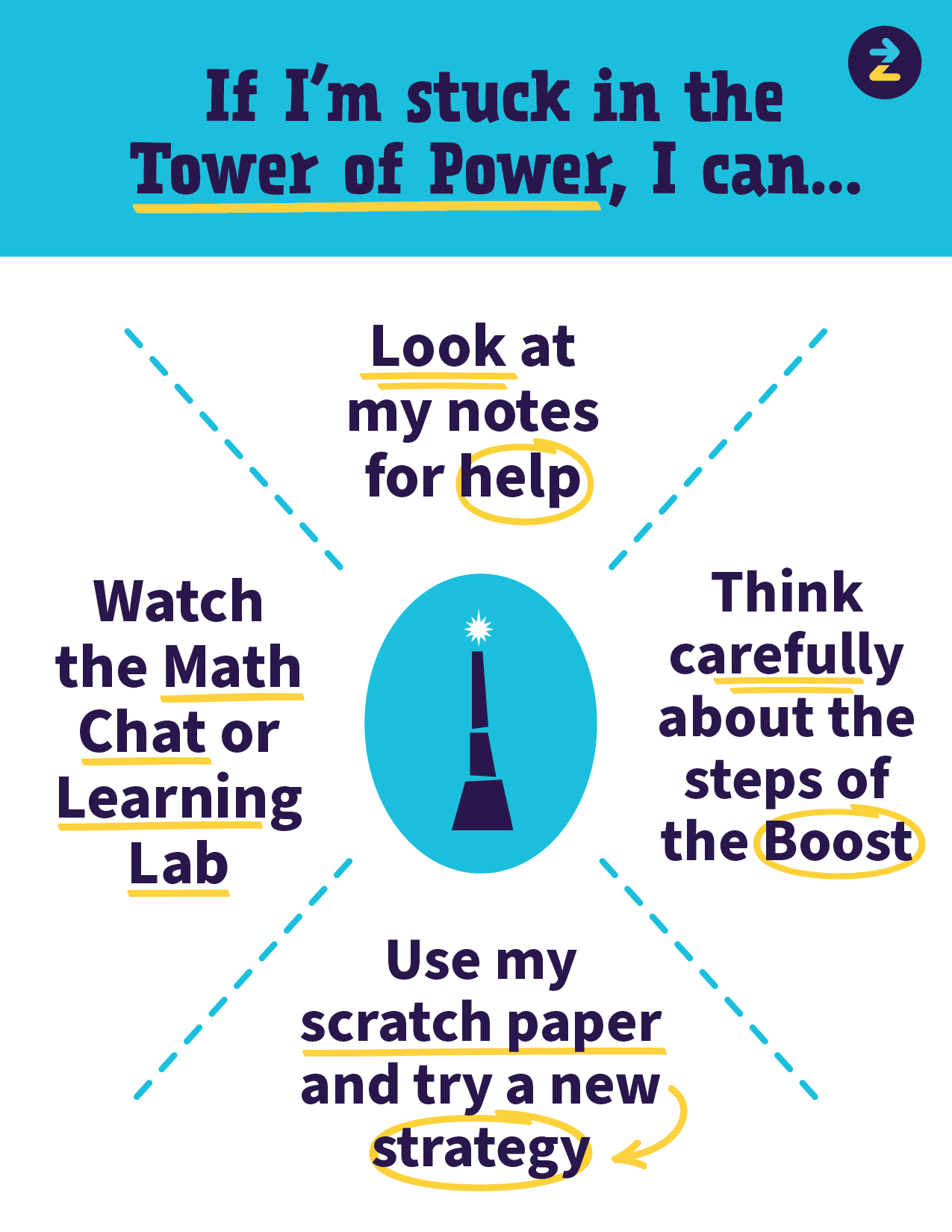
Please see below for a refresher on the implementation of Zearn.
Lexia Implementation Snapshot (K-5)

Growing Stronger Readers Through Process & On Demand Writing
Our district continues to prioritize writing as a key lever for improving comprehension and critical thinking. Research shared in an NWEA article, Why it’s so important to have students write about what they read, makes this point clearly: “writing and reading skills both stand to benefit when we have students write about what they read.” Writing helps students think deeply about text, organize ideas, and use evidence—all foundational to understanding complex content.
An important distinction in strong writing instruction is between process writing and on-demand writing:
Process writing involves a series of recursive steps—planning, drafting, revising, editing, and publishing. Students have time to develop ideas, plan with graphic organizers, receive feedback, and refine their work. This mirrors authentic writing in the world beyond school and supports deeper thinking over time.
On-demand writing asks students to respond in the moment, usually within a set time frame and without extended revision cycles. Students can use simple graphic organizers, like a t-chart, to organize their thoughts. These tasks are valuable checkpoints that show what students can do independently and support formative assessment of reading comprehension and thinking.
Here’s how both types of writing are integrated into our curricula:
📌 Wonders (K–5)
Process writing: Each grade includes extended writing and genre-based units where students engage in the full writing process. Students plan, draft, revise, and publish extended pieces tied to thematic reading units. These require gathering evidence from several texts within a module, helping students connect thinking across sources.
On-demand writing: Within daily lessons, Wonders embeds shorter, on-demand writing tasks that ask students to write about what they are reading—summarizing, explaining, or citing text evidence. These writing opportunities regularly check comprehension and build confidence with academic writing.
📌 My Perspectives (6–12)
Process writing: Units include performance-based writing tasks and extended essays where students work through the writing process. These assignments require students to synthesize evidence across multiple literary and informational texts, organize reasoning, and revise based on criteria and rubrics.
On-demand writing: Throughout the lessons, students encounter on-demand prompts, such as short constructed responses and analytical paragraphs that require quick engagement with text and use of evidence. These support ongoing assessment of critical thinking and reading comprehension.
Both types of writing—process and on-demand—play important, complementary roles. Process writing builds stamina, organization, and elaboration over time; on-demand writing strengthens students’ ability to think and write in real-time and gives teachers regular insight into comprehension and skill development.
As you plan instruction this week, consider how your students are engaging with both types of writing in Wonders and My Perspectives. Intentional use of each kind supports students’ growth as thinkers, readers, and communicators.
Science - 5 Key Shifts in Teaching with NGSS
As we shift to the Next Generation Science Standards, we will incorporate the 3-dimensional approach to science by focusing on not only content standards, but also cross cutting concepts and scientific and engineering practices. In an article from Corwin Connect (2017), called 5 Key Shifts in Teaching the NGSS, Alan Colburn (the author of Learning Science by Doing) outlines these five shifts.
1. Every standard not only focuses on the content within that standard but also practices and skill sets that scientists and engineers in the real world need when dealing with that content.
2. Content expectations for students have changed. Rather than students learning multiple discrete concepts, phenomena focused on a single idea are used to look at relevant issues we face as humans today. Discrete concepts are then learned through that one main idea.
3. Units begin with students applying concepts to create explanations around observable phenomena. As teachers hear students’ “untrained” explanations, they realize how to guide the instruction throughout the rest of the unit.
4. NGSS focuses on science, but also cuts across all other disciplines, just like a scientist does in the real world.
5. The curriculum itself now focuses on science AND engineering. He felt that shift best came when he realized that, “Engineering is defined, basically, as using science ideas to address personal and social problems.”
The changes NGSS required may be daunting and significant. But when all is said and done, they might also prove to make teaching science more rewarding and more fun! - Colburn
Clarity Cohort 26-27 (NEW PARTICIPANTS)
If you have not yet participated in the Clarity Cohort and are interested in joining next year, please add your name to the interest form. You only need to do this once.
If you have already been part of the Clarity Cohort (last year or this year), you do not need to add your name here.


