From the Couch
with Dr. Couch
Welcome!
Bullying Awareness
October is National Bullying Prevention Month, making it a great time to talk with your middle schooler about kindness, inclusion, and digital safety. Middle school is a unique season of growth where social dynamics can shift quickly, both in the hallways and online. We encourage you to check in with your child this month about what healthy friendships look like, how to speak up or seek help when someone is being mistreated, and the power of being a supportive bystander. Building a safe, welcoming school environment is a team effort, so please reach out to our counselors or administrative team anytime you or your student need extra support.
Bullying Defined
Although definitions vary, most include that bullying is when:
- Aggressive, unwanted words or action that hurt or harm another person physically or emotionally
- Those targeted by the behavior have difficulty stopping the action directed at them and struggle to defend themselves
- There is also a real or perceived imbalance of power, which is described as when the student with the bullying behavior has more power physically, socially, or emotionally
- There is a pattern of bullying behavior* *bullying can occur in a single incident depending on its severity or the history of those involved
- Note: For a legal definition, consult your state’s law on bullying
Did You Know...
Bullying is not the same as conflict
Conflict can be a disagreement or argument that occurs when parties with equal power express their views. While people may not agree, it’s not bullying if both parties can respectfully share what they think without demeaning or intentionally hurting the other person.
Harassment is different from bullying
Bullying and harassment are often used interchangeably when talking about hurtful or harmful behavior. They are very similar, but bullying behavior is considered harassment when it is directed at a protected class, such as a group identified by race, religion, sex, age, disability, or national origin.
The Internet is changing how youth experience bullying
Cyberbullying is often defined as an aggressive, intentional, and repeated act against someone using technology, such as email, texting, social media, or instant messages.
Adults don’t see most bullying Bullying often takes place outside the view of adults.
It can happen in the classroom when the teacher leaves the room, on the playground, on the bus, or online. In order for youth to feel equipped to take action, it is important to empower them as advocates for themselves and others.
Starting Middle School
What your child might face and how you can help (article citations below)
Writer: Faith Wilkins
Clinical Experts: Emma Petree, LMSW , Janine Domingues, PhD , Jane Wong, PsyD
https://childmind.org/article/starting-middle-school/
My memory of my first day of middle school is visceral. Everything on my person was either from Staples or a frantic Kohl’s run the night before.
Clutching my freshly printed class schedule as a lifeline, I rushed through the double doors to find my locker (no more cubbies for me!) and my friends. I was immediately hit with the smell. An intense mixture of body odor, Axe body spray, Juicy Couture Viva La Juicy perfume, and ammonia.
And pressed up against the lockers — adjacent to my newly assigned one, unfortunately — was a couple aggressively making out. The boy had his hand fully up the girl’s shirt and showed no signs of stopping, despite the deluge of kids rushing to get to first period before the bell. Clearly, middle school was going to be a very different experience.
What are the big changes?
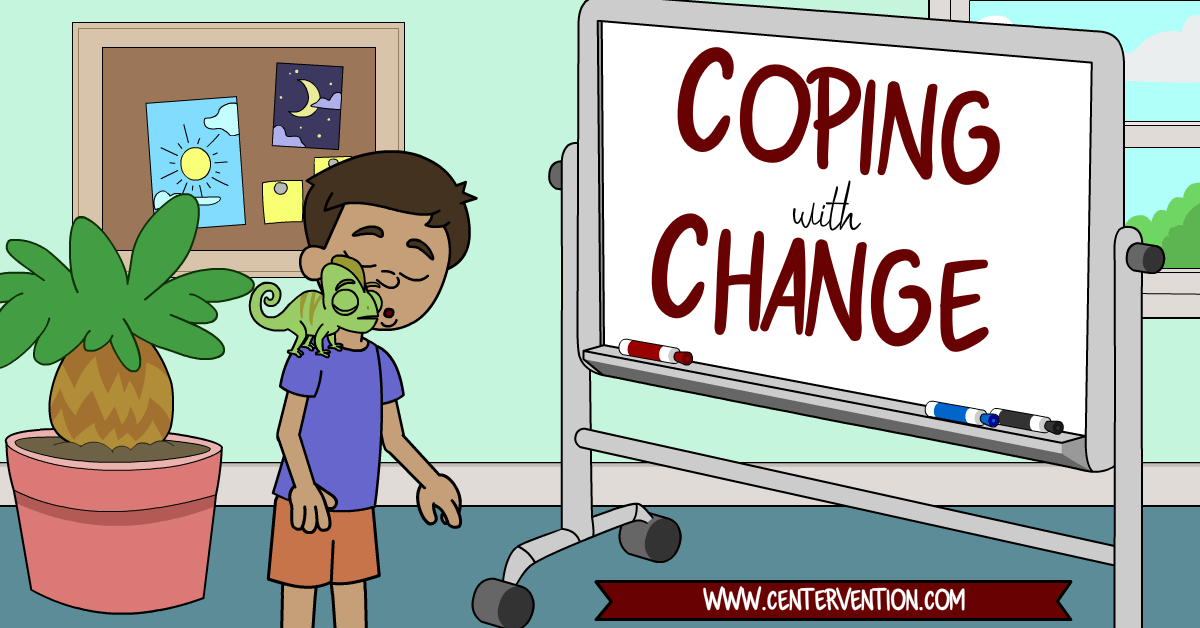
The transition from elementary school to middle school can be both exciting and challenging for kids. They’re entering a new school structure that pushes them to take on more responsibility and a heavier workload. And as they start puberty, they’re going through physical, hormonal, and emotional changes that impact their sense of self as well as how they interact with their friends, classmates, and family.
“I work with a lot of fourth and fifth graders and, towards the end of the year, we have a lot of conversations about anxiety around going to middle school,” says Emma Petree, LMSW, a social worker in the San Francisco Bay Area. “The things that I hear the most are worries about switching classes, an increase in workload and homework, and more exposure to substances, like smoking and vaping.”
A change in class structure
Among the most jarring parts of transitioning to middle school is the change in class structure. Instead of having one teacher throughout the day, kids have multiple teachers for different subjects. Keeping track of their class schedule, traveling between classrooms in a short amount of time, and storing their things in a locker can be a lot to handle (I lost my locker’s padlock a few times, I’ll admit).
It can be helpful for students to have exposure to the physical campus before they get there, says Ms. Petree. “A lot of schools do back-to-school days before they start school. I think that is so helpful to alleviate anxiety.”
You can explain to your child that since they’ll have a different teacher for each subject, classes may have varying levels of difficulty in terms of assignments, grading criteria, and expectations. Encouraging them to go to their teachers (or a school advisor, if they have one) when they have questions or specific issues with assignments can help them feel more independent.
Though you can still be prepared to step in, working with their teachers or other school staff to figure out your child’s specific needs and offer the right support.
“This is a big transition for parents too, because in elementary school you have one go-to teacher you can e-mail about any questions or problems,” says Janine Domingues, PhD, a psychologist who treats adolescents. “You’ll have to find out who you can reach out to, whether it’s an advisor, a school-based counselor, or specific teachers.”
How do you help your child stay organized?
In middle school, kids experience an increase in homework assignments, tests, quizzes, and projects. They’ll also need to manage their time. “Middle school is the first time where kids need a lot more executive functioning skills,” says Jane Wong, PsyD, a clinical neuropsychologist.
Dr. Wong recommends getting different colored folders for each subject, as well as a calendar for assignments, to help kids visualize when things are due. And she suggests making a checklist to help kids figure out what they need to put in their backpack each morning.
Established routines for homework, including a dedicated workspace at home, are essential. And for kids with ADHD or attention issues, says Dr. Wong, you can get a Bouncyband for their chair or a wiggle seat, to help them focus.
Dr. Domingues notes that it’s important to give kids some grace, since this increase in responsibilities can be overwhelming. “I recommend that parents, especially early on, set a time each week where you’re touching base with your kid,” she says. “You can ask questions like, ‘How did this week go?’ ‘Were there moments where things felt really chaotic? So that way, you can check in without feeling like you’re hounding your kid every day.”
Shifts in friendship dynamics
Starting middle school often leads to a shift in friendship dynamics, whether this means making new friends or drifting away from old ones.
“This is a time for friendship exploration, and it comes with some pain,” says Dr. Domingues. “It’s a time where you’re exploring who you are and what you want out of friendships. That’s all very normal.”
For some kids, these changes can bring on a lot of anxiety, Dr. Domingues explains, while others embrace the chance to explore.
With kids who are actively seeking new friendships, says Dr. Domingues, it can be helpful for parents to have conversations around who they might be gravitating towards and what they’re looking for in a friend. “And if they’re branching out you also want to make sure they’re still being kind. Talk to them about how they can have a healthy separation from a friend, as opposed to ghosting or just pulling away without a discussion.”
And if you notice that your kid is reluctant to make new friends, Dr. Domingues says that you can validate their feelings, discuss what they’re worried about, and reassure them that meeting new people often feels awkward at first. “Go over ways they can branch out, whether it’s joining different groups or clubs at school, sitting at a different table at lunch, or joining an activity outside of school.” She also mentions coaching kids on how to open a conversation, like asking someone about their weekend plans or talking about a class or a teacher you have in common.
“And I often say, you don’t have to be friends with everyone,” says Dr. Domingues. “It just takes one person you really connect with.”
Peer pressure
As kids are forming these new connections and friend groups, they might start to feel as if they need to act or look a certain way to fit in.
“This is when peer pressure gets really intense,” says Ms. Petree. A child’s social circle, she says, tends to move to the “forefront of their decision-making.”
Both Ms. Petree and Dr. Domingues agree that establishing family values can help kids handle situations in which they might be pushed to do something they aren’t comfortable with.
“Something that lands with this age group is values-based conversations and really emphasizing kids’ sense of self,” says Ms. Petree. “They’re at the very beginning of starting to form their identities, and they’re still really young. Maintain a set of values to live by where it’s not just, ‘Don’t do this,’ because they’re not hearing that. This way, they can make decisions for themselves, and feel a sense of independence and autonomy, which is what they’re also really craving.”
“I think it’s also about language and scripting sometimes, too,” Dr. Domingues adds. “Kids don’t always know what to say, when to say no, or how to say no while still maintaining a friendship. So, parents can practice these types of conversations with their kids.”
Body image insecurities
When kids enter middle school, they’re usually starting or already going through puberty. And with puberty comes a host of bodily changes that can lead to anxiety and insecurity.
It was in middle school gym class that I first became acutely aware of my body and its shortcomings. We’d have to change in front of each other in the locker room and girls took the opportunity to compare and comment on each other’s “progress.” Discussions about bra sizes, hip width, and shaving were common.
Many states still require kids to take physical fitness tests, which can involve public weigh-ins and BMI reporting.
To prepare kids for these types of uncomfortable scenarios, parents can initiate conversations about puberty and bodily changes early, says Dr. Domingues. “Talk to your kid about how everyone’s body is different, and make sure they understand what puberty actually means — what your body looks like right now isn’t how your body’s going to look like two or three years from now. This validates their experience.”
Having broader conversations around beauty standards and ideal body types with your child, she adds, can also really make a difference in how your child navigates this new environment.
Exposure to sexual pressure
Kids starting middle school are more likely to be exposed to sexual content and substance use, Ms. Petree warns. “I think just by virtue of being around older kids, they’re exposed to a lot more really quickly. Social media and internet access definitely plays a huge role in that.”
Dr. Domingues encourages parents to have conversations about these topics early, even in fourth or fifth grade, before they start middle school.
Because along with exposure can come pressure. “With young girls, especially, I often see that the combination of this new exposure — along with peer pressure and hormonally influenced self-esteem struggles — means that they’re getting in situations that are potentially risky or harmful,” Ms. Petree observes.
She describes working with a lot of girls who think that they owe sexual behaviors to other people. “We have a lot of conversations about empowerment and repeating phrases such as, ‘You don’t owe anyone anything. Your body is yours and your choice.’”
Ms. Petree also frequently advises young girls to “tune in” to their bodies and notice when things are comfortable versus uncomfortable. “Again, saying, ‘Don’t do this,’ isn’t going to work,” she explains. “Instead, really teach kids to listen to what feels safe and not safe in their bodies.”
Conversations about space and boundaries can be just as important for boys, says Dr. Domingues. “I think that boys can be physical with one another too. And it might not even be sexual. It could be like roughhousing or rough play. Some kind of crossing of boundaries that can make people uncomfortable.”
Boys can also feel pressured into sexual activity that they may not be comfortable with because they’re seeing their peers doing it, she adds.
Parents can talk to their kids about how to speak up if they see problem behavior, and help them get comfortable sticking to what feels respectful.
School Counseling Services
What does the school counselor do?
Individual counseling sessions: brief counseling on personal, academic, and social topics.
Group sessions: topics depend on the needs of students and recommendations from teaching staff or parents.
Parent Support: supporting parents as they navigate the middle years with their children is a big part of my daily work.
Teacher Collaboration: together, we determine the best approach to support the student through whatever difficulty we may notice.
Mental Health Referrals: I make all of the referrals for our mental health supports at BMS.
How can you see the school counselor?
I'm available to meet with students throughout the day.
Before or after school
Lunch
Another time with a pass from a teacher
Students can always leave a note, email me, ask a teacher, or go through PBIS.
Parents/guardians are welcome to call or email me as well.
Mental Health Resources
Clermont County Support and Resources
Website: https://ccmhrb.org/mental-health-resources
Clermont and Brown Crisis Hotline (513) 528-SAVE
The Crisis Hotline is here to help. The Hotline is a free and confidential hotline that provides suicide prevention, crisis intervention and referral information to residents of Clermont and Brown Counties of all ages. A trained mental health professional is available 24/7 to answer your call and talk to you. The professional can assist you with access to resources and treatment, and can help with a face-to-face assessment, if needed.
Clermont County Mobile Crisis Team (513) 528-SAVE.
The Mobile Crisis Team is staffed by Master’s level mental health professionals who are available to provide in-person mental health assessments to Clermont County youth and adults who are experiencing a mental health crisis and who may be at risk of harm to themselves or others. Due to safety precautions, the mobile crisis responder is often accompanied by law enforcement. The service is available 24 hours per day, 7 days a week, including holidays. The Mobile Crisis Team can be accessed by calling the Clermont County Crisis Hotline at 513-528-SAVE (7283).
Mobile Response and Stabilization Services (MRSS) (513) 528-SAVE
Mobile Response & Stabilization Services (MRSS) is a comprehensive program available to youth ages 0 to 21 and their families and is a branch of the Clermont County Mobile Crisis Team. MRSS staff meet with youth and families in person wherever they are to provide intensive services to address emotional and/or behavioral issues that require intervention. Families can stay with MRSS for up to 60 days.
Crisis Text Line
Crises don't always lend themselves to a phone call. That's why the Crisis Text Line is an important means of reaching out. Anyone can text "4hope" to 741741 and get connected to a trained person who is ready to help.
The Crisis Text Line is not a replacement for counseling, but it can serve as a good starting point for people needing help to cope with a crisis. Your messages are confidential.
The 988 Suicide & Crisis Lifeline (formerly known as the National Suicide Prevention Lifeline) provides free and confidential emotional support to people in suicidal crisis or emotional distress 24 hours a day, 7 days a week, across the United States. The Lifeline is comprised of a national network of over 200 local crisis centers, combining custom local care and resources with national standards and best practices.
Click HERE to access the 988 Suicide & Crisis Lifeline website.
From the National Association of School Psychologists:
Save a Friend: Tips for Teens to Prevent Suicide
Request to Speak with Ms. Couch
Heather M. Couch, Ed.D.
School Counselor
Batavia Middle School
Office Number: 513-732-9534 ext. 7137
Email: couch_h@bataviaschools.org
Website: https://www.bataviaschools.org/o/bms/page/counselorcorner
Location: 2 Bulldog Pl., Batavia, Ohio 45103