remove_red_eye 685
page background

LCISD PAC Newsletter

Special Education Parent Advisory Committee

LCISD PACNewsletterSpecial Education Parent Advisory Committee

March 2025 ~ Edition 2 of 3 March 2025 ~ Edition 2 of 3

LCISD Special Education Parent Advisory Committee

đŸŒ·đŸŒ·đŸŒ·

Lapeer County ISD Parent Advisory Committee (PAC) Lapeer County ISD Parent Advisory Committee (PAC)

zoom_out_map

Who We Are & What We Do...

The Lapeer County Parent Advisory Committee (PAC) is a group of educators and parents representing our local school districts whose primary focus is to stay informed regarding Special Education plans and changes, current trends in Special Education at the County, State, and Federal level, and if needed, to assist and promote partnerships among parents and educators that benefit students with disabilities.


The PAC takes an active role in the development of the Lapeer County Special Education Mandatory Plan, a document which describes the delivery of special education services in Lapeer County. The PAC provides workshops and speakers from the county and Statewide programs which can richly serve not only the parents of children with special needs, but in many instances the individual with the disability.

Next PAC Presentation: Next PAC Presentation:

Social Security Disability Social Security Disability

May 5, 2025 May 5, 2025

6:00 PM- 8:00 PM 6:00 PM- 8:00 PM

zoom_out_map

Make Your Calendars!

More details to come as this event gets closer. As of right now this session is scheduled as a VIRTUAL event. A flyer will be email to parents at the end of April.

Event Information

Social Security Disability

When?

Monday, May 5, 2025, 06:00 PM

Where?

Live VIRTUAL Event

Previous Meetings Previous Meetings

Recordings & Resources Recordings & Resources

Careers & Technical Education" (CTE) Programs Careers & Technical Education" (CTE) Programs

March 3, 2025 Meeting

This was an in-person meeting which included a tour of the CTE programs at the LCISD Education & Technology Center.

PowerPoint

Brochure of CTE Programs

Special Education & Discipline Special Education & Discipline

February 3, 2025 Meeting

Special Education Mediation Services presented on counting removal days and navigating the Manifestation Determination Review (MDR).

PowerPoint

Zoom Session Recording

Personal Curriculum Personal Curriculum

January 6, 2025

Michelle Proulx, Director of Special Education, with the LCISD reviewed what a personal curriculum (PC) is and how it can be used as a tool for modifying the rigor of the Michigan Merit Curriculum (MMC) by individualizing the state graduation requirements.


LCISD Personal Curriculum Presentation 1/6/25

  • Video Recording (1 hour)
  • Powerpoint Presentation
    • LCISD Personal Curriculum Guidelines
    • LCISD Website - "Personal Curriculum"

Additional Resources on Personal Curriculum:

  • Family Matters FACT Sheet
  • Michigan Department of Education Webpage
  • Personal Curriculum Parent & Educator Guide
  • A Parent’s Guide to PC: Focus on Students with an IEP
  • Michigan Alliance for Families P.C. Resources

Find More Parent Resources On the LCISD PAC Website Find More Parent Resources On the LCISD PAC Website

Meeting Dates & Topics - School Year 2024-2025

PAC Brochure

Parent Advisory Committee (PAC)

Parent Advisory Committee (PAC)

The Lapeer County Intermediate School District Parent Advisory Committee (PAC) is a group of educators and parents representing our local school districts. Our primary focus is to stay informed regarding Special Education plans, changes, and current trends in Special Education at the county, state, and federal level.

launch lapeerisd.org

Inclusion Inclusion

& &

Least Restrictive Environment Least Restrictive Environment

Inclusion For Students With Disabilities & Marginalized Groups Inclusion For Students With Disabilities & Marginalized Groups

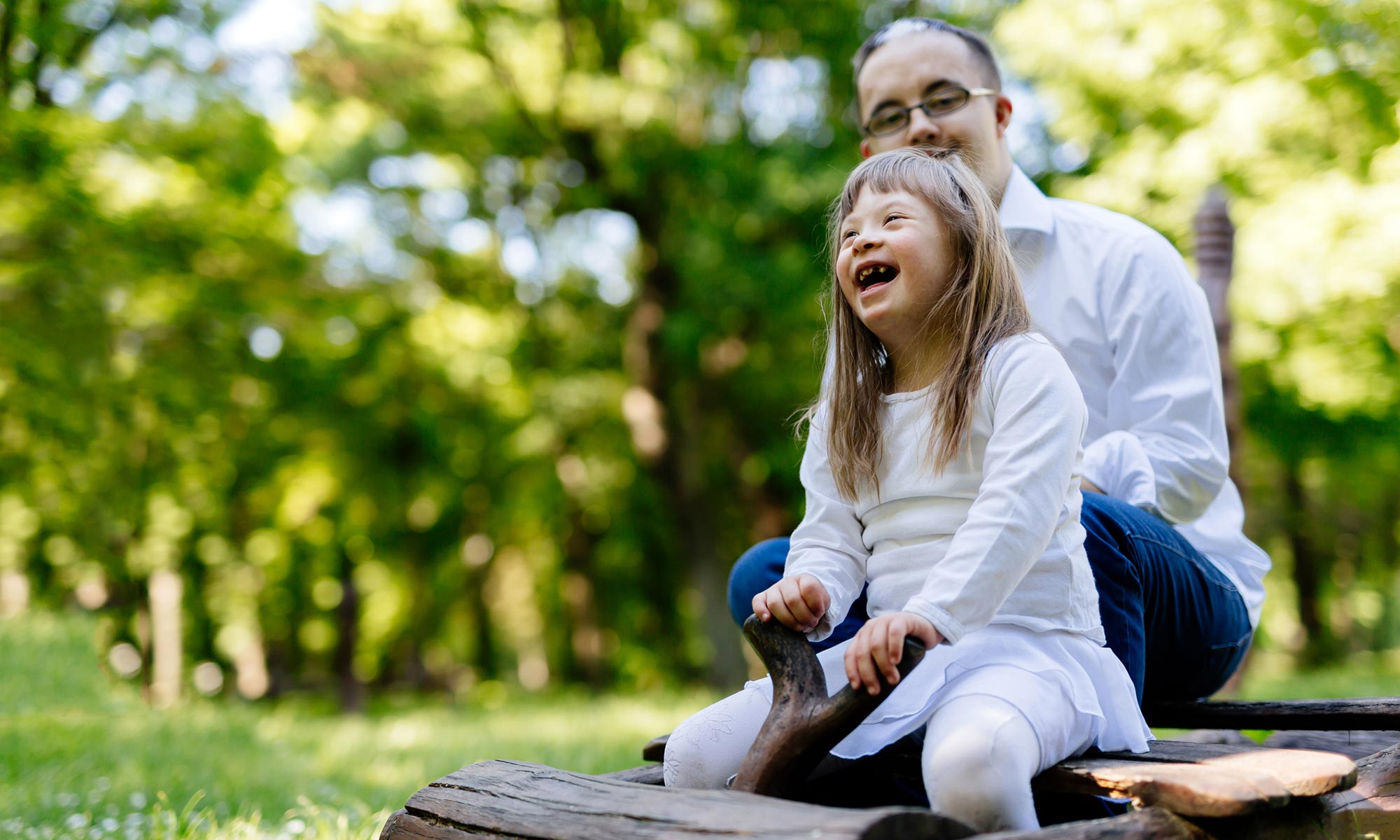
Inclusion ~ The What, How, & Why

Inclusion is the intentional design of educational systems that provide ALL students equal access, opportunities, and a sense of belonging.


A truly inclusive environment does not value one marginalized group over another; instead, it recognizes the unique backgrounds of all members of the community, including but not limited to cultural heritage, religion, socioeconomic status, sexual orientation, gender, disability, or any other differences.


Individuals with disabilities often experience discrimination from multiple perspectives, as disability intersects with other marginalized identities. Not all disabilities are visible, often leading to assumptions about students’ abilities.


To create awareness about disabilities, the implementation of inclusive programs is essential. Programs that provide valuable opportunities for students to learn about diverse experiences, including those who live with disabilities, and help them develop a more empathetic understanding of the world. By exposing students to different perspectives, we encourage inclusive thinking and pave the way for greater inclusivity in future generations.


What Does Inclusion Look Like?

The practice of inclusion is influenced by many factors. An inclusive program can be thought of in terms of access, participation, and support.


Access pertains to the ease of movement and independence within the physical environment, as well as the support and services provided by staff to ensure that all children can learn and play together.


Participation encompasses not only the number of people involved in a program or activity, but also the level of engagement and attention they give to the material or task at hand. This includes tailoring plans to consider an individual’s strengths and styles for their participation.


Support includes the encouragement, expertise, and guidance offered, as well as any additional services that may be provided. Support can come from anyone from the program leadership to the direct care professionals.

Caregivers’ Guide to Inclusive Education Caregivers’ Guide to Inclusive Education

Navigating The Education System & Supporting Children's Participation In School

Parents or caregivers of children with disabilities play a crucial role in supporting their child’s learning. This includes navigating the education system and supporting their child’s participation in school. Below are resources to support the caregivers of children with disabilities with inclusive education.


Click the pictures below to access caregivers' resources from Unicef.

open_in_new zoom_out_map

Caregivers’ Guide to Inclusive Education

open_in_new zoom_out_map

Workbook: Tools to Support Caregivers of Children with Disabilities

open_in_new zoom_out_map

Directory of Resources to Support Caregivers of Children with Disability

Click Here To Find All Inclusive Unicef Guides
School Inclusion - Center for Parent Information and Resources

School Inclusion - Center for Parent Information and Resources

Looking for information about inclusion of children with disabilities in our schools and communities? CPIR is very pleased to offer you this resource page, which will connect you with the great work and materials of the disability network nationwide and internationally.

launch parentcenterhub.org

Inclusive Schools Network

Learn about the philosophy and practices of inclusive education in this online module linked below

Inclusion Basics ~ Brief Video

Legislative Requirements Legislative Requirements

open_in_new zoom_out_map

Inclusion & Least Restrictive Environment

Over the last three decades, the philosophy and practice of inclusive schools has grown from minimal awareness to a recognized bedrock component of schools around the globe that insist on the dual standards of excellence and equity for all students. Yes, there is still confusion and widely varying definitions of the 'inclusion'. The lack of commonly held understanding of the the important practices actually impedes further progress for students, their families and the educators who teach them.


While federal legislation regarding education for students with disabilities does not include the term 'inclusion' or 'inclusive education', the Least Restrictive Environment requirement from the Individuals with Disabilities Education Act (IDEA), provides the basis for our understanding, practices, and legal interpretations. (Stetson & Associates, Inc.)

Click Here For Full Document

Michigan Department of Education Michigan Department of Education

zoom_out_map

Special Populations: Diversity, Equity, and Inclusion

Special Populations: Diversity, Equity, and Inclusion

The Perkins V accountability system evaluates the programs and activities to determine equity and access for student with barriers to education and/or employment. Two new categories of special population students (homeless individuals and youth with parents on active duty in the armed forces) are added to the current definition to reflect changes made under ESSA. Special populations are now defined as:

  • Individuals with disabilities;
  • Individuals from economically disadvantaged families, including low-income youth and adults;
  • Individuals preparing for non-traditional fields;
  • Single parents, including single pregnant women;
  • Migrant workers;
  • Out-of-workforce individuals;
  • English learners;
  • Homeless individuals;
  • Youth who are in, or have aged out of, the foster care system; and
  • Youth with parents on active duty in the armed forces


Special Populations Category Definitions: See Section 6 - Special Populations in the Administrative Manual

Special Populations

Special Populations

Special Populations

launch michigan.gov

Least Restrictive Environment (LRE) Least Restrictive Environment (LRE)

Michigan Department of Education ~ Office of Special Education Resources

Educational placement is the setting where your child receives his or her education and services. Schools must place students in the least restrictive environment (LRE). That means students must be placed in the general education setting to the greatest extent appropriate and receive supports and services as determined by the individualized education program (IEP) team.

Click Here "Family Matters Fact Sheet" On LRE
zoom_out_map
zoom_out_map
zoom_out_map
open_in_new zoom_out_map

MAFF ~ "Amplifying Youth Voices" MAFF ~ "Amplifying Youth Voices"

Youth Summit ~ May 2 & 3, 2025

Michigan Alliance for Families is thrilled to announce our first-ever Youth Summit, happening this May 2-3 in Livonia. Embracing identity, empowerment, and inclusion for teens and young adults with disabilities!


This empowering event is designed for parent and youth (ages 14 to 25 with an IEP) pairs to come together, connect, and collaborate on building a brighter, more inclusive future.


This is a unique opportunity to grow, learn, and share with others in a supportive and inclusive environment. Apply before March 28. Selected participants will be informed in April.

Deadline March 28, 2025 Deadline March 28, 2025

Click Here For The Youth Summit Flyer
Click Here For REGISTRATION LINK

Sensory Friendly Movies at NCG Cinema In Lapeer Sensory Friendly Movies at NCG Cinema In Lapeer

Lights Up ~ Sound Down ~ Talk ~ Sing ~ Dance

NCG believes every person, regardless of their abilities, should experience the magic of going to the movies. They are proud to present monthly showings of Sensory Friendly Movies for NCG neighbors.


A Sensory Friendly Movie is shown without previews, with the sound turned down, and the lights left on. It’s an environment that’s judgement-free, where it’s ok to talk, sing, walk around and even dance!

Amenity | NCG Cinema Lapeer | Movie Theatre

Amenity | NCG Cinema Lapeer | Movie Theatre

At NCG we believe every person, regardless of their abilities, should experience the magic of going to the movies. We are proud to present monthly showings of Sensory Friendly Movies for our NCG neighbors. A Sensory Friendly Movie is shown without previews, with the sound turned down, and the lights left on.

launch ncgmovies.com

Lapeer Community Center Lapeer Community Center

https://www.ci.lapeer.mi.us/parks_and_recreation/community_center/social_group-special_needs_program.php
zoom_out_map

Special Needs Social Group

Lapeer Community Center is excited to introduce its first ever special needs program, Social Group! This program is for physically and/or mentally impaired individuals ranging from ages 13- adult. Every Wednesday there will be a Social Group activity. Examples include game night, crafts, karaoke night, gym time and much more. We will also have off site social group events, such as bowling, which will require your own transportation. Once a month on a Saturday night, a holiday or themed dance will also be planned.


Social Group is an atmosphere where everyone is ready to make new friends and have fun. A monthly calendar will be available listing each Social Group activity and will provide times, location and costs. Pre- registering for Social Group is strongly preferred, but not mandatory. Reserve your spot as soon as possible by going to Lapeerpr.recdesk.com and registering, or you can email or call Aubry Fredricksen, Afredricksen@ci.lapeer.mi.us, (810) 664-4431.


*Program Participants must sign a program participation agreement, which can be done online or at the front desk. This is a once a year document that is kept on file.

The Social Group Meets Tuesdays from 6:30-8:00 PM

"Child Find" "Child Find"

What Does "Child Find" Mean?

Child Find is a requirement of the federal special education law known as the Individuals with Disabilities Education Act (IDEA), that requires schools identify, locate, evaluate, and provide services to all eligible children, aged birth through 21 years, who have disabilities and may be entitled to special education and related services. Michigan is the only state which has a state law mandating (or requiring) special education for students with disabilities birth to 26 years of age. This law is known as the Michigan Mandatory Special Education Act (MMSE) and is part of the Revised School Code.


Child Find Components:

  • Public Awareness: Public agencies providing education are federally obligated to post annual notice of outreach efforts to identify, locate, and evaluate all children who are suspected to have a disability.
  • Referral (ages birth to three): School districts and service areas must accept referrals from any source, including a doctor.
  • Request for Initial Evaluation (ages 3-25 years): A parent or school district can request an initial evaluation.
  • Notice: Before your child can be evaluated, the district must give you written information about the evaluation.
  • Consent to Evaluate: The district must have your written signature of parental consent before they can begin to evaluate your child.
  • Evaluation: If the district receives your written parental consent to evaluate, the district will complete an evaluation following the IDEA and the MARSE.

Click Here For MDE's Family Matters FACT Sheet On Child Find

FREE Developmental Screening FREE Developmental Screening

FREE Ages and Stages (ASQ-3) Developmental Screening ~ Or ~ Social-Emotional Screening

Families with children between the ages of 2 months and 5 years residing in Lapeer County School Districts can complete a FREE Ages and Stages (ASQ-3) developmental screening, or Social-Emotional Screening if you have behavior concerns. It only takes 10 minutes to complete and you will receive your results via email or phone within a week.


There are five areas of development that are examined with our Ages and Stages developmental screening (ASQ-3):

  • Fine Motor
  • Gross Motor
  • Communication
  • Problem Solving
  • Personal-Social


There are seven areas of social-emotional development that are examined with our Ages and Stages Social-Emotional Screening (ASQ:SE-2):

  • Self-regulation
  • Compliance
  • Communication
  • Adaptive Functioning
  • Autonomy
  • Affect
  • Interaction with People


Parents will also learn more about what to expect at each stage of development.

  • Click HERE for Ages and Stages Developmental Screening

  • Click HERE for Ages and Stages Developmental Screening - Spanish
  • Click HERE for Ages and Stages Social-Emotional Screening
  • Click HERE for Ages and Stages Social-Emotional Screening - Spanish

For More Information TEXT "TOTS" to 866-995-6597

Research shows that Early Identification and Intervention is an effective way to prevent or reduce delays for children at a later age. Lapeer County supports a continuum (range) of Early Childhood programming and services to assist children, ages birth to Kindergarten entry. To find a program that best fits your child Text “Tots” to 866-995-6597, call 810-245-3994 or email.

Early Childhood Programs Early Childhood Programs

Early Childhood Program Information

Are you looking for information about early childhood programs, but you are not sure which program(s) may be right for your family?

Use the link below to complete a short survey, then based on the information you provide, we'll connect you with local programs such as: Early Head Start, Early On/Build Up, Great Start Readiness Program/Head Start (free preschool), Great Start to Quality (find childcare), and WIC. Click HERE


Questions Contact:

Linda DeTavernier

Early Childhood Coordinator

Lapeer County Intermediate School District

810-245-3990

ldetavernier@lapeerisd.org

Click Here For The LCISD Early Childhood Webpage

Benefits of Michigan School Meals Benefits of Michigan School Meals

zoom_out_map

Locally Grown Fruits & Vegetables

Eating School Meals is important for students because access to healthy meals supports health and academic performance. Not only are these meals good quality and good for them, but they are also delicious!

Participating in Michigan School Meals not only saves you time and money, it also:


  • Enables schools to purchase local foods
  • Provides students with a healthy, balanced meal
  • Allows opportunities for children to try new foods
  • Supports students’ learning and ability to focus throughout the school day


Schools plan menus for both breakfast and lunch to meet a specific meal pattern, including offering a lot of fruits and vegetables. Michigan School Meals pairs with 10 Cents a Meal for Michigan’s Kids and Farms to provide matching funds to schools that use Michigan-grown fruits, vegetables, and dry beans on school menus. Watch for cherries, potatoes, and cucumbers on menus this year!

Reminder: The Food Service teams at your child’s school are an excellent resource, so we encourage you to reach out with any questions or feedback.


Click Here For More Information

REACH Program Opens Lapeer Location REACH Program Opens Lapeer Location

Overcome the Challenges You Face: You Talk, We Listen

Youth Homeless & Runaway Shelter - The REACH program is for youths aged 10 through 17.


Are you in need of counseling or a runaway shelter? We can help. When you seek services from the REACH program at Reach Resource Services, you'll get access to 100% FREE counseling. Whether working on issues in shelter, or weekly from home, you’ll have time with a professional who actively listens to your fears and problems.


Counseling services are up to 90 days, whether you choose to stay in shelter or not. During the 90 days you will meet with your counselor for 1 hour weekly, either individually or with your family. If you choose to stay in shelter, you will meet individually with your counselor daily and once a week with your family. Together, you’ll work to develop a plan and goal to overcome your troubles at home.


For out-client counseling, Lapeer and Shiawassee county residents have the option of utilizing our satellite offices in downtown Lapeer or Corunna.

Runaway Shelter Lapeer, MI | Reach Resource Services

Runaway Shelter Lapeer, MI | Reach Resource Services

Reach Resource Services provides a safe runaway shelter Lapeer, MI can count on for conflicted and endangered youth. Call us for a free consultation.

launch reachrs.org

Michigan Alliance for Families Michigan Alliance for Families

MAF March Newsletter
Home - Michigan Alliance for Families

Home - Michigan Alliance for Families

Special Education Resources Answers about your child's special education program Disability Information Information about your child's disability Support Hear from one of our Parent Mentors Upcoming Events Find an online workshop or view a recording Need help navigating the special education system? Talk to a parent who's been there.

launch michiganallianceforfamilies.org
zoom_out_map

Upcoming MAF Events

Michigan Alliance for Families Has Tons Of Learning Opportunities


Click Below For The Full List Of Events:

Upcoming Events: Learning Opportunities - Michigan Alliance for Families

Upcoming Events: Learning Opportunities - Michigan Alliance for Families

FULL YEAR: Complete calendar of webinars for 2024-2025. Our goal is to increase the involvement of families in their children's education. To do this, Michigan Alliance for Families offers learning opportunities across the state. Most of our events are virtual at this time. Webinar caption translation available in Spanish, Arabic, and other languages.

launch michiganallianceforfamilies.org

Michigan Family Connections Michigan Family Connections

Michigan Family Connections Winter 2025 Newsletter
Michigan Family to Family

Michigan Family to Family

We provide resources, information and education for children and youth with special health care needs, the families who love them, and the professionals who support them. We have hundreds of resources at the local, state, and national level. Use the Search Box to the right (or below on mobile devices) to search by keywords.

launch f2fmichigan.org
zoom_out_map

The Family Center for Children and Youth with Special Health Care Needs

Welcome to the Family Center for Children and Youth with Special Health Care Needs (Family Center)! The Family Center is the statewide parent-directed center within Children's Special Health Care Services (CSHCS) and the Michigan Department of Health and Human Services (MDHHS).

The Family Center offers emotional support, information, and connections to community-based resources to families of children and youth with special health care needs. This includes all children who have or are at an increased risk for: physical, developmental, behavioral, or emotional conditions. Children do not need to be enrolled in CSHCS to receive services from the Family Center.

The Family Center also provides parental perspectives and input on health care matters while focusing on families' access to coordinated systems of care. The Family Center works from a family-centered care approach and promotes family/professional partnerships at all levels of care. This ensures that families participate in the decision-making process and are satisfied with the services they receive.

How to reach us:

  1. Call the Family Center Direct Line at 517-241-7630
  2. Call the CSHCS Family Phone Line at 1-800-359-3722
  3. Send an email to: cshcsfc@michigan.gov
  4. Website

Services Include:

  • Information and Referrals
  • Support
  • Family Phone Line
  • Quarterly Newsletters
  • Camp Scholarship Application and Verification Form
  • Conference Scholarships
    • Conference Scholarship Guide and Application
  • Parent Mentor Trainings
  • Bereavement Parent Mentor Trainings
  • Connect families to community-based resources
  • Support to Local Health Departments
  • Family Leadership Network
  • Trainings on CSHCS and the Family Center

Special Education Mediation Services of Michigan Special Education Mediation Services of Michigan

SEMS Brochure
Special Education Mediation Services

Special Education Mediation Services

i There's more than one way to resolve issues in education. Look at your options side-by-side to make the best choice for you and your student.

launch mikids1st.org
zoom_out_map

Special Education Mediation Services Can Offer:

  • Mediation provides a confidential setting for participants to explore options that meet your child’s needs. A neutral mediator supports a collaborative approach to finding a mutually agreeable solution.

  • A meeting facilitator can manage special education meetings, so discussions are collaborative and everyone at the meeting has a chance to contribute ideas and provide feedback.


  • On-site workshops and materials to strengthen communication and collaboration skills that support productive relationships.


Request for Services: https://www.mikids1st.org/request-services/

Phone: call 833-KIDS-1ST

MDE - Office of Special Education MDE - Office of Special Education

zoom_out_map

Updates, Guidance, & Memos

Michigan Department of Education - Office of Special Education

Spotlight:


  • Timeline for Initial Evaluations for Students Who Are Parentally Placed in Private Schools

  • Revised Michigan Administrative Rules for Special Education

  • General Supervision System

  • LRE Monitoring Process

  • IEP Development: Extended School Year Services Guidance

  • Policies, Procedures, and Practices to Address Areas of Concern

  • Previously Released Guidance

  • Parent Resources

Parent Resources

Parent Resources

Parent Resources

launch michigan.gov

March Is Social Work Month! March Is Social Work Month!

Thank You School Social Workers

School Social Workers are highly trained professionals who bring the specialized expertise of a licensed mental health professional to support students, families, and school communities. School Social Workers are master’s level practitioners, meaning they have earned a master’s degree in

social work—typically a rigorous 60-hour graduate program that includes extensive practicum experience. Plus, licensure through the State of Michigan's Bureau of Licensing and Regulatory Affairs (LARA). In addition to School Social Work Certification through the Michigan Department of Education.


School Social Workers are trained to address the full range of social, emotional, and behavioral challenges that students face, ensuring they are physically, mentally, and emotionally ready to learn. Their unique training allows them to integrate the home, school, and community contexts into school-wide, small group, and individual interventions, ensuring that students’ needs are met in a comprehensive and holistic way. By reducing barriers to learning, School Social Workers contribute

to improved academic performance and overall student well-being.

April Is Autism and Neurodiversity Awareness Month April Is Autism and Neurodiversity Awareness Month

Celebrating Differences

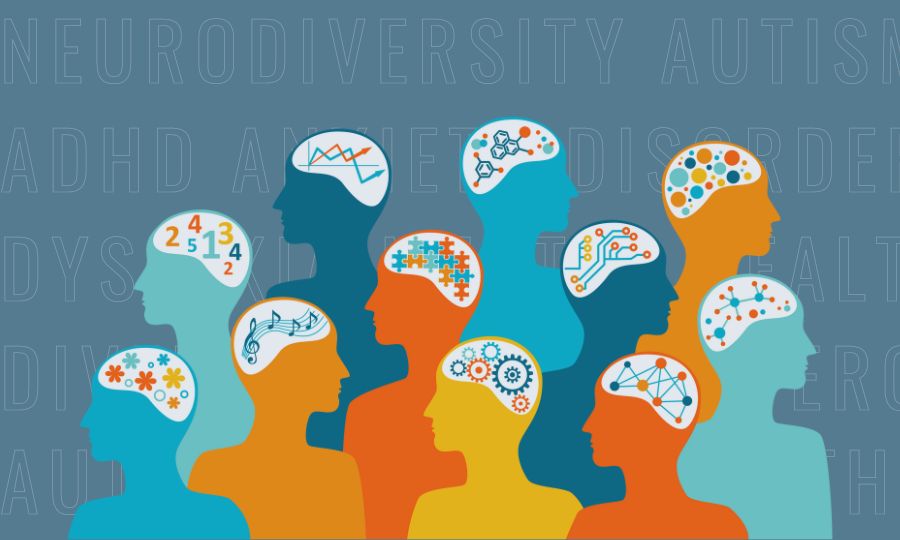
April is Autism and Neurodiversity Awareness Month, a time to recognize and celebrate the minds that inspire different perspectives and approaches in our lives.


Neurodiversity is a broad umbrella term that refers to a variation in how people think and behave. This can include how people learn, remember information, focus, solve problems, and make decisions.


This diversity includes conditions such as Autism, ADHD, Dyslexia, and others. According to research, around 15-20% of the world’s population manifests a form of neurodivergence, and that diversity can bring unique strengths and challenges to different individuals.


Neurodiversity is a spectrum and shows up differently for people. Everyone has their individual experience, so we should avoid generalizations or stereotypes.


Join in the celebration with some fun ideas below:

Learn More At The Link Below

đŸ”»đŸ”»đŸ”»

Autism and Neurodiversity Awareness Month: Celebrating Differences | Image Engine VFX

Autism and Neurodiversity Awareness Month: Celebrating Differences | Image Engine VFX

April is Autism and Neurodiversity Awareness Month, a time to recognize and celebrate the minds that inspire different perspectives and approaches in our li ...

launch image-engine.com

Special Olympics FUN In Lapeer County! Special Olympics FUN In Lapeer County!

Click Here for Area 13 Special Olympics March 2025 Update
zoom_out_map

Lapeer County Intermediate School District

👀 Look For The Summer Edition PAC Newsletter In June

Have A Safe Spring Break đŸŒ·đŸ˜Ž

Email: tfrakes@lapeerisd.org

Website: https://www.lapeerisd.org/

The Lapeer County ISD Does Not Endorse Any One Particular Resources Listed Above.


The Board of Education does not discriminate on the basis of religion, race, color, national origin, sex (including sexual orientation and gender identity), disability, age, marital or family status, genetic information, height, weight, military status, ancestry, or any other statutorily protected category (collectively “Protected Classes”) in its programs, activities, or employment. The following individual has been designated by the Board of Education to serve as the District’s ”Compliance Officer” (also known as “Civil Rights Coordinator” and “Title IX Coordinator”) to handle inquiries regarding the District’s nondiscrimination, prohibition against discrimination based on disability, and anti-harassment policies: Director of Administrative Services and Personnel; Address (for mailing purposes only): Lapeer Intermediate School District Administration Building, 1175 South Lapeer Road, Lapeer, Michigan, 48446; Phone (to speak to or schedule an appointment with the Compliance Officer): (810) 664-5917; Email Address: OCR-Complaints@lapeerisd.org.

Smore Templates
Smore is using Smore to create beautiful newsletters
Loading indicator

close
Powered by