


Building Resiliency Together
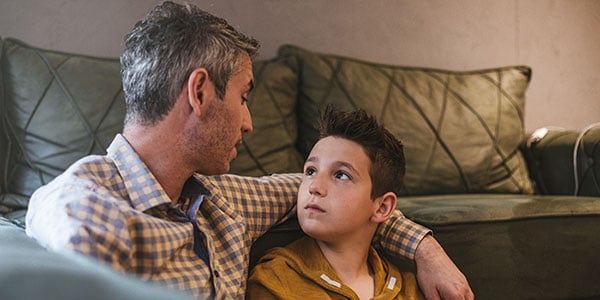
Chronic stress and anxiety can impair cognitive functions such as concentration, memory, and problem-solving. When students are stressed, they struggle to focus on lessons, complete assignments, or perform well on exams. Teaching stress management techniques can help students stay calm, organized, and more focused on their studies. Learning how to manage stress is an essential life skill. Together, young people and their families can learn to spot the signs of toxic stress and anxiety and, with the right tools, learn how to manage it.
Welcome to my "Stress Busters for School Counselors" resource toolbox. I hope you enjoy this one stop shop for a collection of resources that you will find useful in your school counseling programs and Stress Busters interventions. Thank you for attending my presentation. Enjoy!
Barbara

STRESS BUSTERS SMALL GROUP
Session 1
Discuss Group Norms
Breathing Exercise (Strong4Life: handout 1)
Stress Busters Small Group Pre-Assessment
Circle Share: Stressors with a New School Year
8 Benefits of Deep Breathing
Relaxation Skills video
What is Stress? Good Stress vs. Toxic Stress
My Happy Vision Board Art Activity- positive thoughts, talents, pictures, affirmations
Closing quiet your mind, relaxing music, stretch on exercise mats
Session 2
Review Group Norms
Deep Breathing Exercise
Circle Share: What are some stressors with school/homework?
Activity: Make a Daily Schedule (free time, study time, friends, family, TV time)
Gratitude Journals- What are you thankful for? (Strong4Life: handout 2)
Progressive Muscle Relaxation (Strong4life: handout 3)
Quiet your mind, relaxing music, stretch on exercise mats
Session 3
Review Group Norms
Deep Breathing Exercise
Circle Share: Share something you are grateful for that you wrote in your journal last session?
What Can I Control? What Can’t I Control? Activity
CBT: Positive Self-Talk- Journal
Worry/Stress diary- set time to worry
Read book: “Worry Says What”
A Peaceful Place Activity (Strong4Life: handout 4)
Quiet your mind, relaxing music, stretch on exercise mats
Session 4
Review Group Norms
Deep Breathing Exercise
Circle Share: Share balancing home, school, friends
9 Ways to Manage Stress video
Healthy Habits: Social Media, Sleep Well
Reducing Test Anxiety
Grounding Your Body & Mind (Strong4Life: handout 5)
My Coping Skills Activity
Review 5 Tips to Reduce Stress
Stress Busters Small Group Post-Assessment
Quiet your mind, relaxing music, stretch on exercise mats


15-Minute Focus: Anxiety, Worry, Stress, and Fear

15-Minute Focus: Counseling Techniques


10 Ways to Build Resilience from American Psychological Association
Make connections. Good relationships with close family members, friends, or others are important. Accepting help and support from those who care about you and will listen to you strengthens resilience. Some people find that being active in civic groups, faith-based organizations, or other local groups provides social support and can help with reclaiming hope.
Avoid seeing crises as insurmountable problems. You can't change the fact that highly stressful events happen, but you can change how you interpret and respond to these events. Try looking beyond the present to how future circumstances may be a little better. Note any subtle ways in which you might already feel somewhat better as you deal with difficult situations.
Accept that change is a part of living. Certain goals may no longer be attainable as a result of adverse situations. Accepting circumstances that cannot be changed can help you focus on circumstances that you can alter.
Move toward your goals. Develop some realistic goals. Do something regularly -- even if it seems like a small accomplishment -- that enables you to move toward your goals. Instead of focusing on tasks that seem unachievable, ask yourself, "What's one thing I know I can accomplish today that helps me move in the direction I want to go?"
Take decisive actions. Act on adverse situations as much as you can. Take decisive actions, rather than detaching completely from problems and stresses and wishing they would just go away.
Look for opportunities for self-discovery. People often learn something about themselves and may find that they have grown in some respect as a result of their struggle with loss. Many people who have experienced tragedies and hardship have reported better relationships, greater sense of strength even while feeling vulnerable, increased sense of self-worth, a more developed spirituality, and heightened appreciation for life.
Nurture a positive view of yourself. Developing confidence in your ability to solve problems and trusting your instincts helps build resilience.
Keep things in perspective. Even when facing very painful events, try to consider the stressful situation in a broader context and keep a long-term perspective. Avoid blowing the event out of proportion.
Maintain a hopeful outlook. An optimistic outlook enables you to expect that good things will happen in your life. Try visualizing what you want, rather than worrying about what you fear.
Take care of yourself. Pay attention to your own needs and feelings. Engage in activities that you enjoy and find relaxing. Exercise regularly. Taking care of yourself helps to keep your mind and body primed to deal with situations that require resilience.
The key is to identify ways that are likely to work well for you as part of your own personal strategy for fostering resilience. Reference: https://www.apa.org/topics/resilience












National Alliance on Mental Health

National Institue on Mental Health

Center for Disease Control


Barbara Truluck, Ed.S., NCC, NCSC
School Counseling Consultant
2021 ASCA National School Counselor of the Year Finalist
2019 Georgia School Counselor of the Year
2018 Cobb Middle School Counselor of the Year
ASIST Suicide Prevention Trainer
Email: barbara.truluck@cobbk12.org
Twitter: @bararatruluck