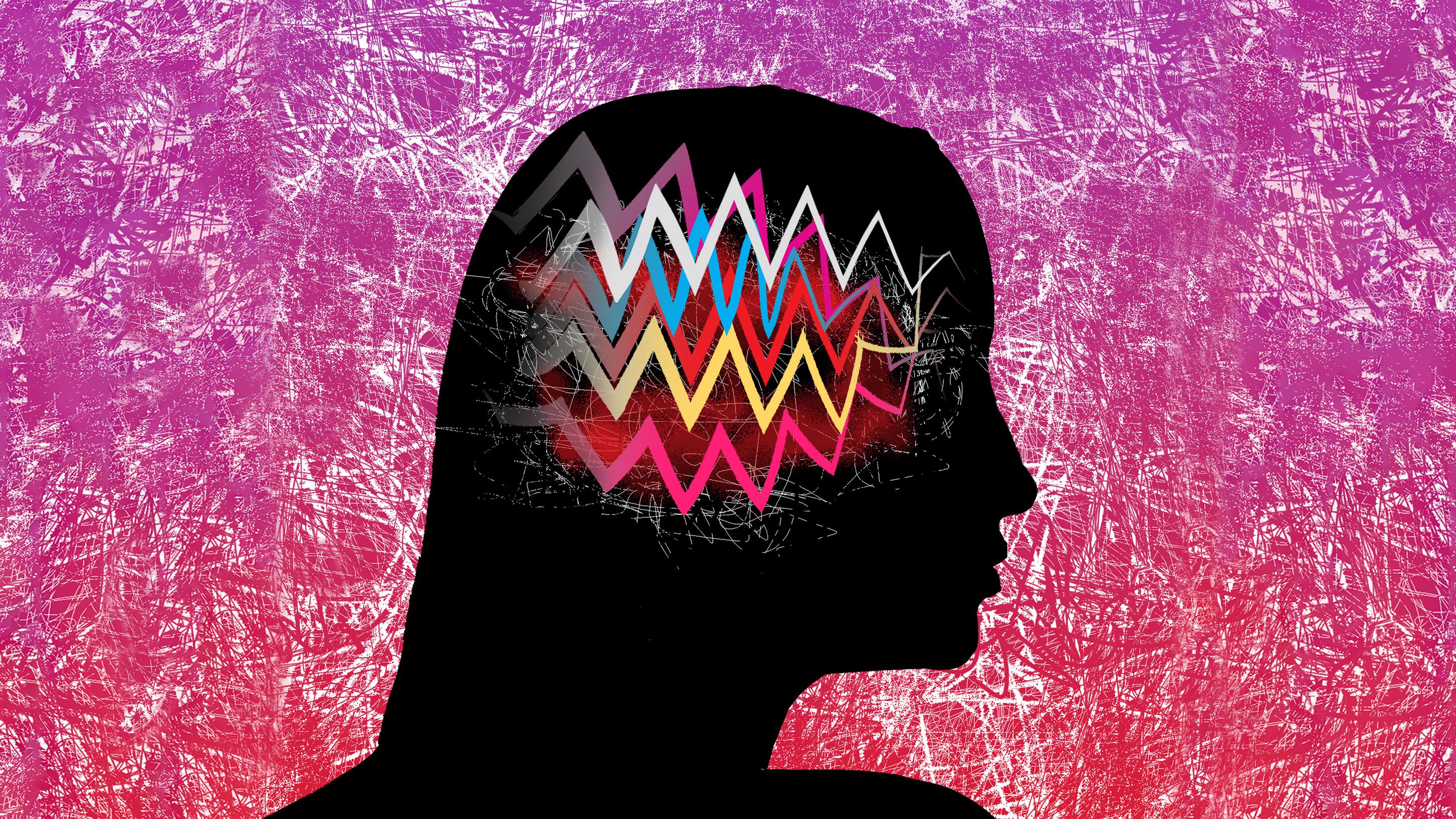
There are times when we write off students' big reactions to small problems as misconduct. While there are definitely instances in which these big reactions are the result of learned behavior, there are people whose brains are wired to respond to distress in a manner that may appear to be irrational or unjustifiable. This is a two-fold phenomenon. One one hand, there is a scientifically proven biological response to stress. On the other hand, what is labeled as "stressed" is subjective and is a response to perception.
When a person experiences trauma or has certain neurological differences, the amygdala (the part of the brain that processes emotions) can become overly sensitive. For students who are affected by these factors, something that might seem minor to others can feel overwhelming. They may respond quickly with intense emotions because their brains are on high alert, anticipating danger, threats, or discomfort. This isn't a choice, but rather a biological response. This doesn't mean, however, that teaching and practicing patience, flexible thinking and alternative responses won't be successful. It make take more time and effort to instill these skills, but putting in that time and effort will really impact the way that these students will are able to navigate troubling situations in the future.