Roots & Ridge Report
Ag & Natural Resources News for Your Bottom Line

November & December 2025
A Quick Note From Your Extension Educator
November and December Newsletter
I think it finally happened...winter has finally arrived here in the southwest part of Minnesota, bringing with it snow-packed roads, frosty mornings, and the quiet, steady rhythm that defines this time of year. As the landscape turns white and the pace of outdoor work slows, many of us shift into the familiar routines that carry us through the coldest months.
Around the farm, winter brings its own kind of productivity—clearing snow, checking buildings, keeping equipment running, and tending to the everyday tasks that ensure everything holds up through stretches of deep cold. Between morning coffee warmed by the woodstove and evenings spent indoors, winter becomes a season of both endurance and reflection.
In this November/December Roots to Ridge Newsletter, we’re shining a spotlight on local expertise in veterinary science. Dr. George Lemke shares valuable information on best management practices for pinkeye in cattle. A hot topic last summer and fall. This issue will also feature insights from the University of Minnesota Extension and other trusted sources. As we move deeper into winter, I hope these resources help keep your farm, your livestock, and your plans on track for the months ahead.
I hope you and yours have a happy and safe holiday season!

Upcoming Local Events
Wednesday, January 28th- Pipestone Private Pesticide Applicator Training
Thursday January 29th- Slayton Private Pesticide Applicator Training
Monday, February 2nd-Marhsall Private Pesticide Applicator Training
Wednesday, February 11th- Cow/Calf Days @ MN West
Thursday, February 19th- Winter Crops Days @ Slayton 4H Building
Tuesday, March 3rd- Calf to Heifer Dairy Workshop @ Slayton
If you would like to be featured or have a topic to share please reach out!
Crop Talk
Private Pesticide Applicators
The University of Minnesota Extension offers certification for private pesticide applicators. If you or your family apply RUPs on your farm or rented land, you must obtain this certification to legally purchase or use those pesticides.
How it works
-
Certification lasts 3 years, and you are given a unique applicator number — no one else can use it.
To get certified (or re-certify if your license has expired), you must pass a 50-question exam. You can either:
-
-
Take a mail-in exam, using a study manual (19th Edition) available at both pipestone and Slayton Extension Offices
-
Take an online exam.
-
-
Recertification can also be done by mail-in exam, online exam, or by attending an in-person or Zoom workshop (offered in January/February).
-
The cost for any of the recertification options is $100.
-
The online exam registration opens in January; mail-in exams must be postmarked by October 31 of the year.
Study Materials & Additional Options
-
A free downloadable copy, or printed copy available at either office of the 19th Edition Private Pesticide Applicator Study Manual is available — covering topics like pesticide laws, safe handling, application procedures, environmental protection, PPE, and more.
-
For those needing to apply pesticides via aerial methods or fumigation, there are endorsement categories you can add to your certification , which require additional manual study and exams. To be certain which licenses and endorsements you need please reach out to Minnesota Department of Agriculture.
Livestock Lowdown
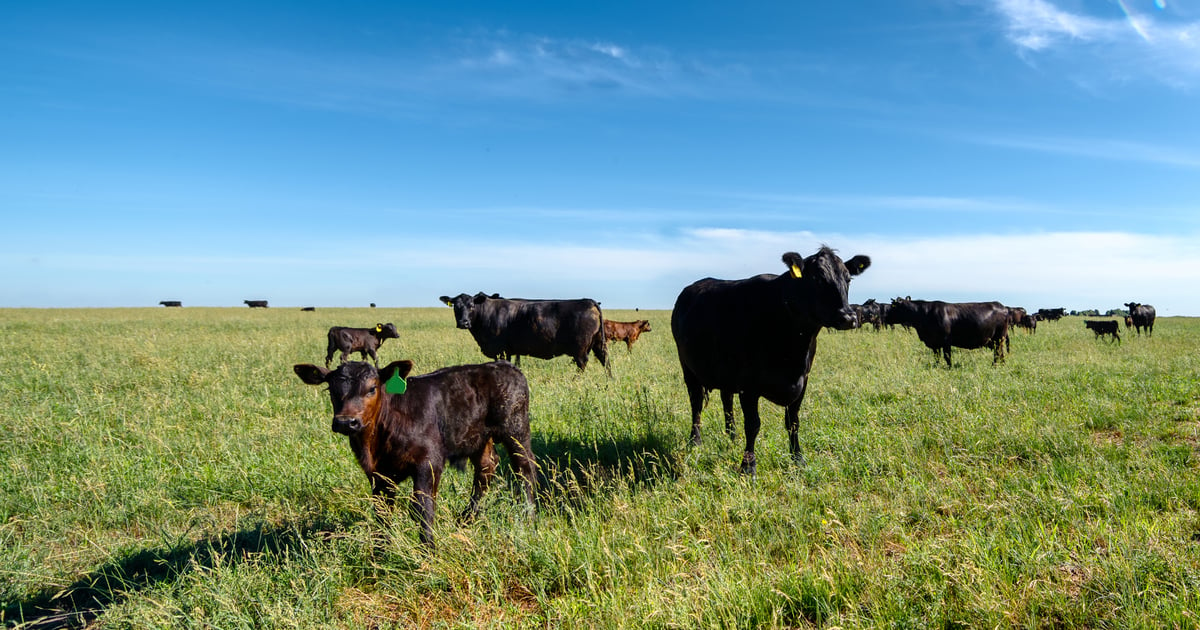
Pink Eye Control Strategy in Cattle- Dr. George Lemke
Pinkeye control in cattle involves a multi-faceted strategy, including reducing
environmental irritants like dust and tall grass, using fly control methods such as fly tags and manure management, and implementing vaccination programs, often using herd-specific autogenous vaccines. Managing sunlight exposure and addressing nutritional deficiencies can also help prevent infection.
Management and environmental control
- Reduce irritants: Manage pastures by mowing tall grass and weeds, and use
bedding that isn't excessively dusty. Address issues like barbed wire or poor
facility maintenance that can cause mechanical trauma to the eye.
-Control flies: Use methods like fly tags, pour-on insecticides, feed through
insecticides, and dragging pastures to break up manure piles, which reduces fly breeding habitats. Applying fly tags at the correct time and alternating insecticide classes can help manage fly resistance.
- Manage sunlight: Ensure animals have access to shade and can get relief from excessive sun, which can damage corneal cells. Breeding for more pigmented skin around the eyes can also offer some protection.
- Address nutrition: Ensure cattle have adequate levels of essential minerals like selenium, copper, and zinc, as deficiencies can increase susceptibility to pinkeye.
Health and medical strategies
- Vaccination: Vaccinating your cattle will not eliminate the chance of your cattle contracting pinkeye, but it is an effective strategy to reduce the number/severity of cases. Commercial and autogenous vaccines are available. Contact your veterinarian for recommendations for your herd.
- Veterinary treatment: Antibiotic treatment is helpful for cattle that are showing signs of active infection like tearing and squinting. Contact your herd veterinarian for treatment protocols. Pinkeye will cause ulcers in the eye that take time to heal. Once the active infection has cleared use eye patches and other mechanisms to reduce exposure to UV light, flies and other irritants to allow for recovery.
- Isolate infected animals: Move sick animals to a shaded, dust-free area for
treatment and to prevent the spread of the disease to other cattle.
Resource Report
AGRI Demo Grant Due- Dec 15th
Open Grant Opportunities in MDA
On the Horizon- Extension Workshop
ANR Newsline
© 2023 Regents of the University of Minnesota. All rights reserved. The University of Minnesota is an equal opportunity educator and employer.