Smore logo
remove_red_eye 403
page background

Summer Learning SEL

Growing our social and emotional skills

SummerLearning SELGrowing our social and emotional skills

Making a Splash with Emotions

Let’s talk feelings. Emotions are like the colors on a picture. Sometimes we might feel red and angry or blue and sad. When we know how we feel, we can control how we react. Check out the feelings below. Try to match your face to each feeling and say it out loud. How does each one feel? Which one are you feeling today?

Pool Party

Find a friend and get ready to play! Take turns naming an emotion. Your partner has to show the emotion on their face. Ready for a challenge? See how quickly you can go. Can you switch up the order?

Expressing the Emotional Waves

What do you do when you feel an emotion? How do you react? Do you shout when you are angry? Laugh when you’re happy? Our emotions cause reactions. We can react in many different ways.


In reading, we use emotions to express how characters feel. When a character is excited, we can read with excitement. Try reading your next book with feeling.

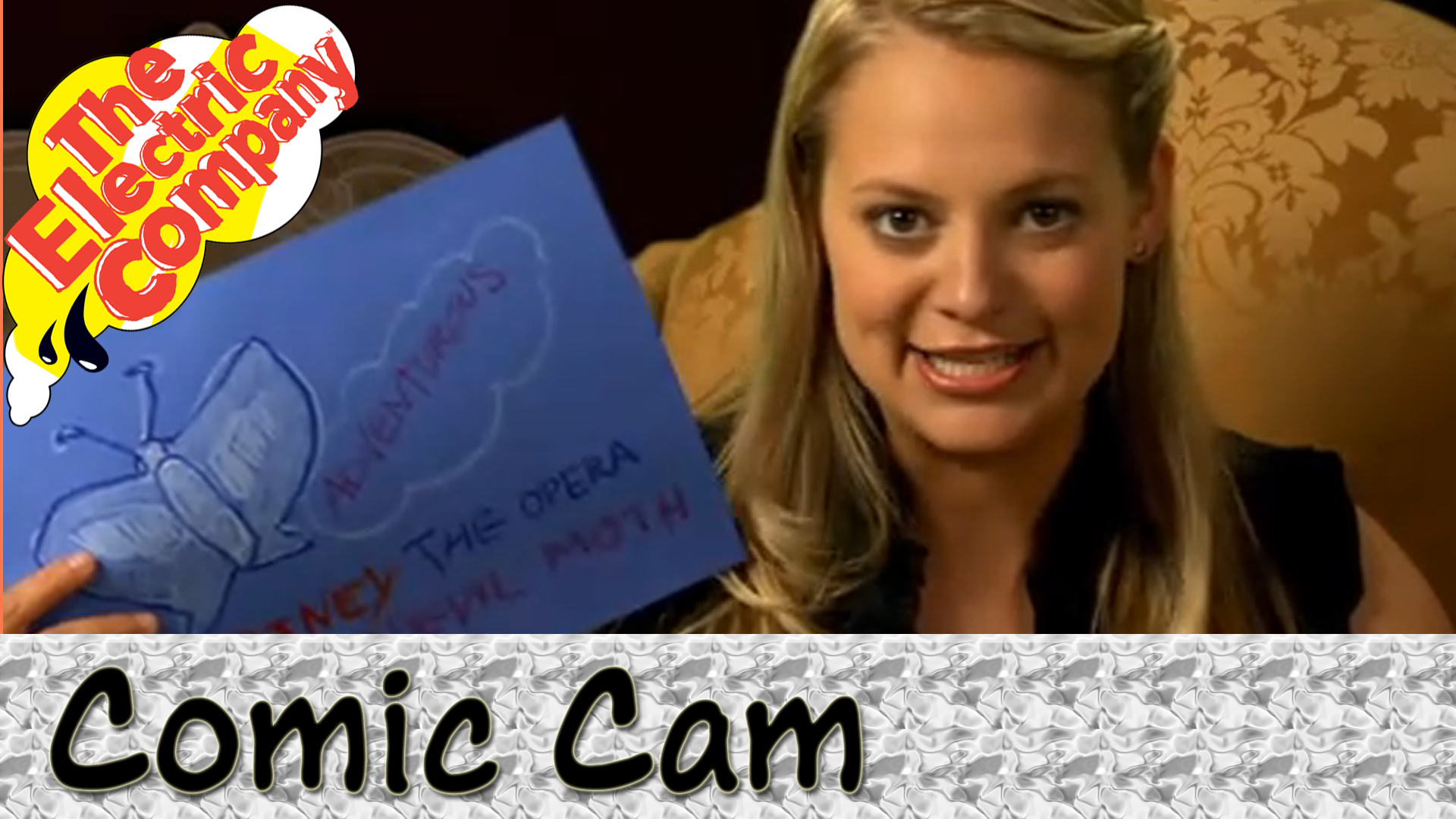
Comic Cam: Expressive Reading | PBS LearningMedia

Comic Cam: Expressive Reading | PBS LearningMedia

Jennifer Barber introduces the different characters she created for her stories when she was seven years old. She reads one of her stories using different voices to differentiate between the three characters. This resource teaches students the basics of character creation, narrative structure, and presentational reading.

launch mpt.pbslearningmedia.org

Behind the Scenes for Parents

Kids experience complex feelings just like adults. They get frustrated, excited, nervous, sad, jealous, frightened, worried, angry and embarrassed.


However young kids usually don’t have the vocabulary to talk about how they are feeling. Instead they communicate their feelings in other ways.


Kids can express their feelings through facial expressions, through their body, and their behavior and play. Sometimes they may act out their feelings in physical, inappropriate or problematic ways.


From the moment kids are born, they start learning the emotional skills they need to identify, express and manage their feelings. They learn how to do this through their social interactions and relationships with important people in their lives such as parents, grandparents and care givers. Kids need to be shown how to manage their feelings in positive and constructive ways.


Kids who learn healthy ways to express and cope with their feelings are more likely to:


* Be empathic and supportive of others


* Perform better in school and their career


* Have more positive and stable relationships


* Have good mental health and wellbeing


* Display less behavioral problems


* Develop resilience and coping skills


* Feel more competent, capable and confident


* Have a positive sense of self

Loading indicator

close

Created with

Communicate quickly and effectively with interactive newsletters.

Smore empowers educators to connect with their community, streamline school communications,
and increase engagement.

Create a newsletter