
Smore logo
remove_red_eye 435
page background

SAP Monthly Newsletter

November 2023 - International Day for Tolerance

SAP Monthly Newsletter November 2023 - International Day for Tolerance

"...tolerance is the sound foundation of any civil society and of peace" "...tolerance is the sound foundation of any civil society and of peace"

zoom_out_map
The UN General Assembly created the International Day for Tolerance in 1996 to encourage tolerance to be celebrated around the world. The official date for International Day for Tolerance is November 16th.

What is tolerance and why is it important?

Tolerance is respect, acceptance and appreciation of the rich diversity of our world's cultures, our forms of expression and ways of being human. It is fostered by knowledge, openness, communication, and freedom of thought, conscience and belief. Tolerance is harmony in difference. - UNESCO, 1995


Tolerance builds peace, and when we are not mindful, the results can turn into conflict. Whether that conflict is small in scale, like a negative interaction, or the conflict is large in scale, like a war, conflicts can be started by a lack of tolerance toward others.

See article for some facts that show how conflict is affecting the world. See article for some facts that show how conflict is affecting the world.

10 Heartbreaking Facts About Ongoing Conflicts Around the World

Ongoing conflicts sparked by territorial disputes, military coups, terrorist factions, and nuclear weapons are threatening peace and making millions refugees.

launch globalcitizen.org

More Facts More Facts

If you turn on the news, it's a good bet you will find some sort of conflict. Here are some facts you might not have heard, on the benefits of tolerance:

  • "There is clear evidence that countries where all human rights are respected and protected are less prone to conflict or crisis," according to the UN.


  • The UN also states that countries that respect human rights have "increased resilience to withstand unexpected shocks, such as those resulting from pandemics or climate change." Wow!


  • Prevention and tolerance are good for our wallets too! (See image below.)

Tolerance counters fear and exclusion - So let's focus on Inclusion! Tolerance counters fear and exclusion - So let's focus on Inclusion!

What is inclusion?

Inclusion means providing equal access to opportunities and resources. It means removing barriers, intolerance, and discrimination. Inclusion helps people feel respected, supported, and welcomed.

How To Be More Accepting Of Others

How to be more accepting of others:

  • Try not to see the world in black and white
  • Focus on the positives in others
  • Try going to a new area or talk to new people and see how they live differently than you
  • Self love/ meditation

Kids Share Their Cultural Tradition | Show & Tell | Hiho Kids

Accepting others means embracing differences, even if you don't agree. This video has a great example of a kid saying 'it is fine' when other's did not enjoy the food that they shared. We can accept each other even if we like different things!


Teaching Cultural Competence and Cultural Diversity helps us to understand one another.


Click on the link for 11 fun ways you can teach kids about other cultures:

https://www.funlovingfamilies.com/how-to-teach-your-child-about-different-cultures/

Check your biases

The American Academy of Family Physicians (AAFP) discusses eight tactics that can be used to reduce implicit biases, using the acronym IMPLICIT:


  • Introspection: Set aside time to understand your biases by taking a personal inventory of them. This can be done by taking tests to identify the biases you may have.
  • Mindfulness: Once you understand the biases you hold, be mindful that you’re more likely to give in to them when you’re under pressure or need to make quick decisions. If you’re feeling stressed, pause for a minute, collect yourself, and take a few deep breaths.
  • Perspective-Taking: If you think you may be stereotyping people or groups, imagine what it would feel like for others to stereotype you.
  • Learn to Slow Down: Before jumping to conclusions about others, remind yourself of positive examples of people from their age group, class, ethnicity, or sexual orientation. This can include friends; colleagues; or public figures, such as athletes, members of the clergy, or local leaders.
  • Individualization: Remind yourself that all people have individual characteristics that are separate from others within their group. Focus on the things you have in common.
  • Check Your Messaging: Instead of telling yourself that you don’t see people based on their color, class, or sexual orientation, learn to use statements that embrace inclusivity. For example, Apple Inc.’s inclusion statement circles around the topic of being different together: “At Apple, we’re not all the same, and that’s our greatest strength.”
  • Institutionalize Fairness: In the workplace, learn to embrace and support diversity. The AAFP suggests individuals use the Equity and Empowerment Lens, which is designed to help organizations improve planning and resource allocation to foster more equitable policies.
  • Take Two: Overcoming unconscious biases takes time. Understand that this is a lifelong process and that deprogramming your biases requires constant mindfulness and work.


Want to know more about implicit bias? Check out maryville.edu or https://leanin.org/education/what-is-unconscious-bias.

https://glade.org/international-day-for-tolerance/
open_in_new zoom_out_map

3 WAYS TO OBSERVE INTERNATIONAL DAY FOR TOLERANCE


  1. Read About Different Cultures

    Reading about different cultures or nationalities is one of the best ways to help break down your intolerances that you may not know you have, as well as help increase your awareness of other intolerances throughout the world. In order to celebrate tolerance, you may often need to first make yourself aware of intolerance.


  2. Listen to Neighbors Who Have Different Viewpoints

    Listening to others is a great way to open your perspective and take a better look at the world and how you perceive it. Tolerance and intolerance can only be identified by listening more to those who may have suffered at the hands of intolerance and hearing what they have to say.


  3. Participate in Events of Remembrance or Advocacy

    If you want to truly help celebrate International Day of Tolerance the best thing to do is go out and participate. Whether it's a candlelight vigil for the victims of intolerance or a lecture from an esteemed activist or thought leader, getting out there and getting involved will only help you grow.


Promoting Inclusivity, Safety, and Responsibility for All, Especially Those Under 21, During the Holidays

Creating a welcoming and respectful environment for all, through responsible alcohol and substance use serves as a foundation for a safer and more tolerant atmosphere. This approach becomes particularly relevant when young individuals under 21 are present. Hosts play a crucial role as they model responsible behavior, refraining from providing alcohol to underage guests and demonstrating that enjoyable social events can thrive without excessive drinking or substance use. Being a responsible host instills a respect for legal drinking age restrictions and promotes civic responsibility. The moderation of alcohol and substance use also fosters inclusivity, making social gatherings more welcoming to abstainers and those unable to partake legally, nurturing a sense of belonging and encouraging tolerance of diverse lifestyles and choices.


A social host is an adult who, with or without knowledge, hosts underage drinking on property that he or she owns, leases, or otherwise controls and could face legal consequences.


Don't be a "social host"!

Some November Celebrations - See How Many You Know! Some November Celebrations - See How Many You Know!

zoom_out_map
zoom_out_map
zoom_out_map
DĂ­a de los Muertos
Diwali
Mombasa Carnival
Thanksgiving
DĂ­a de la TradiciĂłn
Karneval
Shichi-Go-San
Bon Om Touk
zoom_out_map
zoom_out_map
zoom_out_map

Ways to use your SAP teams to build tolerance within your school community! Ways to use your SAP teams to build tolerance within your school community!

SAP can run a group, teach a lesson, or help families find resources that relate to:


Embracing Diversity

  • Celebrate the beauty of diversity in student's community, highlighting the richness it brings to culture and society.
  • Share stories of individuals from diverse backgrounds who have come together to promote tolerance and unity.

Conflict Resolution

  • Discuss effective conflict resolution strategies that can be employed in personal relationships, schools, and communities.
  • Offer resources and guidance on how to approach and resolve conflicts peacefully and constructively.

Peaceful Activism

  • Profile individuals or groups that engage in peaceful activism to address social issues and promote tolerance.
  • Provide guidance on how students can get involved in peaceful activism and advocate for positive change.

Building Bridges

  • Highlight organizations and projects in your community that aim to bridge divides and foster understanding among different groups.
  • Share stories of successful peace-building efforts, showcasing how people can come together to overcome differences and work towards common goals.
  • Encourage students to engage in dialogue with individuals from diverse backgrounds to promote tolerance and empathy.

Spreading Kindness

  • Showcase acts of kindness, big and small, that have had a positive impact on individuals or communities.
  • Provide tips on how students can incorporate random acts of kindness into their daily lives to create a more peaceful environment.
  • Share heartwarming stories of individuals who have dedicated their lives to spreading love and compassion.

Creating Connections

  • Connect to local organizations, clubs, or initiatives that focus on peace-building, conflict resolution, or community cohesion.
  • Encourage students to get involved in peace-oriented groups and activities to connect with like-minded individuals.
  • Share success stories of community members who have made a difference through their involvement in such organizations.

Peaceful Reflection:

  • Offer tips and suggestions for incorporating moments of reflection and mindfulness into daily routines.
  • Discuss the importance of self-awareness and self-reflection in promoting peace within oneself and in relationships.
  • Provide resources for guided meditations and peaceful reflection exercises.

Understanding Peace:
  • Delve into the multifaceted concept of peace, emphasizing that it extends beyond the absence of conflict to encompass social justice, human rights, and mutual respect.
  • Explore the role of empathy and compassion in fostering peaceful coexistence and reducing intolerance.

...And more! Talk to your SAP Counselor to get started!

Other Important Dates in November:

7-11 Solidarity Week

11 Veterans Day

13-21 National Hunger and Homelessness Awareness Week

13 World Kindness Day

13-19 Transgender Awareness Week

13-17 American Education Week

13-19 National Apprenticeship Week

16 Children’s Grief Awareness Day

16 National Parental Involvement Day

18 Family Volunteer Day

18 International Survivors of Suicide Loss Day

19 National Adoption Day

20 Transgender Day of Remembrance

24 Native American Heritage Day

24 Random Acts of Kindness Friday

Resources Resources

Learning for Justice | Education Resources

Learning for Justice | Education Resources

Learning for Justice provides free resources to educators-teachers, administrators, counselors and other practitioners-who work with children from kindergarten through high school. Educators use our materials to supplement the curriculum, to inform their practices, and to create civil and inclusive school communities where children are respected, valued and welcome participants.

launch learningforjustice.org
About Us | THE PEACE CENTER

About Us | THE PEACE CENTER

Our Vision A diverse community committed to living together in Justice and Peace. Our Mission To educate, empower and support individuals and organizations ...

launch thepeacecenter.org
Lesson Plans to Teach Tolerance | Resilient Educator

Lesson Plans to Teach Tolerance | Resilient Educator

There are many strategies that teachers can use to help students learn and develop tolerance for others.

launch resilienteducator.com
12 Books on Diversity to Get the Conversation Flowing

12 Books on Diversity to Get the Conversation Flowing

Author Tami Charles recommends the best books for teachers to ignite a conversation about diversity and spark healthy student dialogue on race, equality, and inclusion.

launch scholastic.com
Welcome to Tolerance : : Tavaana | Tolerance : : Tavaana

Welcome to Tolerance : : Tavaana | Tolerance : : Tavaana

Tavaana: E-Learning Institute for Iranian Civil Society is Iran's pioneer e-learning institute. Tavaana - meaning 'empowered' and 'capable' in Persian - was launched on May 17, 2010 with a mission to support active citizenship and civic leadership in Iran through a multi-platform civic education and civil society capacity building program.

launch tolerance.tavaana.org
Museum of Tolerance

Museum of Tolerance

A Museum to Educate and Enlighten Recipient of the Global Peace and Tolerance Award from the Friends of the United Nations, the Museum of Tolerance (MOT) is a human rights laboratory and educational center dedicated to challenging visitors to understand the Holocaust in both historic and contemporary contexts and confront all forms of prejudice and discrimination in our world today.

launch museumoftolerance.com
Multicultural Education Pavilion - Diversity, Equity, & Social Justice Education Resources

Multicultural Education Pavilion - Diversity, Equity, & Social Justice Education Resources

Multicultural education, diversity, equity, and social justice education resources.

launch edchange.org
Youth

Youth

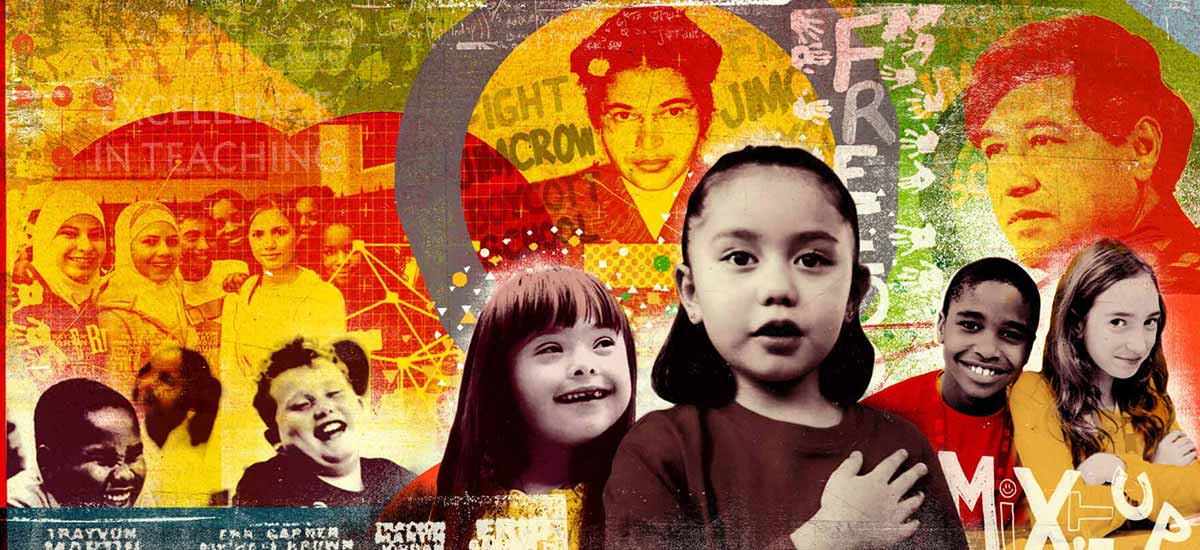
Many of today's youth, at 1.8 billion worldwide, live in areas affected by conflict. The predominant narrative depicts young men as perpetrators of violence and young women as victims. The U.S. Institute of Peace sees youth as agents for positive change and works to equip young peacebuilders with the knowledge and skills they need to bring divided communities together and to manage conflict nonviolently.

launch usip.org

Teacher Resources for Teaching Tolerance - https://www.teacherplanet.com/content/tolerance

zoom_out_map
zoom_out_map
zoom_out_map
Melissa Groden
Melissa is using Smore to create beautiful newsletters
Loading indicator

close

Created with

Communicate quickly and effectively with interactive newsletters.

Smore empowers educators to connect with their community, streamline school communications,
and increase engagement.

Create a newsletter