remove_red_eye 170
page background

November

Teaching & Learning Newsletter

NovemberTeaching & Learning Newsletter

Thank You, Troy Teachers

As we head into Thanksgiving, I want to say thank you. This fall you have taken on a lot: new curriculum, new routines, and new ways of working together. You've come to team meetings with honest questions, shared student work, tried new things in your classrooms, and helped each other figure out what works best for kids. That is what makes Troy City Schools a great place to learn.

I am grateful for every one of you. Enjoy your time with family and friends over the break, and get some rest. You've earned it!

Danielle, Randall, Sarah, & Linda!

Around the District Around the District

User uploaded image
zoom_out_map

2nd Grade

User uploaded image
zoom_out_map

2nd Grade

User uploaded image
zoom_out_map

Kindergarten

User uploaded image
zoom_out_map

Our Learning Wall

User uploaded image
zoom_out_map

Hard at Work Writing

What's Happening In Teaching & Learning Team Collaboration

In our meetings this fall, one theme keeps coming up when teachers talk about Magnetic Literacy is the writing. Here's some of what we've been hearing.

Students have something to say. Teachers describe how each unit builds toward the End-of-Unit Writing. By the time students start writing, they've spent weeks reading, talking, and learning about one topic, so the ideas and evidence are already there. First-grade teachers talked about students writing opinions and backing them up with a detail from the words or pictures. Sixth-grade teachers described four-paragraph argument essays built on evidence from two texts.

The writing connects to their lives. Second-grade teachers shared how students named an author's purpose, supported it with facts from the text, and then turned it into the ways they can be good citizens right here in Troy.

Real experiences make stronger writers. Teachers told stories of classes walking downtown to study our murals, growing bean sprouts after meeting the word in a unit, and one class deciding on its own to sweep the playground mulch every day. As one teacher put it, students feel like they're actually doing something with what they learned, and it shows up in their writing.


This led to discussions about OST preparation

On the ELA test, students read one or more passages and then write an informative or opinion/argument response using evidence from those texts. Their writing is scored on three things:

  • Purpose, focus, and organization: a clear controlling idea or claim, with writing that stays on topic and flows logically
  • Evidence and elaboration: using details from the texts and explaining how they support the thinking
  • Conventions: grammar, capitalization, punctuation, and spelling


What Magnetic Literacy already asks students to do
Every unit ends with a text-based writing task that asks for exactly these skills. Students state a claim or main idea, support it with evidence from the unit texts, and explain their thinking. The difference is that they're writing about a topic they've spent weeks learning, reading, and discussing. That built-up knowledge is what makes evidence and elaboration strong.


What this looks like in your classroom

  • Teach the End-of-Unit Writing fully, with time to plan, draft, and revise. Don't shorten or skip it.
  • Use the same language as the scoring areas (claim, evidence, explain) when you give feedback.
  • Ask students to point back to the text during discussions and short written responses every day.
  • Hold students to grade-level expectations for organization and conventions on every piece.
User uploaded image
zoom_out_map Show in original size

More Around the District More Around the District

User uploaded image
zoom_out_map

Reading Partners

User uploaded image
zoom_out_map

Going Back to the Text

User uploaded image
zoom_out_map

Writing with Evidence

User uploaded image
zoom_out_map

2026 Orton-Gillingham Cohort

User uploaded image
zoom_out_map

Writing Partners

User uploaded image
zoom_out_map

OG Training Complete!

Morphology Resources Morphology Resources

Morphology Resources: Now in Coherence

All of our morphology resources now live in one place on the Coherence dashboard. You can find them two ways:

  • The Morphology page: Browse by morpheme, including prefixes, suffixes, and Greek and Latin roots. Each one shows its meaning and part of speech, with the student resources that go with it.
  • The Scope & Sequence page: Go to any week and you'll see the morphology resources linked to the exact Magnetic Literacy sessions where those morphemes are taught.

That means no more hunting for the right picture cards or slides. The practice you pull matches what students are learning in the unit that week, so it reinforces the lesson instead of adding something new.

Coaching Videos on Coherence Coaching Videos on Coherence

Just-in-Time Coaching Videos on Coherence

Need a quick refresher before you teach a routine? The Coaching page on the Coherence dashboard now has more than 60 short videos that model our structured literacy practices, and more are added every week.

Sarah Walters is creating these videos to give teachers just-in-time support, starting with the primary grades. Each video is tied to the scope and sequence, so it shows up in the same week you'll be teaching that skill. You can watch a model right before the lesson instead of trying to remember it from a training months ago.

What you'll find

  • Letter formation: capital and lowercase letters, in the order they're introduced
  • Rapid letter and word charts
  • Three-part drill: visual, auditory-kinesthetic, and blending
  • Vowel intensives
  • Word and sentence dictation: by concept, including new kindergarten word dictation videos added this week
  • Decodable readers

How to use them
Open the Scope & Sequence page in Coherence, go to your current week, and you'll see the coaching videos that match. You can also browse every video on the Coaching page.

Whether you're new to a routine or just want a reminder of how it should sound and look, these videos are a great place to start. Thank you, Sarah, for building this support for our teachers!

User uploaded image
zoom_out_map

Visual Drill: Kindergarten Mid-Year

User uploaded image
zoom_out_map

Kindergarten Week 11 Coaching Videos

Professional Development Professional Development

User uploaded image
zoom_out_map

Sarah Walters edWeb Panelist

Building Literacy Success for English Learners: Real Results from the District Level

Presented by Dr. Antonio A. Fierro, Literacy Expert, Science of Reading Center at SUNY New Paltz; Sarah Walters, Literacy Instructional Support Specialist and IMSE Level 4 Orton-Gillingham (OG) Master Instructor, Troy City Schools (OH); Silvia Gonzalez-Powers, District Literacy and Multilingual Learner Leader, Boston Public Schools (MA); and Dr. Nicole Florez, Former Educator, Current Curriculum Designer, Institute for Multi-Sensory Education (IMSE)


EL instruction frequently operates in isolation from Tier 1 literacy instruction, leaving gaps in both language development and reading achievement. What does it take to close that gap at scale?


Watch Dr. Antonio Fierro, literacy expert and English language educator, and K–12 district leaders in a candid conversation on building literacy systems that work for English Learners. Moderated by Dr. Nicole Florez, literacy expert and curriculum designer at IMSE, this session moves beyond theory into practice: what changed when EL instruction became aligned with Tier 1 classroom instruction, how growing teacher knowledge helped sustain it and what the results show.


Hear how two districts are supporting English Learners with an aligned approach, moving away from fragmented, pull-out instruction toward a shared literacy framework built into Tier 1 instruction. Panelists share the progress they've seen, from stronger foundational skills to growing confidence and engagement in the classroom.


District leaders gain a practical understanding of how to align EL support with Tier 1 instruction, sustain ongoing professional learning, and use data to track progress, all grounded in real outcomes from districts that have done the work.

This recorded edLeader Panel will be of interest to PreK-8 school and district leaders.


LINK TO RECORDING


Topic: Reading, Writing
Grade: K-2, 3-5

User uploaded image
zoom_out_map

The Write Stuff: Strong Foundations, Stronger Writers (Dec. 14, 4:00 pm)

Strong writing doesn’t happen by accident. It’s built on a foundation of language, transcription, and thinking skills that develop together over time. In this webinar, literacy consultant and adjunct professor Amy Siracusano walks educators through what the research tells us about how students learn to write, the language systems that make skilled writing possible, and the evidence-aligned practices that turn reluctant writers into confident ones.


Drawing on 25 years in public education as a classroom teacher, Title I teacher, vice principal, and literacy specialist, Amy brings a practical, classroom-tested lens to the science of writing. You’ll leave with a clearer picture of where your students are and concrete next steps to strengthen writing instruction in your classroom or school.

In this session, participants will:

  1. Explore key research findings on writing development and the foundational skills that support it
  2. Examine how language systems shape proficient writers
  3. Identify evidence-aligned instructional practices that strengthen foundational writing skills
  4. Reflect on instructional priorities and practical ways to put them into action


REGISTER HERE

Topic: Writing
Grade: K-2, 3-5

User uploaded image
zoom_out_map

Part 1 - What the Research Says About English Learners

In Part 1 of this 2-part series, Dr. Antonio Fierro, Dr. Nereida Antúnez-Gamón, and Dr. Nicole Florez explore research-based understandings of English Learners and challenge common misconceptions about language acquisition, literacy development, and multilingualism. Participants will examine how beliefs about language transfer, phonics, and oral language influence instruction, and learn the importance of explicit, systematic teaching for developing language and literacy skills. Grounded in structured literacy principles, this session encourages educators to build on students' linguistic strengths, use data to guide instruction, and make informed decisions that support English Learners' success.


RECORDED WEBINAR LINK


Topic: Reading, Writing

Grade: K-2, 3-5

pdf
insert_drive_file
What the Research Says About English Learners Part 1 PDF.pdf
Download
447.3 KB
User uploaded image
zoom_out_map

Part 2 - We're All Teachers of Language

In Part 2 of this 2-part series, Dr. Antonio Fierro, Dr. Nereida Antúnez-Gamón, and Dr. Nicole Florez reframe every classroom as a language-rich environment and position every educator as a teacher of language. Teachers explore the seven language systems (phonology, orthography, semantics, syntax, morphology, discourse, and pragmatics) and examine how they are embedded across all content areas. Through hands-on word study and classroom application, participants build a shared understanding of how language works, develop strategies for fostering linguistic confidence and metalinguistic awareness, and identify intentional ways to strengthen language instruction in their daily practice.


RECORDED WEBINAR LINK


Topic: Reading, Writing
Grade: K-2, 3-5

pdf
insert_drive_file
What the Research Says About English Learners Part 2 PDF.pdf
Download
447.3 KB

November Resources November Resources

User uploaded image
open_in_new zoom_out_map

Digital Morphology & Vocabulary Chart

User uploaded image
open_in_new zoom_out_map

Fall Word Sort Pies

User uploaded image
open_in_new zoom_out_map

I Have, Who Has? Turkeys

User uploaded image
open_in_new zoom_out_map

Thanksgiving Blending Drill

User uploaded image
open_in_new zoom_out_map

Pumpkin Grapheme

User uploaded image
open_in_new zoom_out_map

Morphology Pumpkins

User uploaded image
open_in_new zoom_out_map

Turkey Chaining Activity

User uploaded image
open_in_new zoom_out_map

Dictation Turkey

User uploaded image
open_in_new zoom_out_map

Syllable Pie

How to Catch a Turkey - Thanksgiving Animated Read Aloud with Moving Pictures
Read Aloud: I Know an Old Lady Who Swallowed a Pie by Alison Jackson | Stories with Star
🍁The CRAYONS GIVE THANKS 🍁| Animated Thanksgiving Read-Aloud Story for Kids 🖍️ 🦃
SHARING THE BREAD - this cozy story will warm your heart!
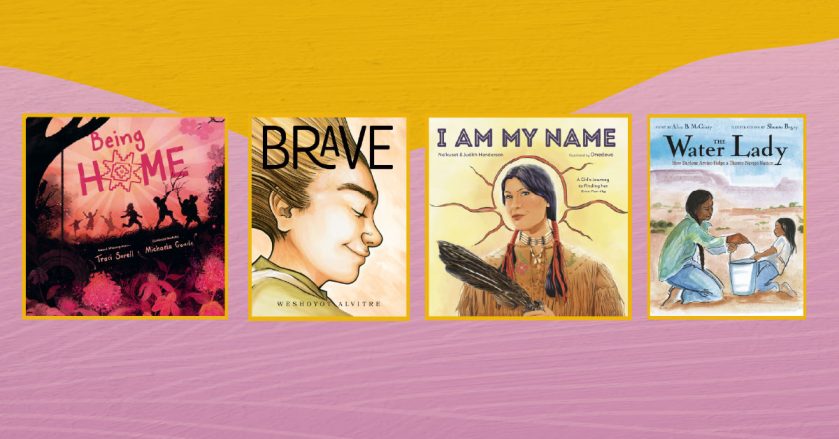
Authentic Picture Books by Indigenous Authors | Penguin Random House

Authentic Picture Books by Indigenous Authors | Penguin Random House

Celebrate and explore the many rich stories from North American Indigenous cultures with this diverse list of picture books.

launch penguinrandomhouse.com
Image is LInk
open_in_new zoom_out_map

Fall & Thanksgiving Virtual Library - Google Slide Canvas Page

Fall & Leaves - Google Slide Canvas Page

Fall (Large Read Aloud Library) - Google Slide Canvas Page

The Science of Fall- Google Slide Canvas Page


InfOhio Links

The First Thanksgiving - Capstone

Science of the Mayflower - Capstone

The Mayflower Compact - Capstone


Epic Libraries

Thanksgiving

Pilgrims

Thanksgiving Videos

Native Americans and Early Settlers


Election Themes

Election Campaigns - A Kids Guide

Understanding Your Role in Elections

Elections - Full Pebble Go Next Site


Election Day - Google Slides Canvas Link

Native American Heritage Month Native American Heritage Month

National Native American Heritage Month

Paying tribute to the rich ancestry and traditions of Native Americans.

launch nativeamericanheritagemonth.gov

📚 Picture Book Month 📚 📚 Picture Book Month 📚

Celebrate the Read-Aloud All Month Long

November is Picture Book Month, a great reason to slow down and enjoy a good read-aloud together. Picture books aren't just for our youngest readers. At every grade level they build vocabulary, background knowledge, and rich conversation. Here are a few November favorites to share with your class:


  • Thank You, Omu! by Oge Mora (gratitude and sharing with neighbors)
  • We Are Grateful: Otsaliheliga by Traci Sorell (a Cherokee family's year of gratitude, a great tie-in to Native American Heritage Month)
  • Fry Bread: A Native American Family Story by Kevin Noble Maillard (family, food, and tradition)
  • Balloons Over Broadway by Melissa Sweet (the true story of the first Thanksgiving Day Parade balloons)
  • Bear Says Thanks by Karma Wilson (sharing and friendship, perfect for K-1)
  • Last Stop on Market Street by Matt de la Peña (noticing the good all around us)

Check your building library for copies, and don't forget the read-aloud videos in November Resources above.

Mystery Science Resources

Do Other Countries Celebrate Thanksgiving?

Thanksgiving - Why do People Eat Turkey?

What's that Red Thing on a Turkey?

🪖🧑🏻‍✈️ November 11 🪖🧑🏻‍✈️ 🪖🧑🏻‍✈️ November 11 🪖🧑🏻‍✈️

Hero Mom - Veterans Day Read Aloud Book
Hero Dad - Veterans Day Read Aloud Book
https://youtu.be/cFC5jkJSzP4?t=20

Growth Monitoring - November 16

Growth Monitoring Results (Student) - Reference Sheet

Growth Monitoring Results (Class) - Reference Sheet


Q - Why can't I see my student's results from the Growth Monitoring assessment?

A - Growth Monitoring projections will not be visible until after 3 data points so if you are following our district schedule the reports will not provide you with information until after the mid-year diagnostic. If you would like growth results before the mid-year diagnostic you'll need to schedule another growth monitoring check for your class in the month of December. This will give you the needed 3-data points.


How to Assign Growth Monitoring Assessment

➕ Math Matters ➗ ➕ Math Matters ➗

Keeping Math Strong Through the Holidays

A few reminders for i-Ready Classroom Mathematics as we head into the busy holiday weeks:

  • Let students try first. Try-Discuss-Connect works best when students wrestle with the problem before we show them a strategy. The discussion is where the learning happens.
  • Plan small groups from the Prerequisites Report. Use it to front-load the skills students need for the next lesson so they can stay with grade-level work. Intervention is acceleration and just-in-time support, not another program.
  • Keep fluency going. Short weeks are a great time for Fluency & Skills Practice and Math Center Activities that keep skills sharp without losing lesson time.
  • Check in on My Path. Make sure students are getting their weekly time-on-task and passing lessons, so their practice stays at the right level.

The scaffolding resources below show how to use the Prerequisites Report and Tools for Instruction to support students in your classroom.

Scaffolding? Use Tools for Instruction Resources Scaffolding? Use Tools for Instruction Resources

pdf
insert_drive_file
Scaffold Grade Level Content with Tools for Instruction.pdf
Download
10.6 MB
pdf
insert_drive_file
Using the Scaffolding Report.pdf
Download
2.6 MB
pdf
insert_drive_file
Supporting Intervention.pdf
Download
1.6 MB
pdf
insert_drive_file
Supporting Math Intervention.pdf
Download
1.8 MB
pdf
insert_drive_file
Scaffolding Math Support - Use Prerequisite Report.pdf
Download
690.7 KB

My Path Reference Sheet My Path Reference Sheet

pdf
insert_drive_file
Personalized Instruction Guidance Sheet.pdf
Download
13.9 MB

New this Year - Student Literacy Profile Report New this Year - Student Literacy Profile Report

pdf
insert_drive_file
Literacy Profile Report.pdf
Download
717.8 KB
User uploaded image
zoom_out_map

Office of Teaching & Learning

Email: romine-d@troy.k12.oh.us
Extension: 6002

Smore Templates
Smore is using Smore to create beautiful newsletters
Loading indicator

close
Powered by