Notes from the Nurse: April
Seasonal Allergies

What are seasonal allergies?
Seasonal allergies strike at different times of the year. Seasonal allergy symptoms occur when airborne irritants, or allergens, enter the eyes, nose and throat, setting off an allergic reaction.
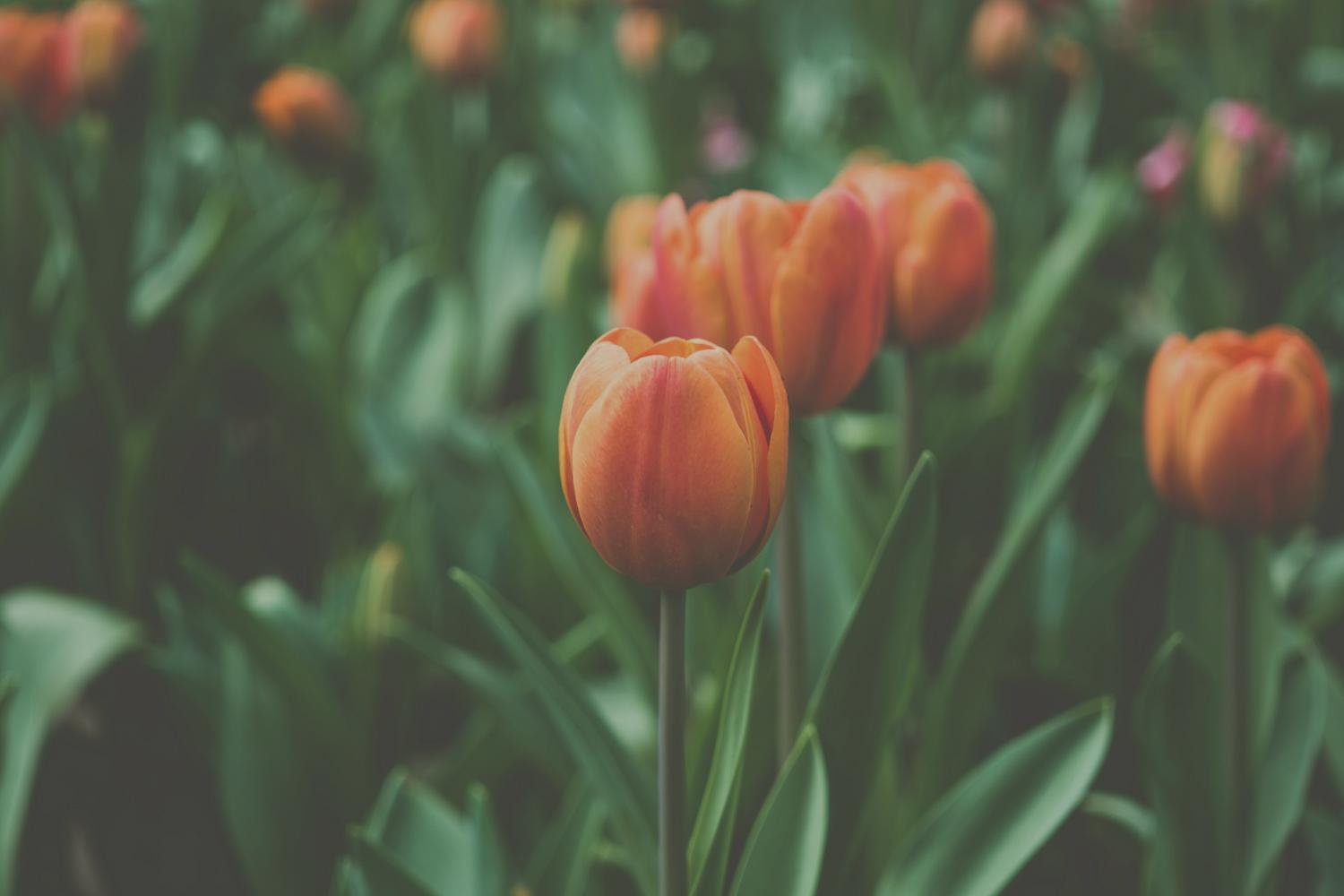
In the spring, flower and tree pollen are common culprits. Grass pollen starts in late spring and peaks in the summer months. Weed pollen (such as ragweed) and mold spores effect kids more in the late summer and fall.
Since children need to be exposed to an allergen before they can be allergic to it, children under two years of age are less likely to have environmental allergies.
For more information about seasonal allergies, go to: https://kidshealth.org/en/parents/seasonal-allergies.html

How can you minimize exposure to seasonal allergy triggers?
Here are steps you can take to help reduce allergy symptoms:
- Encourage your child wash their hands and face as soon as they come in from playing outside so they don’t rub pollen in their eyes and nose or rinse off in the shower.
- Check the forecast for pollen levels, and limit outdoor activities when pollen counts are at their highest.
- Dry laundry in the dryer. Since pollen can coat clothing, avoid hanging laundry outside to dry.
- Have your child take their bath at bedtime. This will help with nighttime allergy problems.
- Keep windows in your home and car closed when pollen counts are high.


Illness
When can students return to school after illness?
When symptoms of illness have improved
Symptoms of fever, vomiting, or diarrhea, should be resolved for at least 24 hours without medication before returning to school
If an antibiotic is warranted (such as for strep throat) the individual may return 24 hours after starting the antibiotic and symptoms have improved
For more information about the flu, go to: https://kidshealth.org/en/parents/flu.html
Reach out to Mrs. Page if you have any questions.


